
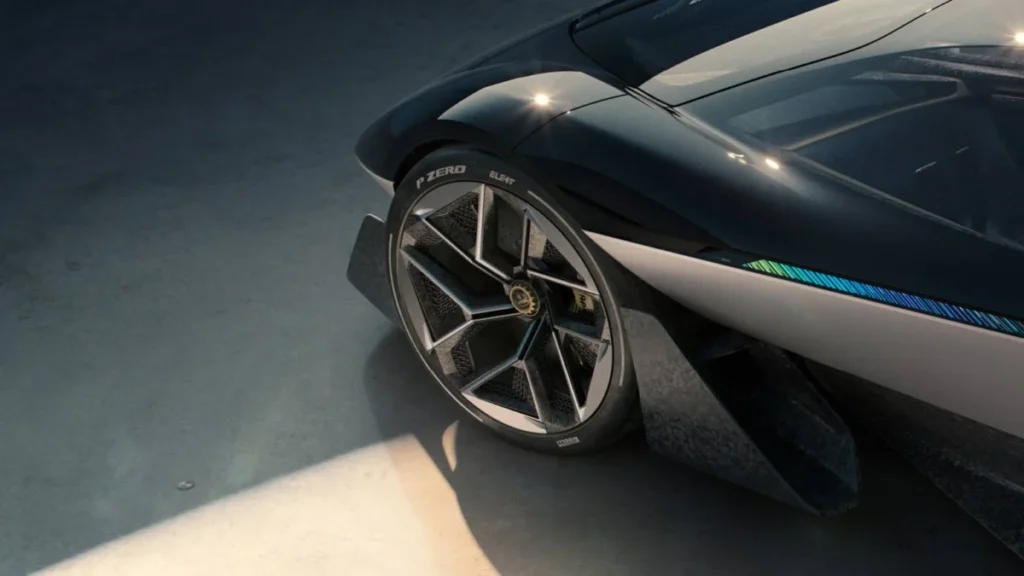
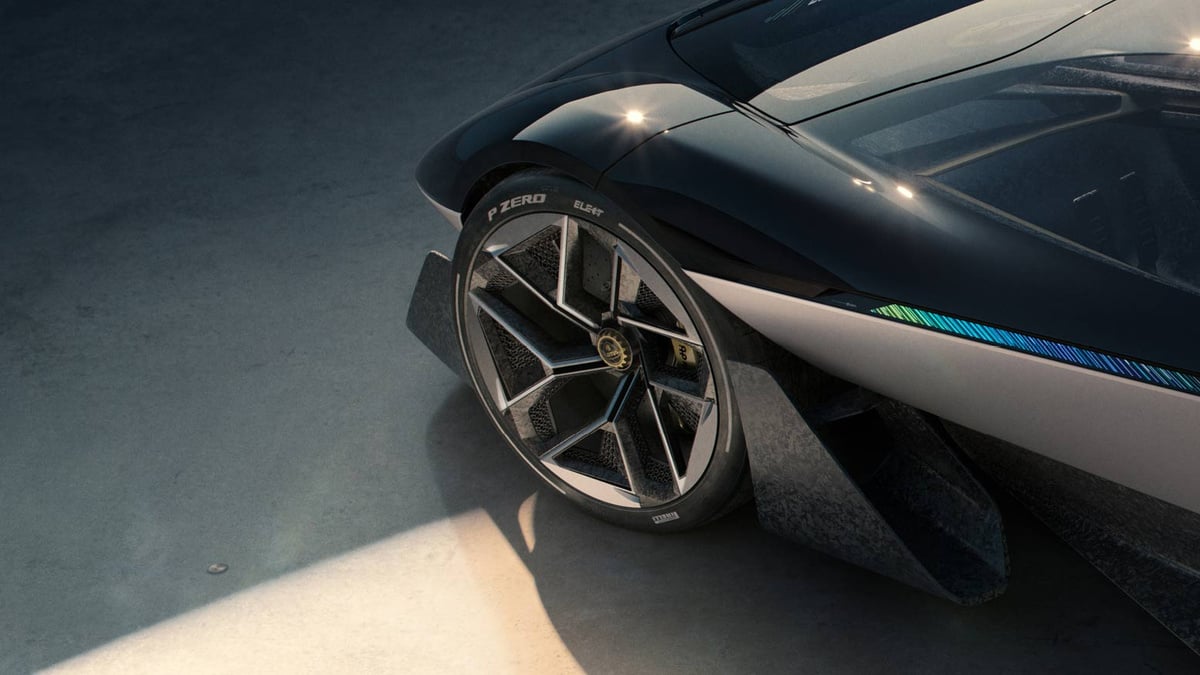
In a move that has sent shockwaves through the automotive world, the legendary British sports car manufacturer Lotus has officially abandoned its aggressive, timeline-driven pursuit of a 100% electric vehicle (EV) lineup by the end of the decade. Owned by the Chinese automotive giant Geely, the Norfolk-based brand is recalibrating its future. The cornerstone of this new strategy is the "Type 135," an upcoming high-performance supercar set for a 2028 launch, which will eschew pure battery power in favor of a sophisticated V8 hybrid powertrain.
This decision represents more than just a mechanical shift; it marks a philosophical homecoming. By prioritizing driving dynamics and weight reduction over pure battery range, Lotus is signaling to enthusiasts that the "spirit of Colin Chapman"—the brand’s iconic founder—is once again in the driver’s seat.
The End of the "All-Electric" Mandate: A Reality Check
For several years, the automotive industry was swept up in a wave of electrification fervor. Lotus, under Geely’s stewardship, was at the forefront of this movement. The brand famously marketed the Emira as its "final internal combustion engine car," positioning it as a swan song before a total transition to battery-electric vehicles (BEVs).
However, the reality of the luxury sports car market has proven to be more complex than boardroom projections anticipated. While the electric SUV segment has seen consistent growth, the niche market for high-performance, emotional driving experiences has remained stubbornly attached to the visceral feedback provided by combustion engines.
Facing a softening demand for pure EVs in the premium sports sector and navigating evolving European regulatory frameworks, Lotus has opted for a more pragmatic, "agile" approach. The new roadmap suggests a balanced product mix: approximately 60% of sales will be derived from plug-in hybrid (PHEV) models, with the remaining 40% reserved for pure battery-electric vehicles.
Chronology of a Transformation
- 2021: Lotus launches the Emira, explicitly branding it as the last internal combustion engine (ICE) car in the brand’s history.
- 2022-2023: The company accelerates its "Vision80" strategy, focusing heavily on the Evija hypercar and the Eletre electric SUV.
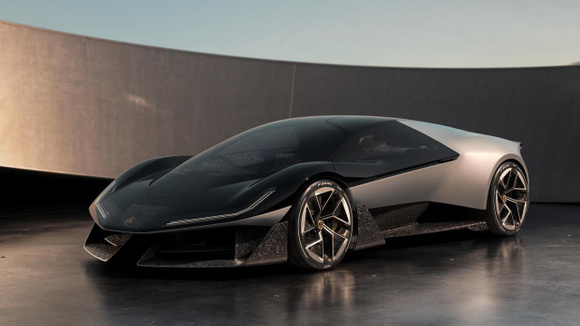
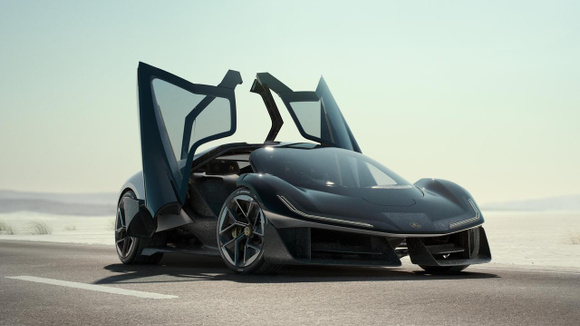
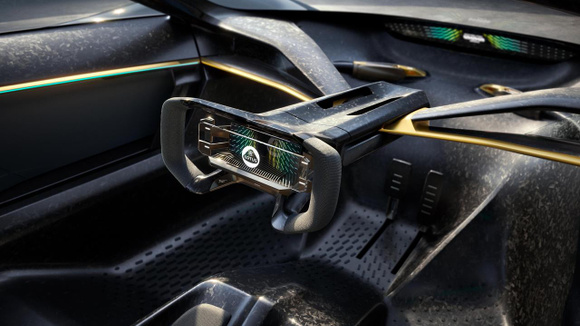
- 2024: Lotus debuts the "Theory 1" concept, a design study that captures the imagination of the industry, showcasing a lightweight, driver-centric ethos.
- Early 2025: Internal reassessments within Geely and Lotus leadership lead to the quiet shelving of the "all-electric by 2028" target.
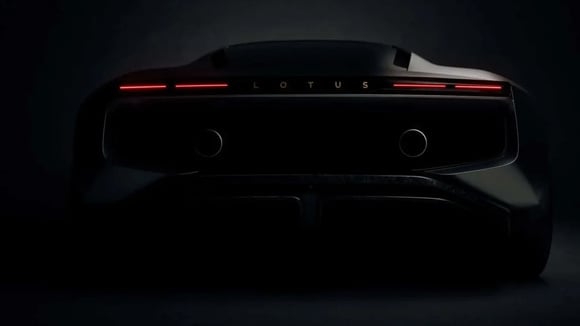
- March 2025: During the 50th-anniversary celebrations of the Lotus Esprit S1, the brand begins teasing the "Type 135," revealing a silhouette that shares significant design DNA with the Theory 1.
- 2028 (Scheduled): Official market launch of the V8 hybrid supercar.
The Type 135: Engineering the Future
The "Type 135" is not merely a replacement for an existing model; it is a clean-sheet design intended to redefine what a modern Lotus represents. Positioned above the Emira in both performance and price, the vehicle is being engineered to serve as a flagship for the brand’s renewed commitment to engineering purity.
Technical Speculations and the V8 Question
While Lotus remains tight-lipped regarding the specific mechanics, industry insiders point toward a high-output 4.0-liter biturbo V8—a powerplant that aligns perfectly with the brand’s current partnerships. Given that Geely holds significant stakes in both Mercedes-Benz and Aston Martin, and because Lotus already utilizes Mercedes-AMG engines for the Emira, the prospect of a state-of-the-art AMG-sourced V8 hybrid system is the most logical conclusion.
With a projected output exceeding 1,000 horsepower, the Type 135 is designed to bridge the gap between the track-focused Emira and the multi-million-pound electric Evija. Unlike the heavy, battery-laden architectures that define modern performance EVs, the Type 135 will utilize hybrid technology primarily to enhance torque and mid-range response, allowing the car to maintain the lightweight, agile handling that remains the brand’s North Star.
Design Filiation: The Theory 1 Influence
The silhouette revealed in recent teasers is unmistakably aggressive. Featuring a mid-engine layout, an ultra-low roofline, and a prominent rear diffuser, the car draws direct inspiration from the "Theory 1" concept. The presence of two large, centrally located exhaust pipes confirms the abandonment of the "silent" EV aesthetic, reintroducing the aural drama that defined the classic Esprit era.
Implications for the Automotive Industry
Lotus is far from alone in this strategic reversal. The automotive sector is currently experiencing a "re-balancing" phase. Jaguar, Volvo, and Maserati have all recently announced adjustments to their electrification timelines, citing the same cooling demand in the performance car sector.
The primary lesson from this shift is that for high-performance brands, the "emotional" component of the driving experience is not yet replaceable by software or raw battery acceleration. Customers who buy into the Lotus brand are not looking for an appliance; they are looking for a connection between the road, the chassis, and the engine.
Official Responses and Strategic Philosophy
Qingfeng Feng, the CEO of Lotus, has become the voice of this new era. In recent communications, he has emphasized that while the transition to electricity remains a long-term goal, it must be "market-driven and regulatory-compliant."
"We are not abandoning technology," a company spokesperson indicated, "we are refining our application of it." The pivot represents a move away from "demonstrative technology"—which focuses on the specs of the battery—toward "engineering for the driver." By allowing for hybrid powertrains, Lotus is effectively buying time for battery technology to reach a point where it can meet the extreme performance demands of a lightweight sports car without the weight penalties that currently plague the sector.
Conclusion: Returning to the Roots
For the legions of Lotus fans who feared the company might lose its soul in the push for global electrification, the Type 135 project is a massive victory. It validates the idea that history matters. The brand is essentially saying that it can be a modern, global, and tech-forward company while still respecting the core tenets that made it a titan of motorsport.

The Type 135 is more than a car; it is a declaration of independence. By blending the raw power of a V8 with the efficiency and torque-fill capabilities of hybrid technology, Lotus is positioning itself to lead a new, more sustainable, but still incredibly exciting, chapter of automotive history. As 2028 approaches, the question will no longer be whether Lotus can adapt to the future, but rather how they will continue to set the standard for what a driver’s car should be.
