

By The Editorial Desk | May 1, 2026
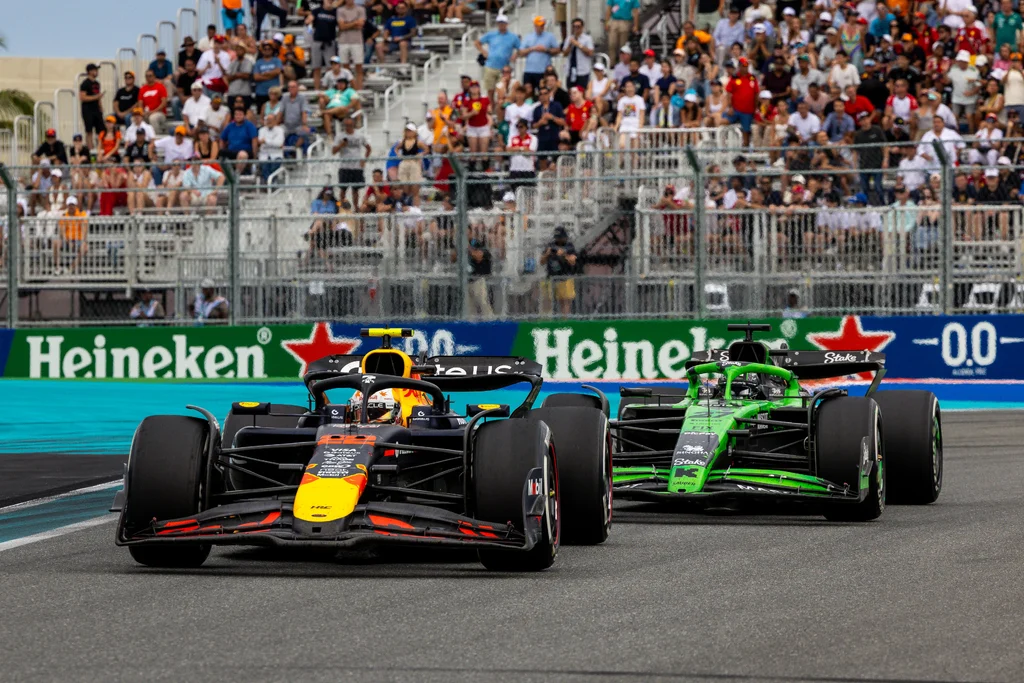
The 2026 Formula 1 season has been anything but conventional. Following a turbulent start to the campaign that saw the cancellation of the Bahrain and Saudi Arabian Grands Prix, the sport is entering a critical phase of recalibration. As the circus arrives in Florida for the Miami Grand Prix, the FIA has announced a significant, albeit temporary, alteration to the race weekend structure: the sole Free Practice session (FP1) has been extended from 60 to 90 minutes. This decision, aimed at helping teams navigate a sudden and complex technical regulatory shift, marks a pivotal moment in the 2026 championship.
The Strategic Shift: Why 90 Minutes Matter
In the high-pressure environment of a Sprint weekend, time is the most precious commodity. Under the standard Sprint format, teams are granted only one hour of practice before the cars are placed under "parc fermé" conditions, effectively locking in their setups for the remainder of the event.
The extension to 90 minutes is not a mere courtesy; it is a tactical necessity. The FIA, after extensive consultation with team principals, engine manufacturers, and safety delegates, concluded that the teams required additional time to recalibrate their vehicles to new energy management protocols introduced mid-season. For the engineers on the pit wall, those extra 30 minutes represent the difference between arriving at the Sprint Qualifying session with a stable, predictable car or a volatile machine that could compromise the entire weekend.
A Chronology of Disruption: The Path to Miami
The necessity for this change is rooted in the unusual rhythm of the 2026 season. The cancellation of the Middle Eastern rounds left a gaping, month-long void in the calendar. During this hiatus, the technical landscape of the sport shifted beneath the teams’ feet.
- Pre-Season & Early Rounds: Teams began the season with baseline configurations for the 2026 regulations, focusing on the new hybrid power units.
- The Mid-Season Pause: The cancellation of Bahrain and Saudi Arabia provided the FIA and the Technical Advisory Committee with the window to analyze the "real-world" data from the opening races.
- Regulatory Pivot: Recognizing that the energy recovery and deployment profiles were creating dangerous speed deltas and reliability concerns, the governing body drafted a new technical directive.
- Implementation at Miami: The Miami Grand Prix serves as the first laboratory for these new rules. Recognizing the lack of track time during the break, the FIA greenlit the extended session to prevent the teams from entering the weekend "blind."
Technical Deep-Dive: Managing the Energy Revolution
The heart of this regulatory change lies in the complex relationship between the MGU-K and the internal combustion engine. The 2026 regulations have placed a renewed emphasis on energy efficiency, but early data suggested that the initial rules were causing "super-clipping"—a phenomenon where the electrical deployment runs out mid-straight, causing a massive, and sometimes dangerous, drop in power.
Revised Energy Parameters
The FIA has implemented a series of stringent, yet necessary, changes to the power unit protocols:
- Reduced Recharge Capacity: The maximum energy recharge during qualifying has been slashed from 8 MJ to 7 MJ per lap. This forces teams to be far more conservative with their deployment strategies.
- Increased Peak Power: To offset the recharge limits, the system’s peak power has been elevated to 350 kW, reducing the need for aggressive, energy-sapping recovery phases.
- The 150 kW "Boost" Cap: In race trim, the electrical "boost" is now strictly capped at 150 kW. This move is specifically designed to tighten the field and prevent the massive speed differentials that made overtaking unpredictable during the opening rounds.
- Zonal MGU-K Deployment: The MGU-K will now operate with a variable ceiling. While it retains 350 kW in specific high-speed zones, it is throttled on other sections of the track to ensure that the cars remain within manageable performance envelopes.
Official Stance and Stakeholder Response
The FIA’s technical department has been adamant that these changes are not an admission of failure, but rather a maturation of the 2026 project.
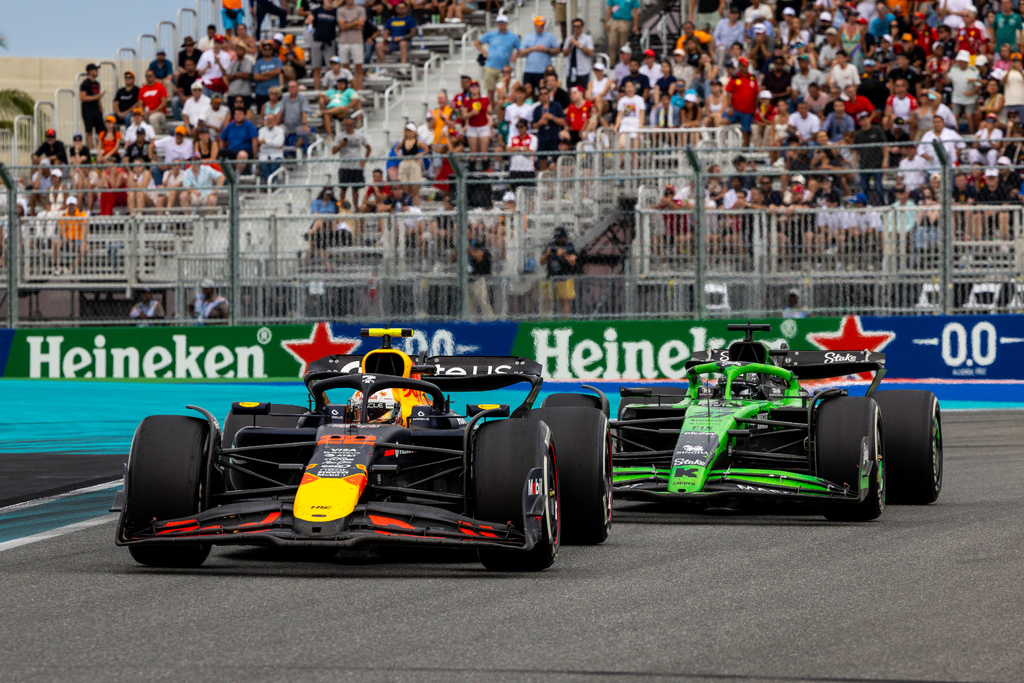
"We are in an iterative phase of a major regulation cycle," an FIA spokesperson stated on the eve of the Miami event. "The data from the first races indicated that the speed deltas were becoming a safety concern, particularly in the braking zones. By extending the practice session, we are ensuring that the teams can integrate these software and mechanical changes safely, ensuring the competition remains both fierce and fair."
Team principals have largely welcomed the extension. In a sport where every millisecond of data is analyzed, having an extra 30 minutes of track time is a luxury. "It changes our simulation strategy entirely," noted one leading engineer. "We can now afford a ‘baseline’ run, a ‘test’ run for the new energy maps, and a final ‘performance’ run without sacrificing our preparation for the Sprint."
Implications: Safety, Strategy, and Future Precedent
The decision to extend FP1 carries profound implications for the future of the Sprint format. Critics of the Sprint format have long argued that the limited practice time hampers the ability of smaller teams to catch up to the front-runners. By providing this buffer, the FIA is acknowledging that in the era of complex hybrid regulations, "rushing" the cars onto the track creates unnecessary risks.
The Safety Argument
The primary driver for the energy limitation is safety. When cars have wildly different electrical deployment profiles, the closing speeds become erratic. A driver expecting a boost might find themselves stranded behind a car that has suddenly lost its electrical drive, leading to potential rear-end collisions. The new regulations, paired with the additional practice time, are intended to harmonize the behavior of the field.
The Strategic Landscape
Strategically, the 90-minute session will force teams to prioritize. Do they focus on long-run pace to manage the new 150 kW boost limits, or do they focus on qualifying one-lap speed under the stricter 7 MJ recharge constraints? The teams that master this balance during the extended FP1 will likely dominate the weekend.
Conclusion: A Turning Point for 2026
As the sun beats down on the Miami International Autodrome, the mood is one of cautious anticipation. The 90-minute practice session is more than just a schedule change; it is a vital bridge between the theoretical models developed in the wind tunnel and the unforgiving reality of the tarmac.
For the drivers, the challenge will be to adapt their driving style to a car that feels fundamentally different from the one they last raced. For the fans, the extended session promises more action, more technical insight, and a clearer view of who has truly mastered the 2026 regulations.
Whether this extension becomes a permanent fixture of future Sprint weekends remains to be seen. However, one thing is certain: at this stage of the championship, the extra time in the cockpit may well define the trajectory of the title race. The 2026 Miami Grand Prix is set to be a masterclass in adaptation, setting the stage for what promises to be a highly technical and tactically charged remainder of the season.
