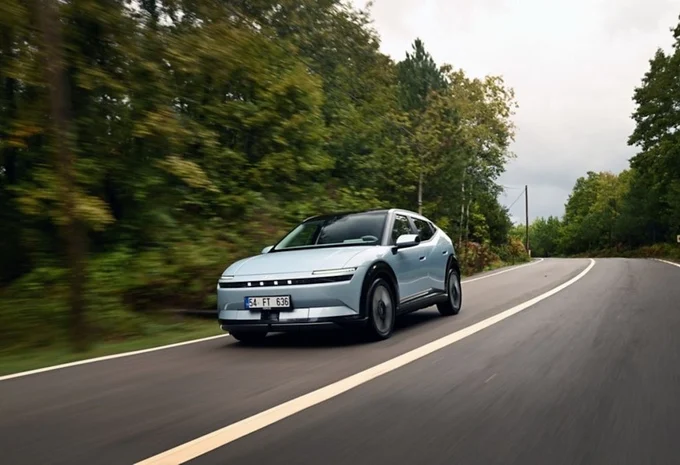
The automotive landscape is undergoing a radical shift as manufacturers pivot from large-scale luxury electric vehicles to the critical, high-volume B-segment. With the introduction of the 2027 Hyundai Ioniq 3, the Korean manufacturer is effectively democratizing its award-winning Ioniq sub-brand. Positioned as a vehicle that balances urban agility with long-range touring capabilities, the Ioniq 3 enters a fiercely contested market, sitting at the intersection of traditional hatchbacks and compact crossovers.
Main Facts: Redefining the Compact Electric Vehicle
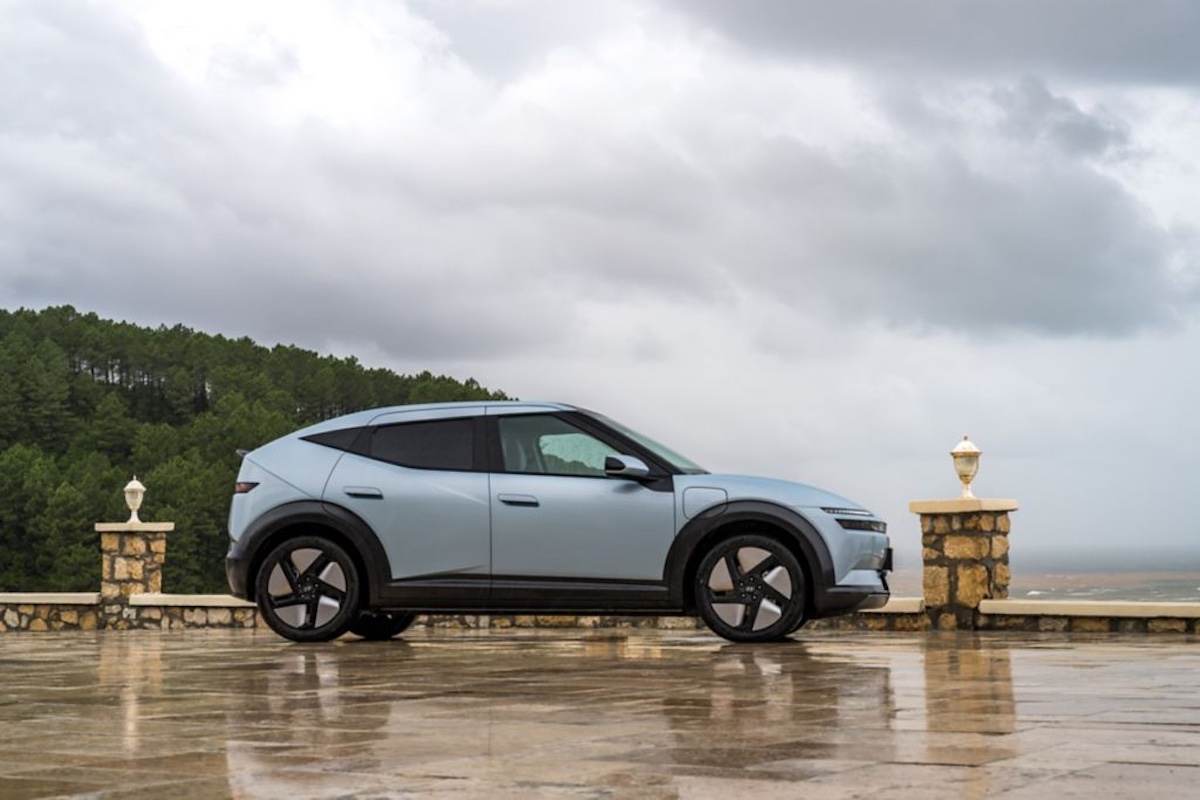
The Ioniq 3 measures 4.16 meters in length, 1.80 meters in width, and 1.50 meters in height, with a generous wheelbase of 2.68 meters. This physical footprint places it in a unique space, slightly larger than the Renault 5 or the Mini Aceman, yet more compact than the Volkswagen ID.3 or the Mégane E-Tech.
The vehicle is built upon a 400V E-GMP architecture—a strategic departure from the 800V systems found in the Ioniq 5 and 6. This decision reflects Hyundai’s commitment to cost-efficiency, allowing the Ioniq 3 to hit a competitive entry-level price point of €29,995 for the 42.2 kWh battery variant. However, it is the 61 kWh "Long Range" version that commands the most attention, offering a WLTP-rated range of nearly 500 kilometers.
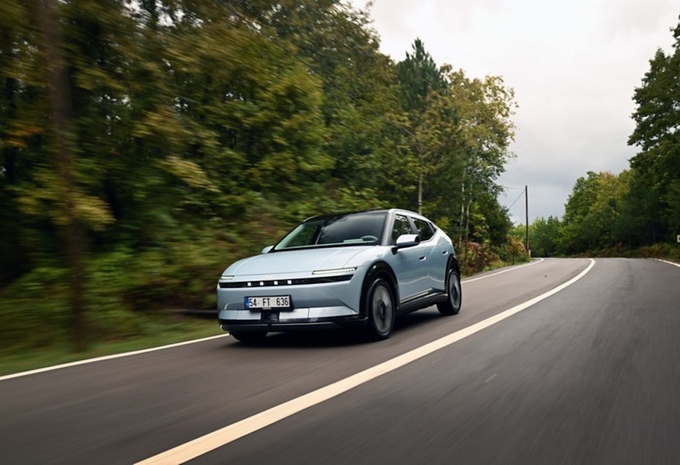
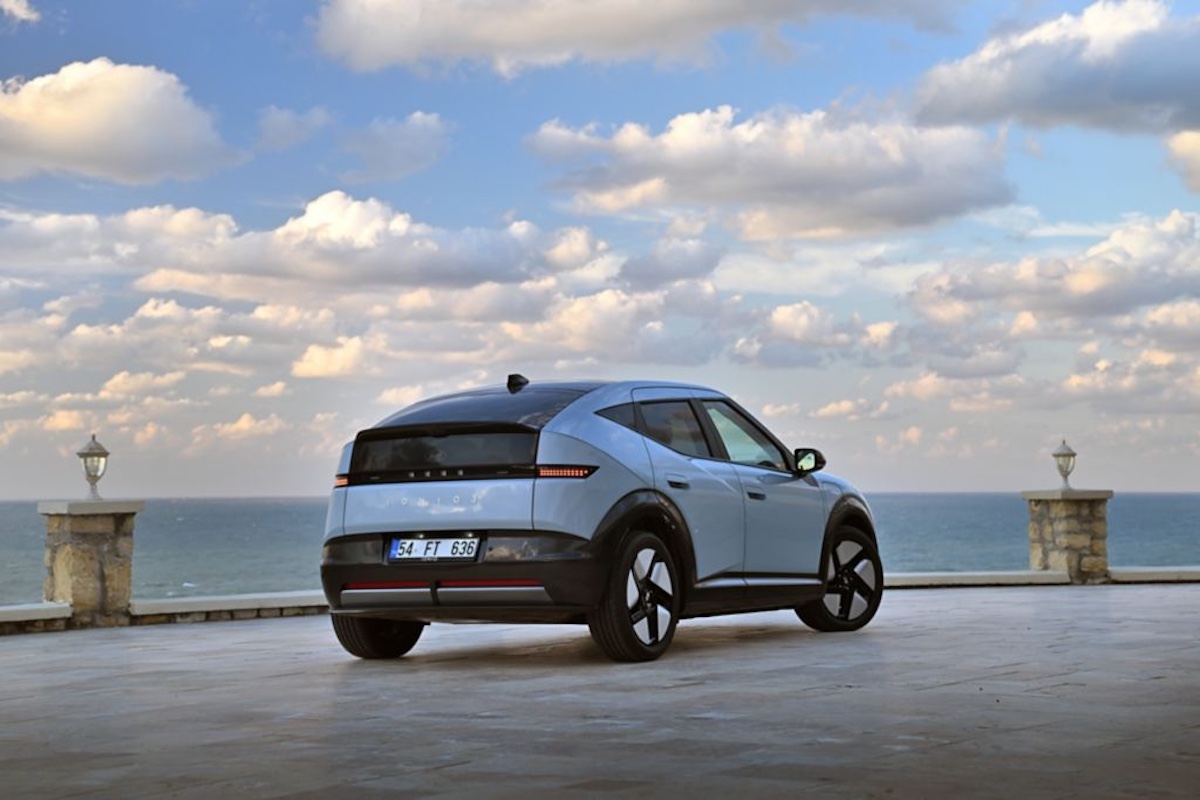
Visually, the car embraces the "Aero Hatch" design philosophy. It features a low hood, an extended roofline that flows into a rear spoiler, and the signature pixelated lighting clusters that have become the hallmark of the Ioniq identity.
Chronology: From Concept to Market Arrival
The journey of the Ioniq 3 began with Hyundai’s desire to scale its electric platform for the mass market. After the global success of the Ioniq 5 (the "flagship" of the range), the development team was tasked with creating a "city car plus"—a vehicle that could handle dense urban environments while maintaining the highway stability required for longer journeys.
- Q1 2025: Initial design prototypes finalized, emphasizing the "Aero Hatch" silhouette to maximize aerodynamic efficiency.
- Q4 2025: Final testing phase in European climates, focusing on battery thermal management and the integration of the new Pleos Connect infotainment system.
- Q3 2026: Official unveiling, showcasing the vehicle’s dual personality as both a city runabout and a capable road-tripper.
- Q4 2026: Market entry in the European theater, with a heavy focus on the Belgian and French markets, where compact hatchbacks remain the preferred mode of personal transport.
Supporting Data: Efficiency Over Excess
A common critique of modern electric vehicles is the "arms race" for horsepower. Hyundai has taken a different approach with the Ioniq 3. While its competitors in the B-segment (such as the Cupra Raval or Mini Aceman) push for outputs exceeding 200 horsepower, the Ioniq 3 offers a more measured 135 horsepower in its 61 kWh iteration.
Performance and Battery Specifications
| Feature | Standard Range | Long Range |
|---|---|---|
| Battery Capacity | 42.2 kWh (LFP) | 61 kWh (NMC) |
| Power Output | 147 hp | 135 hp |
| Torque | 250 Nm | 250 Nm |
| Charging (DC Peak) | 119 kW | 110 kW |
| WLTP Range | ~350 km (est.) | ~497 km |
The engineering team deliberately opted for lower power figures to prioritize efficiency, targeting a consumption rate of 13.7 kWh/100 km. By limiting peak acceleration demands, the vehicle achieves superior real-world range, appealing to a demographic that values longevity and cost-per-kilometer over raw performance.
Interior and Practicality
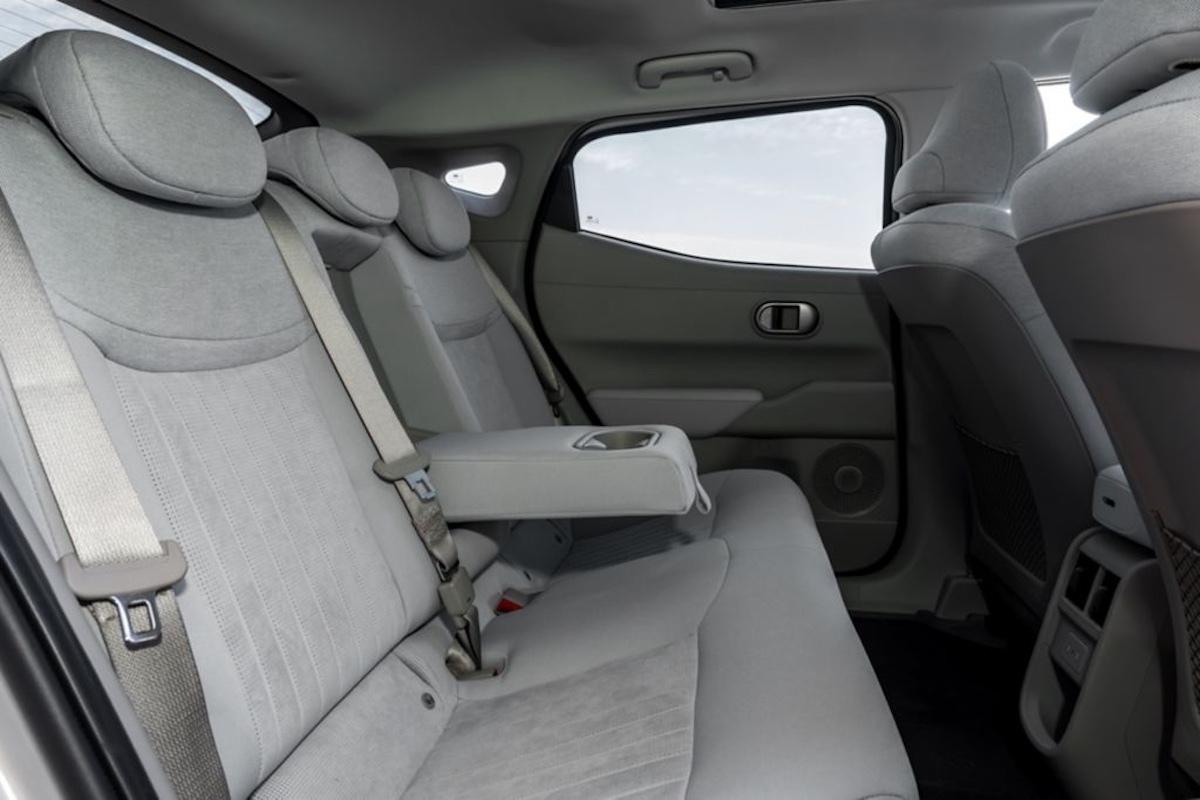
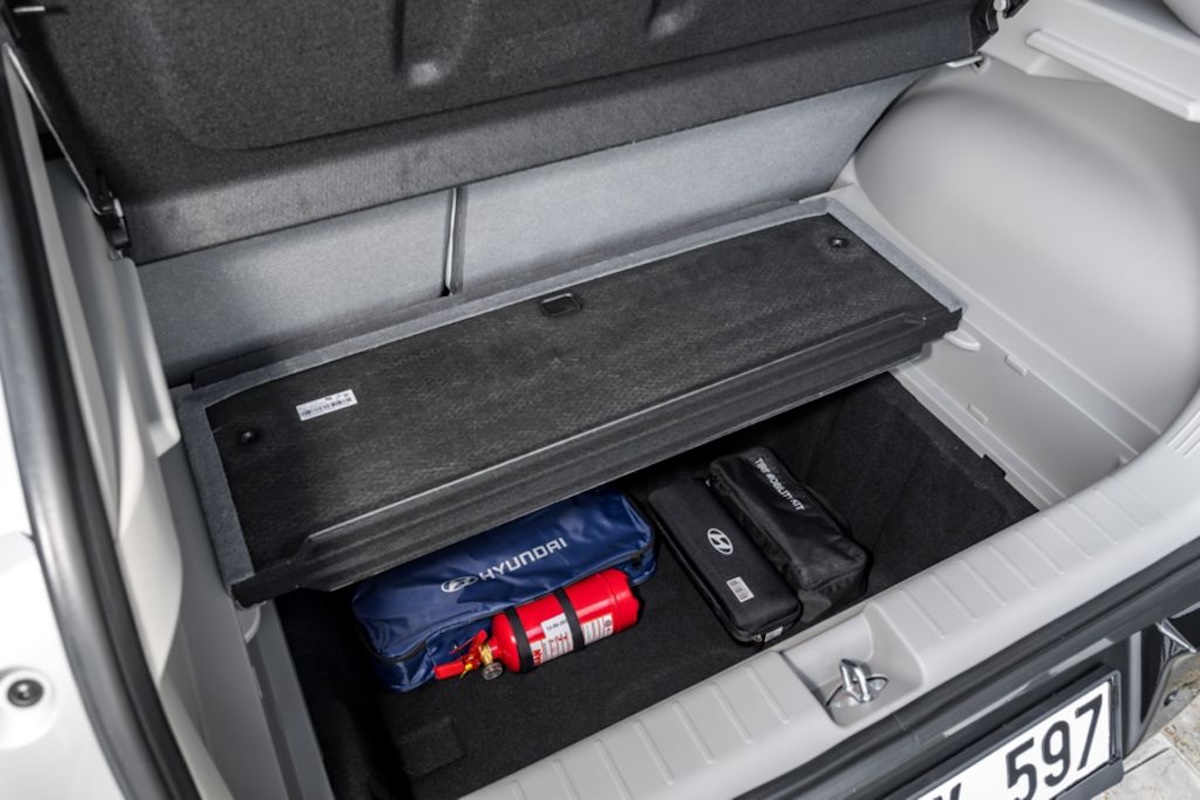
The Ioniq 3 excels in its cabin packaging. Thanks to a flat floor and a long wheelbase, it offers rear-seat legroom that rivals cars in the segment above. The cargo capacity is equally impressive: 441 liters, including a "Megabox" under-floor storage area of 120 liters—a feature that significantly enhances utility for families.
Official Responses and Strategic Vision
During the press launch, Hyundai representatives emphasized that the Ioniq 3 is not intended to be a performance machine, but rather a "zen" experience. The focus on NVH (Noise, Vibration, and Harshness) levels is evident; the use of acoustic glass and refined suspension tuning ensures that the cabin remains a quiet sanctuary.
"We didn’t want to build another GTI," stated a lead engineer during the development briefing. "We wanted to build the most coherent, comfortable, and practical electric car for the daily user. The Ioniq 3 is a testament to the fact that you don’t need 200 horsepower to have a high-quality driving experience."
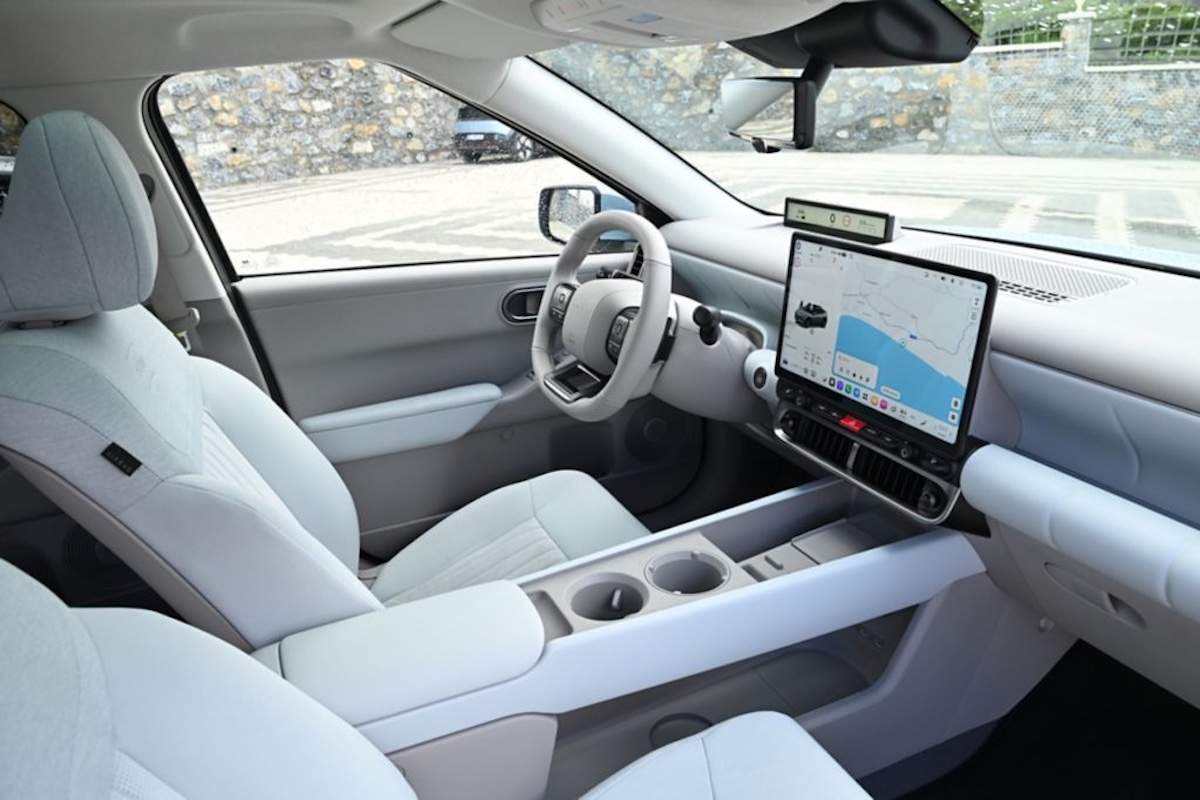
Regarding the technology suite, the introduction of the Pleos Connect system—built on Android Automotive OS with the Gleo AI voice assistant—marks a major step forward in Hyundai’s software-defined vehicle strategy. While the base "Select" trim relies on a 12.9-inch central touchscreen, the higher "Trend" trim adds a dedicated 9.9-inch digital instrument cluster, signaling Hyundai’s attempt to cater to both budget-conscious buyers and tech-savvy enthusiasts.
Implications for the Market
The arrival of the Ioniq 3 sends a clear message to European competitors like Renault, Volkswagen, and Stellantis. By pricing the base model under €30,000 and offering a long-range version that is competitive in terms of features and comfort, Hyundai is pressuring incumbents to justify their pricing structures.
The Competitive Landscape
The Ioniq 3’s main hurdle is the brand perception of its rivals. The Renault 5 brings heritage, the Cupra Raval brings a sporty aesthetic, and the Mini Aceman brings premium cachet. The Ioniq 3, however, brings a "holistic" package. Its standard-issue Smart Sense ADAS (Advanced Driver Assistance Systems) and pre-conditioning battery software provide value that is often relegated to expensive options packages in other brands.
The "Between Two Segments" Dilemma
While some analysts argue the Ioniq 3 is "too big" for the B-segment, consumers are increasingly demanding this specific size. A 4.16-meter car is perfectly suited for modern urban parking spots while providing the rear-seat comfort that a 3.90-meter car lacks. Hyundai is betting that this "in-between" size is actually the "Goldilocks" zone for the modern European family.
Final Assessment: A Balanced Proposition
The Hyundai Ioniq 3 is a calculated, well-executed entry that prioritizes the needs of the average driver. It isn’t trying to win drag races, nor is it trying to be a luxury cruiser. Instead, it provides a stable, comfortable, and highly efficient solution to the urban mobility challenge.
For the buyer who wants a reliable, long-range electric vehicle that doesn’t feel like a compromise in terms of space or interior quality, the Ioniq 3 presents a compelling case. As the electric vehicle market matures, models like the Ioniq 3 will be the ones that drive adoption, proving that the future of the automobile is not necessarily about being bigger or faster, but about being smarter, more comfortable, and more practical.
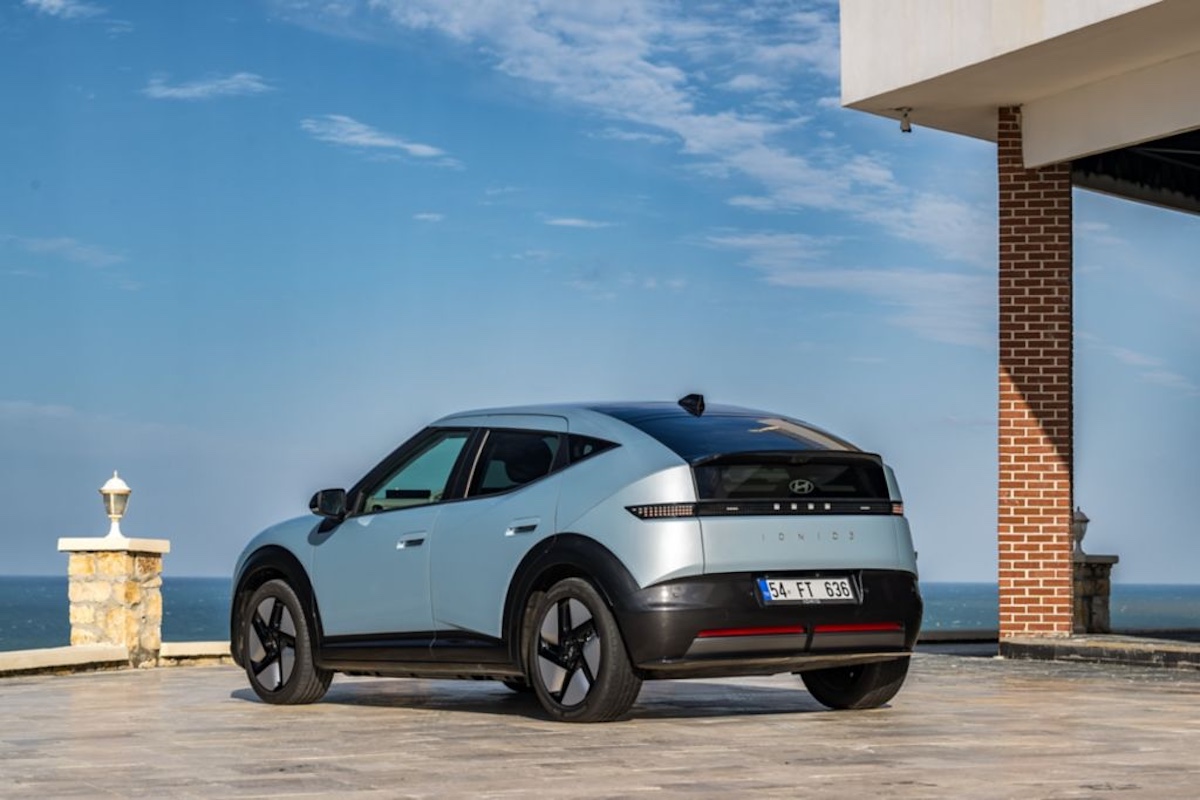
With its competitive pricing, high-end tech integration, and a design that refuses to be ignored, the Ioniq 3 is poised to become a staple of the European road network, proving that Hyundai has successfully mastered the art of scaling its premium EV technology for the mass market. Whether one appreciates the "Aero Hatch" design or not, the underlying engineering is undeniably a benchmark for the segment.