
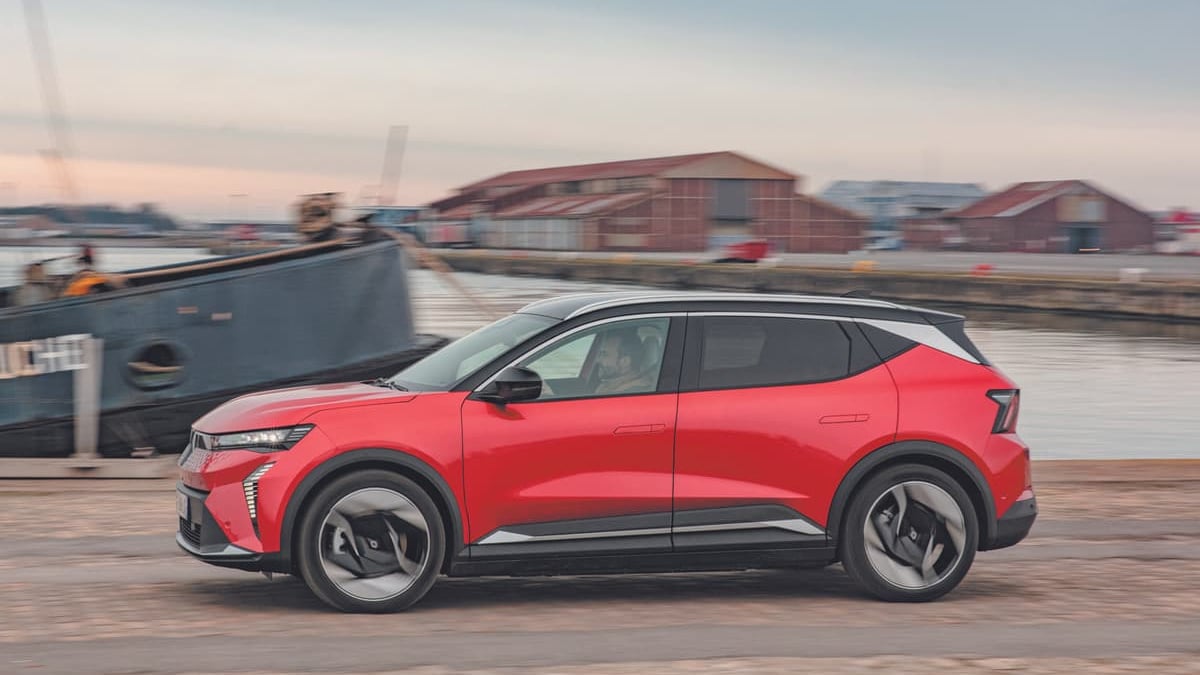
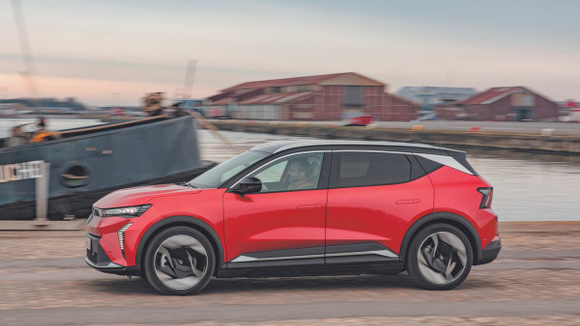
The automotive landscape in Europe is currently undergoing a structural transformation so profound that it is beginning to erode the traditional foundations of industrial stability. A stark illustration of this volatility emerged on May 7, 2026, when Renault’s management in Spain made a move that sent shockwaves through the industry: the unilateral suspension of future production allocations for its Spanish manufacturing sites, including the highly anticipated electric Scenic.
This decision, rooted in a stalled negotiation over a new collective bargaining agreement (the convenio for 2026-2028), is far more than a local labor dispute. It represents a fundamental shift in how global manufacturers view their European footprints. In an era defined by aggressive decarbonization mandates, skyrocketing energy costs, and the relentless pressure of Chinese competition, even the most "strategic" vehicles have become mobile assets. No factory, no matter how efficient, can be considered a permanent sanctuary for production.
The Chronology of a Breakdown
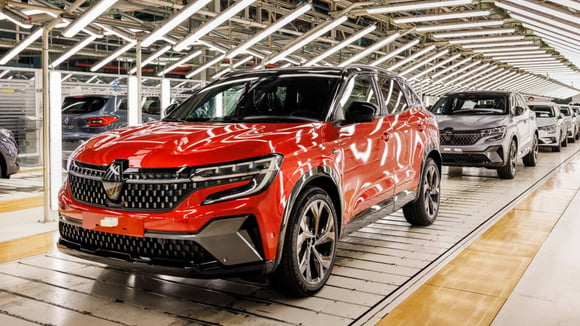
The conflict centers on the two major Renault industrial hubs in Spain: Palencia and Valladolid. These sites are the crown jewels of Renault’s Southern European operations, responsible for producing the Austral, Espace, Rafale, Captur, and Symbioz models. In 2025 alone, these plants collectively manufactured over 344,000 vehicles, cementing their status as essential pillars of the group’s European strategy.
The crisis began when negotiations for the 2026-2028 collective agreement hit a deadlock. Renault’s management had proposed a comprehensive package aimed at securing the long-term viability of the plants. The offer included:
- Inflation-indexed wage increases.
- New bonus structures.
- The creation of 300 permanent (indefinite) contracts.
- Direct investment into facility upgrades and working conditions.
However, the "quid pro quo" demanded by the French automaker was a significant increase in operational flexibility. This included changes to shift rotations, the integration of mandatory Saturday work, and more fluid management of labor resources. When labor unions rejected these terms, citing concerns over the impact on work-life balance and working conditions, Renault responded with an unprecedented ultimatum: the immediate suspension of future model allocations. This includes three new electric and hybrid vehicles slated for Palencia and the maintenance of current hybrid production lines in Valladolid.
Industrial Logic vs. Social Stability
For industry observers, the move is unprecedented. Historically, wage negotiations and industrial planning were treated as distinct silos. By folding the threat of industrial relocation into a salary negotiation, Renault has signaled that the margin for error in the electric vehicle (EV) transition has vanished.
The irony is that Spain was, until very recently, considered the most competitive production environment for Renault within Europe. In February 2026, the company had famously announced plans to relocate the production of the electric Scenic from Douai, France, to Palencia. This decision was lauded as a strategic optimization—an effort to balance the need for "Made in Europe" production with the brutal cost-cutting requirements necessitated by the shift to electric mobility.
Renault’s decision to pull back suggests that the "sweet spot" for European manufacturing—where quality meets competitive cost—is moving targets. As the company faces internal pressure to protect margins against low-cost, tech-heavy Chinese entrants, the flexibility to adjust production schedules in real-time has moved from a "nice-to-have" to an existential requirement.
The Economic Context: The "Electric Squeeze"
To understand why a major manufacturer would jeopardize relations with its most efficient workforce, one must look at the broader economic pressures facing the sector. The European automotive industry is trapped in a pincer movement:
- The Cost of Electrification: Transitioning from internal combustion engines to EV platforms requires billions in capital expenditure. These costs must be amortized over fewer vehicles while maintaining price points that remain accessible to consumers.
- The "China Factor": Chinese manufacturers have entered the European market with vertically integrated supply chains, advanced battery technology, and a significant cost advantage. Brands like BYD and MG are forcing legacy European automakers to rethink their entire cost structure.
- Regulatory Volatility: The rapid pace of EU emission standards forces manufacturers to accelerate product cycles. This leaves little room for traditional, slower-moving labor negotiation models.
As the industry pivots toward software-defined vehicles and battery-electric architectures, the old model of "factory specialization" is being replaced by "flexible agility." In this new paradigm, if a plant cannot operate on the terms required to compete globally, the product will simply be reassigned to a more compliant or cost-effective facility—whether that is in Eastern Europe, North Africa, or a more flexible corner of the EU.
Official Responses and Stakeholder Positions
Renault has maintained a calculated silence on the specific future of the Spanish plants, avoiding explicit threats of total closure. Instead, the company frames the suspension as a "necessary pause" while the economic viability of the projects is reassessed.
"We remain committed to our European industrial footprint," a spokesperson noted, "but that commitment is contingent upon our ability to maintain a level of competitiveness that allows us to thrive in an increasingly hostile global market."
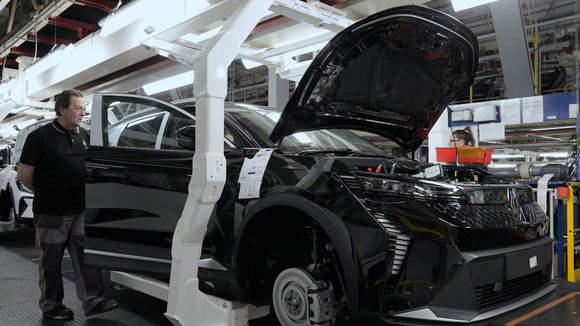
The unions, conversely, have framed the move as a form of "industrial blackmail." By tying the future of the Scenic—a car that carries the hopes of Renault’s brand image—to the acceptance of stricter labor conditions, the management is accused of exploiting the workers’ fear of job losses to extract concessions that undermine long-standing social protections.
The Ripple Effect: Implications for Europe
The consequences of this standoff extend well beyond the borders of Spain. If Palencia—a facility often cited as the gold standard for efficiency within the group—can have its production pipeline severed, what does that mean for other European sites?
1. The Fragility of the "European Anchor"
For years, the narrative has been that the electric transition would trigger a renaissance in European manufacturing. This was meant to be the era of "local-for-local" production. However, the Renault case reveals that the cost of production is currently outpacing the geopolitical or logistical benefits of local manufacturing. If the price difference between Spanish labor and global competitors remains too high, the "European Anchor" may not hold.
2. The End of Industrial "Safety"
For decades, workers in major automotive hubs believed that their specialized skills and historical ties to a brand provided a level of job security. The new reality is that the mobility of capital is now absolute. Production lines are increasingly modular, and the "geographic stickiness" of the automotive industry is melting away.
3. A Precedent for Other Automakers
Stellantis, Volkswagen, and Mercedes-Benz are watching the Renault-Spain situation closely. They face the exact same pressures. If Renault succeeds in securing higher flexibility through this aggressive strategy, it is highly likely that other European manufacturers will adopt similar tactics in their own negotiations across Germany, Italy, and France.
Conclusion: The New Reality of Automotive Geography
The standoff in Spain is not merely a labor dispute; it is a symptom of a fundamental realignment in the global automotive order. The industry is moving away from a model where factories were regional fixtures, and toward a model where production is a fluid, globalized, and highly volatile variable.
For the European worker, the message is clear: the transition to electric mobility is not just about changing engines; it is about changing the very structure of the social contract in the industrial heartlands. As Renault continues its high-stakes game of chess with its Spanish workforce, the outcome will likely dictate the tone for the next decade of European industrial relations. One thing is certain: in the race to survive the Chinese surge and the electric revolution, the old rules of the road no longer apply. The future of manufacturing in Europe will be defined by those who can adapt the fastest—or those who can afford the cheapest compromises.