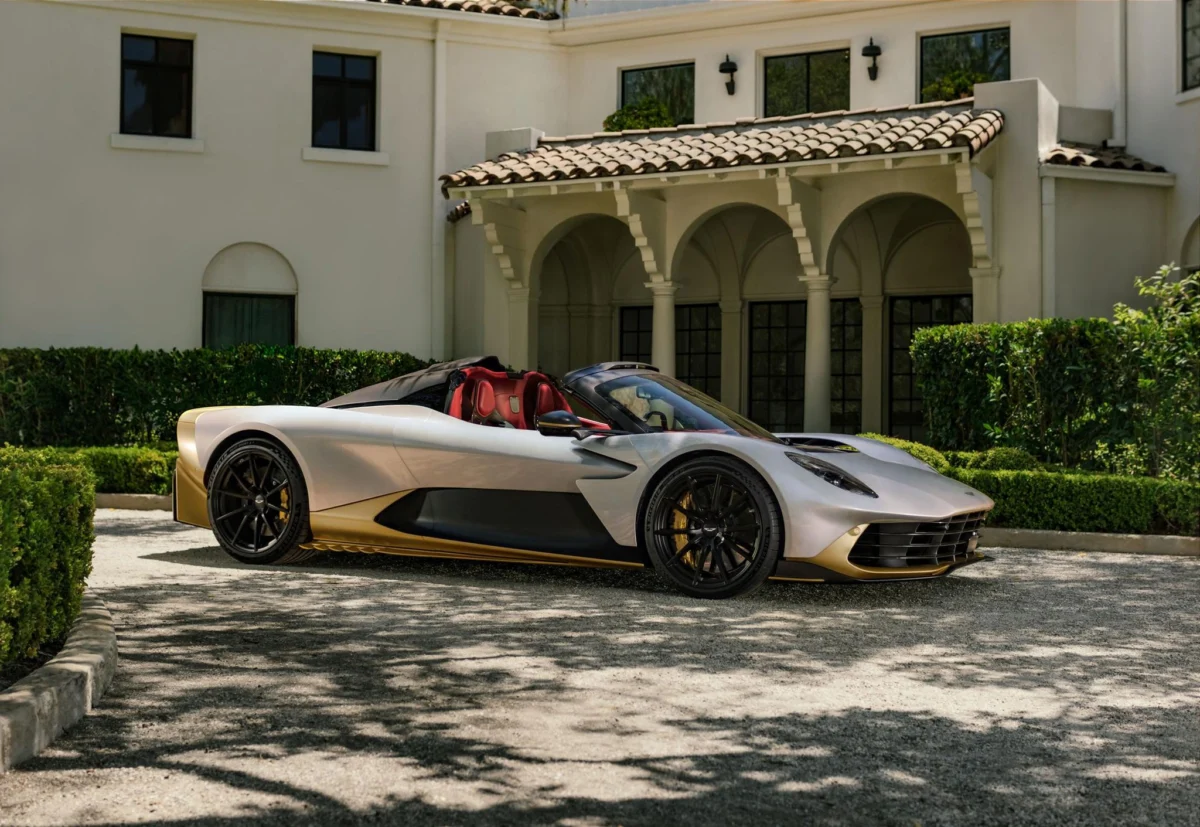
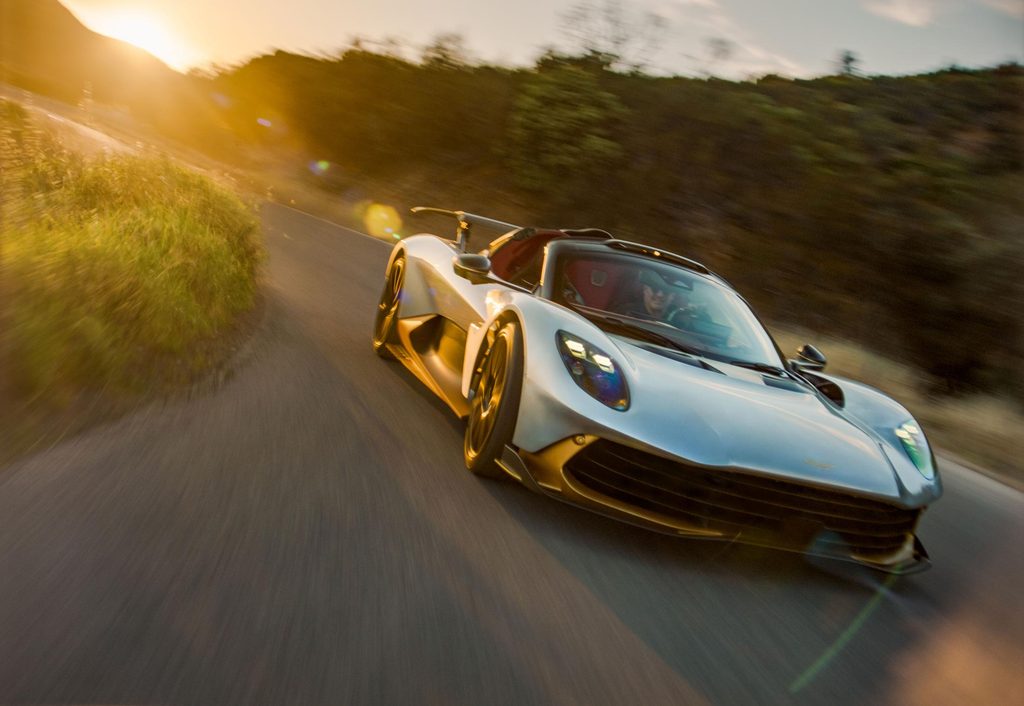
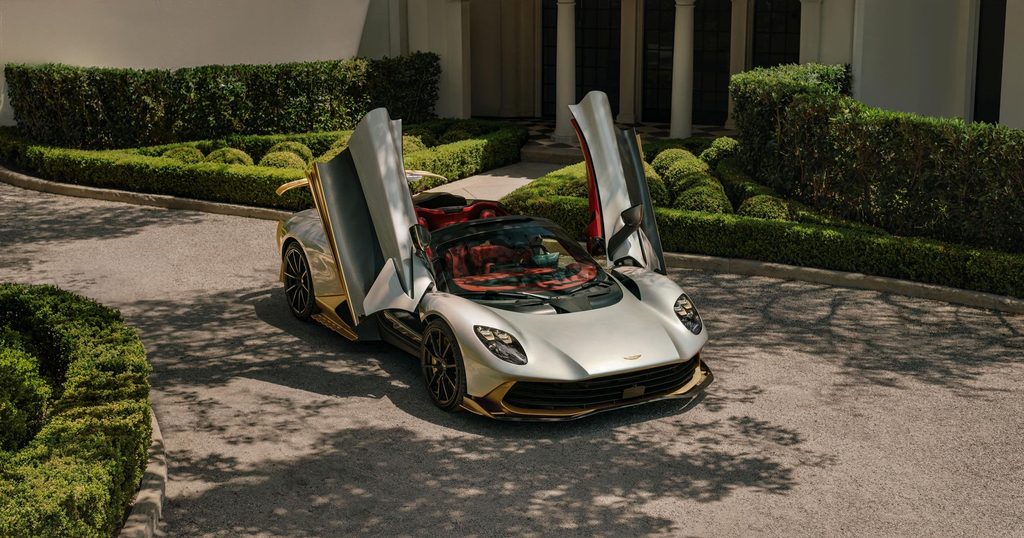
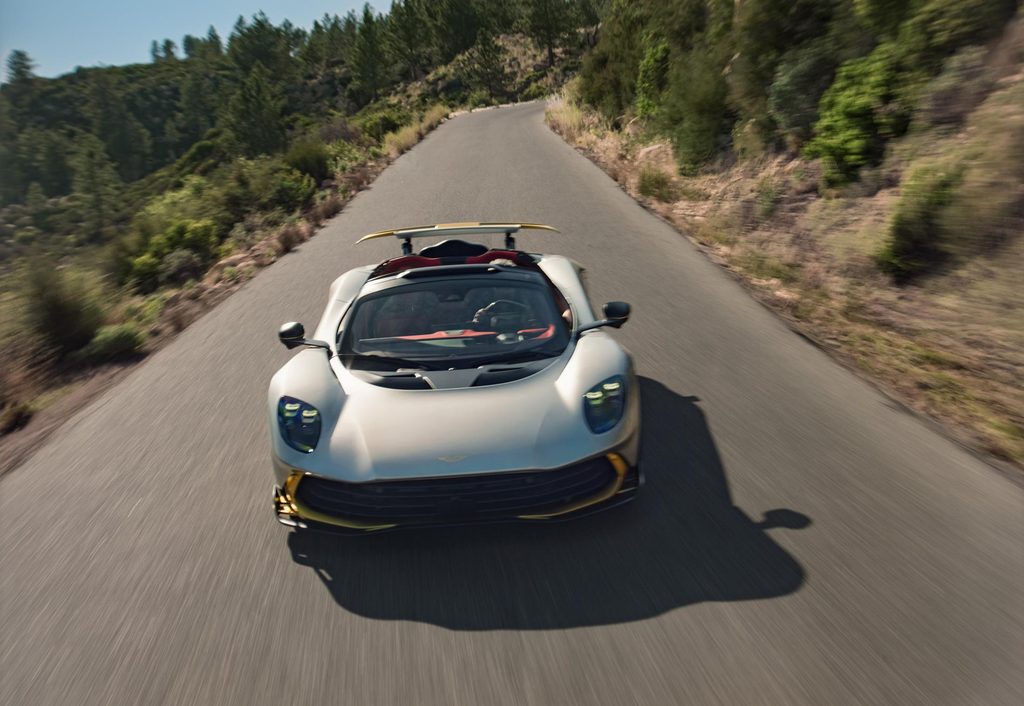
In a move that redefines the intersection of high-performance electrification and classic grand touring allure, Aston Martin has officially pulled the covers off the Valhalla Spider. This plug-in hybrid supercar, featuring a sophisticated mid-engine architecture, is a direct, open-top evolution of the acclaimed Valhalla coupe. Despite the structural challenges inherent in removing a fixed roof, the British manufacturer has managed to retain the staggering 1,079 horsepower output and a top speed of 350 km/h, signaling a new benchmark for the “super-convertible” segment.
The Technical Marvel: Core Performance Data
At the heart of the Valhalla Spider lies the same powerhouse found in its hard-top sibling. The drivetrain is a masterstroke of modern engineering: a 4.0-liter twin-turbocharged V8 engine, featuring a flat-plane crank—a configuration known for its high-revving characteristics and aggressive exhaust note—that serves as the foundation.
This internal combustion unit works in seamless harmony with three electric motors. Two of these motors are dedicated to the front axle, providing advanced torque vectoring, while the third is integrated into the eight-speed dual-clutch transmission to assist the rear wheels. The result is a combined output of 1,079 horsepower and a colossal 1,100 Nm of torque.
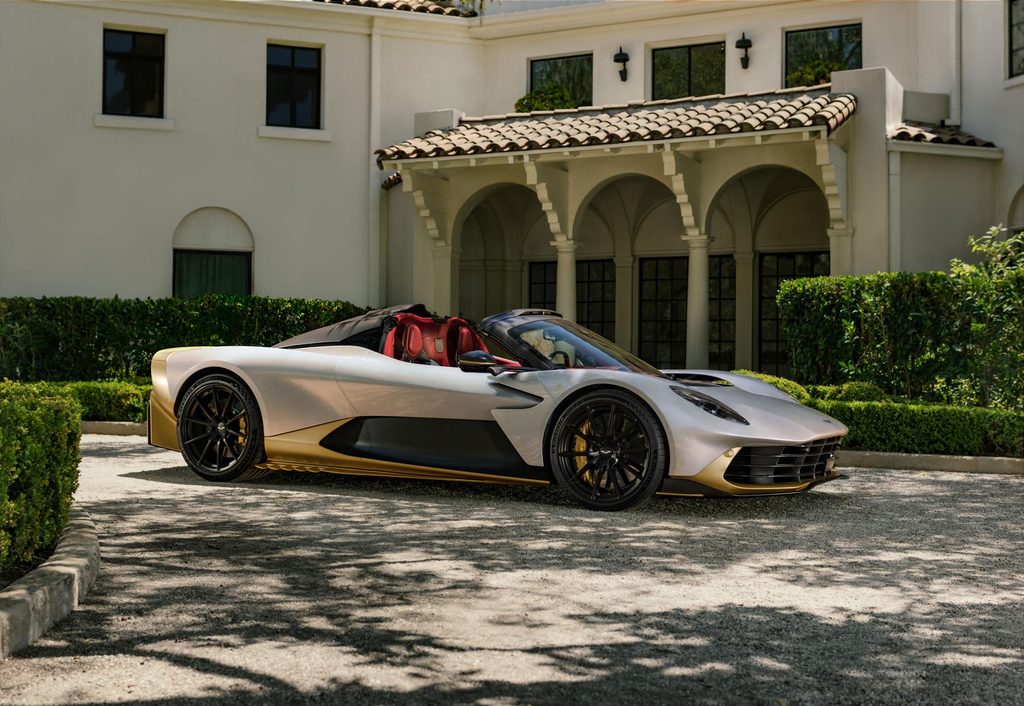
Aston Martin estimates that the sprint from 0 to 100 km/h will be achieved in just 2.5 seconds. While these figures remain provisional, they position the Valhalla Spider as one of the most formidable vehicles in the current market, regardless of whether the roof is deployed or stowed.
Chronology of Development and Arrival
The journey of the Valhalla Spider is deeply intertwined with the evolution of Aston Martin’s "Project Horizon" strategy.
- Initial Concept: The foundation was laid by the Valkyrie and the subsequent development of the Valhalla coupe, utilizing carbon fiber monocoque technology.
- Engineering Adaptation (2025): Throughout the past year, Aston Martin Performance Technologies—a division working in tandem with the Aston Martin Aramco Formula 1 team—refined the chassis to account for the lack of a fixed roof, focusing on torsional rigidity and aerodynamic stability.
- Global Debut (October 2026): The model made its world premiere at the exclusive Concours event at the Wynn Las Vegas, signaling the brand’s intent to capture the American luxury supercar market.
- Deliveries (Q3 2027): Production slots are currently being finalized, with the first vehicles expected to reach the hands of owners by the third quarter of 2027.
Aerodynamics and Structural Integrity: Beyond the "Chop"
Converting a high-downforce supercar into a Spider is rarely as simple as removing the roof. For the Valhalla, it required a fundamental re-engineering of the vehicle’s airflow management.
Managing the Elements
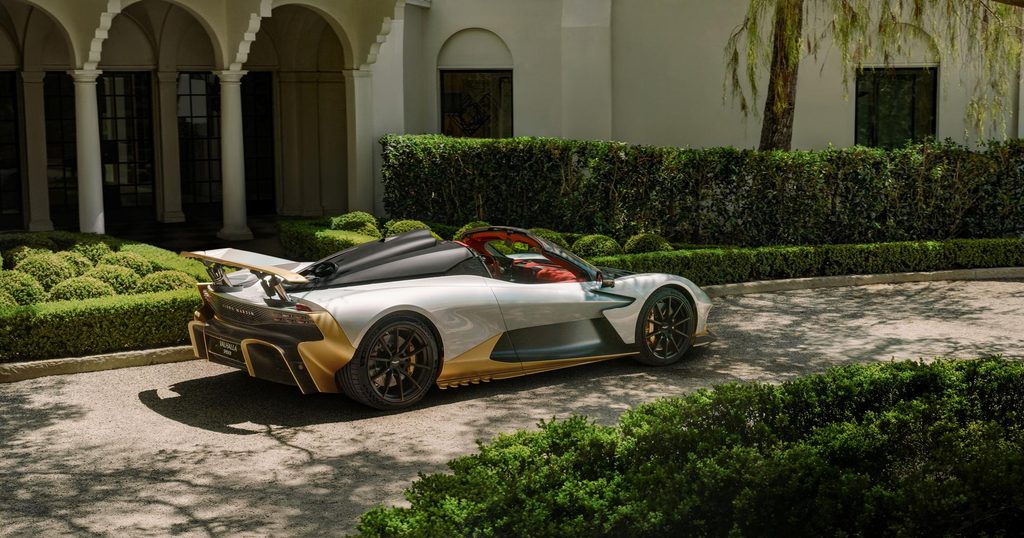
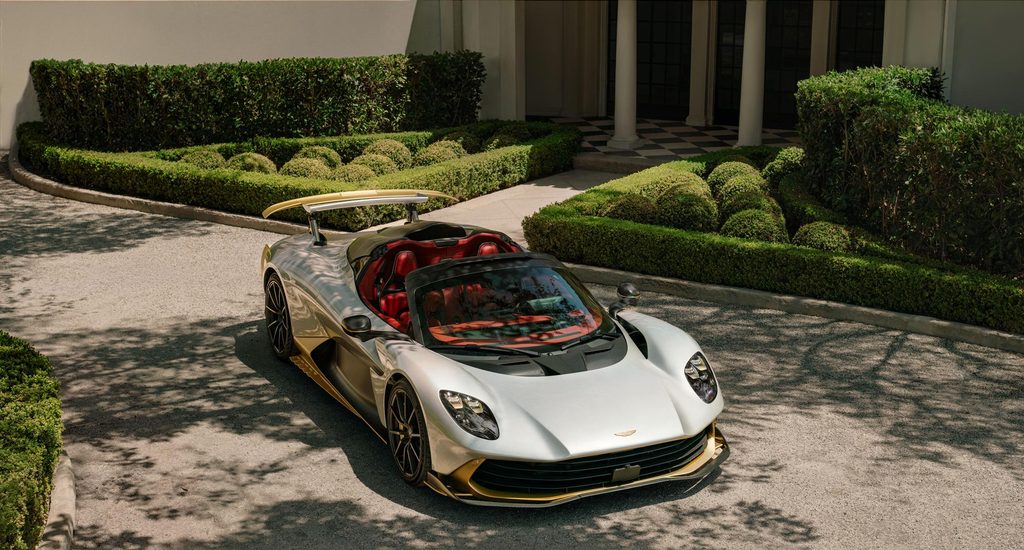
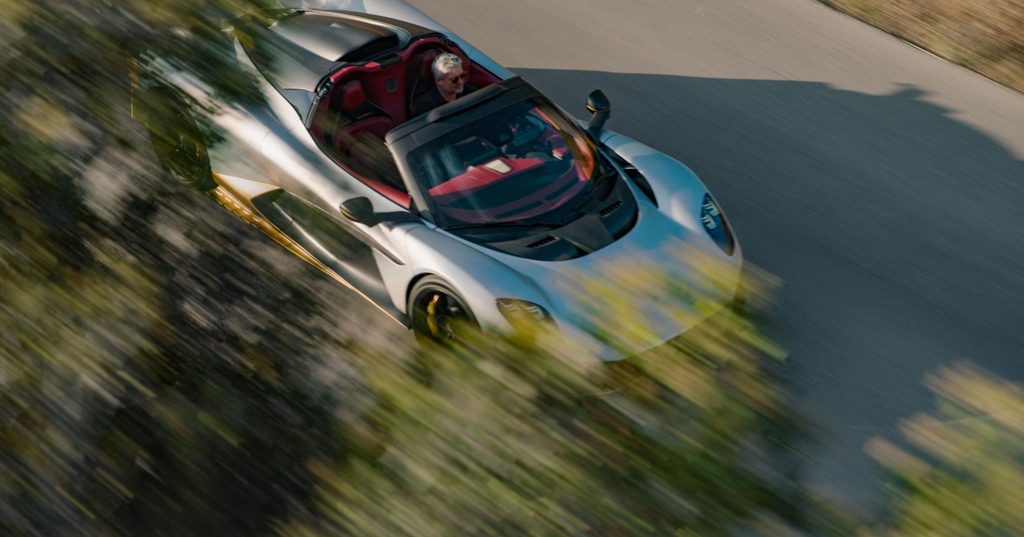
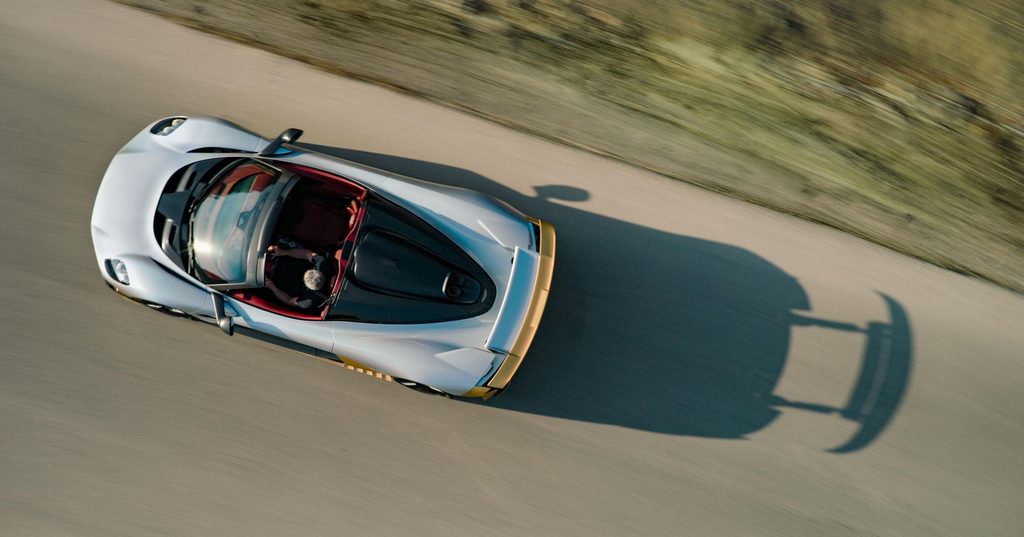
The Valhalla Spider comes standard with a removable black fabric roof. For owners who wish to maintain the car’s extreme aerodynamic profile, a dedicated carbon-fiber hard-top is available as an option. When the fabric roof is in place, the top speed is electronically limited to 200 km/h. However, when the hard-top is utilized, the full 350 km/h performance envelope is unlocked.
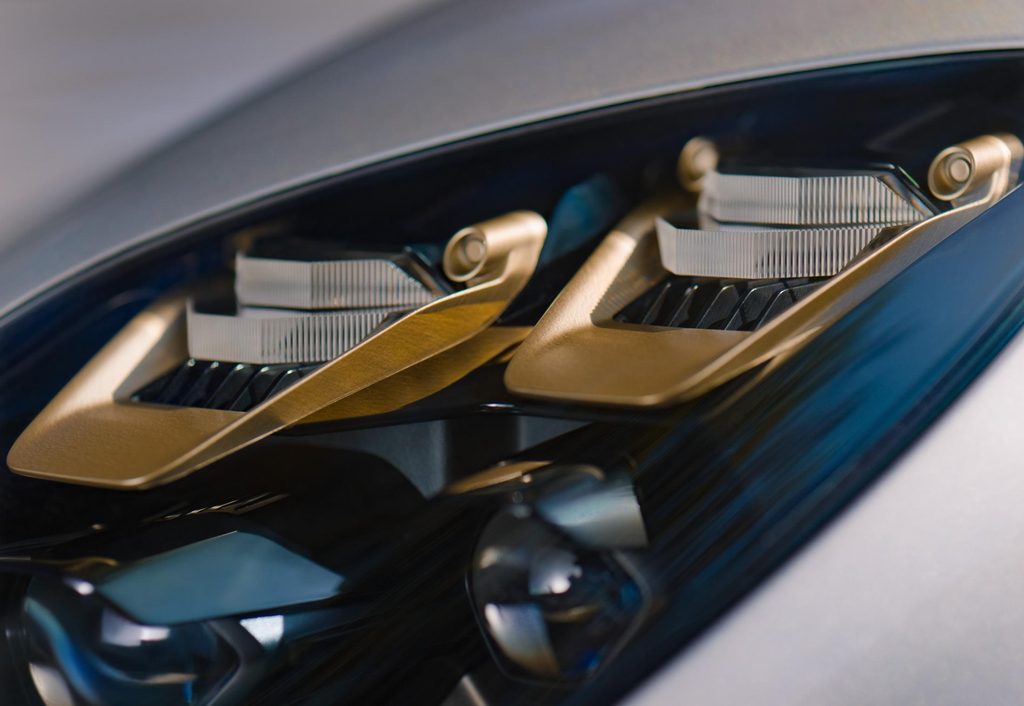
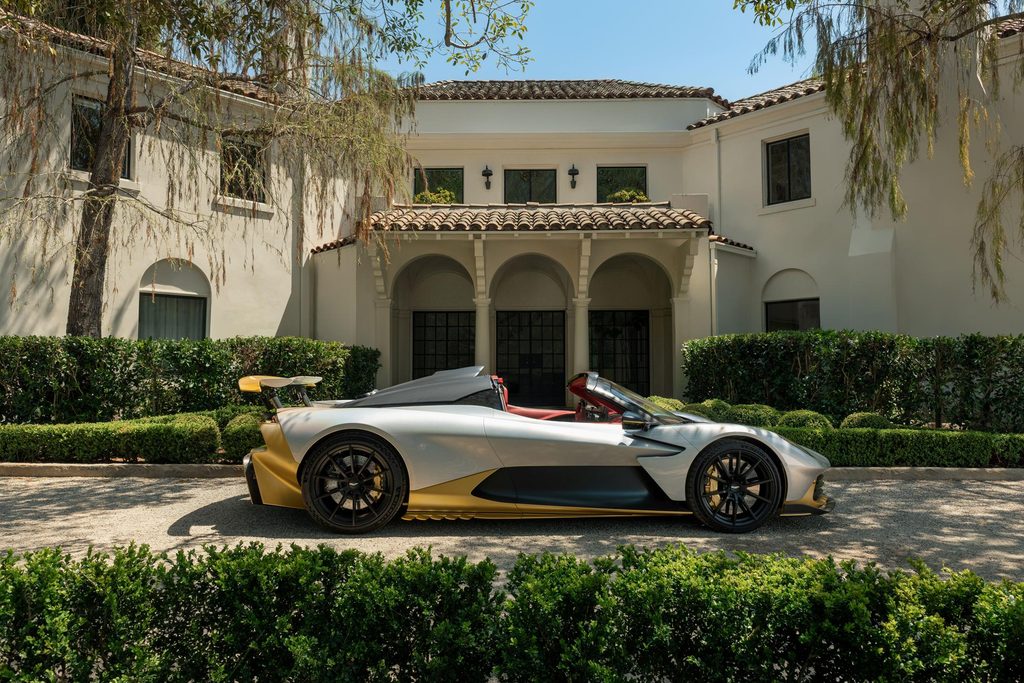
To ensure the comfort of passengers, Aston Martin has developed a specialized air deflector. This unit, which can be disassembled into three parts, stores neatly within 15-liter compartments integrated into the rocker panels. Furthermore, the air intake located behind the occupants has been raised by 35 mm compared to the coupe to optimize cooling and intake efficiency, despite the disrupted airflow caused by the open cabin.
Formula 1 Expertise
The collaboration with the F1 team proved critical in maintaining the car’s downforce. The Valhalla Spider produces over 600 kg of downforce at high speeds. The active aerodynamic elements—including the mobile wings and underbody flow management—have been recalibrated specifically to compensate for the different drag coefficients encountered when driving open-top. This ensures that the vehicle’s balance remains neutral, providing the driver with the same level of confidence at 300 km/h as one would find in the coupe.
The Chassis: A Fusion of Carbon and Aluminum
The vehicle’s architecture is centered around a bespoke carbon-fiber monocoque, which provides the necessary stiffness to allow for the removal of the roof without compromising handling precision. The front and rear subframes are constructed from lightweight aluminum.
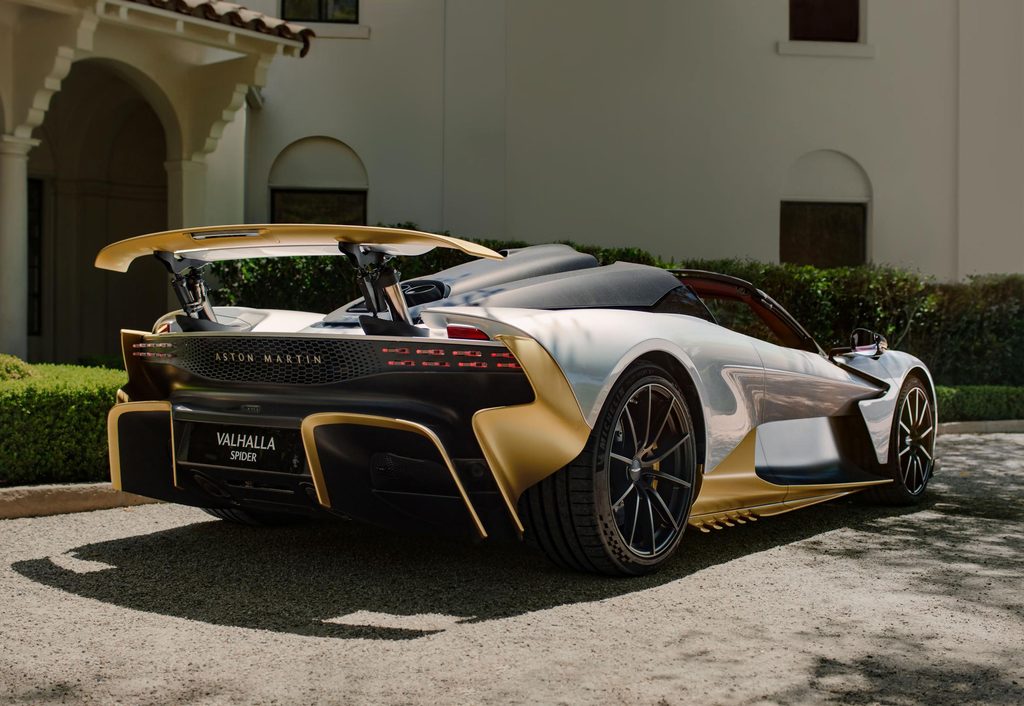
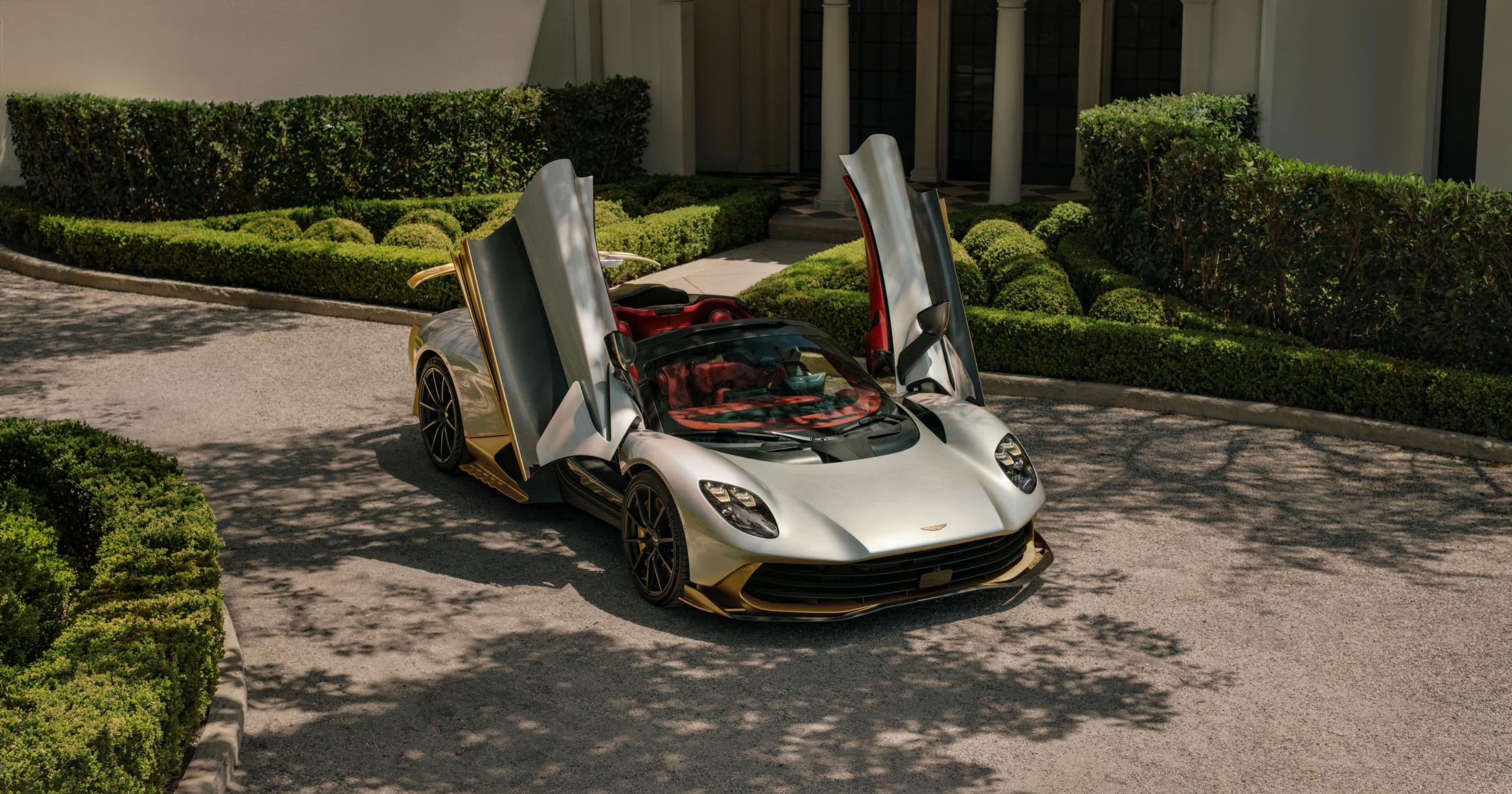
A notable design refinement is found in the dihedral “elytra” doors. While the signature upward-opening mechanism remains, the kinematics have been entirely revised to improve ease of entry. The doors now feature a frameless upper edge, providing a sleeker aesthetic and a more seamless transition between the body and the open sky.
Powertrain Dynamics: The Hybrid Advantage
The Valhalla Spider utilizes a sophisticated "no-link" all-wheel-drive system. Because the front and rear axles are not connected by a physical driveshaft, the integration of the drivetrain relies entirely on a centralized Vehicle Dynamic Control (VDC) system.
This system is the "brain" of the car, coordinating:
- The Engine and Transmission: Managing the 4.0L V8 and the triple electric motor array.
- Braking Systems: Optimizing regenerative braking to feed the battery.
- Active Suspension: Adjusting dampening in real-time to match road conditions.
- Aerodynamic Surfaces: Modifying the downforce profile to maintain grip during cornering.
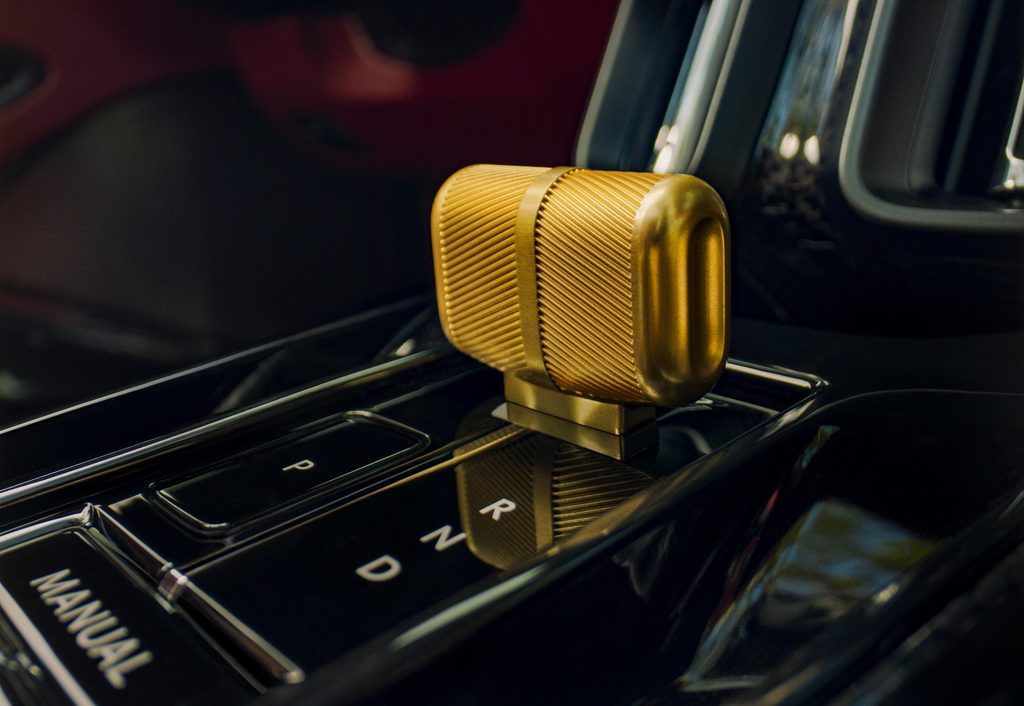
Drivers can choose between four distinct modes: Sport, Sport+, Race, and EV. The EV mode allows for silent, emission-free operation, transforming the supercar into a refined grand tourer suitable for urban environments.
Interior Comfort and Driver Ergonomics
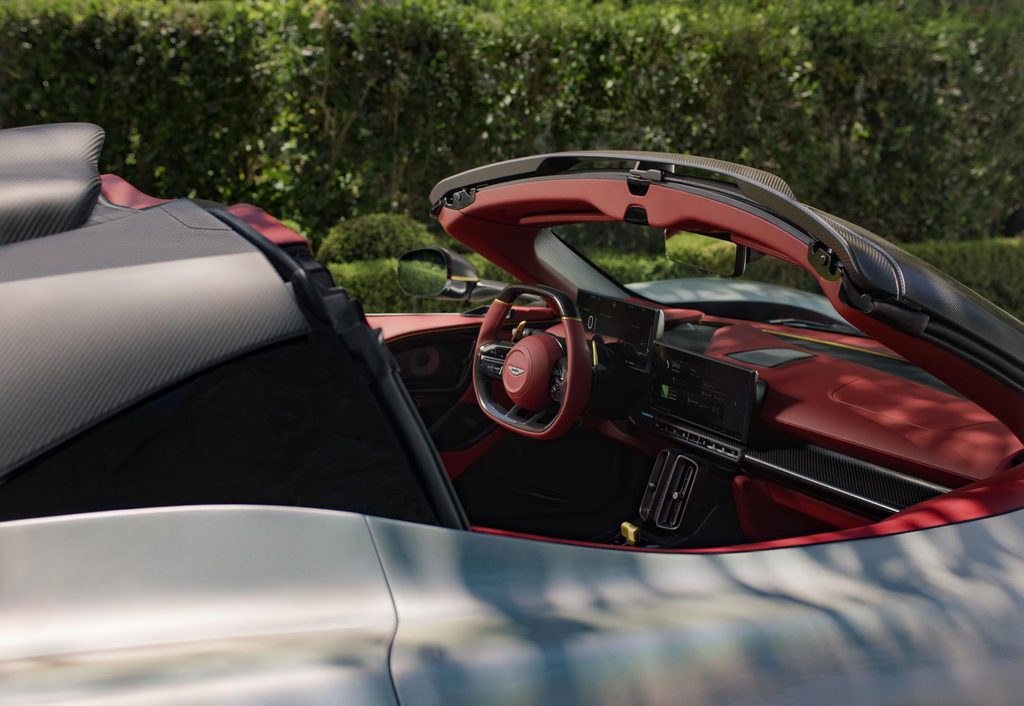
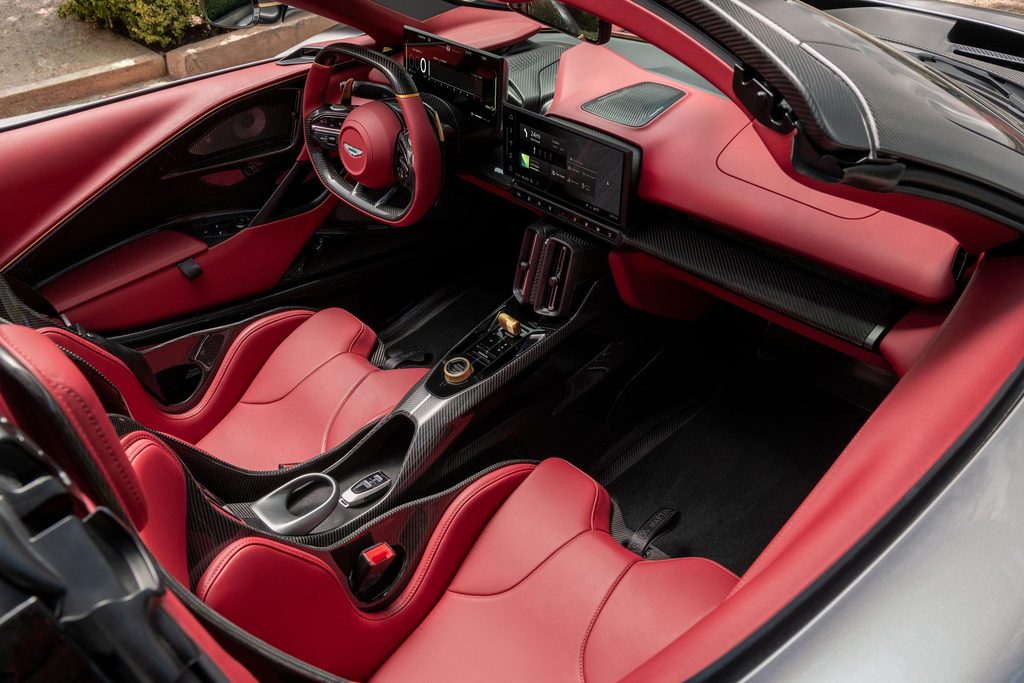
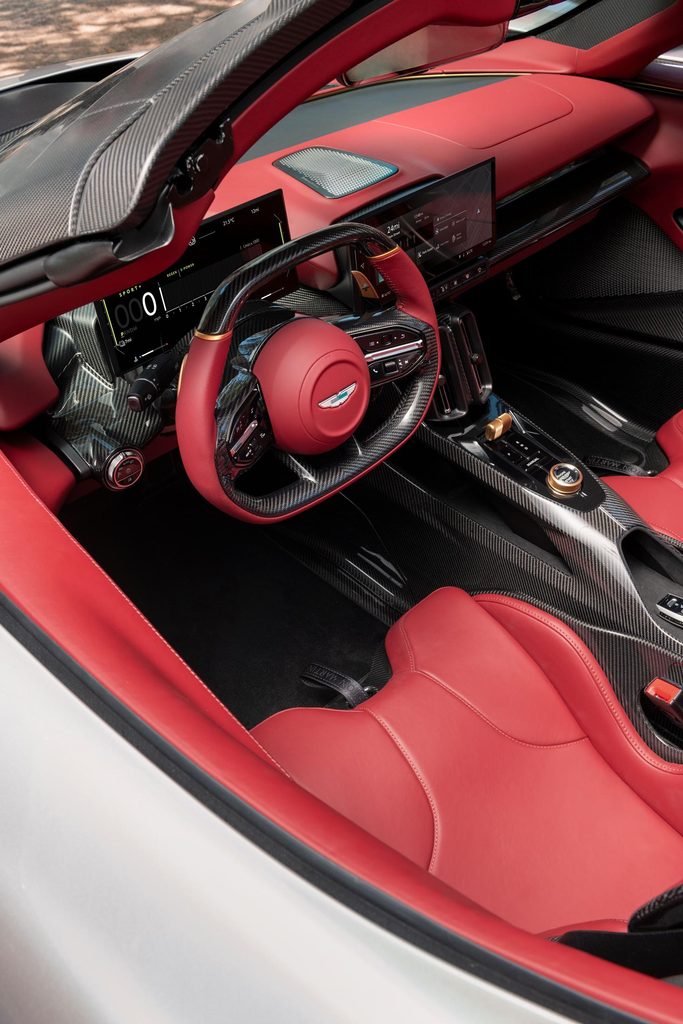
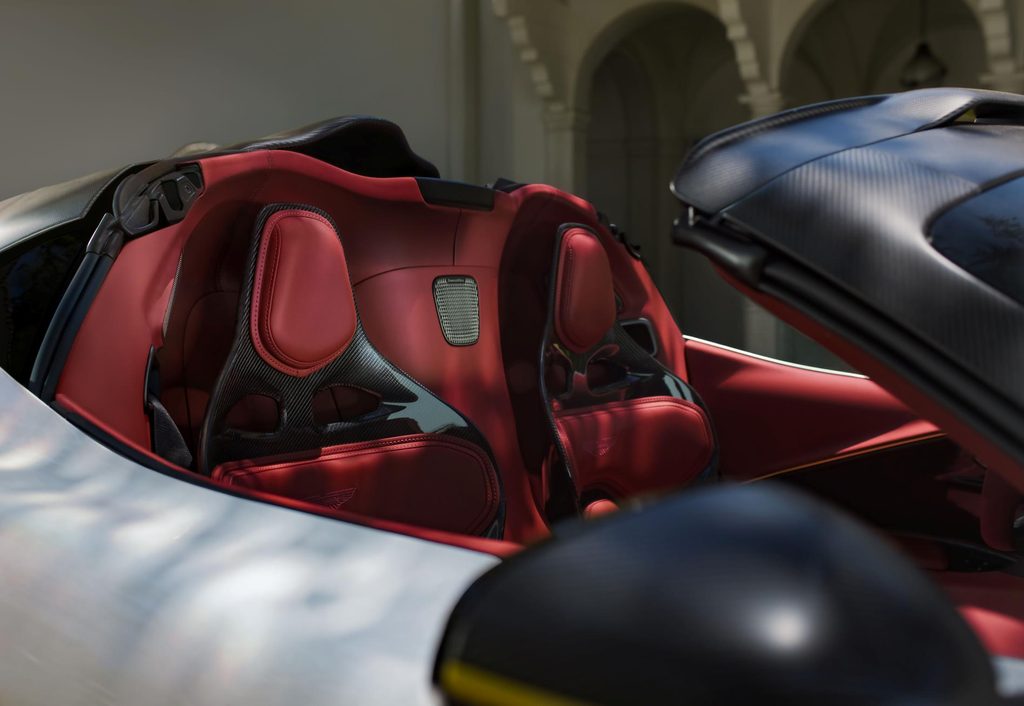
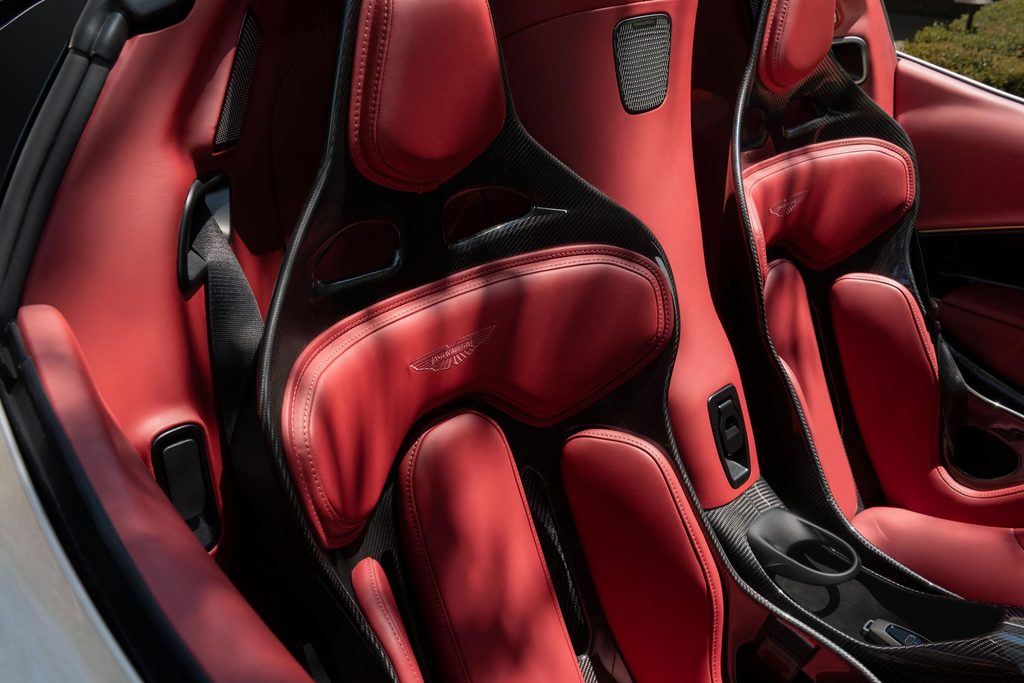
Recognizing that a Spider is often used for grand touring rather than just track performance, Aston Martin has introduced a new "Touring" carbon-fiber seat. Designed with a slightly different geometry than the aggressive track-focused buckets of the coupe, the Touring seat significantly improves ingress and egress. For those who prefer the original, more restrictive racing seat, Aston Martin offers the option to retain the coupe’s specification at no extra cost.
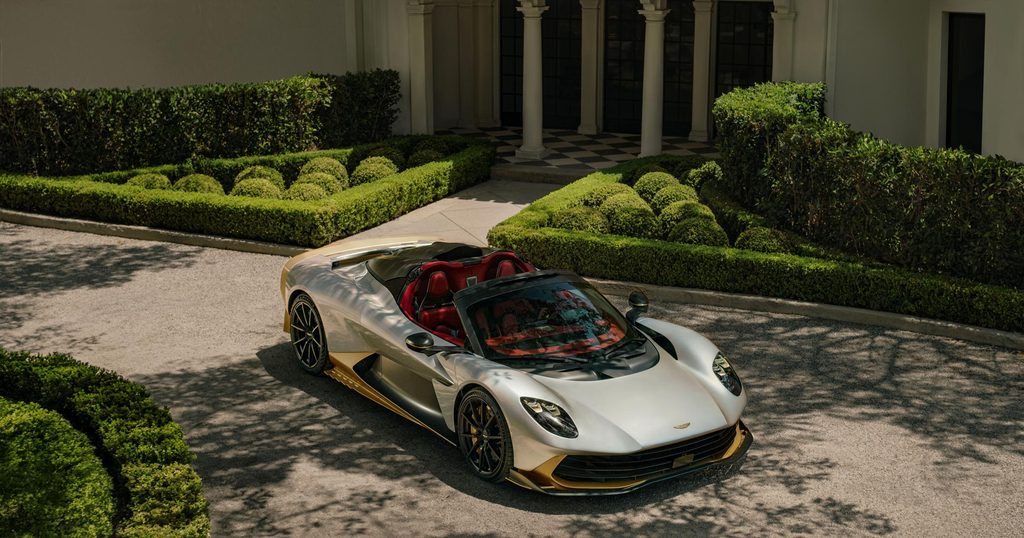
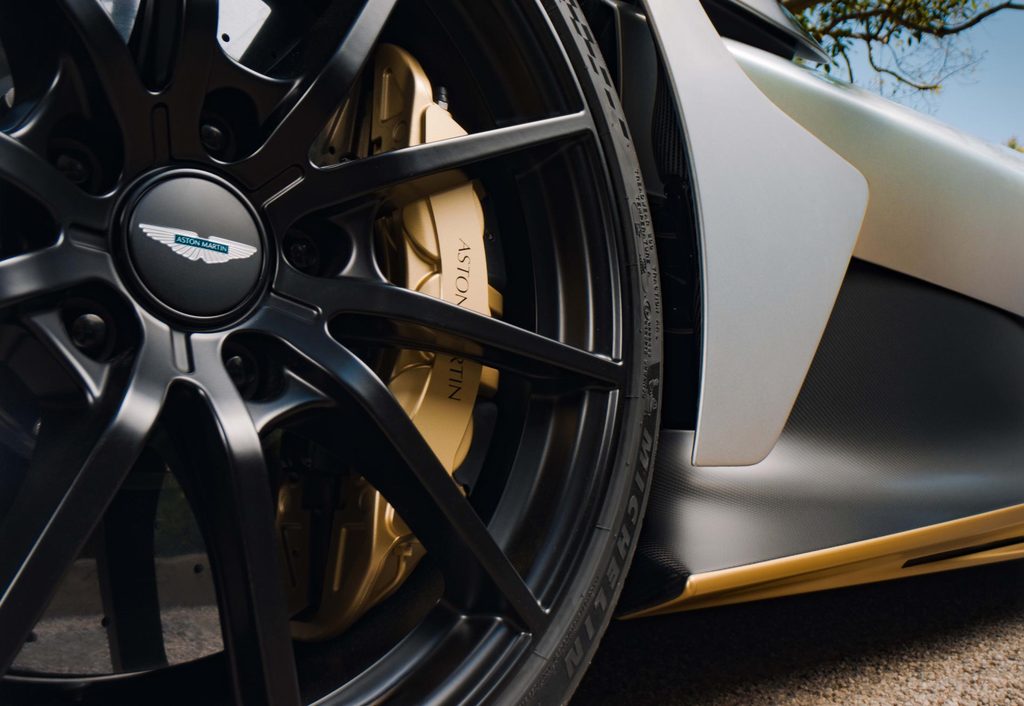
Stopping power is provided by high-performance carbon-ceramic brakes, housed behind forged alloy wheels—20 inches at the front and 21 inches at the rear—ensuring that the car’s unsprung mass is kept to a minimum.
Implications for the Supercar Market
The launch of the Valhalla Spider serves as a strategic marker for Aston Martin. By blending the raw, visceral experience of an open-top with the cutting-edge technology of a 1,079-hp hybrid, the brand is successfully distancing itself from the "traditional" supercar narrative.
The Prestige Factor
The choice of Las Vegas for the debut is telling. It highlights the target demographic: an elite tier of collectors who value exclusivity, brand heritage, and the ability to combine track-day performance with the social prestige of a convertible. The Valhalla Spider does not merely attempt to compete with rivals from Maranello or Sant’Agata Bolognese; it offers a distinctly British interpretation of luxury—one that balances the aggression of a fighter jet with the elegance of a classic roadster.
Future-Proofing the Brand
The use of a flat-plane crank V8 paired with hybrid technology suggests that Aston Martin is committed to preserving the "soul" of the combustion engine as long as possible. By integrating the electric components for performance rather than just efficiency, they have created a blueprint for the next generation of supercars that will likely define the late 2020s and early 2030s.
Conclusion: The Ultimate Open-Air Experience
The Aston Martin Valhalla Spider is a testament to the brand’s ability to iterate on excellence. It is rare to see a manufacturer successfully translate a high-downforce, mid-engine coupe into an open-top variant without sacrificing the car’s primary performance metrics. Through the use of advanced carbon-fiber engineering and deep-seated collaboration with their Formula 1 division, Aston Martin has ensured that the "Spider" suffix does not imply a compromise, but rather an evolution.
For the lucky few who will take delivery in 2027, the Valhalla Spider represents the pinnacle of what is possible when engineering rigor meets the freedom of the open road. It is a machine that asks for nothing and delivers everything, standing as a bold declaration that in the future of performance, the sky is, quite literally, the limit.