Opel STX Concept: Reimagining the Electric "Shooting Brake" for a New Era
Ali Ikhwan
October 28, 2026 • 7 MIN READ
Paris, France — October 13, 2026 — Amid the glittering lights, sensory overloads, and high-stakes debuts at the Mondial de l’Automobile in Paris, the German automaker Opel has managed to command the spotlight with a vehicle that refuses to blend into the electric crowd. The Opel STX Concept has arrived, and it is leaving virtually no one indifferent.
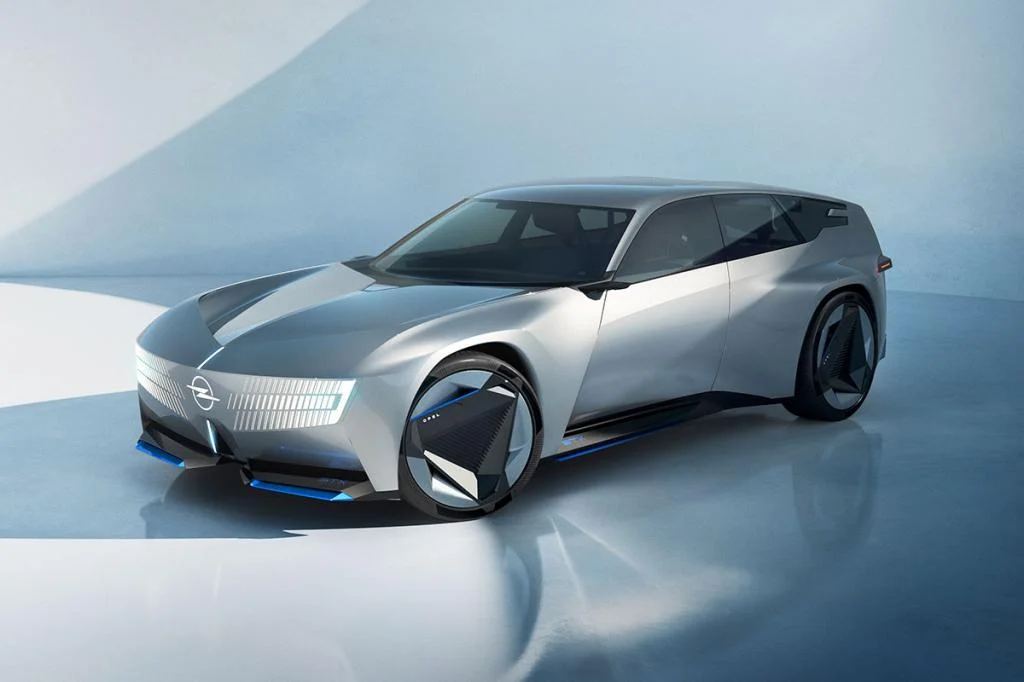
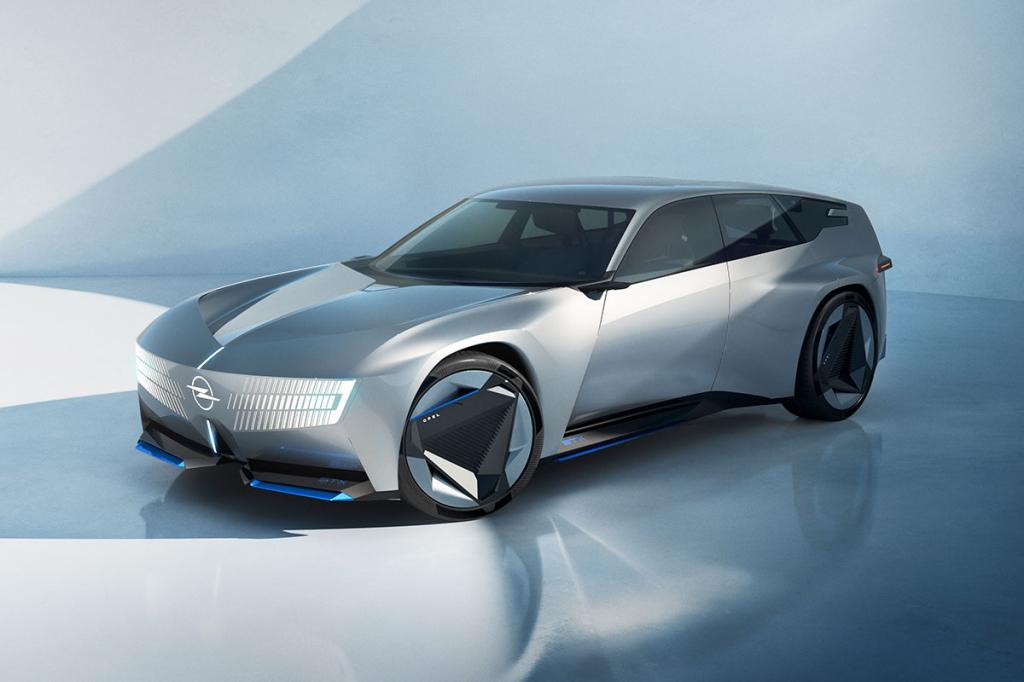
Boasting an elongated roofline, a brutally truncated rear end, and proportions that break sharply from contemporary automotive design tropes, the STX evokes the spirited heritage of classic "shooting brakes." For seasoned automotive aficionados, its daring silhouette immediately brings to mind modern reinterpretations of the legendary Ferrari 250 GT "Breadvan."
However, before the enthusiast community lets its imagination run entirely wild with dreams of an upcoming production hyper-wagon, Opel’s design executives are quick to interject with a dose of realism. The STX Concept is primarily a styling laboratory—a rolling canvas designed to illustrate the brand’s conceptual vision for the electric estate car of tomorrow. It is not an official confirmation of an impending production model, though industry insiders widely agree that it telegraphs the core design DNA of the next-generation Astra.
1. Main Facts: The Anatomy of the STX Concept
The nomenclature itself sets the stage: STX stands for Sports Tourer eXperimental. It is a clear mission statement for a concept vehicle that aims to reinvent the traditional family wagon through a lens heavily saturated with emotion, sculptural aggression, and uncompromising aerodynamic efficiency.
A Striking Evolution of the Opel Face
The STX serves as the rollout vehicle for a significant evolution of Opel’s corporate design language. The brand’s signature front fascia, known as the Opel Vizor, has been redrawn to be much more assertive, prominent, and vertically oriented. Framing the illuminated Blitz (lightning bolt) logo at the very center of the grille is an all-new lighting signature consisting of ultra-slim vertical light blades, giving the vehicle a piercing, futuristic gaze.
This design logic extends seamlessly to the rear. The tailgate is dominated by a retro-illuminated "OPEL" lettering block flanked by razor-thin, horizontal LED light strips. The overall impression is one of heightened sculptural depth and advanced technology—a notable leap forward from Opel’s current commercial lineup.
Dimensions and the Anti-SUV Manifesto
In a global automotive marketplace relentlessly dominated by tall, heavy, and bulky crossovers and SUVs, the STX Concept stands as a radical counter-statement. Its stretched roof, tightly pulled body panels, and sharply dropping rear profile distance it from the utilitarian family haulers of the past decade. Instead, it leans heavily into the realm of the grand touring sports wagon, proving that aerodynamic efficiency and emotional design do not have to be mutually exclusive.
2. Chronology: The Road to the Paris Motor Show
The unveiling of the STX Concept at the Paris Motor Show is the culmination of a deliberate, multi-year product and brand-positioning strategy by Opel.
August 2025 (The Digital Prelude): Opel establishes its renewed appetite for high-performance design exploration with the debut of the Corsa GSE Vision Gran Turismo concept ahead of the IAA Mobility show in Munich. While designed primarily for the virtual world of video gaming, it signals a cultural shift within the Rüsselsheim headquarters—performance and fun are returning to the brand’s lexicon.
May 2026 (Expanding the GSE Label): The brand announces the Corsa F GSE, marking the official return of the iconic GSE (Grand Sport Electric) badge to a compact production vehicle. This move demonstrates Opel’s commitment to pairing electrification with driver-focused dynamics.
September 2026 (The Sport-Line Expansion): Just weeks before the Paris exhibition, Opel unveils the Astra GSE Line, proving that its sporting aspirations are broad enough to encompass multiple powertrains and trim levels, bridging the gap between everyday practicality and enthusiast appeal.
October 13, 2026 (The World Premiere): The wraps finally come off the STX Concept in Paris. It acts as the physical nexus where Opel’s new EV architecture, aerodynamic innovations, and GSE-inspired emotional styling language collide.
3. Supporting Data & Engineering: High-Speed Efficiency
Beneath its dramatic, show-stopping proportions, the Opel STX Concept is underpinned by serious engineering objectives. In the world of electric vehicles, aerodynamic drag is the ultimate enemy of range. Opel claims the STX has been optimized not just to look fast while parked, but to cut through the air with surgical precision, enabling a targeted top speed exceeding 200 km/h (124 mph) without sacrificing precious battery range.
To achieve this, the concept integrates a suite of active aerodynamic solutions that dynamically alter the car’s exterior profile depending on driving conditions:
Deployable Rear Diffusers: Designed to manage low-pressure zones beneath the vehicle at high speeds, reducing aerodynamic drag and increasing rear-axle stability.
Active Wheel-Well Elements: Mobile flaps located immediately behind the wheels smooth out turbulent air masses generated by the rotating tires.
Three-Piece Aerodynamic Rims: Specially sculpted wheels that minimize air turbulence trapped in the wheel wells while optimizing brake cooling.
Active Airflow Management Vents: Intelligent shutters across the front fascia that open or close dynamically to balance cooling requirements with minimal drag coefficients.
4. Official Responses and Industry Reactions
Speaking on the sidelines of the Paris Motor Show, members of Opel’s design and engineering teams emphasized that the STX is an exploratory exercise in "emotional efficiency."
"With the STX Concept, we wanted to ask a fundamental question: What happens when you strip away the compromises of the traditional SUV and apply our purest electric architecture to a classic European silhouette?" noted a senior member of the Opel styling division. "The response in Paris has been overwhelming. People are hungry for cars that have a distinct silhouette, cars that evoke the romance of coachbuilt shooting brakes from decades past, yet are entirely zero-emission."
Industry analysts have praised Opel’s willingness to take risks. While the brand has historically been known for sensible, accessible family transportation, the past few years have seen a concerted effort to inject high-fashion German design—under the banner of "Bold and Pure"—into its portfolio. The STX represents the bleeding edge of that philosophy.
5. Implications: What the STX Means for Future Opel Lineups
As the dust settles on the Paris exhibition halls, enthusiasts are naturally left wondering: Will we ever see the STX on public roads?
The official corporate stance remains cautious. The Opel STX is not an immediate preview of a specific production car, and certain avant-garde styling elements—such as the extreme "Breadvan" truncated rear and the ultra-low ground clearance—are unlikely to survive the rigorous safety, manufacturing, and regulatory processes required for mass production.
However, automotive historians and product planners know that concept cars of this caliber are rarely designed in a vacuum. The design language introduced by the STX—particularly the vertical Vizor fascia, the minimalist lighting signatures, and the relentless focus on active aerodynamics—serves as a crystal-clear blueprint for upcoming production vehicles.
Most notably, industry observers widely anticipate that the design cues of the STX will heavily influence the next-generation Astra Sports Tourer Electric. At a time when legacy estate cars have been aggressively cannibalized by the relentless market share growth of crossovers and SUVs, Opel’s choice to place an emotional, high-tech wagon at the center of its brand showcase sends a powerful message.
Far from abandoning the traditional passenger car segments, Opel is actively working to make them desirable, efficient, and fiercely individualistic once again. If the STX Concept is any indication of what lies ahead, the future of the electric family car looks considerably less boring.