PARIS — As the French capital prepares to host one of the automotive world’s most anticipated gatherings, Renault Group has officially pulled back the curtain on its comprehensive strategy for the upcoming Mondial de l’Auto 2026. Bringing an impressive lineup of 50 vehicles and concepts spread across four distinct brand stands, the automotive conglomerate is positioning itself at the intersection of cutting-edge technological innovation, modern market practicality, and a deeply revered motorsport heritage.
For industry watchers, prospective buyers, and automotive enthusiasts alike, the exhibition promises a masterclass in how a legacy manufacturer plans to navigate the electric era while keeping its enthusiast soul alive. However, beneath the gleaming lights of the Paris Expo Porte de Versailles, stakeholders must navigate a carefully orchestrated blend of production-ready reality and visionary automotive fantasy.
Main Facts: The Renault Group Blueprint for Mondial de l’Auto 2026
When Renault Group opens its sprawling exhibition space in Hall 6 this October, the sheer scale of the operation will underscore the company’s domestic dominance and industrial resurgence. Anchored by four dedicated stands—representing Renault, Dacia, Alpine, and its commercial vehicle division, Renault Pro+—the group is orchestrating a unified corporate front on its home turf.
The Numbers That Matter
- Total Vehicles on Display: 50 vehicles and concepts.
- Total Official Novelties: 6 world premieres/major reveals.
- Concept Cars vs. Production Models: 4 concept vehicles and 2 production-oriented debuts.
- Exhibition Venue: Hall 6, Paris Expo Porte de Versailles.
The overarching narrative of Renault Group’s presentation is clear: technological innovation placed directly at the service of the customer. Yet, discerning visitors must approach the stand with a clear understanding of the automotive industry’s lexicon. Of the six headline novelties announced for the event, four are strictly concept cars.
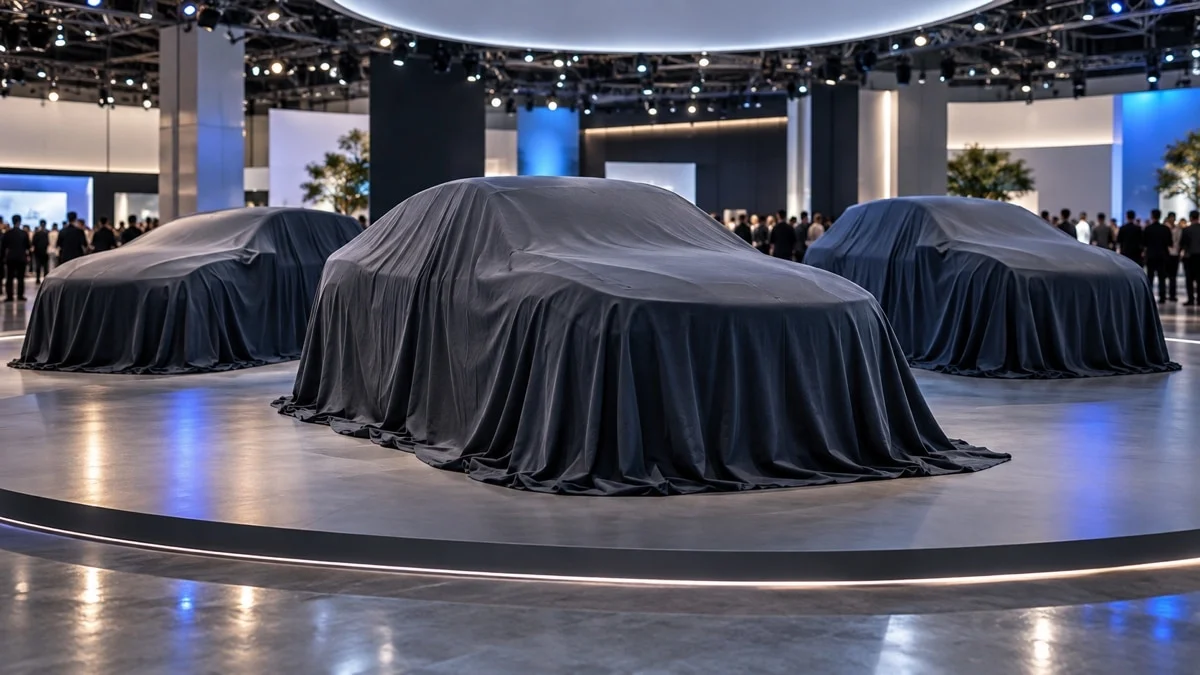
In automotive marketing, a concept car serves as an experimental canvas—a three-dimensional sketchpad used to test new design languages, pioneer software architectures, or explore futuristic packaging and alternative powertrains. Its presence on a prestigious auto show stand does not constitute a promise of serial production, nor does it mean order books will soon be open. For consumers eyeing their next driveway addition, distinguishing between a visionary design exercise and a commercially viable product remains paramount. Pricing, final specifications, trim levels, and definitive launch schedules are the metrics that matter for buyers, details that are rarely finalized during a concept’s initial debut phase.
Chronology and Event Schedule: A Packed Opening Day and Public Access
The rollout of news and access to the exhibition floor follows a tightly managed timeline, designed to maximize media impact before opening the floodgates to the general public.
Press Day: Monday, October 12, 2026
The global automotive press will descend upon Hall 6 on Monday, October 12, for a rapid-fire succession of manufacturer press conferences. Renault Group has synchronized its brands to deliver a morning of non-stop revelations:
- 08:30 AM: Renault brand press conference (featuring major product and concept unveilings).
- 09:00 AM: Dacia brand press conference (showcasing value-driven innovation and rugged mobility).
- 09:20 AM: Alpine brand press conference (highlighting high-performance electric sports car developments).
Public Exhibition Days: October 13 – October 18, 2026
Following the exclusive press and VIP preview day, the Mondial de l’Auto 2026 opens its doors to everyday enthusiasts and families. Visitors planning a trip to the Porte de Versailles must take careful note of the operational hours, which include late-night openings (nocturnes) to accommodate weekend crowds:
| Day of the Week | Operational Hours | Special Notes |
|---|---|---|
| Tuesday, October 13 – Thursday, October 15 | 09:30 AM – 08:00 PM | Standard weekday access |
| Friday, October 16 | 09:30 AM – 10:00 PM | Extended evening hours (Nocturne) |
| Saturday, October 17 | 09:00 AM – 10:00 PM | Extended weekend hours (Nocturne) |
| Sunday, October 18 | 09:00 AM – 06:30 PM | Closing day of the exhibition |
Operational Note: Final visitor access to the exhibition halls is strictly enforced one hour prior to closing time.
Supporting Data and Spotlight: The Renault 8 Gordini Concept
While the corporate announcements outline a broad spectrum of future mobility, one specific vehicle has already captured the collective imagination of the automotive press: the Renault 8 Gordini Concept.
Initially unveiled just ahead of the official group briefing, this striking creation is confirmed to take center stage on the main Renault stand, serving as a bridge between the golden age of French motorsport and the zero-emission future.
Marrying Heritage with Modern Electrons
The Renault 8 Gordini Concept is far more than a nostalgic nod; it is a bold statement of intent. Renault’s design and engineering teams have reimagined the legendary rear-engine, rear-wheel-drive layout of the historic 1960s icon through a thoroughly modern, battery-electric lens.
Key specifications of the concept include:
- Powertrain: Purely electric, rear-wheel-drive architecture.
- Performance: An impressive output of 270 horsepower.
- Design Language: A low-slung, exceptionally wide stance that reinterprets classic Gordini proportions, infused with aggressive, track-inspired aerodynamics.
The Reality Check: Heritage vs. Production
Despite the enthusiasm surrounding the R8 Gordini Concept, Renault has been careful to frame the vehicle strictly as a design exercise. It is a celebration of corporate heritage—an exploration of how historical emotional triggers can be translated into the electric paradigm.
Automotive analysts point out that while retro-futuristic designs generate immense foot traffic and social media engagement, they do not always translate into assembly line realities. Visitors should view the R8 Gordini Concept as an artistic manifestation of Renault’s passion for driving dynamics, rather than a precursor to a production sports car you can order at your local dealership next spring.
Official Responses and Corporate Strategy
Renault Group’s leadership is utilizing the 2026 Mondial de l’Auto to project stability, adaptability, and technological leadership in a rapidly shifting European automotive landscape.
By maintaining four distinct brand identities within Hall 6, the group emphasizes its multi-brand strategy:
- Renault: Spearheading the mainstream transition to electrification while leveraging emotional designs and software-defined vehicle ecosystems.
- Dacia: Continuing its disruptive role in the automotive market by proving that affordable, no-nonsense mobility does not require sacrificing modern styling or functional durability.
- Alpine: Serving as the technological lighthouse for the group, pushing the boundaries of high-performance electric vehicles and lightweight engineering.
- Renault Pro+: Addressing the critical B2B market, showcasing tailored commercial vehicle solutions designed to meet the rigorous decarbonization demands of modern urban fleets.
In official statements released by the group, executives stress that the primary objective of the 2026 showcase is direct customer engagement. By displaying 50 vehicles—ranging from hyper-futuristic concept studies to high-volume commercial offerings—Renault Group aims to demystify the technological transition currently underway in the European Union.
Implications: What the 2026 Showcase Means for Consumers and the Industry
The gathering at Porte de Versailles in October 2026 arrives at a critical juncture for the European automotive sector. Manufacturers are grappling with stringent emissions targets, shifting consumer adoption rates for electric vehicles, and intense global competition, particularly from Asian EV manufacturers.
For the Prospective Car Buyer
For everyday consumers visiting the Mondial de l’Auto, navigating the exhibition requires a pragmatic mindset. The line between marketing spectacle and market reality has rarely been thinner.
- Manage Expectations: When marveling at the four concept cars on display, visitors must remember that these are laboratories of ideas. They test public reaction to radical interiors, avant-garde lighting signatures, and unproven interface technologies.
- Focus on Real-World Metrics: Real purchasing decisions should be reserved for vehicles with confirmed pricing, homologated range figures, and definitive order timelines.
For the Broader Automotive Industry
Renault Group’s strategy at the 2026 show highlights a broader industry trend: the weaponization of heritage. As electric powertrains risk homogenizing the driving experience—turning cars into seemingly interchangeable digital appliances—manufacturers are desperately searching for emotional differentiators. By reviving legendary nameplates like Gordini through electric concepts, Renault is attempting to inject soul, history, and narrative depth into the cold mechanics of battery-electric mobility.
Ultimately, the 2026 Mondial de l’Auto will serve as a litmus test for the French automotive giant. It will demonstrate whether Renault Group can successfully balance the financial necessities of mass-market production with the wild, imaginative flights of fancy that have defined French automotive culture for over a century. Whether visitors come to inspect utilitarian family haulers on the Dacia stand, explore commercial fleets with Renault Pro+, or dream of electric track days with Alpine and the R8 Gordini Concept, October in Paris promises an unforgettable panoramic view of tomorrow’s roads.