

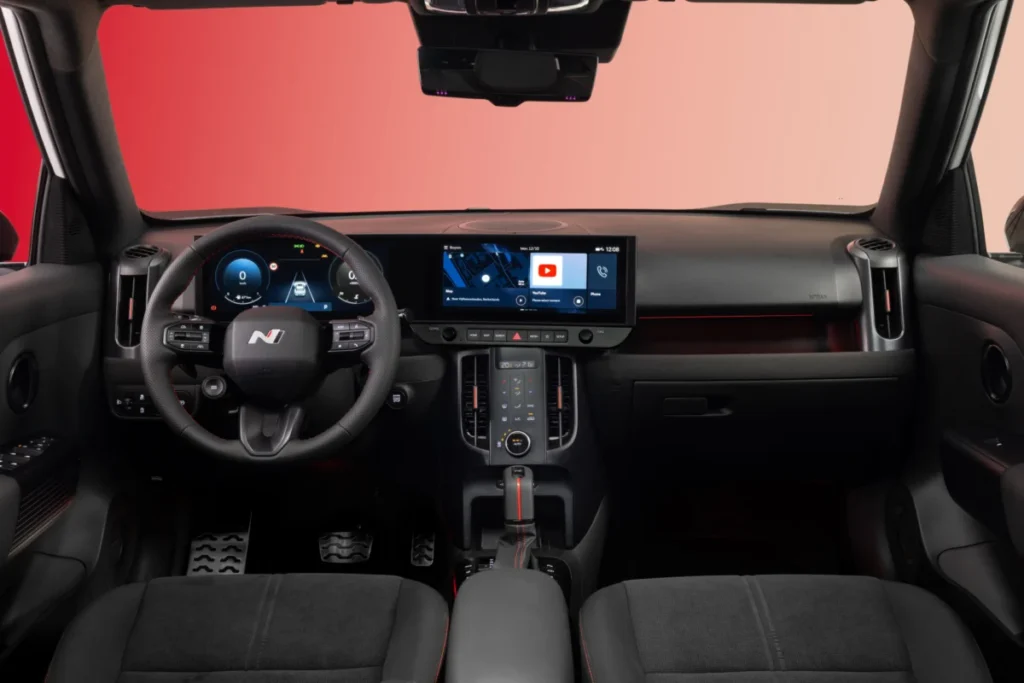
If there is ever a transformation that truly deserves the cliché "night and day" comparison, it is the generational shift of the Hyundai Bayon. For its 2027 iteration, Hyundai has injected a substantial dose of testosterone into its B-segment contender, effectively solving two persistent criticisms of its predecessor: a lack of distinct personality and an ambiguous design language. With the 2027 Bayon, Hyundai has finally traded the previous, somewhat sterile aesthetic for a bold, muscular stance that demands attention.
Main Facts: A Bold New Identity
The most immediate takeaway from the 2027 Hyundai Bayon is its visual presence. The car has shed its "in-between" identity—that awkward middle ground between a hatchback, a crossover, and a traditional SUV—to firmly embrace its role as a dedicated SUV. It stands tall, exuding an aura of ruggedness that, while intended primarily for the asphalt, provides the aesthetic satisfaction that the modern buyer craves.
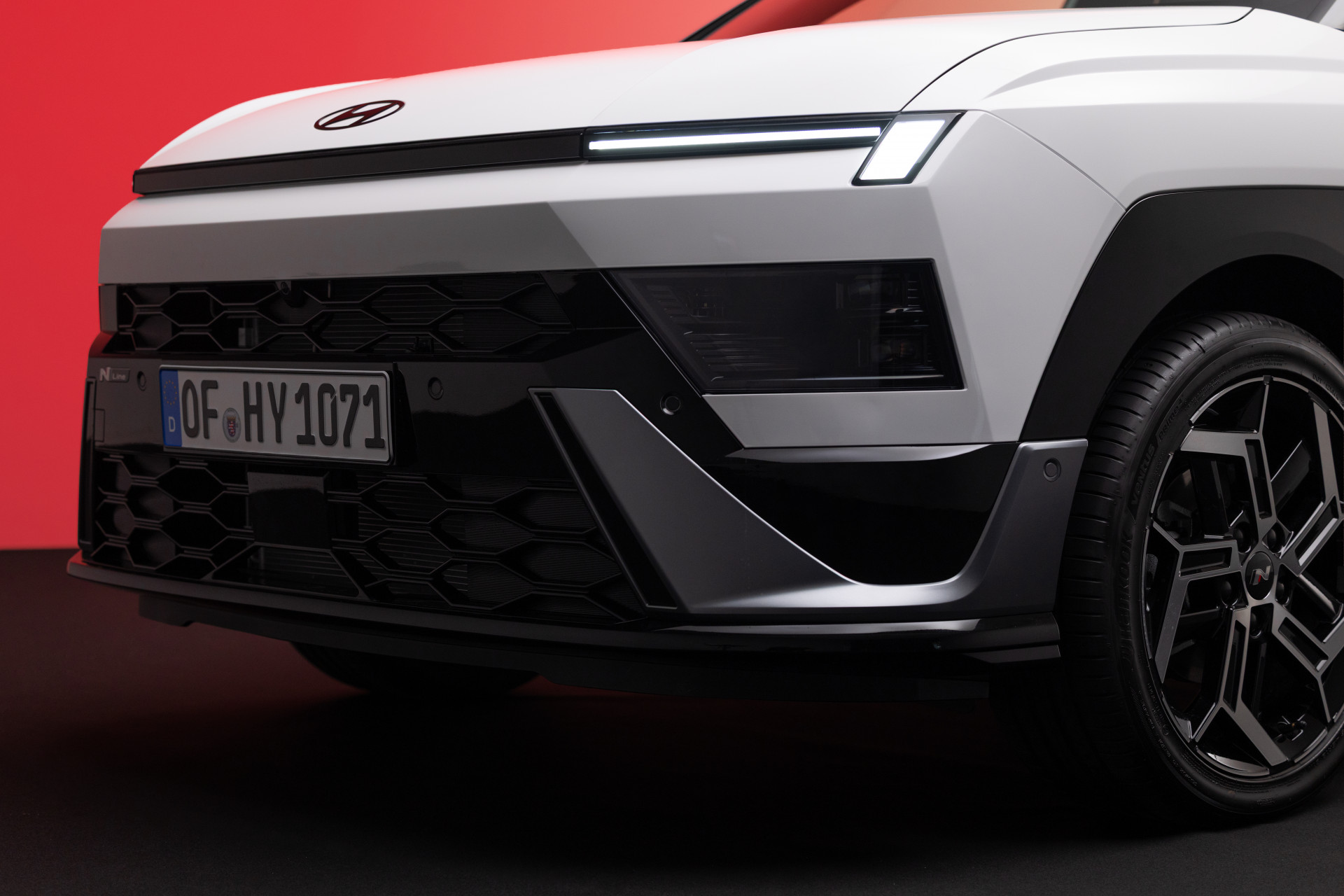
This new design philosophy, dubbed "Art of Steel," brings the Bayon in line with the brand’s larger, more aggressive Tucson. However, Hyundai has been careful to manage expectations regarding this shared lineage. While the design language is familial, the Bayon remains a distinct entity, purposefully avoiding the technological bloat and dimensions of its larger stablemates to retain its agility and accessible price point.
Chronology of the Transformation
The evolution of the Bayon did not happen overnight. Since its inception, the model served as a bridge for Hyundai between the compact i20 hatchback and the Kona. However, market research conducted between 2024 and 2026 revealed that customers were yearning for a more pronounced "SUV feel."
- Early 2026: Initial prototypes were spotted testing, showing a wider, more aggressive grille and a redesigned lighting signature.
- Late 2026: Hyundai officially teased the "Art of Steel" design language for the B-segment, signaling that the Bayon would lead the charge in smaller, more muscular silhouettes.
- Q1 2027: The official unveiling took place, confirming the move to a more upright design while maintaining the core dimensions that made the original Bayon a parking-lot favorite.
- Autumn 2027 (Scheduled): The introduction of the long-awaited full hybrid (HEV) powertrain, marking the most significant mechanical shift in the car’s short history.
Supporting Data: Dimensions, Tech, and Utility
Despite the dramatic redesign, Hyundai has opted for a "steady-state" approach to the vehicle’s footprint. The 2027 Bayon retains dimensions nearly identical to its predecessor. For the engineers, this was a strategic choice; the previous chassis already offered class-leading interior space, particularly for adult passengers.
The Interior Experience
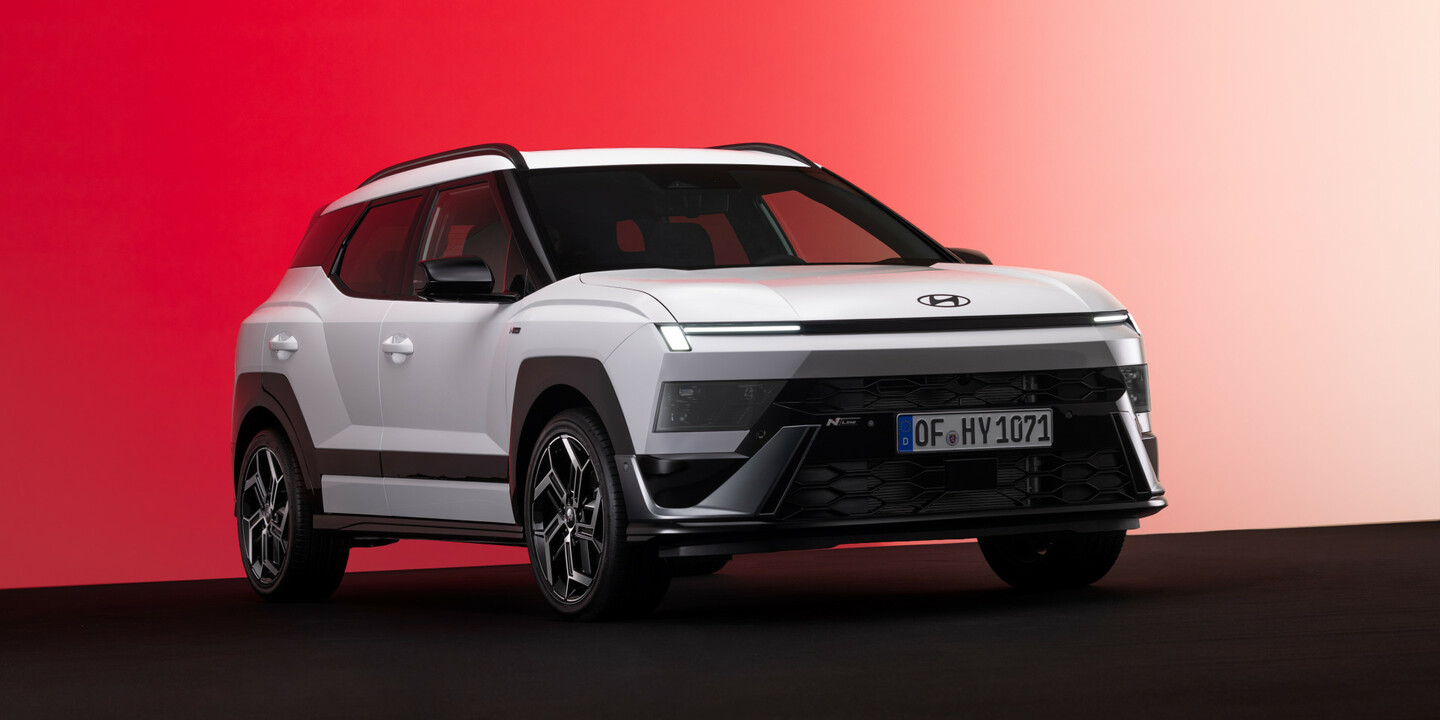
Inside, the Bayon avoids the experimental pitfalls of "over-digitization." While the larger Tucson has moved toward the advanced Pleos Connect architecture, the Bayon retains the reliable and highly functional CCnC (Connected Car Navigation Cockpit) system.
- Display: Twin 12.3-inch screens dominate the dashboard, providing crisp visuals and intuitive navigation.
- Ergonomics: In a world where tactile buttons are rapidly disappearing, Hyundai has made the refreshing decision to retain physical controls for primary functions. This ensures that drivers can adjust climate and audio settings without diving into sub-menus—a win for both safety and user experience.
- Rear Comfort: Thanks to a clever repositioning of the rear bench, the 2027 model offers a noticeable increase in legroom. Furthermore, responding to feedback, Hyundai has made heated rear seats an available option, a feature rarely found in the B-segment.
Official Responses and Strategic Positioning
Hyundai’s strategy with the 2027 Bayon is one of "focused evolution." In internal briefings, company representatives emphasized that they had no intention of turning the Bayon into an off-roader. "The goal was never to conquer the mud," a company spokesperson noted. "The goal was to provide the confidence and style of a high-riding vehicle in an urban environment where visibility and presence are everything."
The decision to exclude the latest high-end electronic suites from the Tucson was not a cost-cutting measure alone; it was a move to keep the Bayon accessible. By keeping the tech robust but not overly complex, Hyundai maintains the Bayon’s position as the entry-point to its SUV lineup.
The Powertrain Landscape
The engine lineup remains a testament to the success of the 1.0 T-GDi unit, which continues to be the workhorse of the range.
Current Offerings:
- 1.0 T-GDi (90 hp): The efficient, entry-level choice, ideal for city commuting.
- 1.0 T-GDi (115 hp): A peppier option for those who do more highway driving.
- Transmission: Buyers can choose between a crisp 6-speed manual or a 7-speed dual-clutch transmission (DCT), catering to both enthusiasts and those who prefer the ease of automatic shifting in stop-and-go traffic.
The Future: The Hybrid Arrival
The most significant update arrives in the autumn of 2027. Hyundai will introduce a 1.6-liter hybrid powertrain, which will be the first of its kind for the Bayon. Expected to output a combined 138 hp, this HEV variant will bridge the gap between traditional combustion engines and the fully electric models in the Hyundai catalog. While details remain sparse, the introduction of this engine confirms that Hyundai is committed to electrification without forcing a fully battery-electric (BEV) architecture on a vehicle where it might compromise trunk space or price competitiveness.
Implications for the Market
The 2027 Bayon signals a broader trend in the automotive industry: the "normalization" of the crossover. Manufacturers are moving away from trying to make these cars "do everything" and are instead focusing on what the market actually buys: a car that looks like an SUV, feels like a hatch to drive, and offers the tech that everyday users actually need.
The Competitive Edge
By maintaining physical buttons and a familiar, reliable infotainment system, Hyundai is positioning the Bayon as the "rational choice." In a market segment flooded with overly complex tablets-on-wheels, the Bayon stands out by being predictable. For the target demographic—young families, urban professionals, and downsizing retirees—this is a significant selling point.
The "Art of Steel" Legacy
The adoption of the "Art of Steel" design language across the lineup, from the Bayon to the Tucson, creates a cohesive brand identity that strengthens Hyundai’s market position. The 2027 Bayon is no longer a peripheral model; it is a core pillar of the brand’s design identity.
Conclusion
The 2027 Hyundai Bayon is a rare example of a manufacturer listening intently to its customers. It recognized that the previous model, while capable, lacked the emotional appeal of its competitors. By sharpening the design, maximizing the existing interior space, and preparing a hybrid future, Hyundai has turned a "good enough" car into a compelling market leader. It proves that sometimes, the best way to move forward is to refine the familiar, inject it with a bit of "steel," and keep the driver’s daily experience at the center of the equation. Whether you are navigating tight city streets or cruising on a weekend getaway, the new Bayon is designed to look the part while delivering exactly what is promised: a reliable, stylish, and highly practical urban companion.
