

The Renault Twingo has long occupied a unique space in the automotive pantheon. Since its inception in 1993, the car has been defined by its cheeky personality, monobox design, and, perhaps most iconically, its massive canvas sunroof that effectively transformed the compact city car into a quasi-convertible. For enthusiasts of the original model, those early 1993-94 editions are now coveted collector’s items, celebrated for their ability to bring the outside world in with the flick of a latch.
As Renault pivots toward an all-electric future, the brand has resurrected the Twingo nameplate as a dedicated battery-electric vehicle (BEV). However, since the debut of the new Twingo E-Tech, the question on everyone’s lips—from industry analysts to die-hard fans—has been: "Where is the sunroof?" With the Renault 4 recently launching with its signature "Plein Sud" retractable canvas roof, expectations for the Twingo were sky-high. Renault has now answered, albeit in a surprising new direction. Enter the Twingobay: a fixed, panoramic glass roof that promises to bathe the cabin in light while maintaining the minimalist, cost-conscious ethos of the modern Twingo.
Main Facts: The Twingobay Concept
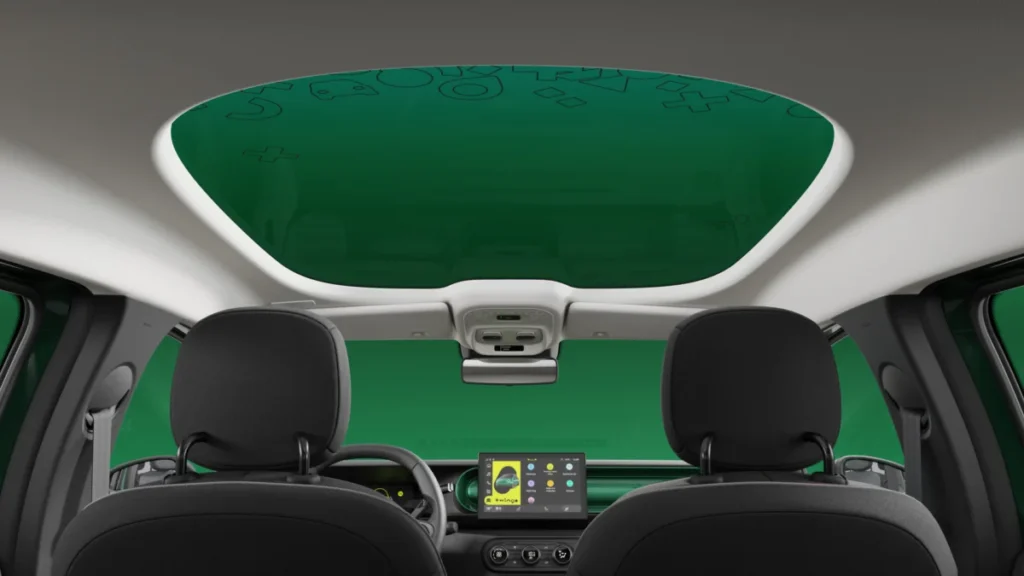
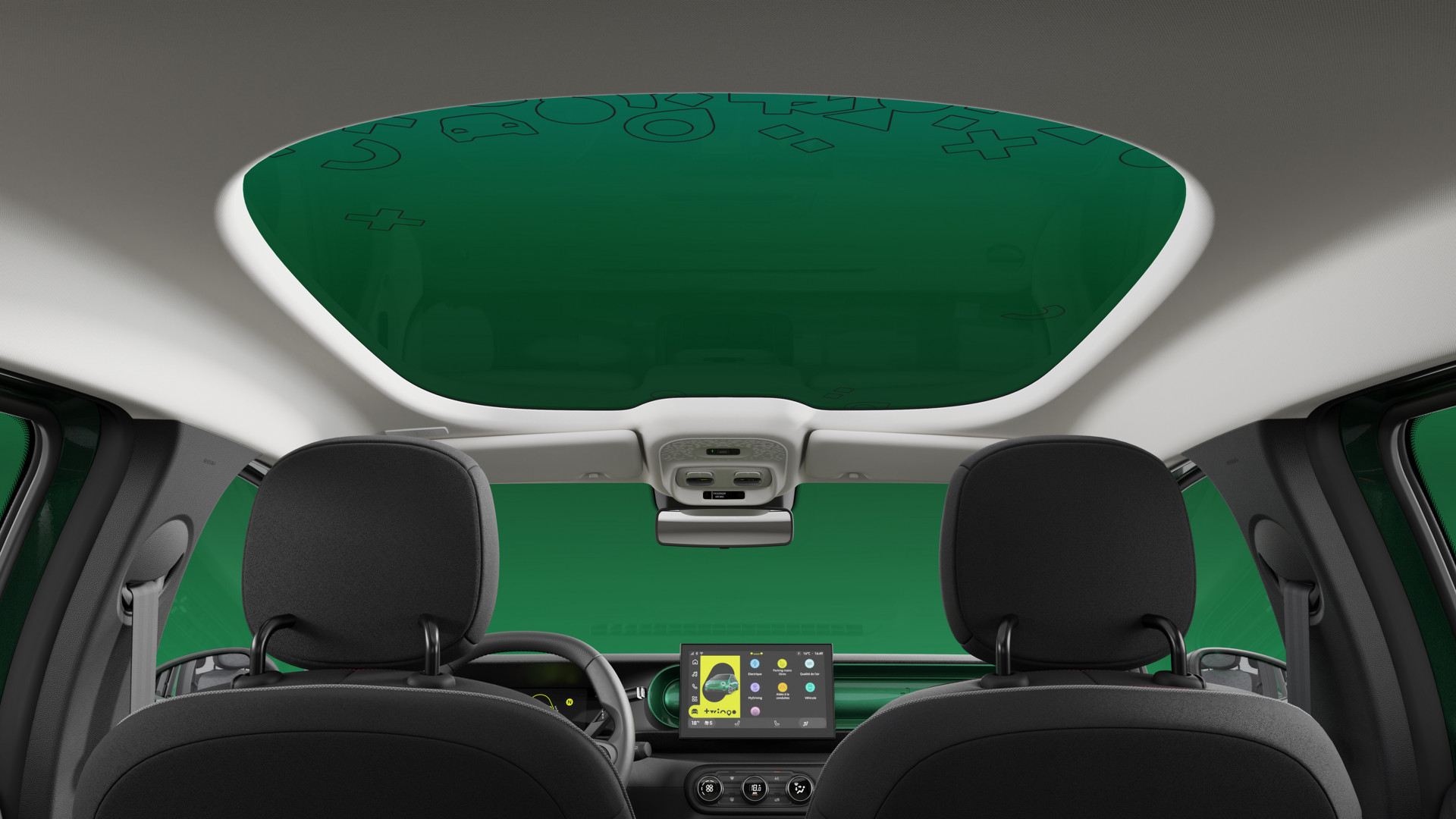
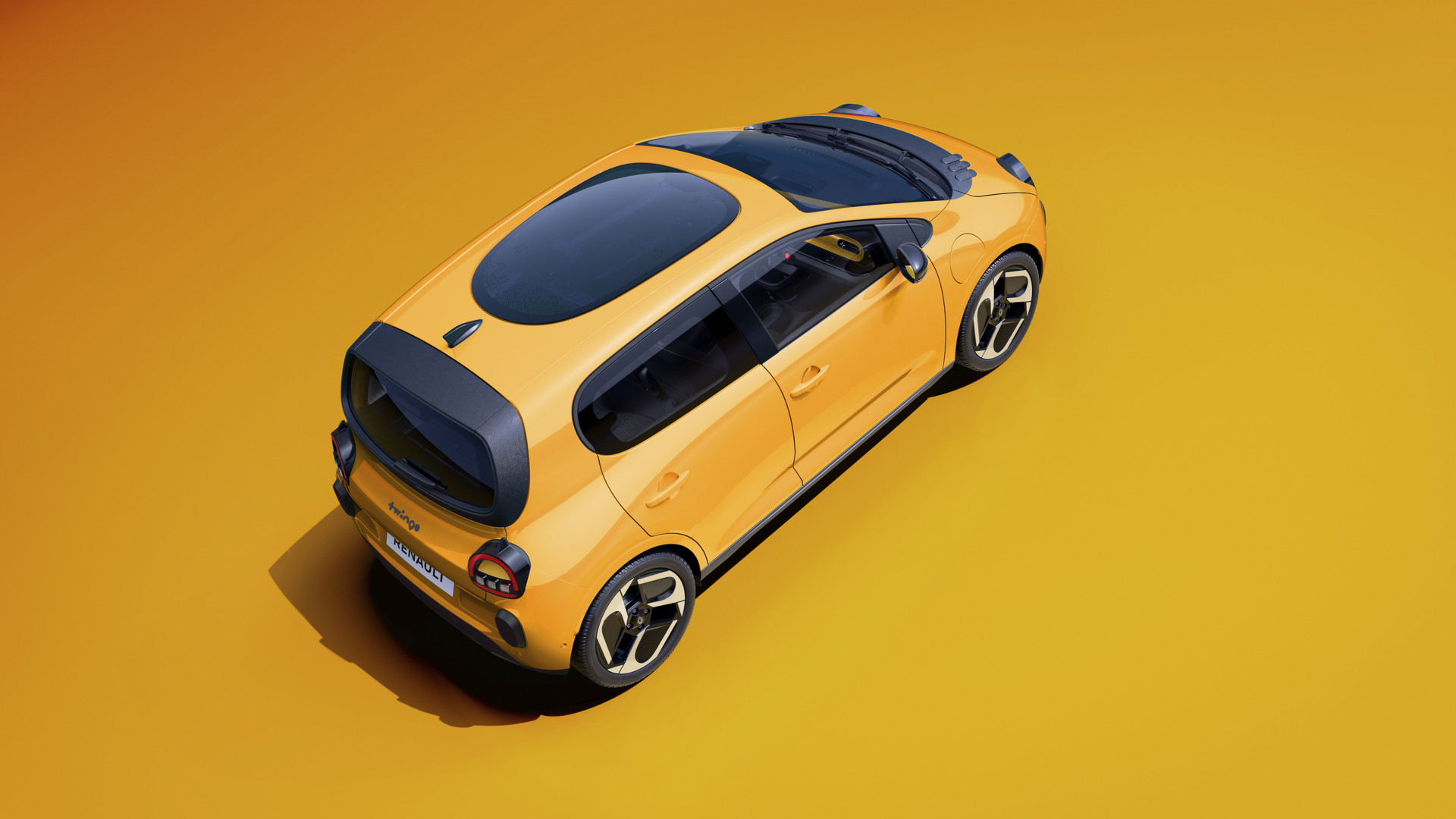
The "Twingobay" represents a strategic design choice by Renault. Rather than pursuing the mechanical complexity and maintenance requirements of a folding canvas roof, the engineers have opted for a massive, fixed glass panel.
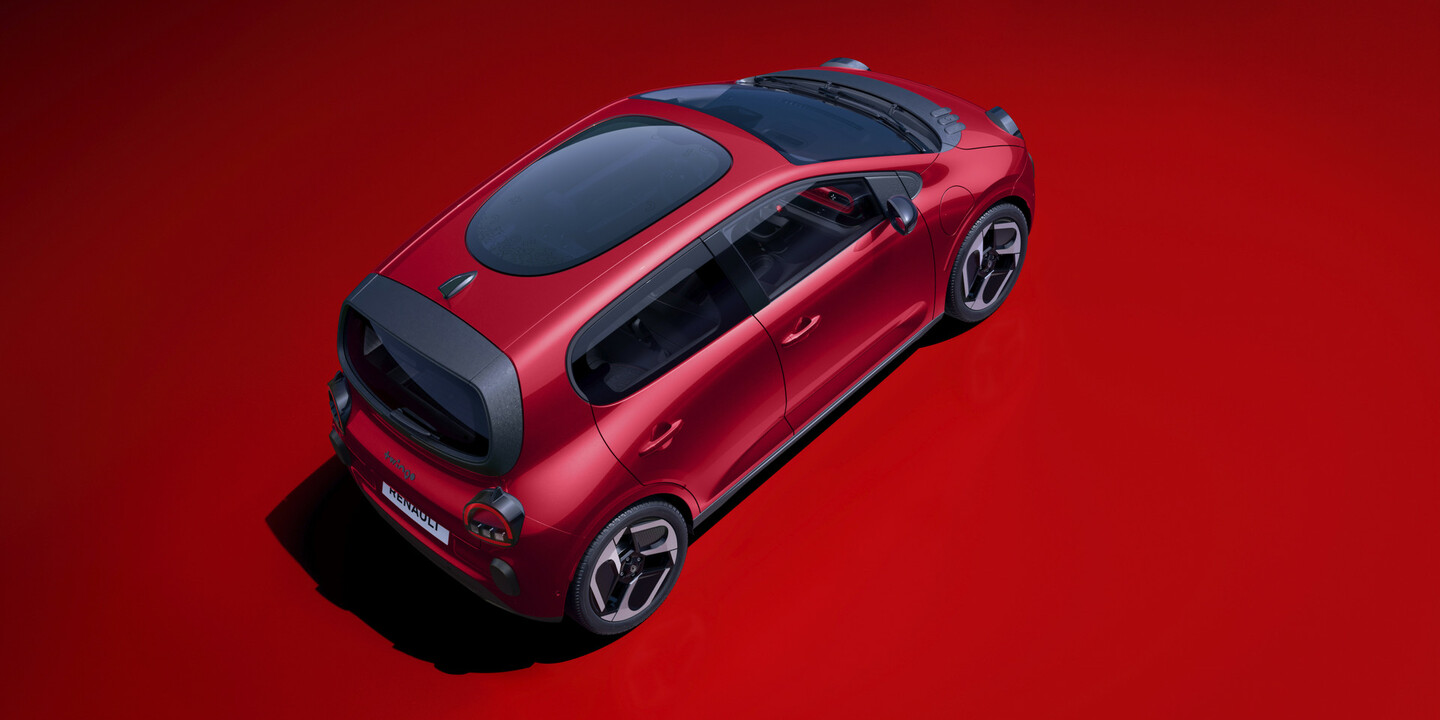
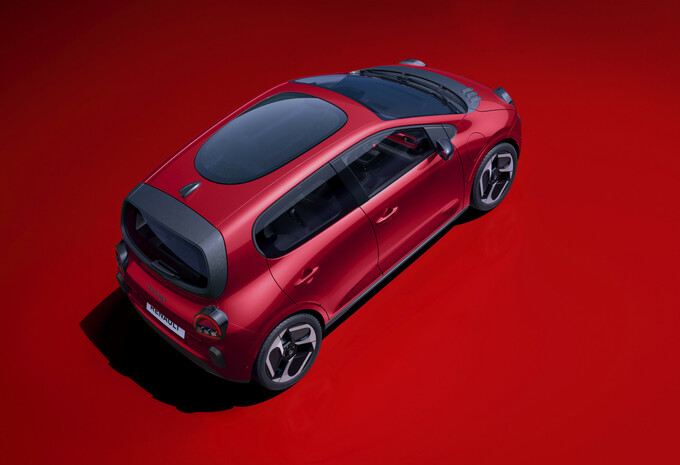
- Surface Area: The panel covers approximately 0.7 square meters, providing a substantial view of the sky for both front and rear passengers.
- Design Language: The glass features rounded, organic shapes that mirror the playful aesthetic of the new Twingo.
- Simplicity at the Core: In line with the vehicle’s positioning as an accessible urban electric car, there is no mechanical opening mechanism. Furthermore, there is no retractable sunblind.
- The Technology: Unlike the high-end "Solarbay" tech found in larger, more premium Renault models like the Rafale or Scenic—which utilizes PDLC (Polymer Dispersed Liquid Crystal) technology to turn opaque at the touch of a button—the Twingobay is a static piece of high-performance glass.
A Chronological Perspective: From Canvas to Glass
The evolution of the Twingo’s roofline is a reflection of how the automotive industry has navigated changing safety standards, consumer habits, and manufacturing technologies over the last three decades.
1993–1996: The Golden Era of Canvas
The original Twingo (Gen 1) was a revolution. At a time when compact cars were often drab and strictly utilitarian, the Twingo’s optional canvas roof allowed users to peel back the sky. It was simple, affordable, and mechanically uncomplicated. It created a "feel-good" factor that became the car’s primary selling point.
2000s–2010s: The Shift to Rigidity
As safety regulations (specifically roll-over protection) became more stringent, the industry moved away from large, soft roof openings. The later generations of the Twingo saw the canvas roof disappear in favor of metal panels or, at most, smaller, more conventional sunroofs. The "open-air" experience was largely relegated to the history books.
2024–2026: The Electric Renaissance
With the transition to electric powertrains, Renault faced a challenge: how to maintain the "fun" factor of the Twingo while keeping the price competitive. The R5 and R4 models have leaned into nostalgia, but the Twingo needed to be the entry-level vanguard. The announcement of the Twingobay at the 2026 Paris Motor Show marks the attempt to bridge the gap between the classic open-air feel and the realities of modern manufacturing.
Supporting Data: Comfort and Thermal Management
The primary criticism regarding the omission of a sunblind is the potential for "greenhouse effect" heating in the cabin during the summer months. Renault’s engineering team has addressed this through advanced glass chemistry.
Thermal Filtering Specifications
Renault claims that the Twingobay glass is specifically treated to handle intense solar exposure.

- UV Protection: The glass is engineered to filter out nearly 100% of ultraviolet rays, preventing skin damage and interior fading.
- Infrared Rejection: The layer applied to the glass is designed to limit the penetration of infrared radiation, which is the primary cause of heat buildup.
- Weight Optimization: By eliminating the heavy motor and track mechanism of a sliding roof, the Twingobay keeps the car’s center of gravity lower and preserves the limited interior headroom, which is often compromised by the cassettes required for sliding roofs.
While these claims are impressive on paper, real-world testing in Mediterranean climates will be the true arbiter of success. Renault is confident that the thermal performance will be sufficient to render a physical blind unnecessary, thereby reducing weight and cost.
Official Responses and Strategic Positioning
Renault’s leadership has been transparent about the constraints surrounding the new Twingo. The project, aimed at providing an affordable urban electric vehicle, requires a delicate balance between premium features and sticker price.
A spokesperson for the project noted, "The Twingobay is about democratization. We wanted to give the Twingo driver the feeling of space and light that defined the original model without the cost, weight, and complexity of a moving roof. It is a solution that fits the spirit of the new Twingo: simple, bright, and free of unnecessary sophistication."
Industry analysts observe that by opting for a fixed roof, Renault saves on both development costs and long-term warranty risks associated with mechanical roof failures. For the end-user, this translates into a more accessible entry price.
Implications: Cost, Market, and Consumer Experience
The pricing strategy for the Twingobay is estimated to sit between €550 and €650, depending on the specific European market. This is a deliberate "sweet spot"—expensive enough to be a premium-feel option, but affordable enough to be included in a "packs" strategy by dealers.
Market Impact
The Twingobay will debut officially at the 2026 Paris Motor Show and is expected to reach showrooms across Europe shortly thereafter, with a major appearance at the Brussels Motor Show in January 2027.
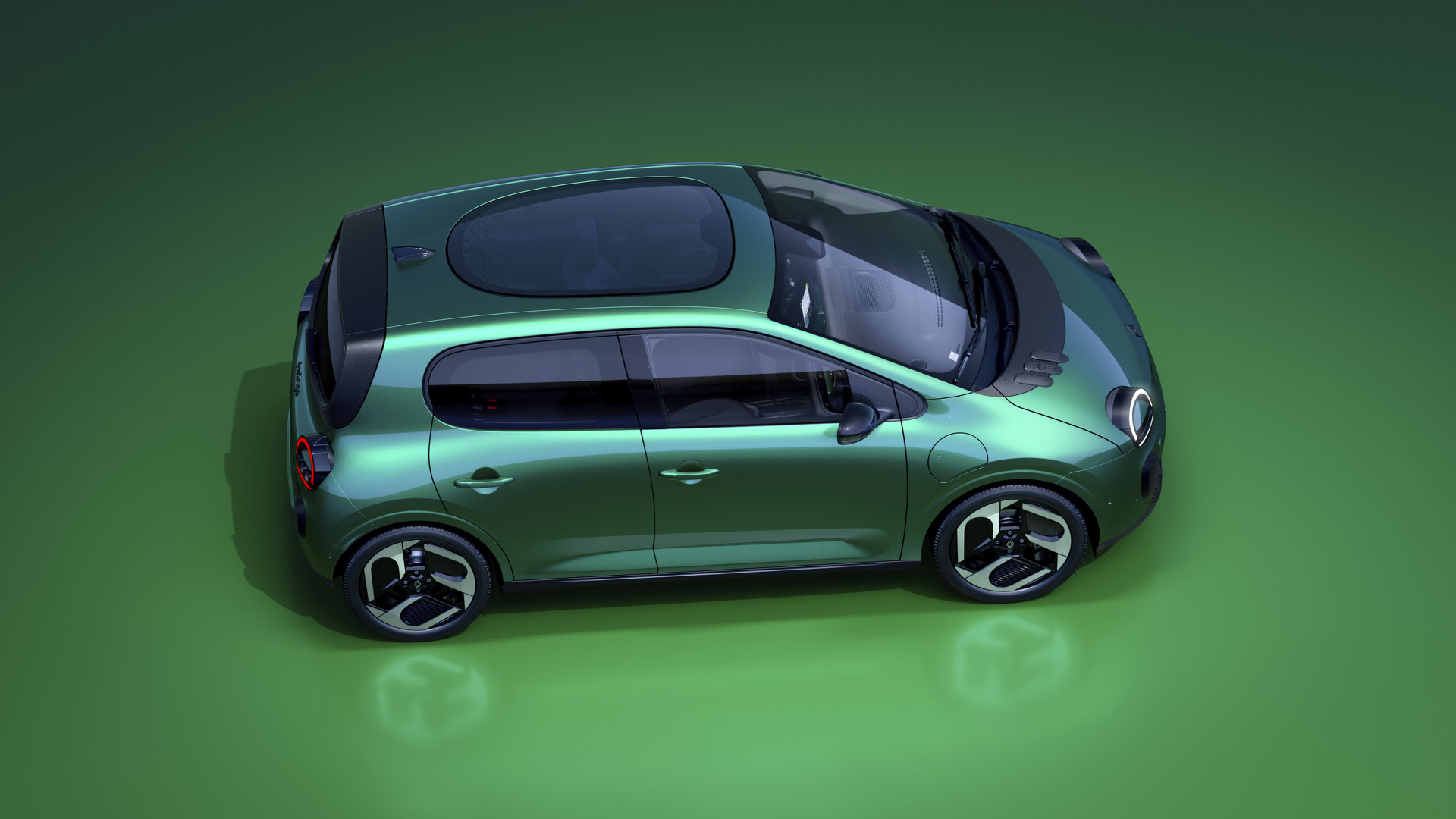
For the consumer, the Twingobay changes the interior perception of the car. The sense of openness in a small cabin is vital; it prevents the "cramped" feeling often associated with small city cars. However, it also signifies a change in how we define a "convertible" experience. In the era of the Twingobay, the "wind-in-the-hair" feeling is strictly relegated to the side windows.
A New Philosophy for Urban Mobility
The Twingobay is indicative of a broader trend: the "rationalization of fun." Modern car buyers want the aesthetic benefits of a panoramic roof, but they are increasingly wary of the maintenance costs and reliability issues that plague aging mechanical sunroofs.
By prioritizing the visual sensation of openness over the physical sensation of an open roof, Renault is betting that the modern urban driver values efficiency and year-round usability over the occasional utility of a canvas top.
Final Thoughts: Is it Enough?
Is the Twingobay a worthy successor to the legendary canvas roof of the 1993 model? Purists might argue that a fixed pane of glass is a poor substitute for the ability to peel back the roof and feel the breeze. However, in the context of a modern, affordable, electric city car, it represents a clever compromise.
The Twingo has always been a car that defies convention. While the Twingobay might leave some yearning for a more traditional open-air experience, it succeeds in maintaining the Twingo’s identity as a bright, airy, and inviting space. It is a reminder that in the world of automotive design, sometimes the most effective way to modernize an icon is not to replicate its mechanisms, but to replicate the emotion it evokes. As we look toward the 2026 launch, the Twingobay stands as a testament to the fact that Renault is listening to its audience—even if the answer is delivered through a filter of innovation rather than tradition.
