

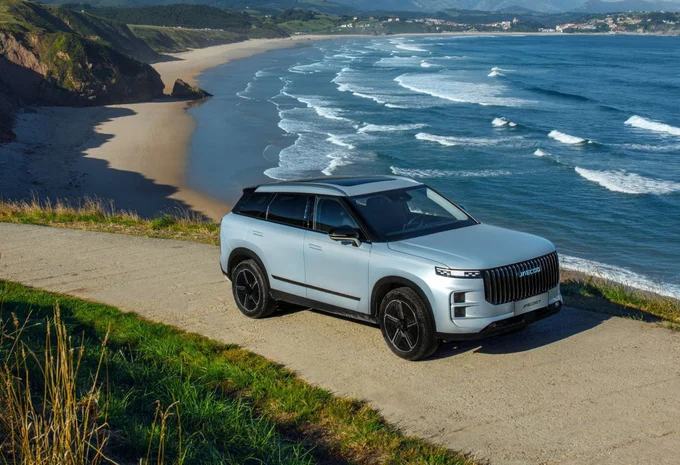
The landscape of the European automotive industry is undergoing a tectonic shift. For decades, the roads of the Old Continent have been dominated by entrenched domestic giants—Volkswagen, Stellantis, and Renault. However, as of September 2026, a new titan has emerged from the East to challenge the status quo. Chery, the Chinese manufacturing powerhouse, has officially surpassed Geely to become the leading Chinese automotive group in Europe. This milestone marks a pivotal moment in the global transition toward a new automotive order.
Main Facts: A Landmark Month for Chery
The data for September 2026 provides a stark snapshot of this shifting balance of power. Chery recorded 56,552 new registrations across Europe, comfortably outpacing the Geely group—which includes prestigious marques like Volvo, Polestar, and Zeekr—by over 5,000 units.
While Geely has long been the face of Chinese investment in the West, particularly through its acquisition of European heritage brands, Chery has achieved this dominance through sheer organic growth and brand expansion. Operating primarily under its sub-brands, Omoda and Jaecoo, Chery has transitioned from an obscure entity to a household name in record time. As of November 2026, the parent brand, Chery, is set to solidify its footprint by launching under its own banner in markets like Belgium, signaling that the company’s ambitions extend far beyond the initial pilot programs of its subsidiaries.
A Chronology of Rapid Expansion
The meteoric rise of Chery in Europe was not an overnight fluke but the result of a carefully orchestrated strategy that accelerated significantly over the last 24 months.
- Early 2024: Chery initiates its formal entry into the European theatre, focusing on the United Kingdom as a beachhead due to its favorable regulatory environment and high consumer receptivity to new SUVs.
- Late 2024: The European Union introduces protective tariffs on pure electric vehicles (EVs) originating from China. Chery pivots its strategy to prioritize hybrid (HEV) and plug-in hybrid (PHEV) powertrains, a move that would prove to be a masterstroke.
- Early 2025: The Omoda and Jaecoo brands begin aggressive dealership expansion. The UK network grows from a mere 81 locations to over 146 in just twelve months.
- September 2026: The tipping point. The brand achieves 56,552 registrations, establishing itself as the premier Chinese manufacturer in Europe, fueled by the massive success of the Jaecoo 7 SUV.
The United Kingdom: The Engine of Success
To understand the scale of Chery’s victory, one must look at the British market. Of the nearly 40,000 Omoda and Jaecoo vehicles registered across Europe in September, a staggering 22,296 were sold in the UK alone—representing over 56% of their total European volume.
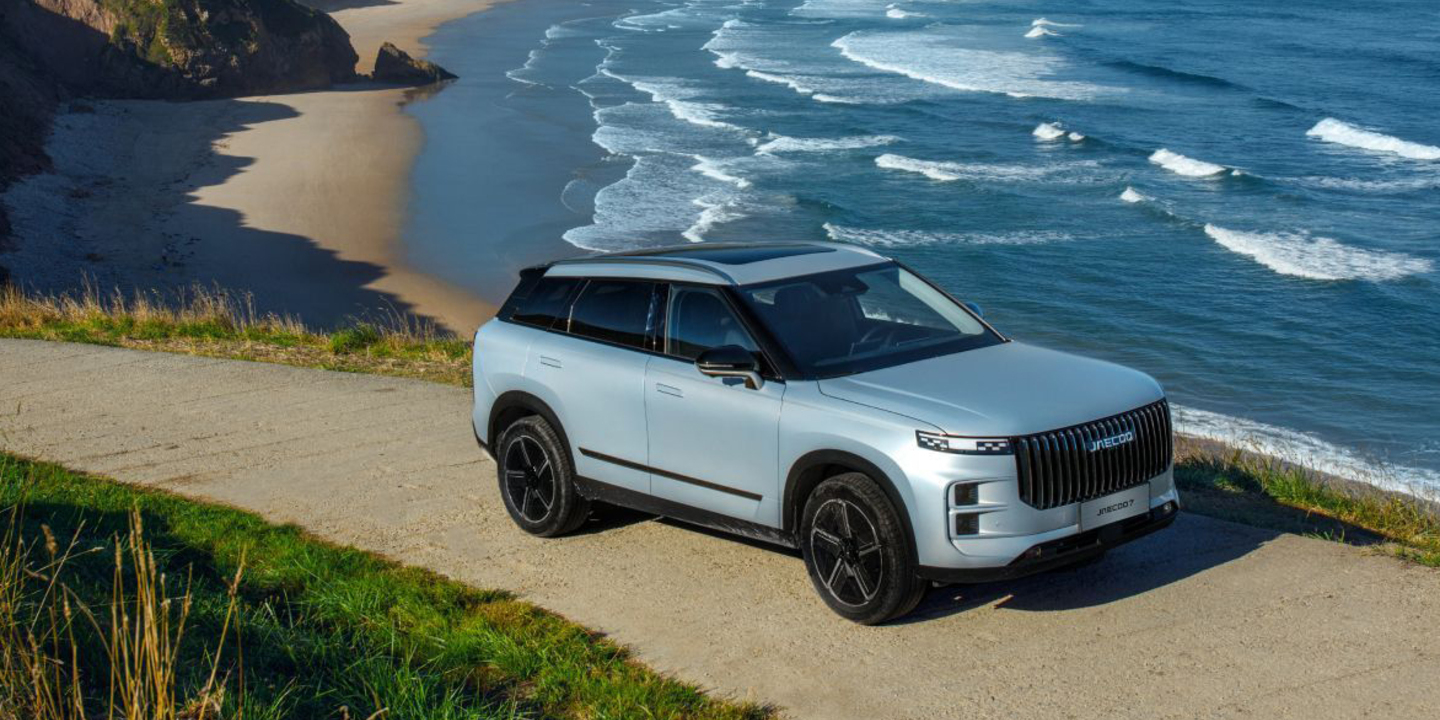
The Jaecoo 7 has become a phenomenon, claiming the title of the best-selling new car in the UK for the month of September. This is particularly impressive when compared to the brand’s performance in markets like Germany, where regulatory hurdles and brand loyalty to domestic manufacturers have kept registration numbers for the same model in the low hundreds.
Analysts point to the "plate change effect" in the UK—where new license plate prefixes issued in September traditionally drive a massive surge in car buying—as a contributor. However, even accounting for seasonal spikes, the growth is unprecedented. Having sold fewer than 4,000 units in the UK throughout the entirety of 2024, the brand is now moving over 22,000 units in a single month. This indicates that Chery has successfully decoded the British consumer’s appetite for high-spec, affordable, and stylish SUVs.
Supporting Data: The Broader Chinese Offensive
Chery’s success is merely the tip of the spear in a broader trend. In September 2026, Chinese manufacturers collectively saw their European registrations soar by 104% compared to the same month in the previous year. Their combined market share has swelled to 14.6%, up from just 7.4% in September 2025.
This momentum is sustained across the entire sector. Leapmotor, another rising star, reported a 324% increase in European registrations, hitting 14,382 units in September alone. These figures are not outliers; they represent a consistent upward trajectory. Over the first nine months of 2026, the Chinese automotive sector’s market share in Europe rose to 10.5%, a figure that would have seemed inconceivable to industry analysts just three years ago.
The Strategy: Navigating the Tariff Minefield
The most intriguing aspect of this growth is how Chinese manufacturers have managed to circumvent the "Electric Iron Curtain" erected by the European Union.
Since October 2024, the EU has enforced additional customs duties on Chinese-made electric vehicles. Manufacturers like BYD and SAIC (the parent company of MG) face hefty surcharges—ranging from 17% to 35.3%—intended to offset the impact of state subsidies. These tariffs have made it increasingly difficult to maintain competitive pricing for pure-electric models.
Chery, however, successfully mitigated this threat by focusing on a "diversified powertrain" strategy. By leaning heavily into hybrids and plug-in hybrids, they have bypassed the specific tariff structures targeting pure EVs. Furthermore, the United Kingdom—outside the EU’s customs union—has provided a safe harbor for the brand to build volume and brand equity without the weight of these punitive taxes. This two-pronged approach has allowed Chery to offer premium-feeling vehicles at price points that established European legacy brands struggle to match.
Implications for the Future
The implications for the European automotive establishment are profound. The traditional "big players" are currently grappling with the high costs of their own electrification transitions, labor disputes, and slowing demand for expensive EVs.
1. Pricing Pressure
Chery and its peers have fundamentally altered the price-to-value ratio. By offering feature-rich SUVs like the Jaecoo 7, they are forcing European manufacturers to reconsider their pricing strategies, potentially leading to thinner profit margins for domestic firms.
2. The Infrastructure War
Chery’s rapid expansion of its dealership network proves that they are not content to be a digital-first or online-only retailer. By establishing physical touchpoints, they are building the trust required to compete in the traditional retail market, directly challenging brands like Opel, Skoda, and even the entry-level tiers of Volkswagen.

3. Regulatory Uncertainty
As Chinese market share continues to climb, policymakers in Brussels are under immense pressure to either protect local industry further or risk the de-industrialization of the European automotive sector. However, additional protectionism risks a trade war that could negatively impact European manufacturers who rely on the Chinese market for a significant portion of their own revenue.
Conclusion
Chery’s ascent to the top of the Chinese automotive hierarchy in Europe is a bellwether for the industry. While the headlines often focus on the dominance of Tesla or the struggles of legacy brands, the real story is the silent, efficient, and aggressive expansion of Chinese groups. Through tactical powertrain choices, strategic geographic focus, and rapid infrastructure development, Chery has proven that they are not merely "guests" in the European market—they are the new competition.
For the European consumer, this means more choice, better technology at lower price points, and a more competitive market. For the European automotive giants, it serves as a final wake-up call: the era of uncontested dominance is officially over. The future of the European road will be written in the boardrooms of Wuhu, the headquarters of Chery, and beyond.
