In the high-stakes theater of Formula 1, where championship dreams are often forged or shattered in the blink of a pit-wall decision, the Scuderia Ferrari finds itself at a critical juncture. Following a challenging outing at the Malaysian Grand Prix, lead driver Charles Leclerc has publicly urged the Maranello-based squad to conduct a forensic analysis of their strategic decision-making processes. The call for introspection comes after a gamble on tire choice at the race start backfired, forcing the team into a desperate damage-limitation exercise for the remainder of the afternoon.
The Anatomy of a Strategic Miscalculation
The Malaysian Grand Prix, historically known for its unpredictable tropical weather, lived up to its reputation. As the lights went out, the track surface at the Sepang International Circuit presented a classic "transition" conundrum: sections of the track appeared deceptively dry, yet the asphalt remained saturated in the porous micro-textures invisible to the naked eye.
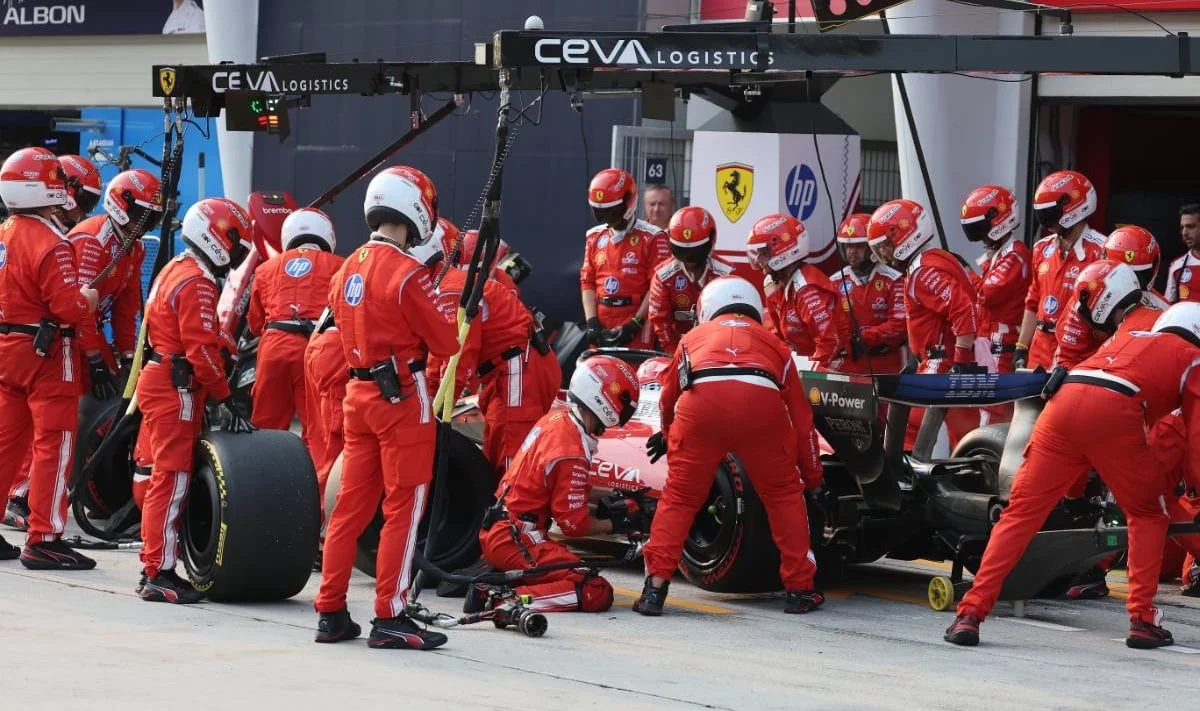
Ferrari, aiming to seize an early advantage, opted for a bold strategy that was quickly exposed as a critical error. With the track still harboring significant moisture, both SF-26 entries struggled for grip from the opening meters. The consequences were immediate and punishing; Leclerc was forced to abandon his initial plan and pit for a change of rubber before the completion of the first lap. This early stop effectively destroyed the team’s track position and forced both Ferrari drivers to fight their way back through the field for the duration of the race.
Chronology of a Tumultuous Sunday
The race unfolded as a tale of two halves for the Scuderia. The opening phase was characterized by a rapid loss of momentum as the field navigated the treacherous, damp conditions. While Red Bull’s Max Verstappen masterfully navigated the uncertainty to convert his pole position into a commanding victory, the Ferrari drivers found themselves mired in the midfield traffic.
- The Start: A collective decision was made on the grid to risk slick tires, a gamble based on visual cues suggesting the track was drying rapidly.
- The First Lap: The reality of the track condition hit instantly. The SF-26s suffered from a total lack of tire temperature and mechanical grip, prompting an emergency pit stop for Leclerc.
- The Recovery: Throughout the middle stint, the team adopted a more conservative approach, focusing on tire management and capitalizing on the incidents of others.
- The Final Act: The late-race retirement of George Russell provided a crucial boost to the Ferrari duo, allowing them to salvage a third and fourth-place finish—a result that, while respectable, masked the strategic agony of the early stages.
Red Bull’s Strategic Superiority: A Blueprint to Emulate
What stands out most prominently in the aftermath of the race is not just the failure of Ferrari, but the continued operational excellence of their rivals. Max Verstappen’s ability to read the track and manage his race from the front has become a hallmark of Red Bull’s current dominance.
Charles Leclerc, while taking partial responsibility for the team’s collective decision, did not shy away from comparing the two teams’ methodologies. "There is clearly one team in particular, Red Bull, who manages to make the right decision with both their cars most of the time," Leclerc noted. "We need to understand what they are doing better than us. It is not just about luck; it is about the integration of data, human intuition, and the ability to process information under extreme pressure."
The Monegasque driver’s comments highlight a growing sentiment within the paddock: Red Bull’s pit wall operates with a level of synchronicity that allows them to hedge their bets effectively. Ferrari, by contrast, appears to be oscillating between brilliance and indecision, struggling to find the middle ground when the race situation turns volatile.
The "Visual Trap": Why the Data Failed
One of the most fascinating aspects of the race was the failure of telemetry to override human perception. Leclerc explained that the team was forced to rely on "intuition" rather than hard data because the available information was gathered under conditions that did not reflect the reality of the race start.
"It was very difficult, and it was the same for everyone," Leclerc explained. "We had some data, but it came from conditions that had nothing to do with what we had at the start. It was based on intuition, on what we could see on the ground, and the surface looked dry enough. The biggest unknown was the amount of water in the asperities of the asphalt. There was much more than most of us thought, and that is why slicks turned out to be the wrong choice."
This "visual trap" is a recurring nightmare for F1 strategists. The ability to distinguish between a surface that is merely damp and one that is treacherous requires a depth of experience and sensor-led feedback that Ferrari is now desperate to refine.
Internal Reflections and Future Implications
Despite the frustration, Leclerc was adamant that the blame should not rest on a single individual. "I was aligned with the team," he clarified. "It was a very tight decision, as always in these types of conditions. We will discuss the possibility of differentiating the strategies between the two cars in future situations, but that carries its own inherent risks."
The "split strategy" dilemma is one that plagues every top-tier F1 team. When you differentiate the strategy between two cars, you effectively diversify your portfolio; however, you also risk a scenario where one driver is severely compromised while the other benefits. "By definition, you can end up with one very bad choice and one very good one," Leclerc observed. "It is difficult to have an intermediate scenario where both options yield roughly the same result."
The Road Ahead
As the dust settles on the Malaysian circuit, the implications for Ferrari are clear. To challenge for the title, the Scuderia must move beyond the "compensatory" nature of their current performances. Leclerc acknowledged that the final positions—third and fourth—represented the true potential of the car on the day, but the journey to get there was far from optimal.
"Everything that could go wrong in the first part of the race went wrong, and everything that could go well in the second part went well," he concluded. "In the end, the two extremes offset each other, and we finished where we probably should have finished. But the race was a little more stressful than I would have liked."
For Ferrari, the mission is now twofold: they must continue to develop the SF-26 to close the performance gap to the Red Bull, but more importantly, they must refine the decision-making culture within the garage. In a season where the margins are razor-thin, the ability to turn a "bad" race into a "good" one through strategy is often the defining factor between a champion and a runner-up. The analysis of the Malaysian GP will serve as a vital case study in their pursuit of that elusive consistency.