

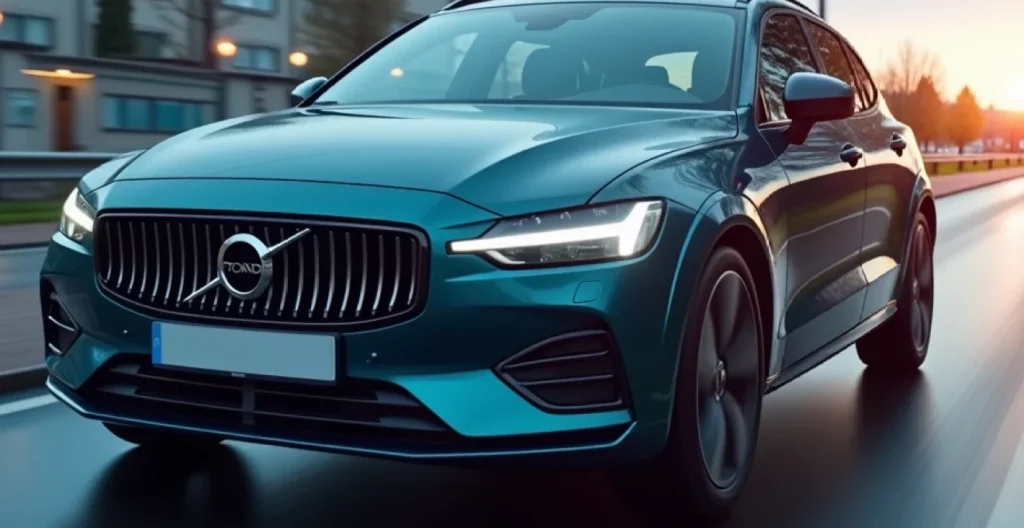
The acquisition of a brand-new car is a milestone moment—a blend of excitement, the scent of new upholstery, and the allure of cutting-edge technology. Yet, beneath the exhilaration of the first drive lies a fundamental responsibility: securing your asset against the unpredictable nature of the road. In an era where vehicle values and repair costs are skyrocketing, an insurance policy is far more than a legal sticker on your windshield; it is a vital financial safeguard.
Whether you are a seasoned driver or a first-time car owner, navigating the complex landscape of automotive insurance is essential. This guide provides a comprehensive overview of how to protect your investment, minimize costs, and understand the shifting landscape of modern vehicle insurance.
Main Facts: The Essentials of Vehicle Coverage
In almost every jurisdiction, vehicle insurance is a non-negotiable legal requirement. The moment you take possession of your new car, you must be prepared to present a valid insurance certificate. This rule remains absolute, even if the vehicle is parked in a garage and not currently in use.
The Foundation: Civil Liability
At its most basic level, the law requires "Third-Party Liability" (or "Third-Party Only") coverage. This ensures that any damage you cause to others—whether bodily injury or property damage—is covered by your insurer. While this satisfies the law, it is rarely adequate for a new vehicle. It provides zero protection for your own car, meaning that in the event of an accident where you are at fault, a fire, or a theft, the entire financial burden falls on your shoulders.
The Consequences of Non-Compliance
Operating a vehicle without insurance is a high-stakes gamble. Penalties for driving uninsured are severe, ranging from hefty fines and license suspension to the immediate confiscation of your vehicle. More importantly, if you are involved in a serious accident while uninsured, the resulting medical bills, legal fees, and property damage claims can lead to personal financial ruin.
Chronology: From Showroom to Roadside
The process of insuring a new car follows a specific timeline that requires preparation before you even sign the purchase agreement.
- Pre-Purchase Research (2 Weeks Before): Before finalizing your purchase, request quotes from multiple insurers using the make, model, and engine specifications of your chosen vehicle. This allows you to factor the insurance cost into your total budget.
- The Provisory Phase (Day of Purchase): You cannot register a car without insurance, and you cannot get permanent insurance without a registration number. Most insurers offer a "provisory certificate" (often valid for 30 days) that allows you to drive the car home legally while the administrative registration process is completed.
- Finalizing the Contract (Post-Registration): Once you receive your official registration, provide it to your insurer to finalize the permanent policy.
- Ongoing Maintenance (Annual Review): Insurance needs evolve. After the first 24 months, the market value of your vehicle changes, and your driving record (bonus-malus) may have shifted, making it the perfect time to renegotiate your terms.
Supporting Data: Comparing Coverage Levels
Choosing the right policy requires a clear understanding of the trade-offs between protection and price.
Comparison Table: Coverage Scope
| Feature | Third-Party Only | Third-Party, Fire, & Theft | Comprehensive (Full) |
|---|---|---|---|
| Civil Liability | Yes | Yes | Yes |
| Your Vehicle Damage | No | Limited | Yes |
| Theft & Fire | No | Yes | Yes |
| Glass Breakage | No | Optional | Yes |
| Natural Disasters | No | No | Yes |
For a new vehicle, Comprehensive (or "All-Risks") insurance is almost universally recommended. Given that modern cars are packed with sensors, advanced lighting, and complex bodywork, a single minor accident can lead to repair costs that easily exceed the annual premium difference between a basic and a comprehensive policy.
Official Perspectives: The Value of Specialized Guarantees
Industry experts and insurers emphasize that new vehicles require specific types of coverage that differ from those for older models.
The "Value-to-New" Guarantee
One of the most critical features for a new car is "Replacement Value" coverage. In the event of a total loss—due to theft or severe accident—this clause ensures you are reimbursed for the original purchase price of the vehicle, rather than its depreciated market value. This is usually available for the first 12 to 36 months of ownership.
Advanced Driver Assistance Systems (ADAS)
Modern vehicles are equipped with cameras, radar, and lidar systems behind the windshield and bumpers. A simple stone chip or minor fender bender can result in repair costs running into the thousands due to the need for recalibration. Ensuring your policy includes comprehensive glass coverage and coverage for electronic sensor systems is now a financial imperative.
Implications: Optimizing Costs in a Tech-Driven Market
Insurance is a dynamic expense, and several variables allow you to optimize your premiums without compromising safety.
Technology and Anti-Theft Measures
Insurers are increasingly data-driven. Installing a certified GPS tracker or a high-end alarm system can lead to significant premium discounts. Beyond the financial savings, these devices provide peace of mind and often satisfy the strict security requirements of luxury or high-performance vehicle policies.
The Rise of Telematics
"Pay-as-you-drive" or usage-based insurance is gaining traction. By installing a telematics device or using an app, your insurer tracks your driving habits: speed, harsh braking, and cornering. If you are a safe driver, this transparency can result in substantial discounts. However, it is essential to weigh the benefit of these savings against the privacy implications of being constantly monitored.
The Bonus-Malus Factor
The most significant long-term factor in your premium is your history. In many countries, the "bonus-malus" system rewards accident-free years with lower premiums. For new, young drivers, this can be prohibitively expensive. In such cases, being listed as a "secondary driver" on a parent or guardian’s policy for a few years can help build a positive record, ultimately saving thousands in the long run.
The Future: Electric Vehicles and Autonomy
The automotive landscape is undergoing a paradigm shift, and insurance must keep pace.
Electric and Hybrid Specifics
Electric vehicles (EVs) present unique risks, primarily regarding battery health and charging equipment. Standard policies may not cover the full cost of a battery pack replacement or damage caused by faulty charging stations. Always verify that your policy includes "Battery Coverage" and roadside assistance tailored for EVs.
The Autonomous Frontier
We are entering the age of the partially autonomous vehicle. As control shifts from the driver to the software, the legal definition of "at-fault" becomes murky. Industry analysts predict a future where insurance models will shift from covering the driver to covering the manufacturer or the software provider in the event of a system failure. For now, it is critical to confirm that your policy covers accidents occurring while advanced features like lane-keep assist or adaptive cruise control are engaged.
Conclusion: A Strategic Approach
Insuring a new vehicle is not a task to be checked off a list and forgotten; it is a strategic management of your personal assets. By understanding the distinction between legal requirements and true financial protection, you can build a policy that reflects your needs.
- Don’t settle for the minimum: A new car is a high-value asset that deserves comprehensive protection.
- Compare, but don’t just shop for price: Online comparators are great starting points, but they often lack the nuance required for high-end or specialized vehicles. Use them to gather data, then speak to a broker to negotiate specific terms.
- Review annually: As your car ages, your policy should adapt. Moving from "New Value" coverage to standard market value coverage after three years can help keep premiums stable.
By staying informed about technological trends—such as the impact of ADAS on repair costs—and maintaining a clean driving record, you ensure that your investment in a new vehicle remains a source of pleasure and utility, rather than a potential financial liability. Drive with confidence, knowing that your coverage is as robust as the technology under your hood.
