

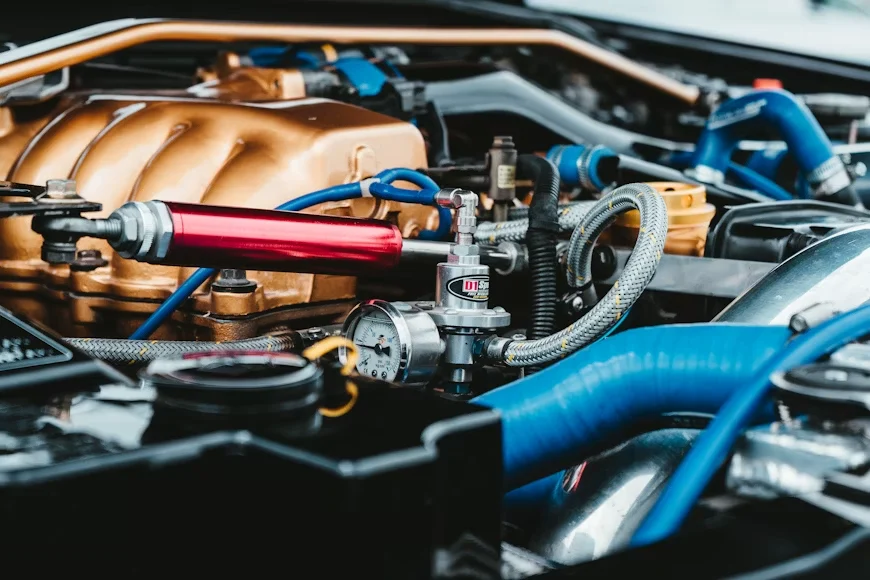
The internal combustion engine is a marvel of modern engineering, yet its efficiency relies on a collection of precise, often overlooked components. Among the most critical of these are the fuel injectors. Acting as the "sprayers" of the engine, they serve as the gateway between the fuel system and the combustion chamber. Their ability to deliver a precise, atomized mist of fuel at exactly the right micro-second determines not only the horsepower and torque of a vehicle but also its fuel economy, environmental footprint, and long-term mechanical health.
Understanding the mechanics, maintenance requirements, and potential failure points of fuel injectors is essential for every vehicle owner. As modern emission standards tighten, the role of these components has shifted from simple mechanical valves to highly sophisticated electronic actuators that govern the very soul of engine performance.
1. Main Facts: The Anatomy of Combustion
At its core, a fuel injector is a solenoid-operated valve that receives pressurized fuel from the fuel pump. Upon receiving an electrical signal from the Engine Control Unit (ECU), the injector opens to release fuel. The primary goal is atomization: breaking the fuel into tiny, microscopic droplets.
Why is this necessary? Liquid fuel does not burn efficiently. To create a controlled explosion, fuel must be vaporized and mixed with air. If the droplets are too large, the fuel burns incompletely, leading to carbon buildup, wasted energy, and increased pollutants. A healthy injector ensures that the spray pattern is perfectly calibrated to the specific engine design, ensuring that every drop of gasoline or diesel contributes to the downward force of the piston.
2. Chronology: From Mechanical Simpleton to Digital Precision
The evolution of fuel injection is a testament to the pursuit of efficiency.
- The Carburetor Era (Pre-1980s): For decades, vehicles relied on carburetors—mechanical devices that mixed air and fuel based on vacuum pressure. While simple, they were notoriously imprecise, leading to "rich" or "lean" running conditions depending on altitude and temperature.
- The Rise of Indirect Injection (1980s–1990s): As electronic fuel injection (EFI) became standard, engineers moved to "port" or "indirect" injection. Here, the injector sprays fuel into the intake manifold, just before the intake valve. This allowed for better control, but the fuel still had to travel through the valve, losing some energy in the process.
- The Modern Era of Direct Injection (2000s–Present): Today, Gasoline Direct Injection (GDI) is the industry standard. These injectors spray fuel directly into the combustion chamber under immense pressure. This enables higher compression ratios and significantly better thermal efficiency. However, this progress comes with a trade-off: because the injector tip is exposed to the extreme heat and pressure of the combustion chamber, it is far more susceptible to clogging from carbon deposits.
3. Supporting Data: Performance and Efficiency Metrics
Data from automotive engineering studies indicates that a clean, well-functioning fuel injector set can improve fuel economy by up to 10% compared to injectors that have developed significant carbon deposits.
In terms of emissions, the impact is even more dramatic. A clogged injector may "drip" rather than "spray." This leads to incomplete combustion, which significantly increases the output of unburned hydrocarbons and carbon monoxide. In modern vehicles equipped with sophisticated catalytic converters and Diesel Particulate Filters (DPF), a faulty injector can cause a domino effect of failure. A single misfiring injector can dump raw fuel into the exhaust, which then ignites in the catalytic converter, potentially melting the internal honeycomb structure—a repair that can cost thousands of dollars.
4. Official Responses and Industry Standards
Regulatory bodies, such as the European Environment Agency and the EPA in the United States, have implemented increasingly stringent Euro-emission standards. Manufacturers are under immense pressure to ensure that vehicles maintain their "type-approval" performance throughout their lifespan.
Industry experts and mechanics emphasize that "preventative maintenance is the best repair." Major automotive associations suggest that fuel system cleaning should not be viewed as a luxury service, but as a standard requirement, similar to oil changes. While some manufacturers claim "lifetime" fuel systems, real-world conditions—such as fuel quality variations and stop-and-go urban driving—often necessitate professional cleaning or additive usage every 30,000 to 50,000 miles.
5. Identifying the Signs of Failure
How does a driver know when their injectors are failing? The symptoms are rarely subtle:

- Loss of Power: If the engine is "starved" of fuel, you will notice a distinct lack of acceleration.
- Misfires and Stumbles: A rough, erratic idle often points to an uneven fuel-to-air ratio.
- Fuel Odor: A leaking injector can lead to the smell of raw gasoline inside or around the vehicle.
- The "Check Engine" Light: Modern sensors are highly sensitive. A misfire code (P0300-P0304) is frequently the first sign that an injector is struggling to meet the ECU’s demand.
- Black/White Smoke: Excessive smoke at the tailpipe indicates an improper combustion cycle, often caused by an injector that is stuck open or closed.
6. Implications: The High Cost of Neglect
Ignoring the fuel system is a gamble with your engine’s longevity. When an injector begins to fail, the engine management system often compensates by adjusting other parameters. While this might keep the car running in the short term, it places excessive strain on the oxygen sensors, the spark plugs, and the exhaust after-treatment systems.
Furthermore, driving with a faulty injector is a "budget killer." The increased fuel consumption can lead to hundreds of dollars in wasted fuel over a few months, and the cost of a full engine rebuild—often the result of a "locked" injector that causes a piston to overheat and melt—dwarfs the cost of a routine professional cleaning or a proactive injector swap.
7. Strategic Maintenance and Best Practices
To maximize the lifespan of your fuel injectors, follow this professional maintenance roadmap:
The Additive Approach
High-quality fuel system cleaners contain detergents that help dissolve carbon varnish. Using these additives every 5,000 to 10,000 miles is an effective way to keep the spray pattern consistent.
Professional Ultrasonic Cleaning
For high-performance or diesel engines, ultrasonic cleaning is the gold standard. By removing the injectors and placing them in an ultrasonic bath, technicians can break down deposits that liquid cleaners cannot reach. This service often restores flow rates to factory specifications.
Fuel Quality Matters
Not all fuel is created equal. Cheap, low-grade fuel often lacks the necessary detergent packages required by modern engines. Consistently using "Top Tier" gasoline ensures that the fuel itself is helping to clean the injectors as you drive.
The Role of Driving Habits
Believe it or not, your driving style matters. Short, city-bound trips that never allow the engine to reach full operating temperature are the primary cause of carbon buildup. Periodically taking your vehicle on a long highway drive allows the engine to reach temperatures high enough to "burn off" minor deposits, keeping the system clean naturally.
Choosing the Right Service
If you suspect your injectors are failing, do not attempt a DIY fix unless you have the proper diagnostic tools. Modern injectors are calibrated to specific flow codes; installing them incorrectly can lead to severe engine damage. Always entrust this work to qualified technicians who utilize modern diagnostic software to verify that the fuel trim levels have returned to their optimal range after the service.
Conclusion
The fuel injector is the unsung hero of the automotive world. It operates in silence, under extreme pressure and heat, thousands of times per minute. By shifting our perspective from "repairing when broken" to "maintaining for performance," we can ensure our vehicles remain reliable, efficient, and environmentally responsible. Whether you are driving a daily commuter or a high-performance machine, the health of your injectors is, quite literally, the lifeblood of your engine. Treat them with care, prioritize high-quality fuel, and listen to what your car is telling you—your engine will reward you with thousands of miles of trouble-free performance.
