

Introduction: Bridging Decades of Italian Motoring
In a bold move that marries the rugged utility of the modern Fiat Panda with the refined, avant-garde spirit of the 1980s, Fiat has officially unveiled the Pandina Tributo Autobianchi. Set to hit the Belgian market on November 2, 2026, this special edition serves as more than just a trim level; it is a profound historical homage. By reviving the aesthetic cues of the legendary Autobianchi Y10, Fiat is positioning its most successful city car as a bridge between the pragmatic engineering of the past and the electrified, design-conscious requirements of the future.
The Pandina Tributo Autobianchi arrives at a poignant moment. It was formally introduced on October 21, 2026—exactly three decades after the final Autobianchi Y10 rolled off the assembly line. For enthusiasts of Italian automotive history, this is a significant milestone, marking the return of a nameplate that once redefined what a "city car" could be.
1. Main Facts: The Essence of the Tributo
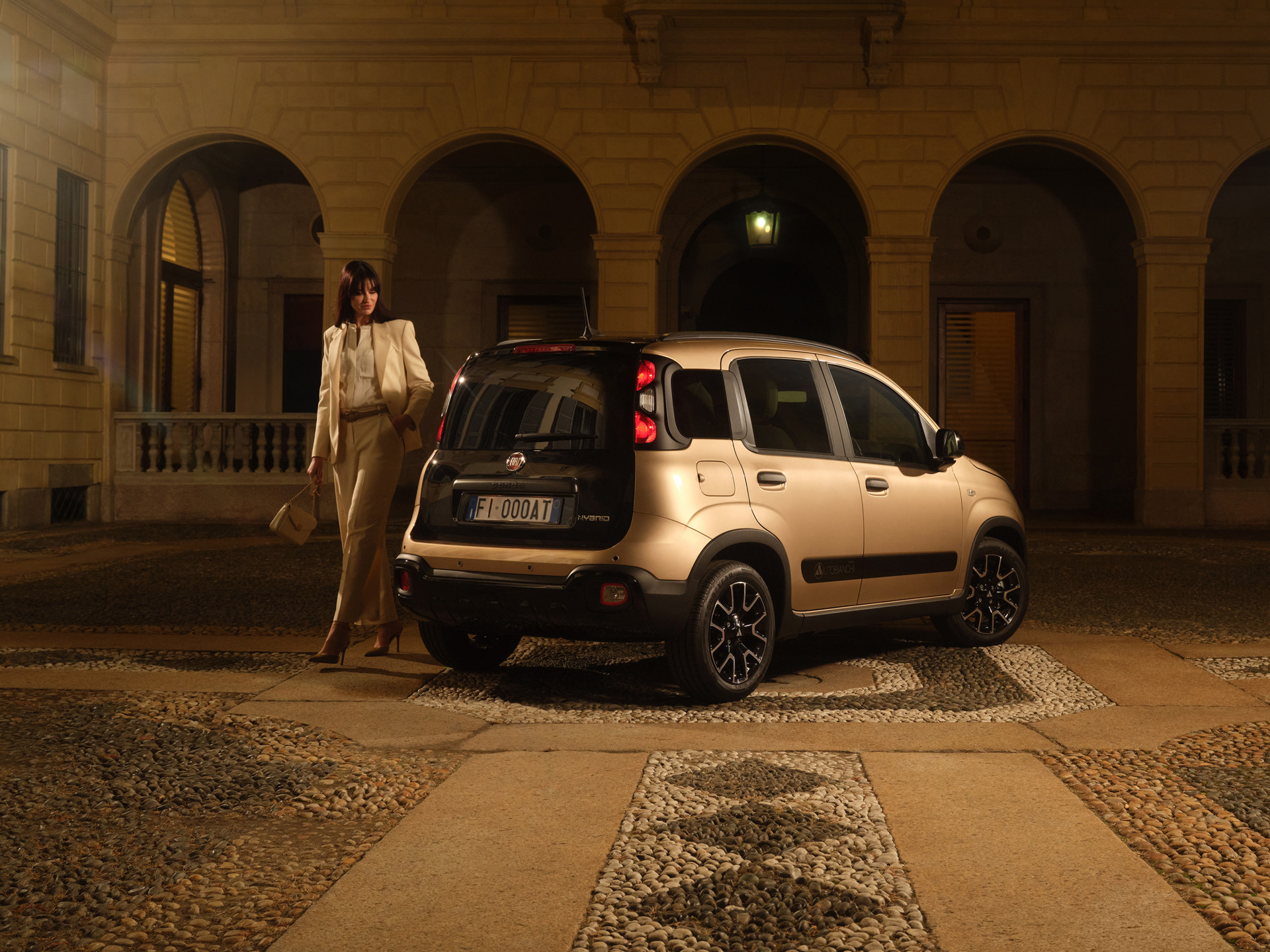
The Pandina Tributo Autobianchi sits at the pinnacle of the current Pandina range. While the underlying technical platform remains the tried-and-tested hybrid powertrain currently produced at the Pomigliano d’Arco plant in Italy, the visual identity of the car has been completely overhauled to evoke the "Y10 look."
Key Aesthetic Distinctions:
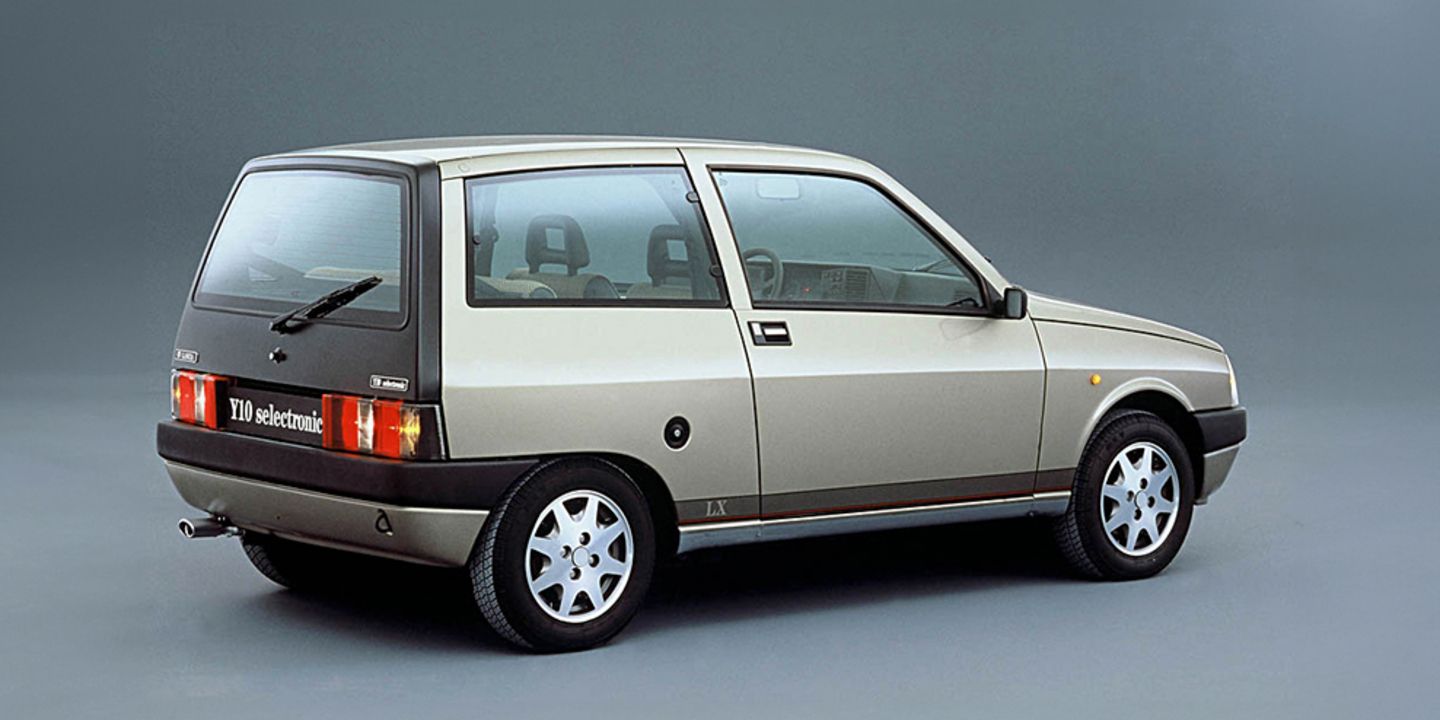
- The Signature Tailgate: The most iconic element of the original Y10—the blacked-out tailgate—makes a triumphant return, providing a striking visual contrast to the rest of the body.
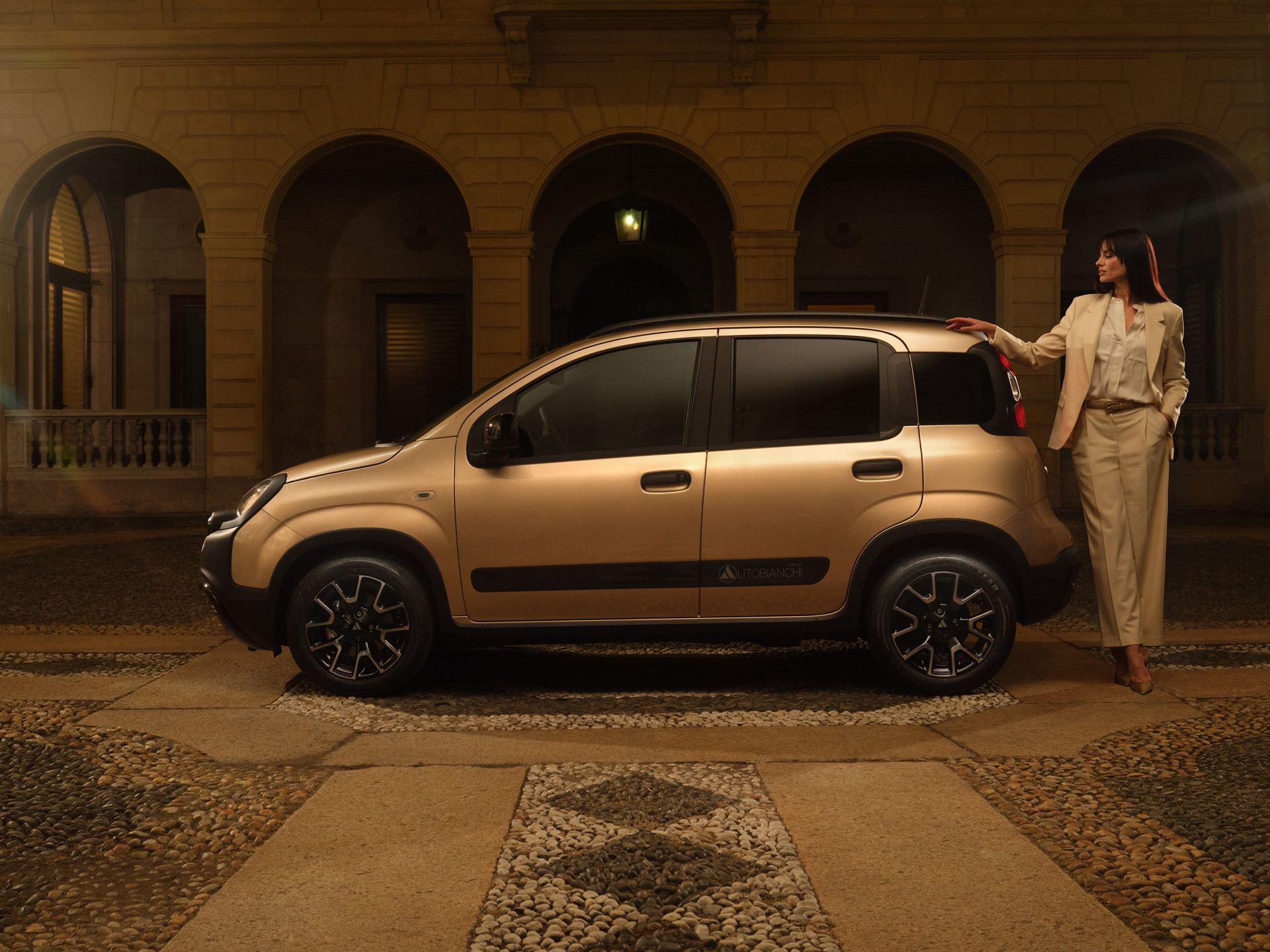
- Platino Exclusive Finish: The vehicle is finished in a bespoke "Platino" (Platinum) exterior paint, which can be paired with an optional contrasting black roof to heighten the retro-modern aesthetic.
- Exterior Accents: The car features specific side decals, diamond-cut 15-inch alloy wheels, and black-finished side mirrors and protective cladding, distinguishing it from the standard Pandina models.
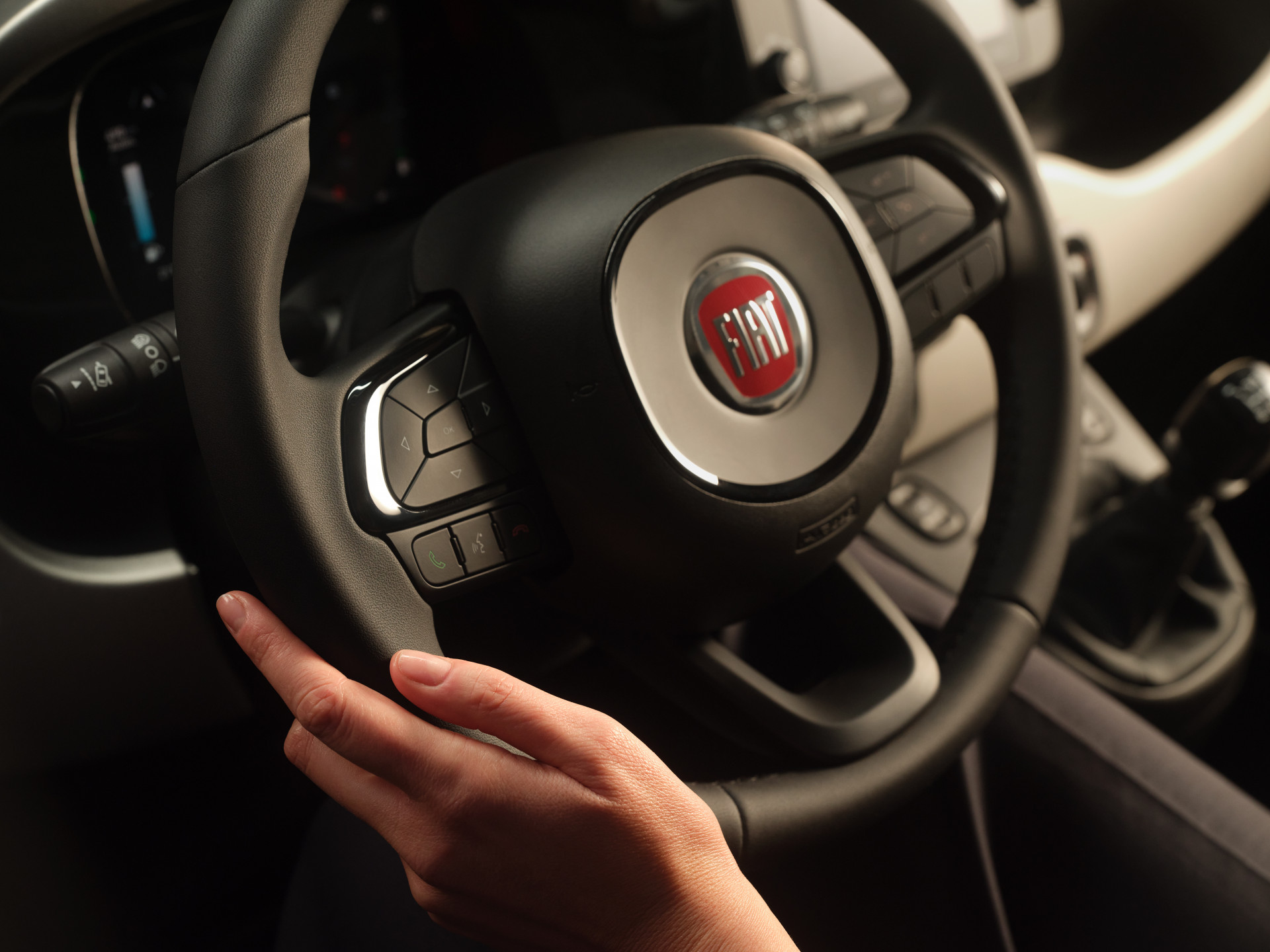
- Interior Craftsmanship: Inside, the cabin undergoes a transformation. The seats are upholstered in "Light Sand" microfiber featuring a distinct, large-check "quadrettoni" pattern, a direct nod to the high-fashion collaborations of the original Y10. The dashboard is finished in the same Platino hue as the exterior, complemented by light-colored door panels and high-gloss black inserts. Even the digital cockpit interface has been customized with a unique boot-up animation dedicated to this series.
2. Chronology: The Legacy of the Autobianchi Y10
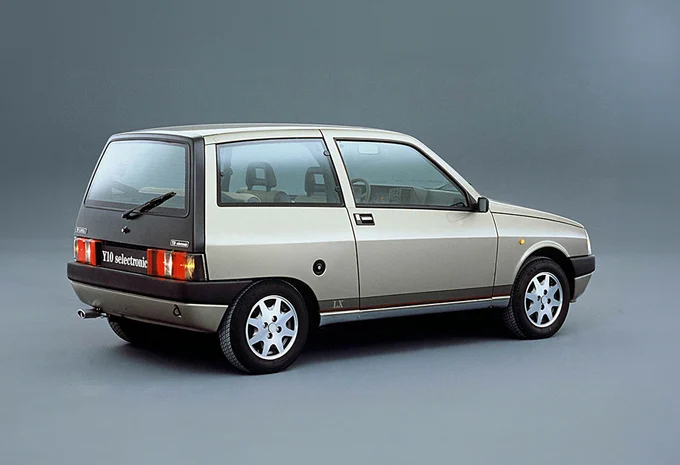
To understand the significance of this release, one must look back at the original Autobianchi Y10 (1985–1995). When it debuted at the 1985 Geneva Motor Show, it caused a sensation by effectively killing the "cheap and cheerful" stereotype of small cars.
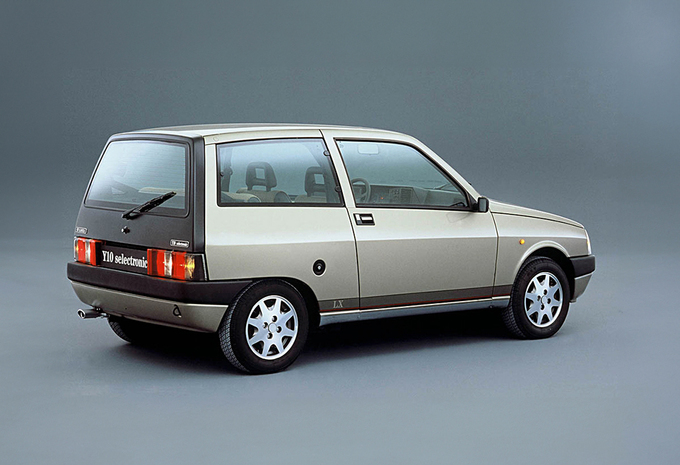
- 1985: The Launch. Replacing the aging A112, the Y10 brought the revolutionary FIRE (Fully Integrated Robotized Engine) 999cc engine to the masses. It was a departure from the spartan interiors of the era, offering luxury features like electric windows and Alcantara upholstery.
- 1986: Expansion. The introduction of the LX trim and the 4WD version showcased the model’s versatility. It proved that a car with a footprint smaller than a typical city runabout could handle off-road terrain or offer grand-touring levels of comfort.
- 1989: The Mid-Life Refresh. A significant restyling kept the Y10 competitive, introducing cleaner lines and improved interior ergonomics.
- 1992: Final Modernization. Before its sunset, the Y10 received further technical updates to meet tightening emissions standards.
- 1995: The End of an Era. Production ceased, with the Lancia Y taking the mantle. The Autobianchi brand was retired, leaving behind a cult following and a reputation for being the first "premium" supermini.
3. Supporting Data: Technical Specifications and Market Positioning
While the Pandina Tributo is a stylistic tribute, it relies on the robust, efficient hybrid architecture that has made the current-generation Panda a bestseller.
- Engine: The vehicle utilizes the mild-hybrid system, optimized for urban efficiency. While technical specifications for the Tributo remain identical to the standard Pandina, the focus is on the "city-car-plus" experience.
- Production: As with all modern Pandas, the Tributo is manufactured in the Pomigliano d’Arco plant. This ensures that the heritage of Italian production remains intact, maintaining the "Made in Italy" stamp that remains a crucial marketing pillar for the brand.
- Segmentation: The Tributo effectively occupies the "Premium City Car" niche. By integrating high-end aesthetic touches like the quadrettoni upholstery, Fiat is targeting a demographic that values design and brand heritage over raw performance.
4. Official Responses and Industry Perspectives
Fiat’s management has framed the Tributo as a "celebration of the Italian spirit." In internal briefings, designers noted that the challenge was not in adapting the technical base, but in translating the specific "chic" geometry of the 1980s Y10 into a modern, safety-compliant form factor.
"We wanted to capture the audacity of the original Y10," a Fiat spokesperson stated during the unveiling. "It wasn’t just a car; it was a fashion statement. The Pandina Tributo is our way of reminding the world that Fiat has always been at the forefront of combining utility with style."
Market analysts have praised the move as a masterclass in brand heritage exploitation. By using a limited edition to boost the appeal of an aging platform, Fiat manages to keep interest high without the prohibitive costs of a full-model redesign.
5. Implications: Why This Matters for the Future
The launch of the Pandina Tributo Autobianchi holds broader implications for the automotive industry:
The "Retro-Futurism" Trend
Fiat is doubling down on the trend of "Retro-Futurism." Following the success of the 500e and the wider push into heritage-based design, this model proves that manufacturers can leverage their back catalogs to build emotional resonance with younger buyers who appreciate the "analog" aesthetic of the 80s and 90s.
The Evolution of the "City Car"
The Y10 was arguably the pioneer of the "premium supermini" category, a segment currently dominated by brands like Mini and Audi. By explicitly referencing the Y10, Fiat is staking a claim on its own history as the inventor of this category. It serves as a reminder to the market that before the "premium" label was commodified, it was nurtured by the innovative spirit of Autobianchi.
Strategic Brand Management
The decision to wait for the 30th anniversary of the Y10’s conclusion shows a disciplined approach to brand storytelling. By linking the new car to the death of the old one, Fiat creates a sense of "continuity" rather than just a "rehash." It frames the Pandina as the natural successor to the Y10’s philosophy, even if they are separated by three decades of technological advancement.

Conclusion
The 2027 Fiat Pandina Tributo Autobianchi is more than a paint job and a set of decals. It is a calculated, nostalgic, and stylish effort to remind the world of the ingenuity that defines Italian automotive design. By paying homage to the Y10, Fiat does not just honor the past; it provides a blueprint for how a small car can command respect and admiration in an era of mass-produced sameness.
For the prospective buyer in Belgium, the November 2, 2026, launch date represents an opportunity to own a piece of automotive history—a car that manages to feel like a vintage classic while offering the reliability and efficiency of the modern age. As we look toward the future of mobility, the Pandina Tributo reminds us that sometimes, to move forward, it pays to look back.
