

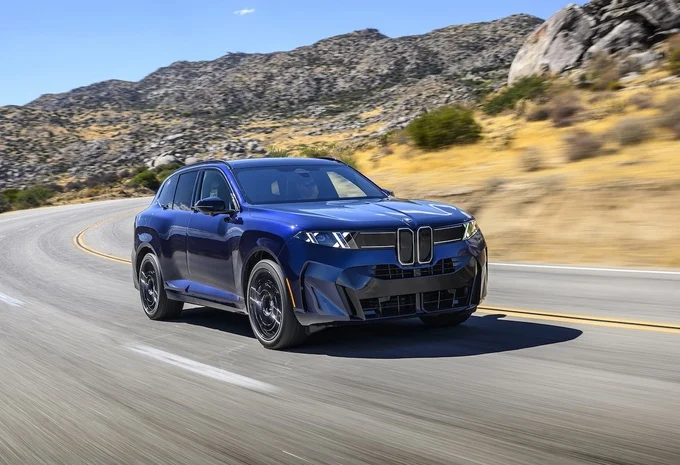
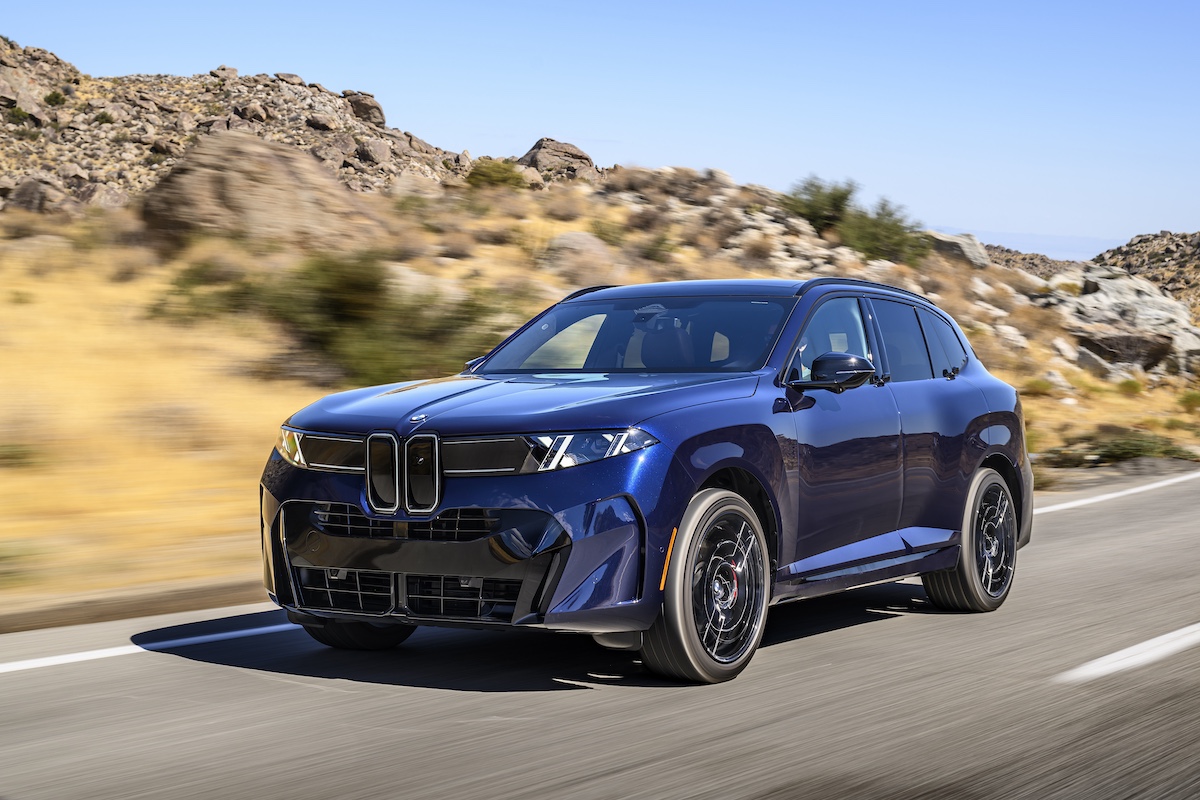
Since its debut in 1999, the BMW X5 has been more than just a vehicle; it has been a paradigm shift. Marketed as a "Sport Activity Vehicle" (SAV), it proved that a high-riding SUV could possess the soul of a sports sedan. Over four generations and 3.5 million units sold, the X5 has defined the premium SUV segment. However, in an industry undergoing its most radical transformation in a century, the legendary X5 had to evolve or risk obsolescence. Enter the 2027 BMW iX5 60 xDrive—the electrifying future of a motoring icon.
Main Facts: The Electrified Icon
The iX5 60 xDrive is not merely an electrified version of its predecessor; it is a clean-sheet technological tour de force built upon the bedrock of BMW’s "Neue Klasse" philosophy. By integrating massive investment in battery production—including five global battery plants—and a dedicated electric vehicle platform, BMW has moved the X5 into a new epoch.
Key technical specifications for the iX5 60 xDrive include:
- Powertrain: Dual-motor all-wheel-drive system (6th generation eDrive).
- Total Output: 578 hp (425 kW) and a staggering 805 Nm of torque.
- Acceleration: 0 to 100 km/h in just 4.6 seconds.
- Top Speed: Electronically limited to 210 km/h.
- Battery: A massive 141 kWh (net) capacity, utilizing cell-to-pack technology for superior energy density.
- Architecture: 800V system enabling rapid charging from 10% to 80% in approximately 23 minutes.
Chronology: From SAV to Battery-Electric Power
The journey of the X5 is a mirror of the automotive industry’s evolution.
- 1999: The first generation X5 sets the gold standard for dynamic SUVs, blending luxury with genuine handling prowess.
- 2000–2025: Four generations refine the formula, introducing xDrive all-wheel drive, plug-in hybrid (PHEV) variants, and increasingly sophisticated chassis electronics.
- 2026: BMW solidifies its "Neue Klasse" strategy, prioritizing modular platforms that support internal combustion, hydrogen fuel cell, and full-battery electric (BEV) technologies.
- 2027: The official arrival of the iX5, marking the brand’s total commitment to electric performance for its flagship SUV.
Supporting Data: Engineering the "Heart of Joy"
The iX5 is a masterclass in modern systems integration. Central to its behavior is the "Heart of Joy," a proprietary, high-performance supercomputer tasked with managing the vehicle’s dynamics. This unit synchronizes the powertrain, steering, and suspension in real-time, ensuring that the sheer weight of the vehicle is masked by electronic precision.
Dimensions and Practicality
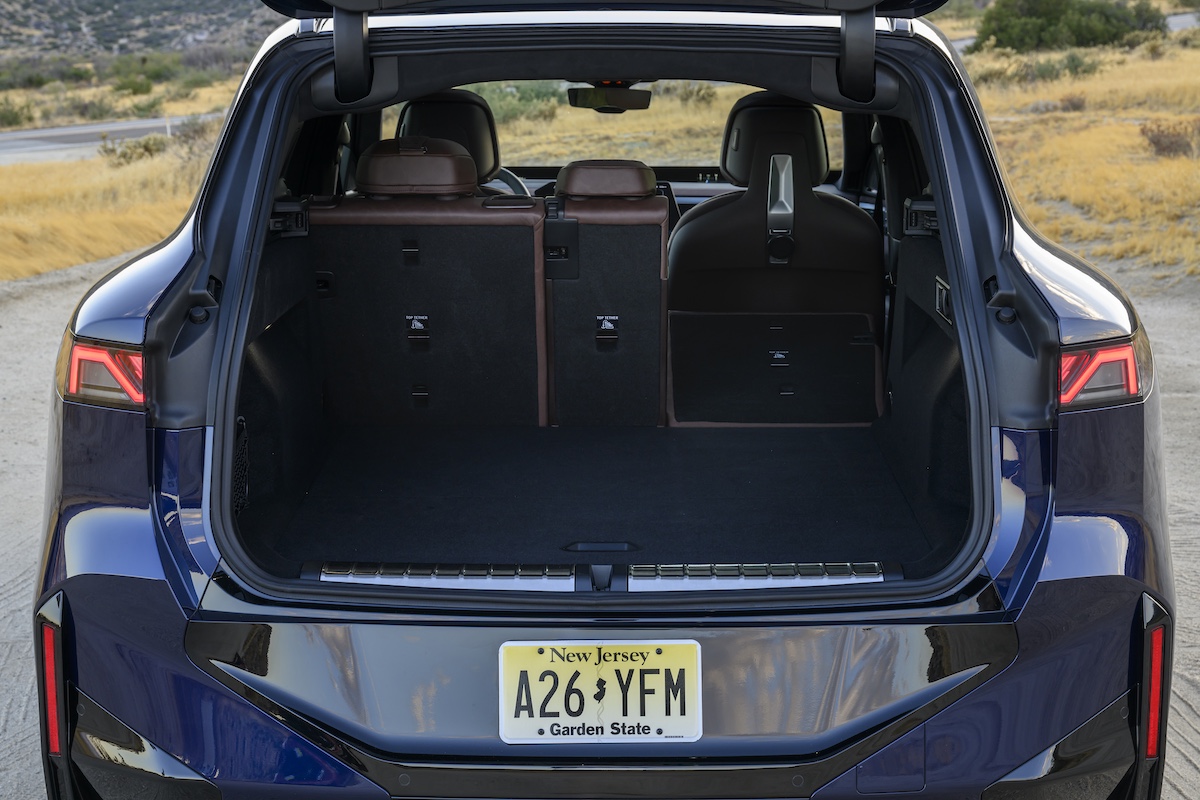
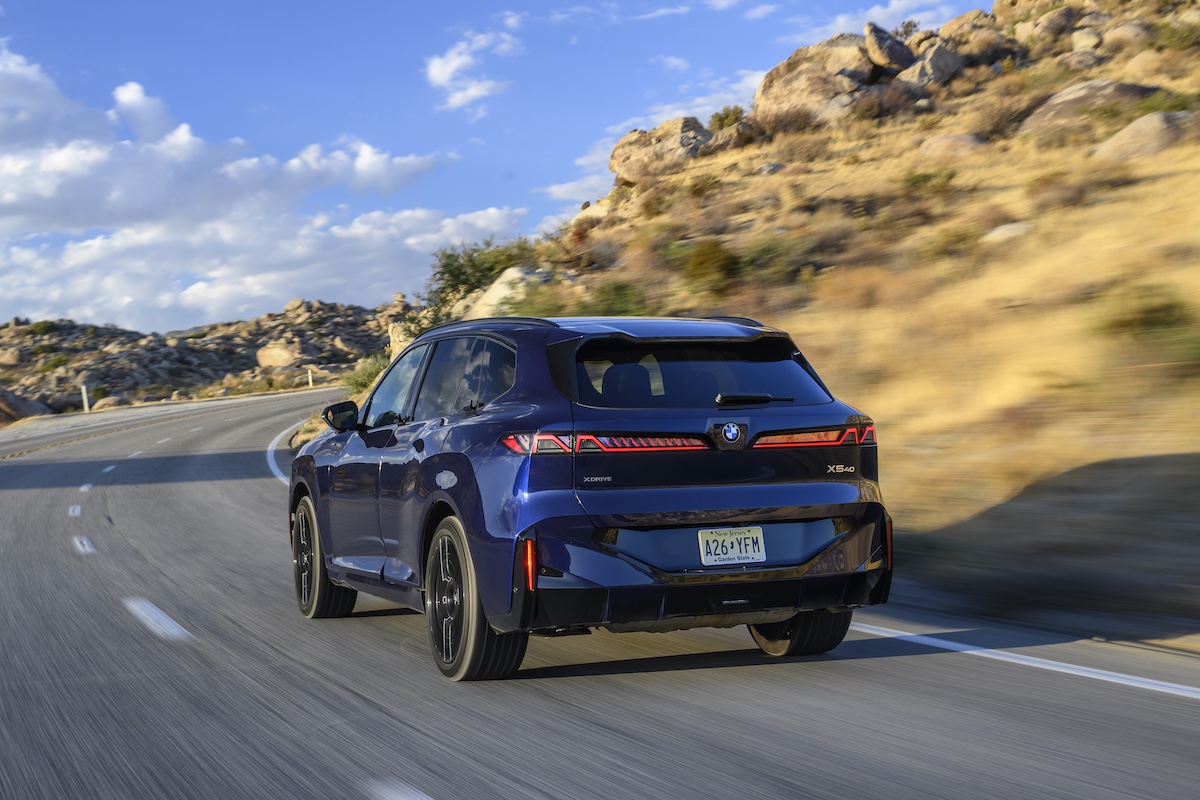
The iX5 is a titan. Measuring 4.99 meters in length, 2 meters in width, and 1.75 meters in height, it dwarfs the original 1999 X5. However, this scale serves a purpose: a 3.03-meter wheelbase allows for the packaging of the massive 141 kWh battery pack within the floor, without compromising interior volume. Cargo capacity is a generous 655 liters, expandable to 1,850 liters, supplemented by a 53-liter "frunk" for charging cables and smaller items.
The Cabin Experience
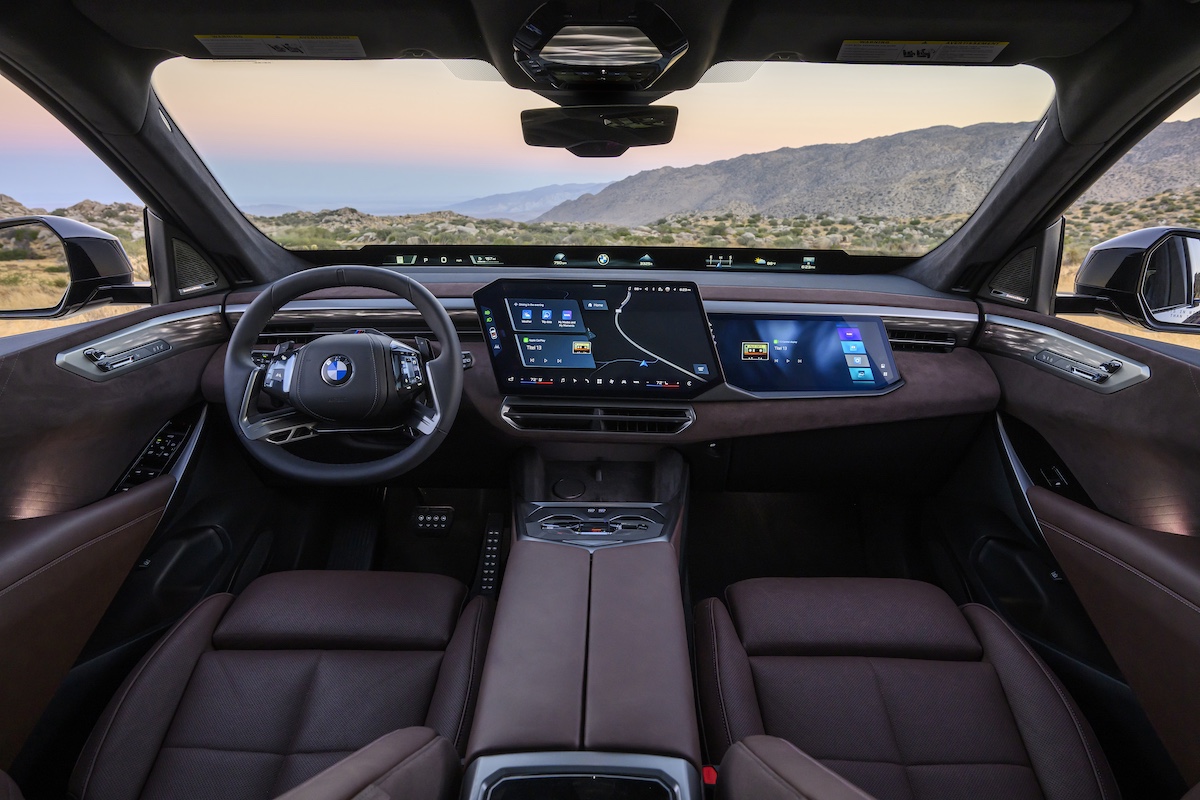
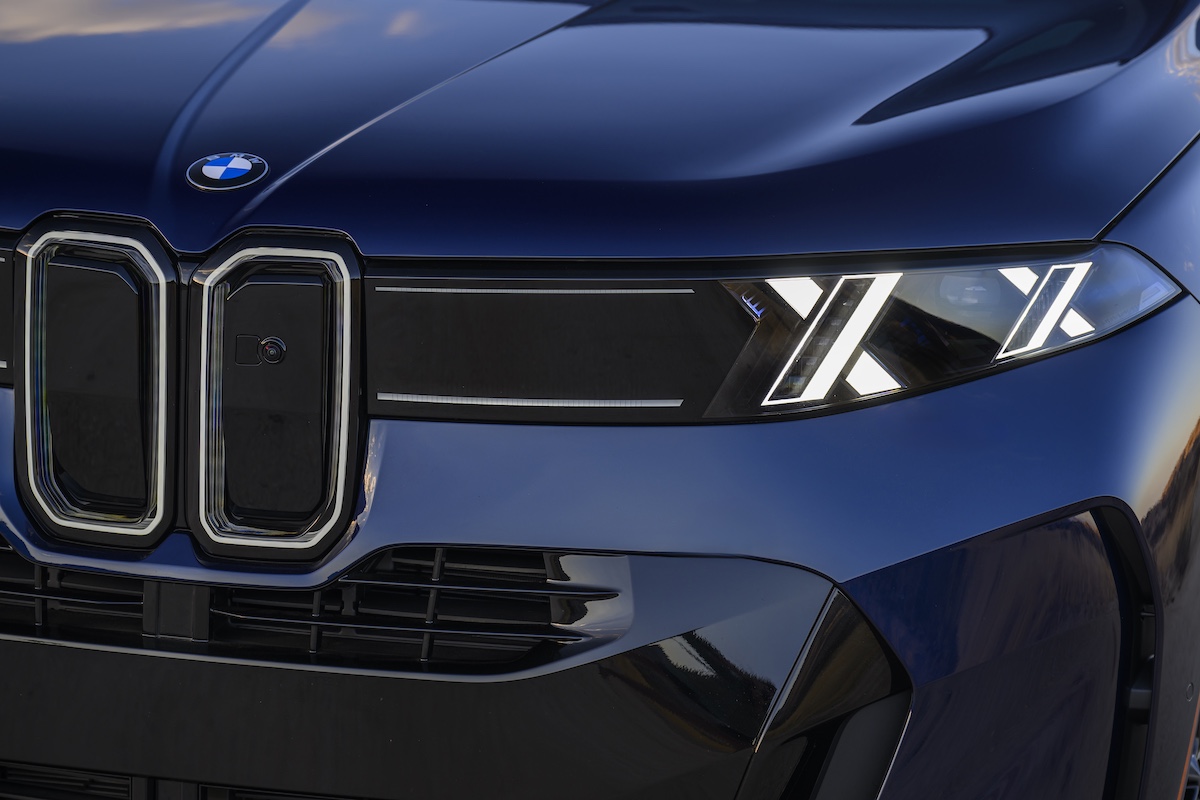
Inside, the digital interface is dominated by the BMW Panoramic Vision system—a projection display spanning the base of the windshield. Complemented by a 17.9-inch central infotainment screen and an optional 14.6-inch passenger display, the interior is a high-tech lounge. BMW has cleverly implemented privacy filters on the passenger screen to prevent driver distraction, ensuring the system remains compliant with safety regulations while offering premium entertainment.
Chassis Sophistication
To manage the vehicle’s significant mass, BMW has equipped the iX5 with:
- Adaptive Air Suspension: Standard across the range, allowing for a 10–20 mm reduction in ride height at speed to optimize aerodynamics.
- Rear-Wheel Steering: Reduces the turning radius by 80 cm, providing agility in urban environments and stability on highways.
- Active Roll Stabilization: Utilizing a 48V system, these bars decouple in straight lines for comfort and stiffen during cornering to eliminate body roll.
Official Perspectives: The Engineering Dilemma
During the development of the iX5, BMW engineers faced the "cruel dilemma" of the electric era: the trade-off between range and weight. By opting for a massive 141 kWh battery, the company has secured a WLTP range between 645 and 845 km. However, this battery size adds considerable weight, which in turn necessitates more robust—and heavy—chassis components to maintain the desired "BMW dynamic feel."
The company maintains that this is a necessary step in the transition period. According to internal reports, the decision to use a multi-energy platform ensures that the X5 remains relevant in markets where charging infrastructure is still maturing, while simultaneously pushing the boundaries of what is possible with current battery chemistry.
Implications: The Future of the Premium Segment
The arrival of the iX5 60 xDrive carries profound implications for the luxury SUV market.
1. Market Positioning
With a starting price of approximately €102,500, the iX5 faces stiff competition from the Porsche Cayenne Electric and the Range Rover Sport Electric. However, to match the BMW’s 578 hp, competitors must move up to their higher-performance tiers, often at a significantly higher price point. This positions the iX5 as a high-value proposition for those seeking both status and cutting-edge electric performance.
2. The Weight Problem
The iX5 sits just 3 kilograms under the 3.5-tonne Gross Vehicle Weight Rating (GVW) limit for a standard passenger vehicle license (in European markets). This is a testament to the engineering constraints the industry faces. The reliance on complex electronics to "fix" the physical limitations of weight suggests that we are reaching the ceiling of what can be achieved through software alone. As battery technology advances, the next challenge will be "light-weighting" without sacrificing the range that consumers now demand.
3. Sustainability and Energy Efficiency
While the iX5 is a triumph of engineering, it forces a conversation about energy efficiency. Is a 141 kWh battery truly necessary for the average commute, or is it a luxury crutch? BMW’s ability to achieve such high efficiency (20.1 to 23.9 kWh/100 km) is impressive, but the environmental cost of producing such large battery packs remains a topic of scrutiny.
Final Verdict: A Technological Masterpiece
The BMW iX5 60 xDrive is an undeniable technical marvel. It captures the essence of the "Ultimate Driving Machine" and translates it into the language of electrons and silicon. The way the Heart of Joy manages torque distribution, active roll control, and regenerative braking creates a driving experience that is remarkably fluid, effectively hiding the vehicle’s massive curb weight.
However, the iX5 also marks a turning point in the automotive narrative. It is a vehicle that pushes the boundaries of current technology to satisfy the dual requirements of range and performance. Whether this path of "more power and more battery" is the final destination for the industry or a transition to a more efficient future remains to be seen. For now, the iX5 stands as a bold statement from Munich: the SUV has successfully completed its evolution, and it is more powerful, more capable, and more complex than ever before.
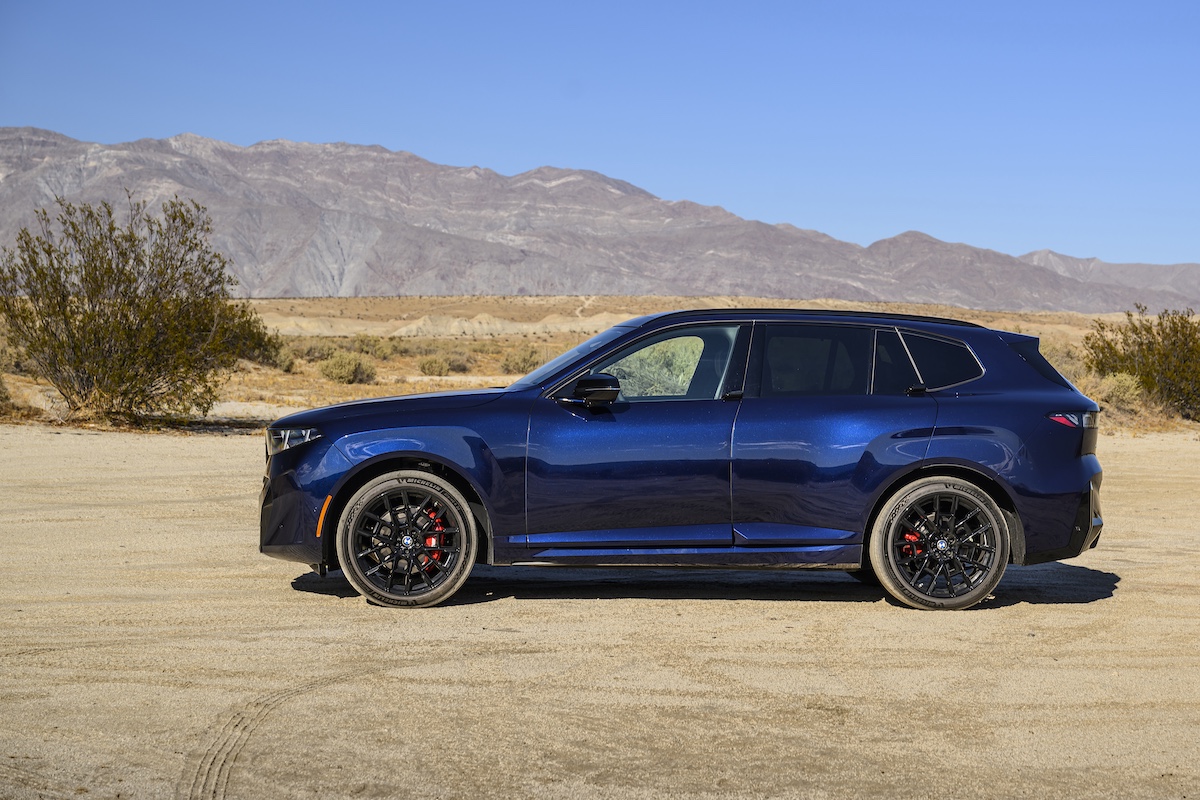
As we look toward the 2027 market release, the iX5 will undoubtedly be the benchmark by which all other premium electric SUVs are measured—not just for what it can do, but for the sophisticated, intelligent way it does it.
