

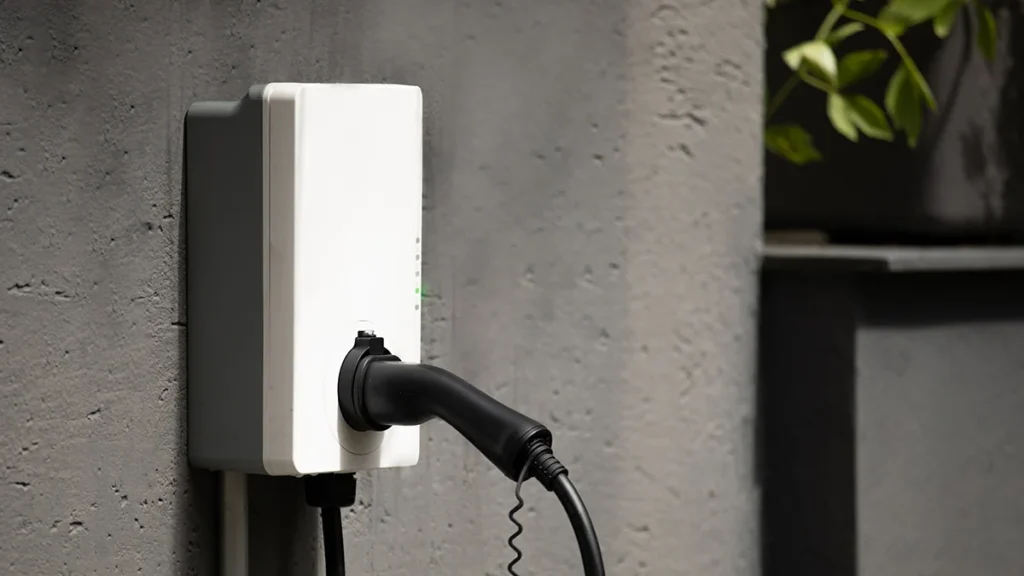
As the electric vehicle (EV) revolution accelerates globally, the infrastructure supporting it is expanding in parallel. Yet, despite significant public investments aimed at densifying charging networks across territories, motorists frequently face the reality of out-of-order public terminals, long queues, or inconvenient distances from their homes. For many EV owners, the ultimate convenience lies not in the public square, but in the private garage.
Installing a domestic charging station, commonly known as a Wallbox, has rapidly transformed from a luxury convenience into an essential utility for modern drivers. Beyond offering unmatched daily comfort—allowing vehicle owners to wake up to a full battery every morning—it yields substantial long-term savings on refueling costs. However, bringing this technology home requires careful financial planning. From the purchase price of the equipment to professional installation fees and the ongoing impact on domestic electricity bills, navigating the economics of home EV charging demands a comprehensive approach.
1. Main Facts: The Realities of Home EV Charging
Investing in a home charging station is a multi-layered financial commitment that extends well beyond clicking "buy" on an e-commerce platform. To understand the investment fully, prospective buyers must break down the ecosystem into three primary pillars: hardware acquisition, professional installation, and ongoing energy consumption.
The Hardware Spectrum: What Does a Wallbox Cost?
The market for domestic charging stations is as diverse as the vehicles they power. Prices typically range from €500 to €5,000, heavily dictated by the unit’s power output, build quality, and smart features.
- Entry-Level Units (€500 – €600): These basic Wallboxes cater to budget-conscious consumers. They typically handle essential charging tasks without advanced connectivity. Equipped with built-in screens to display basic metrics like energy delivered and charging duration, they provide reliable charging without unnecessary bells and whistles.
- Mid-Range & Best-Selling Units (€950+): The sweet spot for most consumers is a versatile, adjustable power unit ranging from 3.7 kW to 22 kW. These units often feature remote management capabilities via smartphone applications, allowing users to monitor charging sessions, schedule top-ups during off-peak hours, and track energy consumption remotely.
- High-End Smart Chargers (Up to €5,000): At the luxury end, premium stations offer advanced load balancing, biometric or RFID access security, solar panel integration, and sleek architectural designs tailored for luxury modern homes.
Professional Installation: The IRVE Standard
Unlike plugging a toaster into a wall outlet, high-power EV chargers demand rigorous electrical work. In many jurisdictions, any charging station delivering more than 3.7 kW legally or safely requires installation by a certified professional—specifically electricians certified in IRVE (Infrastructure de Recharge de Véhicule Électrique) standards.
On average, the baseline cost for standard professional installation hovers around €700. This fee generally covers labor, standard cabling, circuit breakers, protective differentials, and minor civil engineering work like drilling or trenching. However, if a home’s electrical panel is outdated, lacks capacity, or requires extensive rewiring to support a continuous high-load appliance, installation costs can skyrocket.
The Ongoing Energy Equation
Once the hardware is installed and paid for, the recurring cost shifts to the household utility bill. While electricity is universally cheaper than fossil fuels, powering an EV at home will noticeably shift monthly energy consumption.
Average electricity costs fluctuate between €0.14 and €0.19 per kilowatt-hour (kWh), depending on the energy provider, regional tariffs, and time-of-use pricing structures. By leveraging off-peak hours—when electricity demand and utility rates drop—drivers can drastically slash their per-kilometer costs. For instance, charging a popular compact EV like a Renault ZOE costs approximately €3 per 100 km during standard peak hours, dropping to roughly €2 per 100 km during off-peak hours. Multiplied over tens of thousands of kilometers driven annually, these differences compound into significant household savings.
2. Chronology: The Evolution of Residential EV Integration
To understand how domestic charging reached its current state, it is helpful to trace the evolution of the EV market and its supporting infrastructure over the past decade and project its immediate future.
Phase 1: The Wild West of Early EV Adoption (2010–2015)
In the early days of modern mass-market electric vehicles, home charging was often an afterthought. Early adopters relied heavily on standard domestic socket outlets (known as Mode 2 charging). These trickle chargers were notoriously slow, taking upwards of 12 to 24 hours to replenish a battery, and posed genuine risks of electrical overheating in older homes unequipped to handle sustained high-draw loads. Dedicated residential Wallboxes were rare, expensive, and largely manufactured by niche automotive suppliers rather than mainstream electrical firms.
Phase 2: Standardization and Safety Regulations (2015–2020)
As EV adoption transitioned from niche enthusiasts to early mainstream buyers, safety and speed took center stage. Regulatory bodies across Europe and North America began establishing strict electrical codes. The introduction of certified installer programs—such as the IRVE framework in France—ensured that residential charging installations met rigorous industrial safety standards. Simultaneously, Type 2 connectors became the regional standard, and manufacturers began integrating Wi-Fi and Bluetooth connectivity into Wallboxes, shifting them from "dumb" electrical sockets to smart home appliances.
Phase 3: The Smart Grid and Dynamic Pricing Era (2020–Present)
Today, home charging is deeply intertwined with smart grid technology. With energy prices fluctuating and renewable energy integration becoming a priority, modern Wallboxes are designed to communicate not just with the vehicle and the smartphone, but with the home’s energy ecosystem. Dynamic tariff integration allows chargers to automatically initiate sessions when wind or solar power floods the grid, or when local utility rates hit their daily lows. The market has matured to offer tiered pricing, online comparison tools for hardware, and streamlined quoting processes for certified installers.
Phase 4: The Horizon (2025 and Beyond)
Looking forward, the timeline of residential charging points toward Vehicle-to-Home (V2H) and Vehicle-to-Grid (V2G) technologies. Future Wallboxes will not only draw power from the grid to fill car batteries but will also be capable of feeding stored vehicle energy back into the home during peak blackout hours or high-tariff windows, transforming EVs into mobile domestic power storage units.
3. Supporting Data: Market Metrics and Financial Breakdowns
A rigorous financial analysis requires looking closely at the numbers governing hardware selection, installation variables, and running costs. The data below synthesizes current market trends for residential charging setups.
Table 1: Wallbox Categories, Features, and Price Points
| Category | Price Range | Typical Power Output | Key Features & Target Audience |
|---|---|---|---|
| Entry-Level | €500 – €600 | 3.7 kW – 7.4 kW | Basic functionality, integrated display screens, no smart connectivity. Ideal for budget-conscious drivers with predictable schedules. |
| Mid-Range (Best-Sellers) | €950 – €1,500 | 3.7 kW – 22 kW | Adjustable power, remote smartphone control, Wi-Fi/Bluetooth integration, dynamic load management. The choice for 70% of households. |
| High-End / Premium | €2,000 – €5,000 | 11 kW – 22 kW | Solar surplus optimization, biometric/RFID access, premium architectural finishes, advanced V2H/V2G readiness. |
Table 2: Installation Cost Factors
| Component | Average Cost | Variables & Potential Surcharges |
|---|---|---|
| Standard Labor & Commissioning | €700 | Included basic setup, mounting, and testing by an IRVE-certified electrician. |
| Electrical Panel Upgrade | €300 – €1,500+ | Required if the home’s main circuit breaker panel lacks space or amperage capacity. |
| Long-Run Cabling & Trenching | €150 – €1,000+ | Dependent on the distance between the main electrical panel and the parking spot/garage. |
Table 3: Operational Cost Comparison (Per 100 km)
| Fuel / Charging Type | Average Cost per 100 km | Annual Cost (15,000 km baseline) |
|---|---|---|
| Gasoline / Diesel (ICE Vehicles) | €10.00 – €14.00 | €1,500 – €2,100 |
| EV Home Charging (Peak Hours) | €3.00 | €450 |
| EV Home Charging (Off-Peak Hours) | €2.00 | €300 |
Data compiled from regional energy market studies, automotive consumer reports, and average European utility tariffs.
4. Official Responses and Industry Perspectives
As the landscape of residential EV infrastructure shifts, key stakeholders—ranging from consumer advocacy groups and electrical safety authorities to automotive manufacturers and energy providers—have articulated clear stances on the rollout of home Wallboxes.
Electrical Safety Authorities and Certified Installers
Safety organizations have maintained a rigid stance regarding DIY installations. Industry regulators emphasize that improper installation of high-amperage electrical equipment remains a primary fire hazard in residential settings.
"An electric vehicle charger is not a household appliance you simply plug into the wall; it is an industrial-grade load running continuously for hours," notes a spokesperson for the National Electrical Safety Board. "Mandating certified professionals like IRVE technicians is non-negotiable for safeguarding domestic infrastructure against thermal overloads and short circuits."
Energy Providers and Smart Grid Advocates
Major utility providers have increasingly embraced residential charging stations, viewing them not as a strain on the grid, but as a flexible asset. Through the deployment of smart-metering and time-of-use tariffs, energy companies actively encourage consumers to charge during off-peak hours.
Utility representatives point out that mass unmanaged daytime charging could overwhelm local transformers. However, when paired with smart Wallboxes that automate off-peak charging, residential EVs help balance grid demand curves, absorbing excess baseline or renewable energy generated overnight.
Automotive Manufacturers
Automakers continue to bundle home charging solutions directly into the vehicle purchasing experience. Major brands routinely partner with certified installation networks to offer turnkey packages to buyers.
"When a customer buys an EV, removing friction from the charging experience is our top priority," states a senior retail director for a major European automotive group. "Offering transparent pricing for home Wallbox installation alongside the vehicle purchase gives consumers the confidence they need to make the switch from internal combustion engines."
5. Implications: What Home Charging Means for Consumers, the Grid, and the Market
The widespread adoption of residential Wallboxes carries profound implications across multiple sectors, fundamentally reshaping consumer habits, real estate values, and energy markets.
Consumer Empowerment and Financial Predictability
For the everyday motorist, installing a home charging station breaks the psychological barrier known as "range anxiety." Knowing that a fully energized vehicle awaits every morning shifts the driving paradigm away from the frantic search for public fuel stations. Financially, while the upfront capital expenditure of €1,200 to €2,500 (combined hardware and installation) can feel daunting, the amortization is rapid. When compared to the high and volatile costs of fossil fuels, the operational savings mean the system typically pays for itself within two to three years of moderate driving.
Real Estate and Property Valuation
As electric vehicles transition from early-adopter novelties to household standards, domestic infrastructure is quietly influencing real estate values. Properties equipped with pre-installed, high-capacity Wallboxes possess a distinct competitive advantage in the housing market. Real estate analysts note that future-proofed homes featuring dedicated EV infrastructure attract higher buyer interest, signaling that sustainable mobility amenities are joining fiber-optic internet and modern insulation as core markers of a desirable modern property.
Strain and Opportunity for the Electrical Grid
While individual homeowners reap financial rewards, the aggregate impact on local electrical grids requires careful management. Millions of homes drawing high currents simultaneously could strain neighborhood distribution transformers if left unmanaged.
However, this challenge acts as a catalyst for innovation. The rise of smart charging infrastructure paves the way for automated load-shedding, vehicle-to-grid integration, and localized micro-grids powered by residential solar panels. Rather than destabilizing the grid, home charging networks—when intelligently managed—will form the backbone of a decentralized, highly resilient energy ecosystem.
Conclusion: Navigating the Investment
Ultimately, purchasing and installing a home EV charger is an investment in autonomy, efficiency, and long-term savings. By utilizing online price comparators to select the ideal hardware, soliciting multiple competitive quotes from certified installers, and leveraging off-peak electricity tariffs, consumers can turn the transition to electric mobility into a seamless and economically sound upgrade to their daily lives.
