

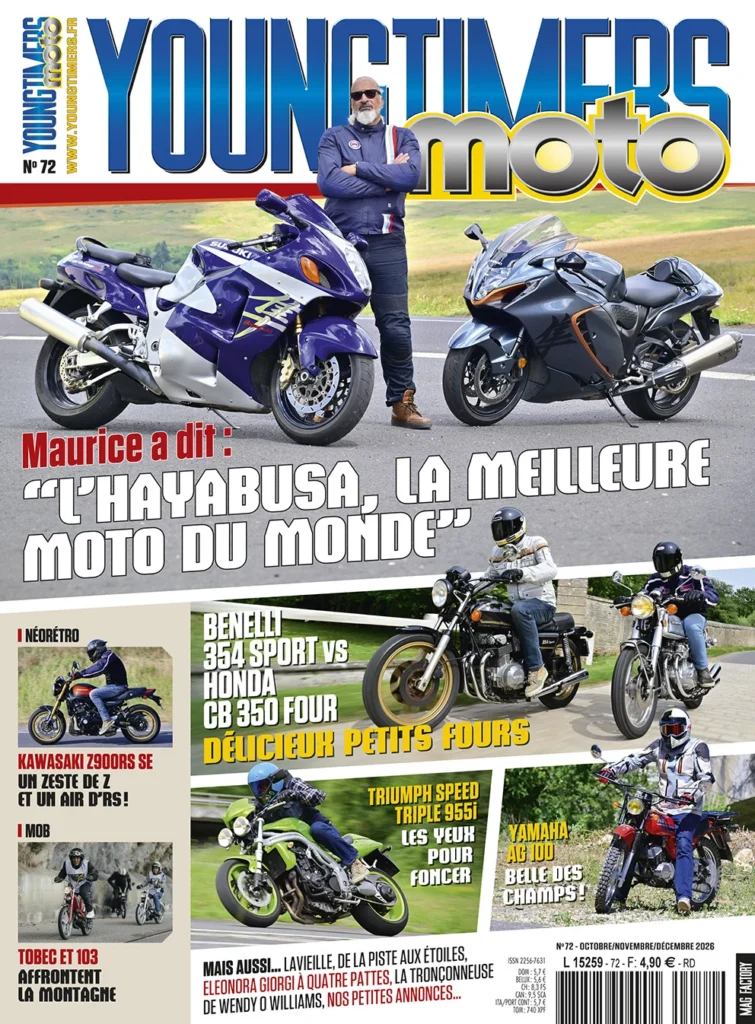
October 10, 2026 — For motorcycle enthusiasts who yearn for the golden eras of engineering, raw mechanical feedback, and styling that defined generations of two-wheeled culture, the wait is finally over. Youngtimers Moto has officially dropped its highly anticipated Issue No. 72, covering the vibrant landscape of classic, retro, and modern-classic motorcycles for the final quarter of 2026 (October, November, and December).
Priced accessibly and available nationwide at newsstands—as well as online with free shipping options—this latest edition dives deep into machines that changed the rules of the road. From earth-shattering hyperbikes to nostalgic small-displacement classics and rugged utility machines, Issue No. 72 proves that the passion for the "youngtimer" motorcycle movement is stronger than ever.
Main Facts: What’s Inside Youngtimers Moto No. 72
The latest issue packs a diverse editorial punch, curating a lineup that balances high-performance icons with quirky everyday machinery and modern retro interpretations. The core features of Issue No. 72 include:
- The Ultimate Land Missile: A deep dive into the legendary Suzuki Hayabusa, exploring its legacy as the ultimate high-speed cruiser and its enduring impact on motorcycle culture.
- Small-Displacement Symphony: A comparative look at the charming and melodic mid-size multi-cylinder classics: the Benelli 354 Sport and the Honda CB 350 Four.
- British Bad Boy: A celebration of the raw, aggressive attitude of the Triumph Speed Triple 955i, a machine that helped define the unapologetic streetfighter aesthetic of the turn of the millennium.
- The Unsung Workhorse: A fascinating spotlight on the Yamaha AG 100, proving that utility bikes have a unique charm and historical footprint worth preserving.
- Modern Retro Mastery: An analysis of the Kawasaki Z900RS SE, bridging the gap between vintage Z-line styling and contemporary premium componentry.
- Two-Stroke Adventure: An evocative feature documenting a scenic moped road trip through the majestic mountains of the Chartreuse massif (Mobs en Chartreuse).
Chronology of Evolution: Tracing the Machines of Issue 72
To fully understand the weight of the motorcycles featured in this issue, it helps to trace their historical placement across the timeline of motorcycle evolution.
1. The 1970s: The Dawn of Accessible Multi-Cylinder Ingenuity
The inclusion of the Honda CB 350 Four and the Benelli 354 Sport takes readers back to an era when manufacturers were eager to pack as many cylinders as possible into smaller engine displacements.
- 1972–1974: Honda introduces the CB 350 Four, offering butter-smooth inline-four refinement to riders who wanted the sophistication of a big bike in a lightweight, manageable package.
- Late 1970s: Benelli answers the call with Italian flair, rolling out models like the 354 Sport, injecting De Tomaso-era styling and Italian acoustics into the small-displacement multi-cylinder category.
2. The 1980s–1990s: Utility and the Rise of the Streetfighter
- 1980s Onward: Utility machines like the Yamaha AG 100 quietly went about their business on farms, ranches, and rural paths worldwide. Though lacking the glamour of sportbikes, their rugged durability earned them a cult following.
- 1997: Triumph unveils the Speed Triple 955i. Stripped of its fairings and powered by a booming inline-triple engine, it becomes the poster child for the factory streetfighter movement, blending track-derived performance with an unmistakable "bad boy" image.
3. The Turn of the Millennium: The Speed Wars
- 1999: Suzuki unleashes the GSX1300R Hayabusa. Capable of shattering the 300 km/h (186 mph) barrier out of the box, it instantly claims the title of the world’s fastest production motorcycle, sparking an unspoken speed war that ultimately led to a gentleman’s agreement among manufacturers to self-limit top speeds.
4. The Modern Era: Nostalgia Meets Performance
- 2018–Present: Kawasaki bridges the past and the future with the Z900RS line, culminating in premium iterations like the Z900RS SE. Featuring top-tier suspension (such as Öhlins components) and braking systems wrapped in iconic 1970s Z1 "Yellow Ball" livery, it proves that modern riders crave vintage soul backed by modern reliability.
Supporting Data & Market Analysis
The resurgence of interest in youngtimer motorcycles is not merely anecdotal; it is backed by shifting market trends across Europe and North America. According to automotive market analysts, the valuation of motorcycles built between 1980 and 2000 has seen a steady upward trajectory over the past five years.
| Motorcycle Model | Era / Year Range | Primary Market Appeal | Estimated Value Trend |
|---|---|---|---|
| Honda CB 350 Four | 1972–1974 | Vintage collectors, café racer base | Steady appreciation |
| Benelli 354 Sport | Late 1970s | Rare find, Italian design enthusiasts | Rising sharply due to scarcity |
| Yamaha AG 100 | 1980s–2000s | Rural utility, quirky restoration projects | Stable, highly affordable |
| Triumph Speed Triple 955i | Late 90s / Early 2000s | Generation X nostalgia, streetfighter fans | Entering peak collector phase |
| Suzuki Hayabusa (Gen 1) | 1999–2007 | High-speed history buffs, customizers | Rapidly solidifying as a blue-chip classic |
| Kawasaki Z900RS SE | Modern Classic | Riders wanting vintage looks with modern safety | High demand (New/Used market) |
As modern motorcycles become increasingly dominated by complex electronics, rider-aid suites, and futuristic styling, enthusiasts are actively seeking out the analog purity of the 1990s and the charismatic engineering of the 1970s. Publications like Youngtimers Moto serve as the critical archives and tastemakers for this growing demographic.
Editorial Perspective and Official Announcements
The editorial team behind Youngtimers Moto has emphasized that Issue No. 72 aims to bridge the generational gap within the riding community. While older riders relish the chance to revisit the machines of their youth, younger generations are discovering the raw mechanical charm of carburetors, hydraulic clutches, and minimalist digital dashboards for the very first time.
In a brief statement released alongside the publication of Issue No. 72, the editorial board highlighted the grassroots appeal of features like the Chartreuse moped tour:
"Motorcycling isn’t just about horsepower figures and lap times. It’s about camaraderie, exploration, and the sheer joy of keeping vintage machinery alive on winding country roads. Whether you’re twisting the throttle of a legendary 300 km/h hyperbike or putting along a mountain pass on a vintage two-stroke moped, the passion remains identical."
The inclusion of the Mobs en Chartreuse feature underscores a wider cultural movement celebrating "moped culture" (la mobylette), which has seen a massive renaissance in France and across Europe. Restored French mopeds (such as Motobécane and Peugeot models) are increasingly viewed as accessible entry points into vintage mechanical restoration.
Implications for Collectors and Enthusiasts
The release of Youngtimers Moto No. 72 carries several implications for the broader motorcycle community:
- Surging Interest in 90s Icons: As machines like the Triumph Speed Triple 955i and early Suzuki Hayabusas cross the 25-year threshold, they are officially shedding their status as "used bikes" and transitioning into recognized classics. Clean, un-modified examples are expected to command premium prices at auction.
- The Rise of Accessible Adventures: Features highlighting low-displacement classics and mopeds reinforce the idea that motorcycle culture does not require a massive financial investment or extreme speeds to be deeply rewarding. The joy of tinkering with simpler engines appeals to a DIY generation of mechanics.
- The Modern Retro Sweet Spot: Bikes like the Kawasaki Z900RS SE demonstrate that manufacturers have successfully cracked the code on emotional purchasing. By combining archival aesthetics with contemporary handling, they keep the spirit of past decades alive in showrooms today.
How to Get Your Copy
Youngtimers Moto No. 72 (October / November / December 2026) is available now. Fans can pick up a copy at local newsstands across France or order it directly through the official Youngtimers online store at the standard cover price, with the added benefit of free shipping.
Whether you are looking to restore a garage find, track market valuations, or simply indulge in rich automotive journalism celebrating the machines that shaped modern motorcycling, Issue No. 72 is an essential addition to any enthusiast’s bookshelf.
