

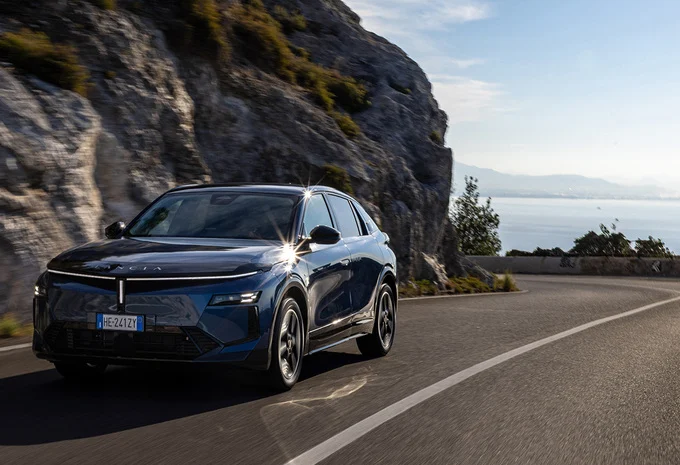
After more than a decade of stagnation, surviving on the singular "Ypsilon life-support system," Lancia has finally embarked on its ambitious European rebirth. Following the successful launch of its revamped urban car in 2024, the storied Italian marque is shifting gears with a project that defines its future: the 2026 Lancia Gamma. This is not merely another product launch; it is a strategic repositioning designed to move the brand into the highly competitive and lucrative premium family SUV segment.
The Strategic Shift: Beyond the "Ypsilon Era"
For years, Lancia existed as a shadow of its former self, constrained by a limited portfolio. The new Gamma signals a radical departure. By targeting the family-sized SUV market—a segment where European manufacturers fight for both volume and high profit margins—Lancia is signaling that it is ready to compete with the heavyweights of the premium sector.
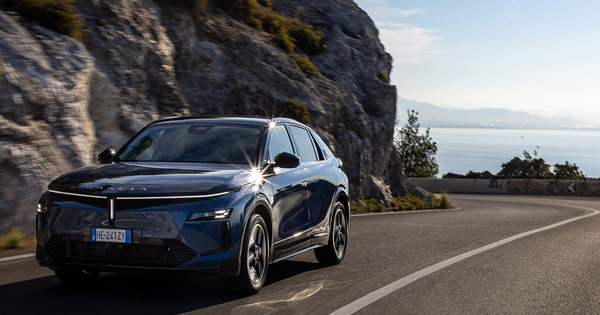
In markets like Belgium, the Gamma is specifically engineered to appeal to corporate fleets. For the brand, this represents a crucial test. It is no longer enough to rely on the "Italian charm" that has defined the brand’s heritage; the Gamma must now satisfy the rigorous demands of fleet managers, who prioritize efficiency, TCO (Total Cost of Ownership), and robust data over romantic design narratives.
Technical Foundation: A Family Affair
Underneath its elegant exterior, the Gamma shares the modular DNA of the Stellantis group. It is built upon the STLA Medium platform, the same architecture underpinning the Peugeot 3008 and 5008, the Opel Grandland, the Citroën C5 Aircross, and the Jeep Compass.
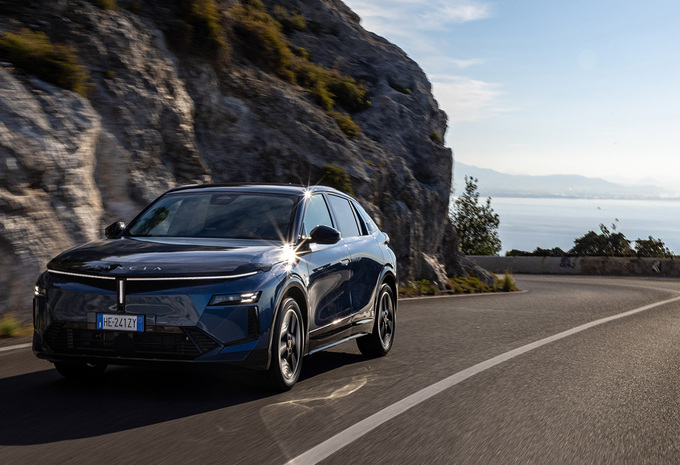
While the technical commonality is evident, Lancia has established a particularly close sibling relationship with the DS 7. Both models share a wheelbase of 2.79 meters, similar overall dimensions, and a common range of battery capacities (73.7 kWh and 97.2 kWh). Furthermore, both vehicles roll off the same production lines at the Melfi factory in Southern Italy, a site that also handles the Jeep Compass. This shared heritage allows for manufacturing efficiency, but Lancia’s design team—the Centro Stile in Turin—has worked tirelessly to ensure that the Gamma maintains a distinct visual identity that separates it from its French and German-influenced cousins.
Design Philosophy: The "Calice" and the Italian Home
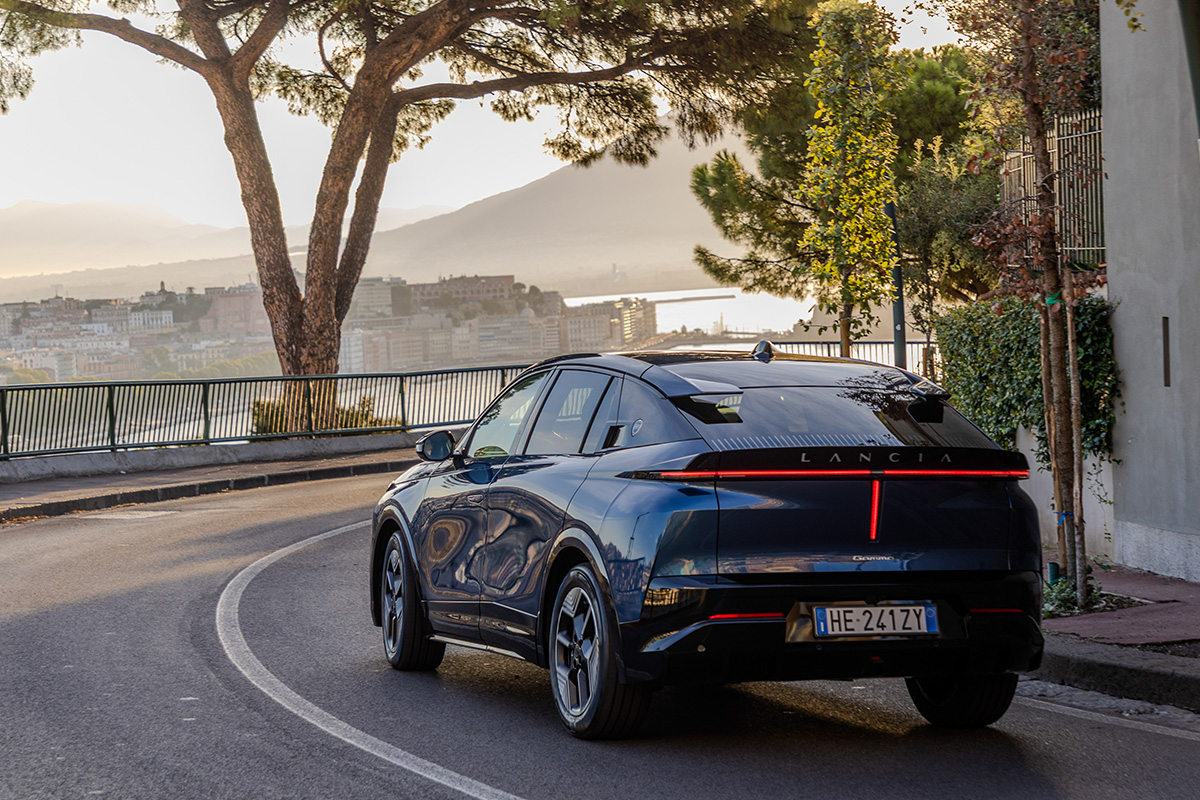
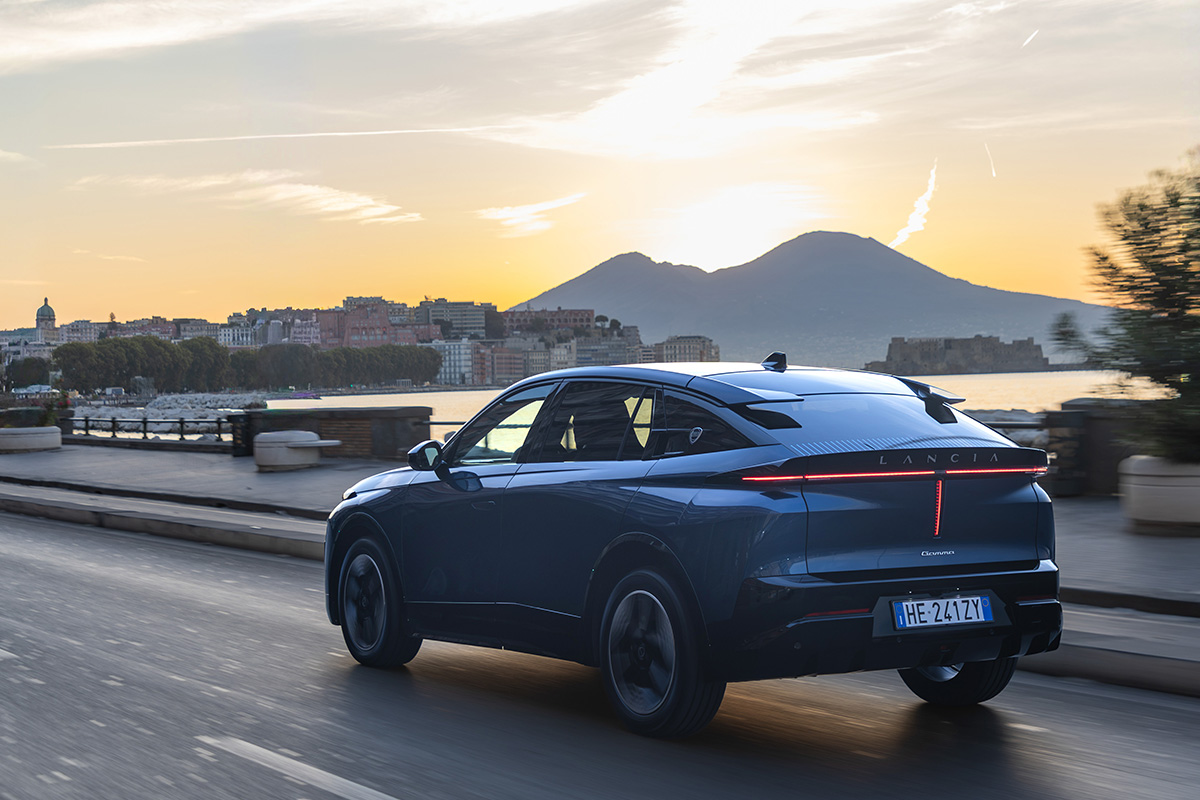
Lancia’s designers have opted for a silhouette that defies simple classification, blending the practicality of an SUV with the sleekness of a fastback sedan. This design choice is intended to offer a unique aesthetic that avoids the "boxiness" often associated with utility vehicles.
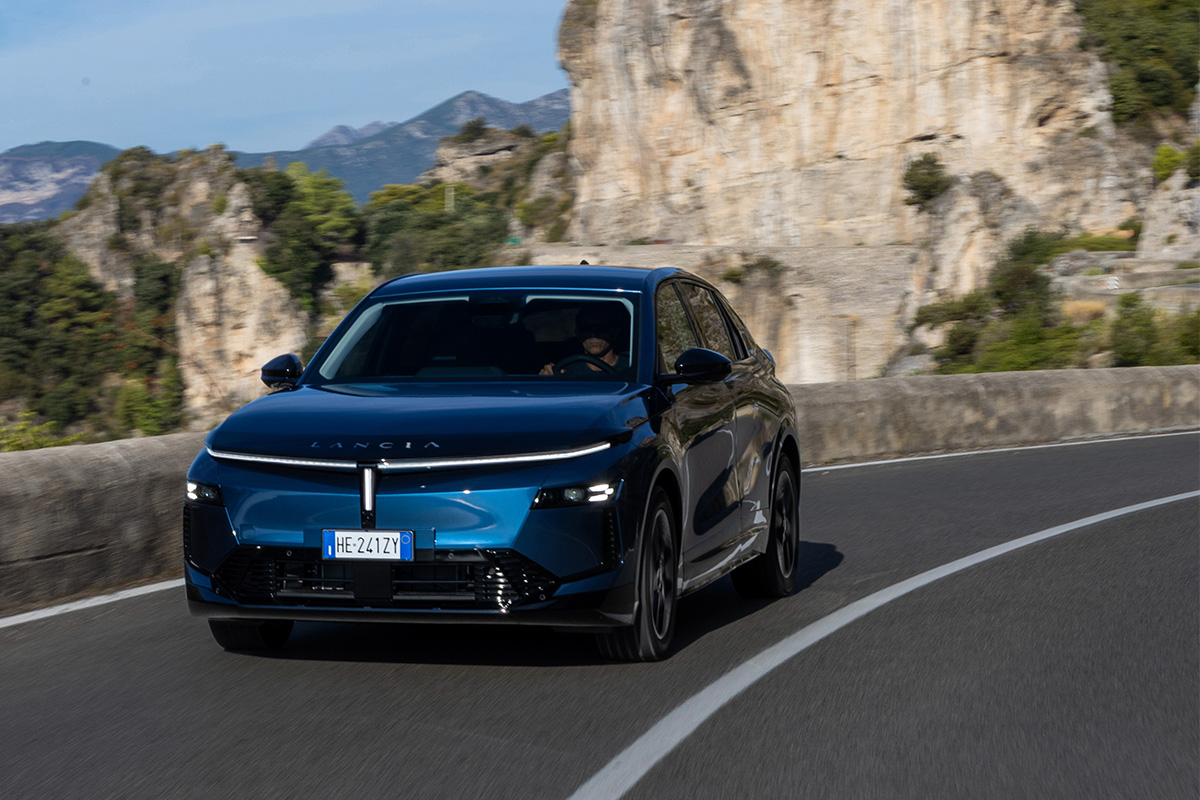
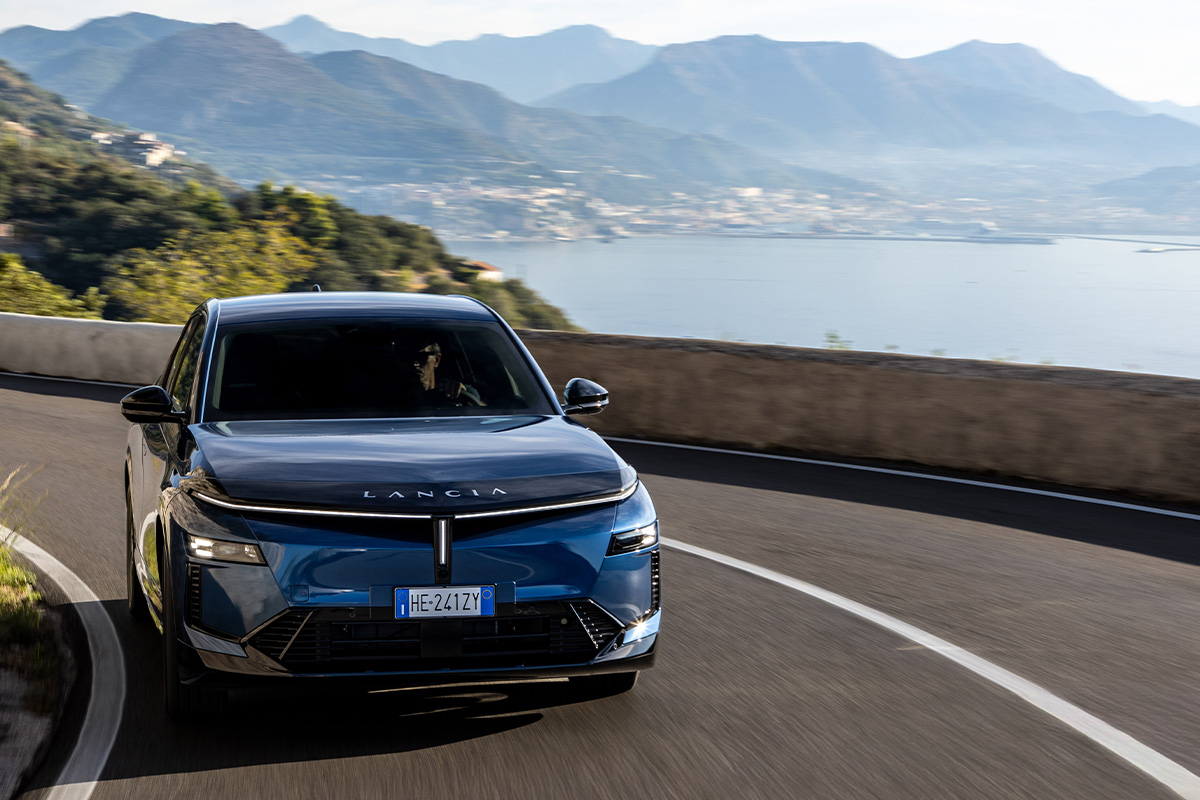
The front and rear feature the new Lancia signature: the "Calice" (Chalice) lighting, characterized by a cross-shaped LED arrangement that ensures immediate recognition on the road. Despite its imposing size, the Gamma is remarkably aerodynamic, achieving a drag coefficient (Cx) of just 0.25—a figure that significantly aids its electric range.
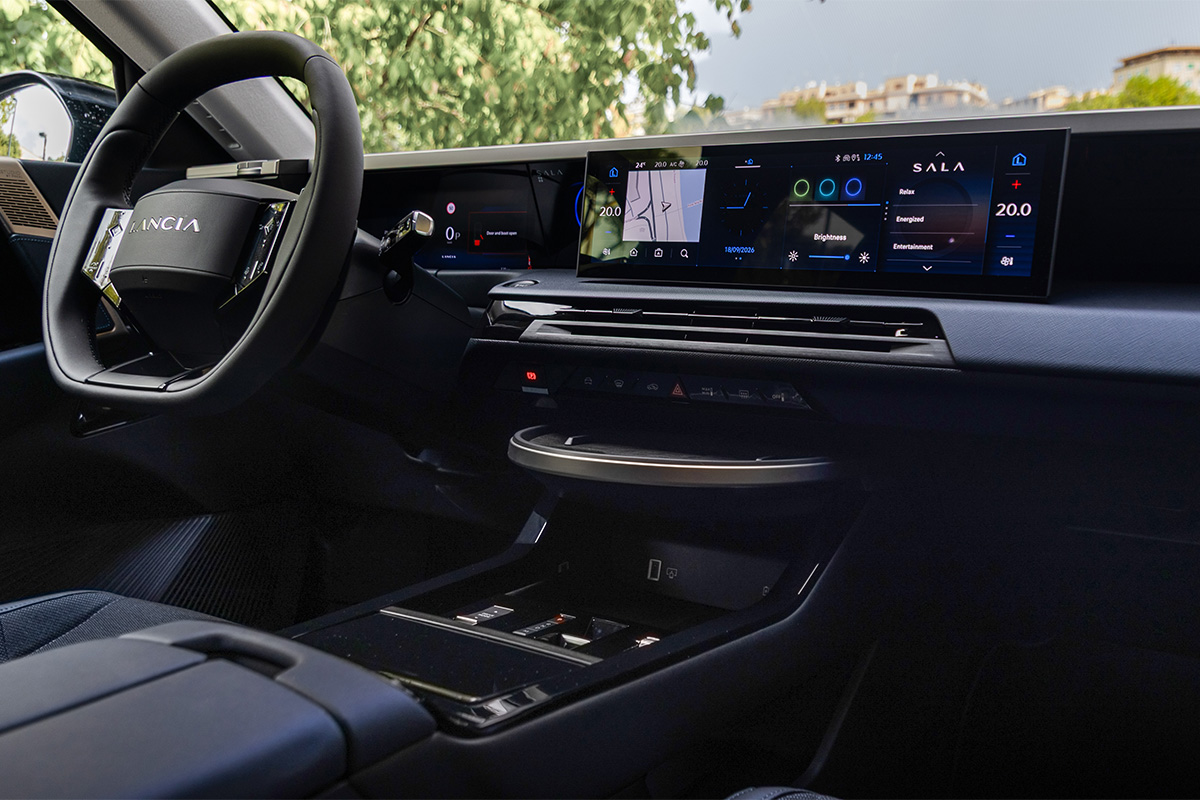
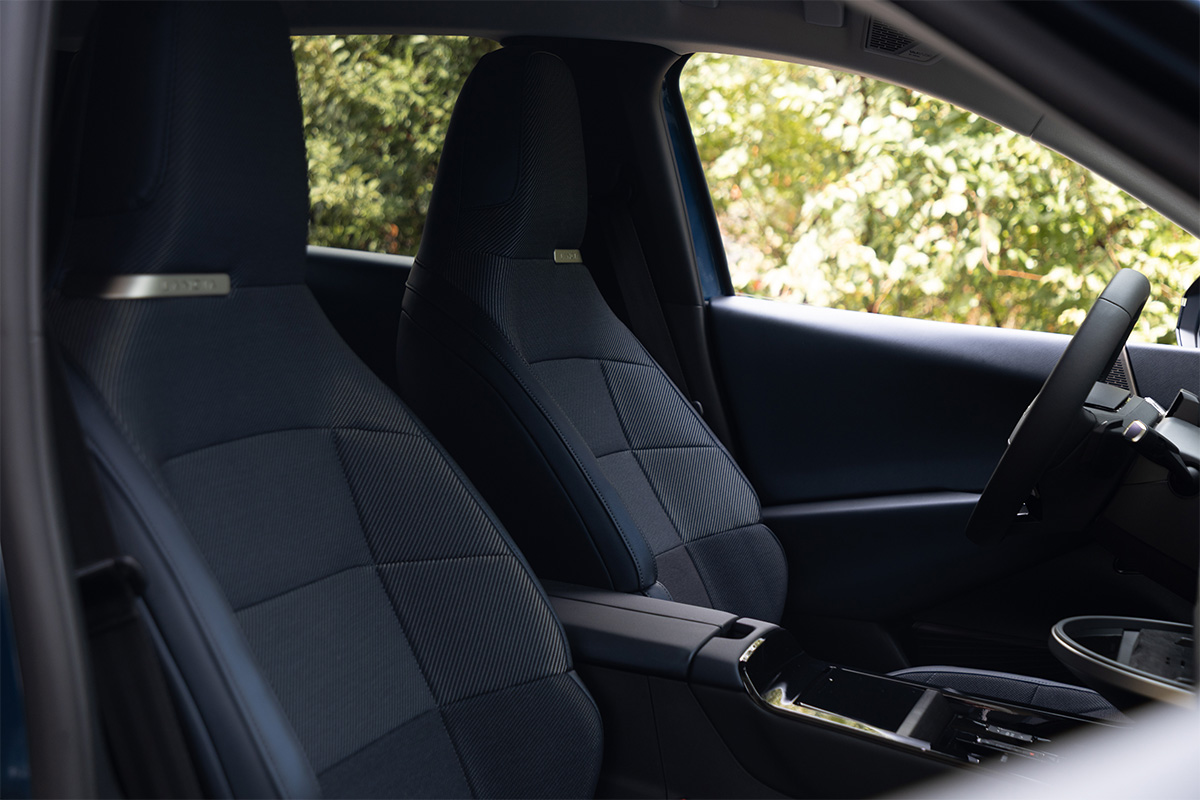
Inside, the brand introduces its "Italian Home Feeling" concept. The interior prioritizes a horizontal dashboard layout, soft ambient lighting, and high-quality, tactile materials. A standout feature is the "coffee table" console between the front seats, a bold design choice that reinforces the brand’s lifestyle positioning, though perhaps one that requires caution during spirited driving. The digital experience is anchored by a 10.25-inch instrument cluster and a 16-inch central display, complemented by a 21-inch virtual head-up display. The integration of the SALA (Sound, Air, Light, Augmentation) system, controlled by a ChatGPT-powered voice assistant, represents a modern, tech-forward approach to the driving experience.
Performance and Power: The "HF" Legacy
The Gamma arrives with three distinct electric powertrains, catering to a broad spectrum of needs:
- Standard Range: A 230 hp motor paired with a 73.7 kWh battery, offering 543 km of range.
- Long Range: A 245 hp motor with a 97.2 kWh battery, delivering an impressive 741 km of WLTP range—a figure that directly challenges range anxiety.
- HF Integrale AWD: The performance flagship. Boasting 375 hp and four-wheel drive, this version pays homage to Lancia’s rallying history.
The "HF" (High Fidelity) badge is a significant emotional hook for enthusiasts. With a 0-100 km/h sprint of 5.1 seconds, it is technically the most powerful production Lancia in history, outpacing the iconic Delta Integrale Evo II of 1994. While purists might debate the comparison between a heavy modern EV and a rally legend, the performance metrics are undeniable.
However, the charging infrastructure remains a point of critique. With a maximum DC charging capacity of 160 kW, the Gamma lags behind some of its rivals. Charging from 20% to 80% takes approximately 27 minutes—a respectable figure, though not market-leading.
Chronology of Development
- 2020-2022: Stellantis confirms the revitalization of Lancia with a three-model plan.
- 2023: Reveal of the Pu+Ra HPE concept, setting the design language for the future of the brand.
- 2024: Market entry of the new Ypsilon, marking the official end of the "perfusion" era.
- 2026: Global launch of the Gamma, the brand’s first dedicated electric-first flagship in the modern era.
Supporting Data: The Hybrid Alternative
Lancia recognizes that the transition to pure electric is not immediate for all buyers. Consequently, the Gamma is also offered as an "Hybrid 145." This model features a 1.2-liter, three-cylinder turbo engine with 48V mild-hybrid assistance and a six-speed eDCT automatic transmission.
While the 145 hp output is modest compared to the EV variants, this version is significantly lighter—weighing nearly 580 kg less than the long-range electric model. This reduction in weight allows for a more agile, albeit less powerful, driving experience. Priced at €39,900, the hybrid serves as a vital entry point for customers not yet ready for the €45,900-to-€51,900 price bracket of the full-electric models.
Implications for the Stellantis Group
The Lancia Gamma is a litmus test for the "premium" strategy within the Stellantis conglomerate. By utilizing a shared platform but layering on distinct Italian design and luxury, the group is attempting to avoid the "badge engineering" trap that has plagued other automotive alliances.
For the industry, the Gamma serves as a reminder that platform sharing does not have to result in product homogeneity. If Lancia can successfully leverage its brand heritage to sell a premium experience at a higher price point than its technical siblings, it will provide a blueprint for how other marques within the Stellantis family—such as Alfa Romeo or DS—might differentiate themselves in the future.
Official Stance and Market Outlook
Lancia executives have remained vocal about the need for the Gamma to be a "true" Lancia. By moving production to the Melfi plant, the brand is emphasizing its Italian roots. The company’s goal is not to chase volume at the expense of prestige, but to capture the "lifestyle" segment—drivers who value aesthetics, comfort, and the Lancia nameplate.
The success of the Gamma will ultimately hinge on the brand’s ability to convince the market that it has evolved from a nostalgic brand into a forward-thinking, sustainable luxury manufacturer. With the integration of ChatGPT and advanced electric range, the technology is present; the remaining challenge is the brand’s ability to re-establish trust among a new generation of buyers who have grown up without Lancia on their radar.
Conclusion: The Path Ahead
The 2026 Lancia Gamma is a bold gamble. It is a car that balances the weight of history with the pressures of a modern, electric-focused market. While it shares its skeleton with more utilitarian models, it succeeds in creating a personality that feels distinct, elegant, and uniquely Italian.
Whether it can win over the pragmatic fleet manager remains to be seen, but for the automotive world, the return of the Lancia Gamma is a welcome sign. It proves that even in an era of corporate consolidation, there is still room for a manufacturer to prioritize the "art of the drive" over the "commodity of the machine." Long live Lancia—provided the market is as ready for the brand as the brand is ready for the future.
