

By Mael Pilven
Automotive Journalist
Main Facts
The spiraling cost of fossil fuels, intensified by geopolitical instability and conflicts in the Middle East, is reverberating far beyond standard service stations. While everyday motorists bear the brunt of rising fuel costs at the pump, a less visible but equally vulnerable sector is facing unprecedented financial strain: driving schools.
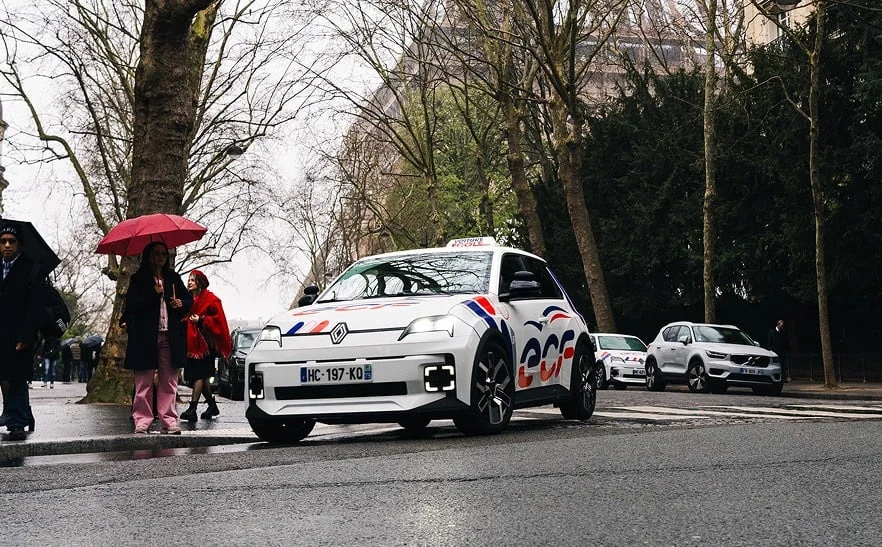
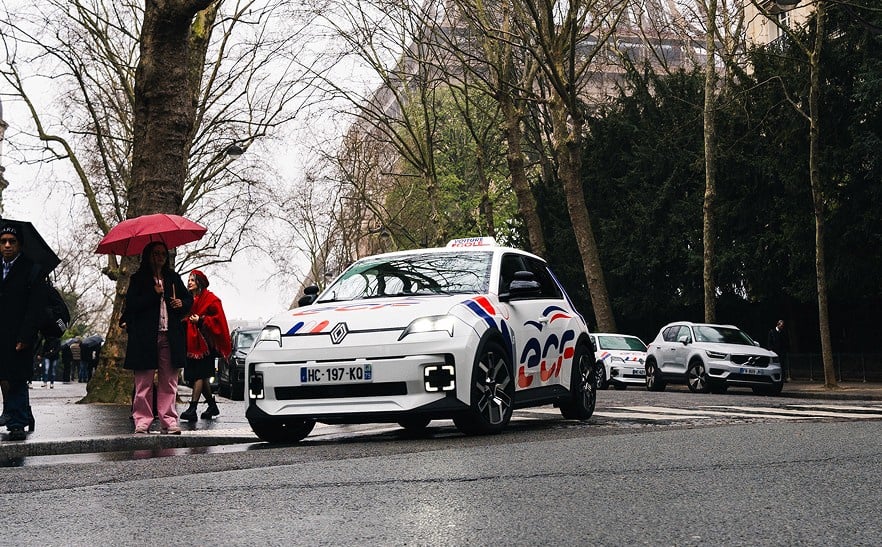
With vehicles operating nearly continuously across urban and rural landscapes, driving school cars travel staggering distances—often logging between 45,000 and 60,000 kilometers annually. Consequently, even minor fluctuations in fuel prices translate into severe operational overheads. According to industry leaders, fuel expenditures for driving schools have surged by an alarming 30% to 40% since the onset of the current energy crisis.
This financial pressure is quickly cascading down to aspiring drivers. With tight profit margins leaving driving schools little room to absorb these hikes, establishments across France are beginning to adjust their hourly rates. Industry experts estimate that the total cost of obtaining a standard driver’s license (Permis B) could soon rise by an additional €150 to €200, representing a 9% to 12.5% increase on a standard training package currently valued around €1,600.
This fresh economic burden arrives at a uniquely precarious time for the driver training sector, which is already grappling with structural shortages, chronic exam slot bottlenecks, and the expensive mandate to modernize ageing fleets.
Chronology of a Crisis: From Supply Pressures to Driving School Inflation
To understand how the current crisis unfolded, it is necessary to trace the convergence of geopolitical shocks, regulatory shifts, and economic headwinds affecting the French driver training industry over recent years:
- 2019–2021 (The Post-Lockdown Acceleration): Following pandemic-related lockdowns, demand for driving lessons surged. Simultaneously, the Ministry of the Interior began tracking a slow but steady shift toward automatic transmission vehicles, which accounted for just 6.73% of successful licenses in 2019.
- Late 2023–2024 (Geopolitical Volatility): Escalating tensions and conflicts in the Middle East triggered widespread crude oil volatility. European diesel and petrol prices climbed steadily, placing heavy operational pressure on high-mileage commercial fleets.
- March 2024 (Regulatory Reform): In an effort to streamline modern driver education, regulatory changes removed the mandatory three-month waiting period required to transition from an automatic transmission certificate (B78) to a manual transmission license via a 7-hour conversion course.
- Summer 2025 (The Exam Slot Crunch): Professional syndicates openly revolted against a severe lack of testing capacity. Ministry data revealed that only 1.567 million exam slots were made available in 2024, falling critically short of the 2.19 million slots deemed necessary by the industry for 2025. Aspiring drivers faced wait times of up to 80 days to retake a failed exam—delays that necessitated costly refresher lessons.
- Autumn 2025 (The Fuel Crisis Peak): As fuel prices remained stubbornly high, driving schools across major French urban centers (such as Rennes, Paris, and Lyon) began formally adjusting their hourly rates to survive, pushing the average cost of lessons upward and threatening the affordability of the traditional license.
Supporting Data and Financial Metrics
The economics of running a modern driving school are heavily weighed down by continuous overheads. Beyond fuel, establishments must manage specialized dual-control vehicles, rigorous maintenance schedules, heavy commercial insurance premiums, staff salaries for certified instructors, and local real estate or office leases.
Key statistical metrics defining the current crisis include:
- Annual Mileage: 45,000 to 60,000 km per vehicle per year, exposing driving school fleets to immediate pain during fuel price spikes.
- Fuel Expense Increase: 30% to 40% surge in pump expenditures reported since the beginning of the energy squeeze.
- Hourly Rate Adjustments: In Rennes, documented baseline rates shifted from €52 to €55 per hour—a roughly 6% increase. For a standard 30-hour training block, this translates to an immediate €90 surcharge for the student.
- Total Package Projections: Industry estimates indicate total package price inflation of €150 to €200 on baseline €1,600 packages.
- Exam Slot Deficit: A projected demand of 2.19 million exam slots contrasted against an actual supply of just 1.567 million slots, creating severe logistical friction and forcing students into prolonged learning cycles.
- Automatic vs. Manual Shift: Automatic transmission license success rates rose sharply from 6.73% in 2019 to 22.14% by 2025, marking more than a tripling of adoption rates over six years, though manual transmission training still commands roughly 78% of the market.
Official Responses and Industry Stakeholder Perspectives
Industry representatives have voiced deep concern over the cumulative effect of these pressures, calling for greater institutional support and realistic planning from regulatory authorities.
Vincent Rageul, Regional President of the École de Conduite Française (ECF), emphasized the sheer impossibility of absorbing current energy costs within existing business models. "The fuel price hikes have severely damaged our operational margins," Rageul noted, pointing out that fuel is merely one node in a complex web of rising business expenses.
Echoing these concerns, Patrick Mirouse, national president of the ECF, warned that the projected €150 to €200 spike in overall license costs is a realistic reflection of market conditions. However, Mirouse noted that because France’s driving school sector is composed largely of independent, localized businesses, pricing adjustments will remain decentralized. "This is not a uniform, generalized tariff hike," Mirouse explained. "Every establishment fixes its own pricing structure according to local real estate, local competition, and localized fleet maintenance costs."
Meanwhile, representatives of professional federations continue to lobby transport and interior ministries regarding structural reforms to the examination booking system (such as the Rendez-vous Permis platform), arguing that administrative bottlenecks exacerbate financial strain just as much as global commodity prices.

Broader Implications: Can Electric Vehicles Offer a Lifeline?
In search of long-term structural solutions, the industry is increasingly looking toward fleet electrification. The rapid rise in automatic transmission licenses—surpassing 22% of successful candidates by 2025—provides a natural bridge toward adopting battery-electric vehicles (BEVs) for driver instruction.
The Advantages of Electric Training
Transitioning to electric vehicles offers distinct operational and pedagogical benefits:
- Lower Running Costs: Electricity prices, while volatile, generally offer a more stable and cost-effective per-kilometer energy cost compared to diesel or unleaded gasoline, directly mitigating high-mileage fuel exposure.
- Shorter Training Requirements: The legal minimum training time for an automatic transmission (B78) license stands at 13 hours, compared to 20 hours for a manual transmission license. This reduction in required hours can substantially offset higher hourly rates for students opting for automatic instruction.
- Simplified Transitions: Thanks to regulatory updates implemented in March 2024, drivers are no longer subjected to a three-month waiting period before completing the seven-hour conversion module required to drive manual vehicles after passing an automatic test.
Obstacles to Rapid Electrification
Despite these clear benefits, widespread electrification of French driving schools faces formidable hurdles:
- Infrastructure Deficits: Many independent driving schools operate out of modest storefront offices without dedicated, off-street parking facilities equipped with high-capacity charging terminals. Vehicles must remain in active rotation throughout the day rather than sitting idle at a charger.
- High Upfront Capital Expenditure: Purchasing new electric dual-control vehicles requires significant capital investment—an expense difficult for small, margin-squeezed independent operators to justify during an economic downturn.
- Persistent Market Preferences: Despite rapid growth, nearly eight out of ten driving license candidates still opt for manual transmission training. Traditional internal combustion engine (ICE) vehicles remain indispensable for meeting consumer demand.
Conclusion
Ultimately, the converging pressures of fuel inflation, regulatory exam bottlenecks, and the complex logistical realities of fleet transition mean that driving schools are caught in a multi-front battle. Lacking external subsidies or structural relief, establishments have little choice but to pass a portion of these escalating costs down the line. For the thousands of young people across France for whom a driver’s license remains an essential passport to employment and autonomy, the path to passing the test is becoming both longer and decidedly more expensive.
