

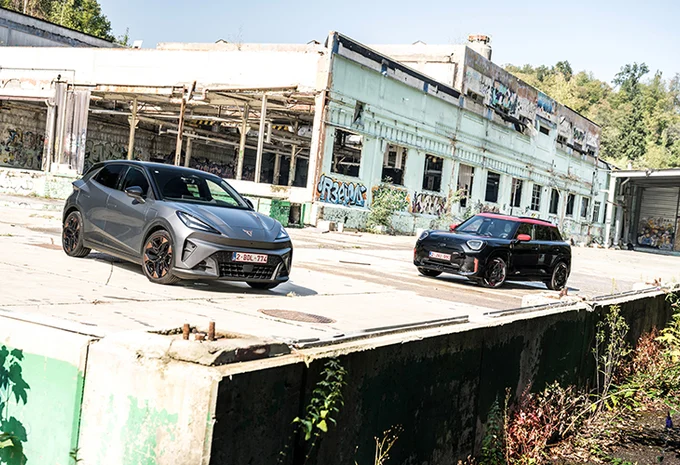
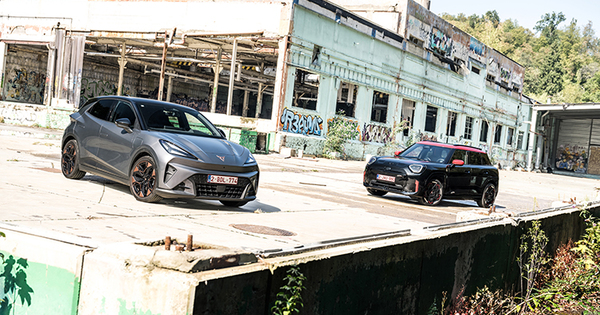
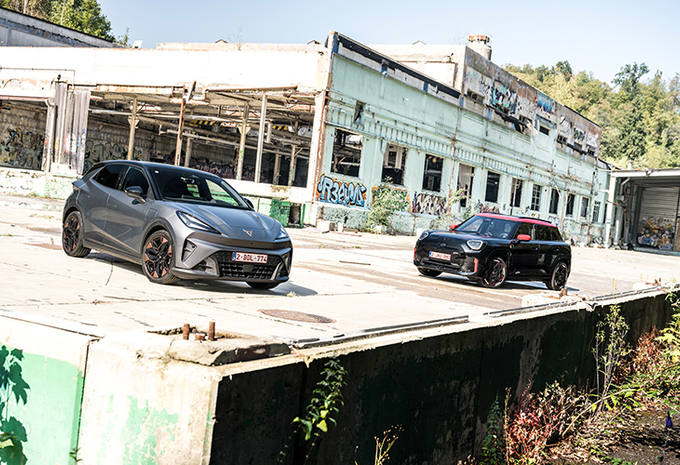
The automotive industry is currently navigating its most significant transformation in a century. As manufacturers pivot away from internal combustion engines (ICE), the strategic focus has shifted toward the "B-segment"—the heart of the European market. Two titans of design and performance are currently squaring off to capture the hearts of the urban elite: the upcoming Cupra Raval and the newly minted Mini Aceman. This duel represents more than just a comparison of specifications; it is a clash of two distinct philosophies regarding what an electric urban vehicle should be.
Main Facts: The Contenders
The Cupra Raval is the cornerstone of the Spanish brand’s future. Tasked with moving the needle beyond the brand’s current reliance on hybrids and high-end SUVs, the Raval is a bold statement. Developed on the Volkswagen Group’s cutting-edge MEB+ platform, the Raval is designed to offer a balance of accessibility and performance. It is the manifestation of Cupra’s aggressive growth strategy—aiming to make the brand the premier electric torchbearer for the VW Group.
Conversely, the Mini Aceman enters the fray as an "opportunistic" yet refined contender. Born from the Spotlight Automotive joint venture between BMW and China’s Great Wall Motor, the Aceman fills a crucial void in the Mini lineup. It occupies the "Goldilocks" zone between the classic 3-door Cooper hatch and the substantial Countryman SUV. Unlike the internal combustion-powered 5-door Cooper, the Aceman is a pure-electric-only architecture, positioning it as the primary choice for those who demand the iconic Mini badge without the emissions.
Chronology of Development
The trajectories of these two vehicles reflect the broader shift in global manufacturing.
- 2021–2022 (The Conceptual Phase): Cupra introduces the "UrbanRebel" concept, a radical interpretation of what an electric city car could look like. It signaled the brand’s intent to dominate the compact segment. Simultaneously, Mini begins teasing the Aceman concept, emphasizing its digital-first, circular-design language.
- 2023 (The Technical Shift): The VW Group accelerates the development of the MEB+ platform, a vital evolution of their entry-level EV architecture. Cupra leverages its influence within the group to ensure the Raval receives the most advanced battery and charging technology available.
- 2024 (The Launch Strategy): Mini officially unveils the Aceman, emphasizing its production in China to leverage local manufacturing expertise and supply chain efficiencies. The car hits the market as a standalone EV, setting the stage for a direct confrontation with the impending Raval.
- 2025 (The Showdown): The arrival of the production-ready Raval marks the start of a direct commercial rivalry, with both manufacturers targeting the same demographic of trend-conscious, urban-dwelling commuters.
Supporting Data: Technical Specifications and Performance
When analyzing the "on-paper" rivalry, we look at the core metrics that define the B-segment experience.
The Cupra Raval: The MEB+ Advantage
The Raval utilizes the MEB+ architecture, which is specifically tuned for front-wheel-drive efficiency. The primary advantage here is the "packaging." By maximizing wheelbase relative to body length, Cupra promises superior interior volume, effectively challenging vehicles a size class above. The charging infrastructure support is expected to be class-leading, with faster peak charging speeds compared to older MEB architectures, making it a viable car for longer journeys outside the city.
The Mini Aceman: The "Go-Kart" DNA
Mini’s approach to the Aceman relies on the agility that built the brand’s reputation. Despite being an EV, the Aceman features a sophisticated suspension setup designed to mimic the "go-kart" feel of its predecessors. Data suggests that while the Aceman may slightly trail the Raval in pure range efficiency due to its boxier, aerodynamic profile, it compensates with a focus on interior "premiumness." The use of a circular OLED center display and sustainable textiles places the Aceman in a distinct luxury bracket, even if it is a compact car.
Official Responses and Strategic Positioning
Representatives from both brands have been vocal about their intentions. A spokesperson for Cupra recently emphasized, "The Raval is not just another electric car; it is the heartbeat of our future. We are not here to compete; we are here to define the segment." This reflects the brand’s "challenger" mindset, where Cupra actively seeks to disrupt the establishment.
On the other side, the Mini management team has framed the Aceman as the "logical evolution of the Mini spirit." In an official release, the head of Mini noted, "The Aceman offers the fun-to-drive characteristic that our customers demand, now packaged for an urban landscape that is becoming increasingly electrified." Mini’s strategy is defensive and protective—they are not trying to change what a Mini is, but rather ensuring the brand remains relevant in a world where internal combustion is increasingly sidelined.
Implications: The Battle for the Urban Consumer
The clash between the Raval and the Aceman has significant implications for the automotive market.
1. The Death of the ICE Entry-Level Car
Both manufacturers are effectively signaling that the future of the small car is exclusively electric. By prioritizing these models, Cupra and Mini are forcing the consumer to embrace the transition. The implication is clear: if you want a premium or performance-oriented small car, your only path is through the battery.
2. Design as a Differentiator
In the EV era, where mechanical differences are becoming less obvious due to shared modular platforms, design has become the primary battleground. Cupra is betting on sharp, aggressive, and futuristic lines to attract a younger, more rebellious demographic. Mini, however, is leaning heavily on its heritage, banking on the fact that nostalgia, when updated with modern tech, remains a powerful selling point.

3. Supply Chain and Global Trade
The production of the Aceman in China by the Spotlight Automotive joint venture highlights the increasing reliance of European manufacturers on Asian manufacturing hubs to remain price-competitive. Cupra’s production within the VW Group’s European network (Martorell) positions them differently, potentially appealing to consumers who prioritize European-made products. This dichotomy will likely become a talking point in future marketing campaigns.
4. The "Premium" Definition
The most interesting implication is the redefinition of "premium." Is premium defined by the quality of materials and historical prestige (Mini), or by the sophistication of the technical platform and the boldness of the aesthetic (Cupra)? The market response to these two vehicles will tell us exactly what the modern buyer values more: the pedigree of the brand or the capability of the technology.
Conclusion: Who Wins the Road?
Determining a winner at this stage is premature, as the Raval has yet to see widespread consumer adoption. However, the dynamics are clear. The Mini Aceman is the "safe" choice for the brand loyalist who wants to go electric without losing the Mini soul. The Cupra Raval is the choice for the enthusiast who wants to be at the cutting edge of the VW Group’s engineering efforts.
The real winner in this rivalry is the consumer. With these two manufacturers fighting for the top spot, the B-segment is seeing a level of innovation and competition that was previously reserved for the luxury flagship sedan market. Whether one prefers the "go-kart" agility of the Aceman or the aggressive, tech-forward stance of the Raval, the electric future of the small car looks more exciting—and more competitive—than ever before.
