

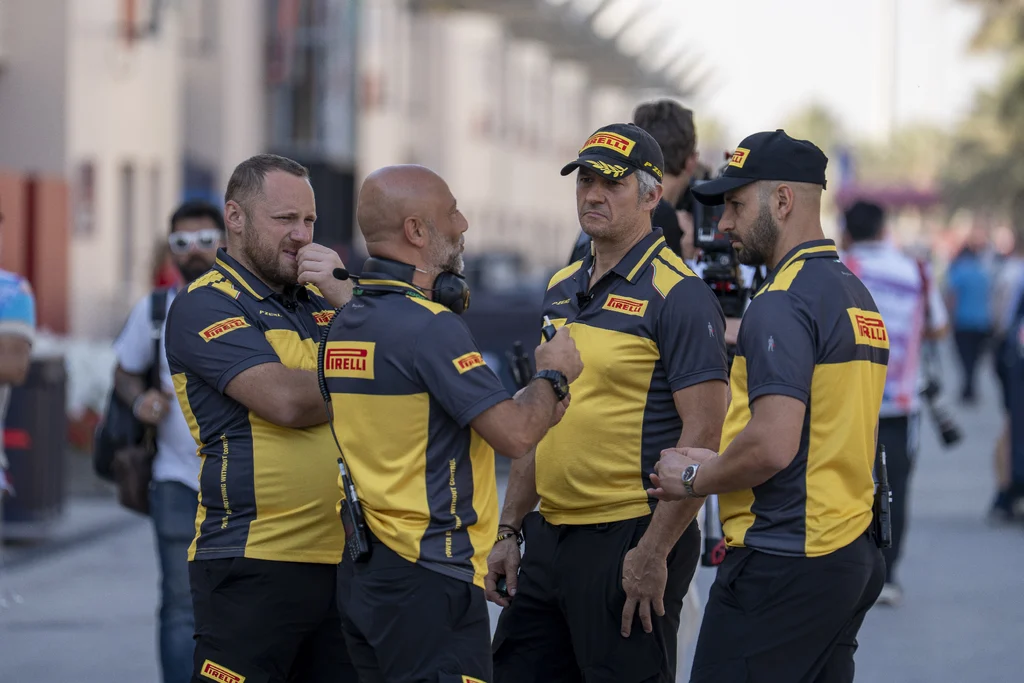
The landscape of Formula 1 is set for a period of extended technical stability. In a move that cements the ongoing partnership between the pinnacle of motorsport and its Italian technical partner, the FIA has officially triggered the option to extend Pirelli’s tenure as the exclusive tire supplier for the FIA Formula 1 World Championship through the end of the 2028 season. This decision, announced in July 2026, ensures that the Milanese manufacturer will continue to play a pivotal role in the sport’s regulatory and performance evolution.
The extension is not limited to the flagship F1 series; it encompasses the entire pyramid of open-wheel feeder categories, including the FIA Formula 2 Championship, the FIA Formula 3 Championship, and the F1 Academy. This unified approach ensures that drivers moving up the ranks will maintain a consistent technical experience, a critical factor for professional development in modern motorsport.
A Strategic Mandate: Why 2028?
The decision to extend the contract—which was initially slated to conclude in 2027—was born out of a desire for continuity. With the sport having undergone significant regulatory shifts in 2026, including new power unit architectures and aerodynamic philosophies, the stability provided by an established tire partner is invaluable.
By locking in the supplier for an additional year, the FIA, Formula 1, and Pirelli have effectively insulated the sport from the volatility of a mid-cycle tender process. This allows teams and engineers to focus their finite resources on optimizing the performance of the current generation of cars rather than adapting to the unknown variables that a change in tire supplier would inevitably introduce.
The Evolution of a Partnership: From 2011 to the Present
To understand the weight of this announcement, one must look at the historical trajectory of Pirelli’s involvement in the modern era. Returning to the grid in 2011 to replace Bridgestone, Pirelli was tasked with a specific, albeit difficult, mission: to create tires that were not merely durable, but "strategic."
The Chronology of Collaboration
- 2011: Pirelli makes its return as the sole tire supplier, immediately tasked with increasing the frequency of pit stops to improve the "show."
- 2014: The arrival of the V6 Turbo-Hybrid era places unprecedented torque demands on the rubber, requiring Pirelli to rapidly iterate its compounds.
- 2017: The introduction of wider, high-degradation tires marks a shift toward higher mechanical grip, resulting in significantly faster lap times.
- 2022: The move to 18-inch low-profile tires represents the most significant technical departure in the manufacturer’s modern history, aligning F1 rubber more closely with consumer road-car technology.
- 2026 and beyond: The focus shifts toward sustainability, weight reduction, and extreme performance in the face of the latest regulatory cycle.
Since 2011, Pirelli has successfully navigated these distinct eras. The company has moved beyond simply being a sponsor to becoming a fundamental element of the sport’s "DNA." With over 500 Grands Prix under its belt since its inaugural involvement in the 1950s, the Italian firm has become the longest-serving tire partner in the sport’s history, solidifying a legacy that is as much about data science as it is about rubber.
Official Perspectives: Aligning Vision and Performance
The announcement was met with a chorus of support from the sport’s key stakeholders, who emphasized that this partnership transcends the simple act of providing equipment.
Mohammed Ben Sulayem, President of the FIA, highlighted the necessity of consistency. "Pirelli has been a cornerstone of the championship’s stability for over a decade," he stated. "In an era of rapid technological change and evolving regulations, having a partner that understands the intricate balance of performance, safety, and strategic unpredictability is vital. This extension provides the continuity we need as we refine the 2026 regulations and look toward the future."
Stefano Domenicali, President and CEO of Formula 1, echoed these sentiments, focusing on the commercial and marketing synergy. "Our partnership with Pirelli is a testament to the incredible growth of Formula 1. They have been instrumental in our drive toward innovation and sustainability. Pirelli doesn’t just build tires; they help us craft the narrative of a race. Whether it’s through the complexity of tire degradation or their commitment to net-zero carbon goals, they are an essential part of the F1 ecosystem."

From the manufacturer’s side, the perspective is rooted in R&D. Marco Tronchetti Provera, Executive Vice President of Pirelli, framed the F1 project as the ultimate testbed. "Formula 1 is the most advanced laboratory in the world. The lessons we learn on the track—about thermal management, structural integrity, and compound chemistry—are directly translated into our high-performance road tires. Staying until 2028 allows us to continue this cycle of innovation, ensuring that the technology on your road car has the pedigree of the track."
The Complexity of the Single-Supplier Model
The role of a sole tire provider in F1 is a nuanced one. Unlike in the "tire wars" of the early 2000s, where Michelin and Bridgestone competed for performance supremacy, the modern model is built on a "designed-to-order" philosophy.
Key Responsibilities of the Sole Supplier:
- Strategic Degradation: Pirelli is explicitly asked to design tires that degrade in a controlled manner. This ensures that pit stop strategies remain a dynamic part of the race, preventing "one-stop" processions.
- Performance Balancing: The tires must perform across a vast spectrum of climates—from the searing heat of the Middle East to the cool, damp conditions of Northern Europe.
- Safety and Reliability: As speeds increase and car weights fluctuate, the structural integrity of the tire is the single most critical safety component on the vehicle.
- Sustainability: With the FIA’s target of being carbon neutral by 2030, Pirelli is tasked with developing more sustainable materials and optimizing the logistical footprint of tire transportation.
This model has been highly effective in controlling costs. By removing the need for teams to develop their own tire-testing programs or enter into exclusive, expensive partnerships with manufacturers, the barrier to entry remains manageable for smaller teams.
Implications for the Future: 2026–2028
Looking ahead, the period between 2026 and 2028 will be defined by the maturation of the current technical regulations. The cars are becoming increasingly complex, with advanced active aerodynamics and new hybrid power units. Pirelli’s role in this is to provide a "predictable, yet challenging" product.
Technological Hurdles
The next few years will see a heightened focus on the "sustainability of performance." Pirelli is currently investing heavily in bio-based materials and the reduction of tire wear particles, addressing the environmental concerns that are becoming increasingly prevalent in global sport. Furthermore, as cars continue to evolve to meet weight targets, the tires must provide consistent grip without excessive overheating, a perennial challenge in the high-downforce era.
The Sporting Impact
By securing the contract until 2028, the FIA has ensured that the "strategic element" of the sport—tire management—remains a core competency for drivers. The ability to manage tire life, preserve rubber through high-speed corners, and execute optimal pit strategies will remain a primary differentiator between the grid’s elite drivers and the rest of the field.
Conclusion: A Stable Foundation for a Changing Sport
The extension of the Pirelli-Formula 1 partnership through 2028 is a calculated decision that prioritizes stability over radical change. In a sport that is currently seeing record-breaking attendance, surging popularity in new markets, and a rapid transition toward a more sustainable future, Pirelli acts as a steady hand on the wheel.
By maintaining a single, trusted partner, Formula 1 ensures that the technical specifications of the sport remain coherent. As we look toward the 2028 season, the focus will undoubtedly remain on how these rubber compounds interact with the cutting-edge engineering of the cars, continuing the long-standing tradition of Pirelli serving as the literal connection between the raw power of the machines and the asphalt of the world’s greatest circuits. The message from the FIA and F1 is clear: the road ahead is long, and they have chosen their partner for the journey.
