
Since its inception in 1902, Triumph Motorcycles has served as a cornerstone of global motorcycling history. More than just a manufacturer, the brand represents a cultural phenomenon—a delicate, yet formidable, bridge between the grit of the industrial age and the refined aesthetics of modern engineering. To understand Triumph is to understand the soul of the British motorcycle industry: a legacy characterized by stoic reliability, an unmistakable silhouette, and a mechanical "roar" that has defined generations of riders.
1. Main Facts: The Triumph Identity
At its core, Triumph is defined by a unique paradox: the ability to be both sophisticated and aggressive. Historically, the brand has occupied a space that few others have managed to navigate—offering motorcycles that feel equally at home on a manicured country lane as they do on a rain-slicked city street.
The modern Triumph identity is built upon three pillars:
- The Triple Engine Architecture: Perhaps the brand’s most recognizable signature, the liquid-cooled inline-three-cylinder engine offers the low-end torque of a twin-cylinder engine combined with the high-RPM exhilaration of a four-cylinder.
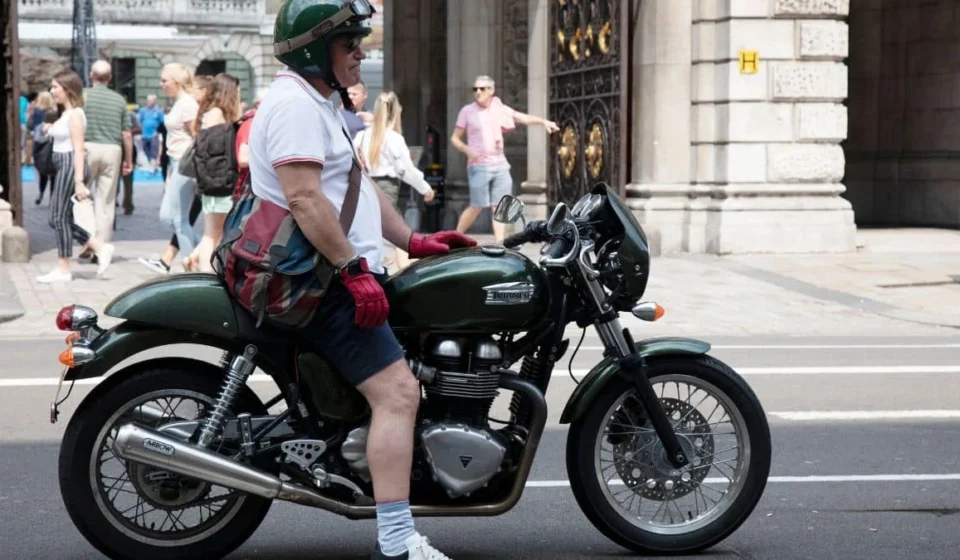
- The Modern Classic Aesthetic: With the "Bonneville" lineage, Triumph mastered the art of "neo-retro" styling, proving that modern performance and vintage charm are not mutually exclusive.
- Engineering Integrity: Triumph has maintained a premium positioning, prioritizing high-quality finishings, tactile metal components, and a level of build quality that stands as a benchmark in the mid-to-high displacement segments.
2. A Chronological Odyssey: From Minerva to Modernity
The Early Years (1902–1940s)
The journey began in Coventry, England, where Siegfried Bettmann and Mauritz Schulte founded the Triumph Cycle Co. After initially manufacturing bicycles, the company pivoted to motorization in 1902, fitting a Minerva engine to one of their frames. This modest beginning sparked a revolution. By the interwar period, Triumph had cemented itself as a household name, known for technical innovation and reliability.
The Golden Era: Rockers and Rebels (1950s–1960s)
The post-war era transformed Triumph from a reliable utility vehicle into a global icon of counterculture. In the 1950s and 60s, the "Triumph look" became the uniform of the rebellious youth. From the Ace Cafe in London to the silver screens of Hollywood, Triumphs were the machines of choice for legends like Steve McQueen and Marlon Brando. The bikes were lightweight, fast, and possessed a "bad boy" allure that made them the quintessential choice for rockers and cafe racers.
The Crisis and the Resurrection (1970s–1991)
The 1970s marked a period of existential peril. The influx of high-performance, cost-effective Japanese motorcycles nearly wiped out the British industry. Triumph, hampered by labor disputes and aging manufacturing processes, struggled to compete. In 1983, the original company fell into receivership.
The brand was saved by the vision of John Bloor. Rather than letting the name fade into obscurity, Bloor invested heavily in a brand-new, state-of-the-art facility in Hinckley. He understood that to survive, Triumph had to honor its past without being a slave to it. The "new" Triumph launched in 1991, debuting bikes that blended modern reliability with the classic British spirit.
3. Supporting Data: Engineering and Performance
Triumph’s resurgence was not merely an aesthetic success; it was a triumph of engineering. The company’s focus on the 765cc triple-cylinder engine has become its masterstroke.
- The Moto2 Connection: Since 2019, Triumph has been the exclusive engine supplier for the FIM Moto2 World Championship. By supplying a race-tuned 765cc triple engine to the entire grid, Triumph demonstrated its engineering prowess on the world’s most demanding stage. This participation is not just for marketing; it is a laboratory for development, directly influencing the performance of production bikes like the Street Triple and Daytona.
- Market Versatility: The current portfolio is remarkably diverse. From the Tiger adventure-touring range—which consistently rivals the dominant German competitors—to the Rocket 3—which boasts the largest production motorcycle engine in the world—Triumph demonstrates a technical range that spans from nimble middleweights to heavy-duty cruisers.
4. Official Perspectives: The Philosophy of Evolution
In recent investor communications, Triumph leadership has emphasized the concept of "Premium Modernity." The brand rejects the trend of planned obsolescence, focusing instead on motorcycles that hold their value through timeless design and robust materials.
"We do not build motorcycles for the moment; we build them for the decade," a company spokesperson recently noted. This is evident in their Modern Classics range, where every weld, badge, and polished surface is designed to evoke nostalgia while housing cutting-edge features like ride-by-wire throttle, advanced cornering ABS, and sophisticated traction control systems.
5. Strategic Implications: The Future of the Brand
The motorcycle industry is currently facing a dual challenge: the transition toward sustainable mobility and the shift in demographics among younger riders. Triumph is navigating this through:
Electrification
Triumph has launched its TE-1 prototype project, a clear signal that the brand is preparing for an electrified future. By focusing on battery weight reduction and maintaining the "Triumph feel" in a zero-emission format, the company is ensuring its relevance for the next 100 years.
Global Expansion
While the brand is undeniably British in spirit, its manufacturing footprint has expanded to include facilities in Thailand and India (in partnership with Bajaj). This strategy has been crucial in allowing Triumph to scale production and reach emerging markets, effectively insulating the company from the regional economic volatility that plagued its predecessors in the 1970s.
The Lifestyle Ecosystem
Triumph has successfully transitioned into a lifestyle brand. Through clothing, accessories, and a massive network of "Triumph Owners Clubs" worldwide, the company has fostered a community that values the brand’s heritage as much as its performance. This "brand stickiness" is a key competitive advantage that shields Triumph from pure price-war competition.
Conclusion
Triumph Motorcycles stands as a testament to the idea that a company can lose its way and still find the path back to glory if its core values remain intact. From the early days of Minerva engines to the cutting-edge technology of the modern Moto2 engines, the brand has remained consistent in its pursuit of "The Perfect Ride."
By balancing the raw, mechanical, and slightly rebellious spirit of its mid-century heritage with the disciplined, high-tech manufacturing of the 21st century, Triumph has secured its place as a permanent fixture in the motorcycling firmament. It is not just a brand; it is a narrative—one that continues to write itself with every turn of the throttle. As the industry looks toward a new era of mobility, Triumph serves as a reminder that even in a digital world, there will always be a place for the soul-stirring sound of a three-cylinder engine and the timeless elegance of British design.