

For years, the narrative surrounding the European automotive landscape was one of consolidation and "upsizing." As SUV sales soared and industrial costs mounted, the compact city car—the quintessential workhorse of European urban centers—appeared destined for the history books. Beset by stringent safety regulations, complex emissions standards, and razor-thin profit margins, the "Segment A" category was systematically abandoned by legacy giants.
Yet, as we move through the first quarter of 2026, the industry is witnessing a surprising, almost defiant, resurgence. Data from the automotive market intelligence firm Dataforce confirms that the segment is back in the green, signaling that the "death" of the mini-car was not only premature but perhaps fundamentally misunderstood.
The Death and Rebirth of a Segment
A Decade of Decline
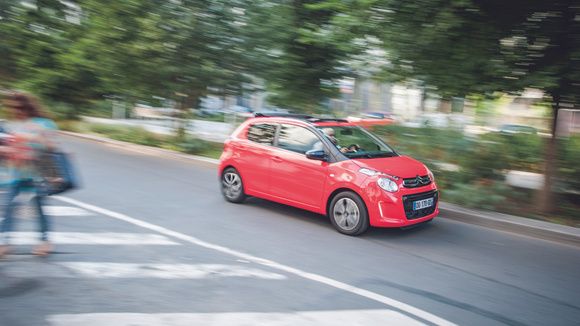
To understand the current recovery, one must first look at the gravity of the sector’s previous collapse. In 2012, small city cars—models like the Fiat Panda, Volkswagen Up!, Peugeot 108, and Renault Twingo—commanded a respectable 9% share of the European market. By the dawn of 2026, that figure had plummeted to a mere 3.9%.
The exodus was mass-scale. Volkswagen, PSA (now Stellantis), Ford, and Suzuki, among others, phased out their entry-level models. The culprit was a perfect storm: the technical burden of "GSR 2" (General Safety Regulation 2) mandates—which forced expensive driver-assistance tech into vehicles that could not absorb the costs—combined with the immense R&D expenditure required to transition to electric platforms. For many executives, the math simply didn’t work.
The 2026 Pivot: Why Now?
The return of the mini-city car is driven by three distinct pillars: a renewed response to public policy, a widening of the electric offering, and a recalibration of pricing strategies. While the recovery remains fragile, it is clear that the market is finally beginning to align with the needs of the urban driver, who has grown weary of oversized SUVs that are impractical for city parking and increasingly targeted by punitive urban tax policies.
Chronology of the Shift
- 2012–2022: The "Great Abandonment." Market share of Segment A drops from 9% to under 4%. Manufacturers prioritize high-margin SUVs.
- July 2024: Implementation of the GSR 2 safety regulations. Many legacy internal combustion engine (ICE) models are discontinued as the cost of compliance becomes prohibitive.
- Late 2025: Strategic shift. Realizing that urban mobility is becoming a bottleneck, major manufacturers begin aggressive R&D into affordable EVs.
- Q1 2026: Market data shows a 6.5% growth in mini-car registrations, outpacing the general European market (4%).
Supporting Data: The Numbers Behind the Trend
According to the latest figures from Automotive News and Dataforce, the first quarter of 2026 saw 136,271 registrations in the mini-car segment. This 6.5% growth is a significant statistical anomaly in a stagnant market.
The Flag-Bearers of Growth
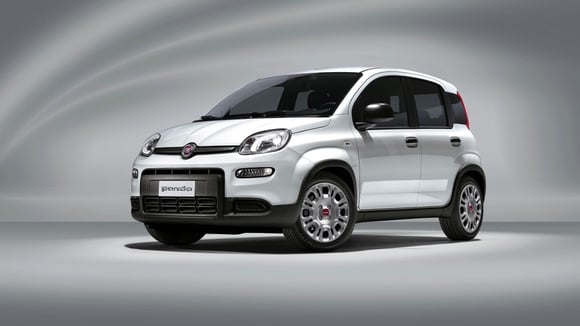
The Fiat Panda remains the undisputed king of the segment, with 40,291 units sold since the start of the year. Its dominance is heavily bolstered by the Italian market, where the brand’s heritage and compact design remain cultural staples.
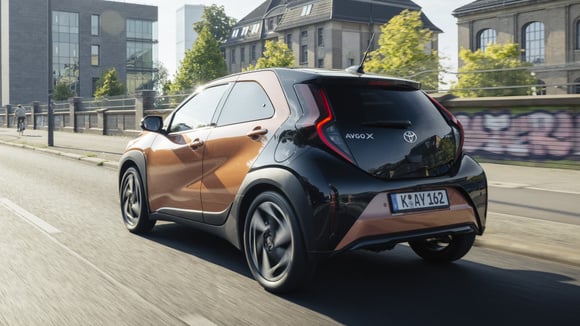
However, the most explosive growth comes from the Toyota Aygo X. By resisting the trend of pure electrification and instead utilizing the high-efficiency hybrid technology perfected in the Yaris, Toyota saw a 34% surge in sales, hitting 30,781 units. In March 2026 alone, the Aygo X briefly unseated the Panda as the best-selling car in its class. At a starting price of approximately €22,000, it proves that consumers are willing to pay for proven, reliable, and fuel-efficient urban solutions.

The Electric Surge
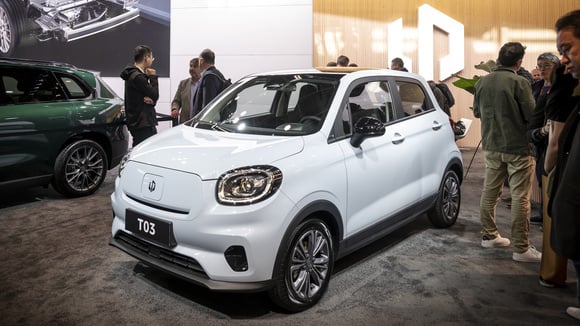
Perhaps the most critical development is the democratization of electric power. EVs now account for 26% of the segment, up from 19% just one year ago. The Leapmotor T03, produced in partnership with Stellantis, has seen an astonishing 500% growth, with 15,000 units sold in the first quarter. In Italy, through aggressive incentives and scrappage schemes, the effective price of the T03 has occasionally dipped below €5,000, creating a "gold rush" for budget-conscious buyers. The Hyundai Inster is also proving that high-tech electric city cars have a viable market, despite a higher price point of €25,350.
Official Responses and Strategic Shifts
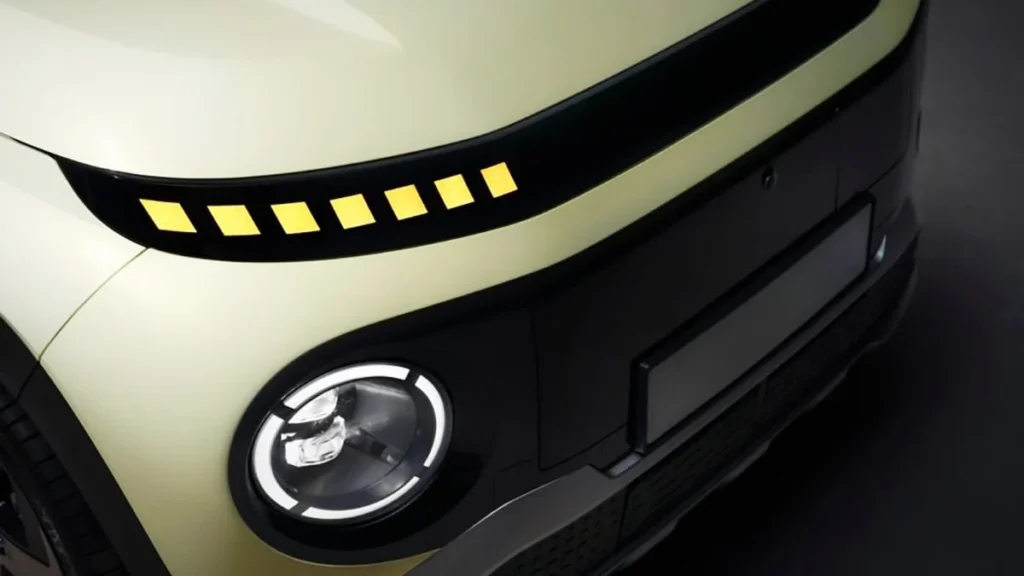
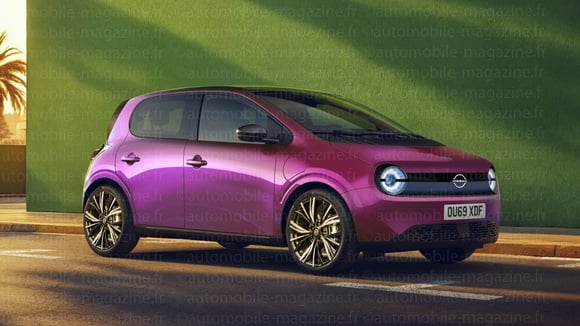
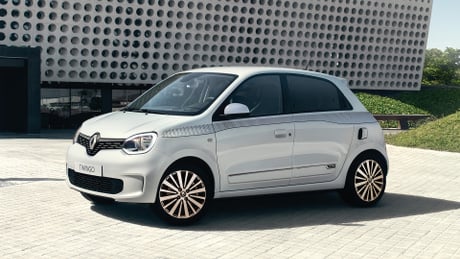
The industry is no longer ignoring the segment; it is actively courting it. Renault is spearheading this charge with the new Twingo E-Tech, which starts at €19,490 (before state incentives). Nissan is mirroring this strategy with the upcoming "Wave," a retro-styled electric city car designed to capture the emotional appeal of the 1980s Japanese micro-cars.
Furthermore, the European Commission is responding to the industry’s lobbying. Plans are underway to establish a new vehicle category, "M1E," specifically for electric cars under 4.20 meters. This regulatory framework aims to reduce the bureaucratic burden on manufacturers and provide "super-credits" for CO2 emissions to those who produce these smaller, more efficient vehicles. This is a clear signal from Brussels that they view small EVs as the cornerstone of future urban mobility, rather than a niche distraction.
Implications: The Future of Urban Mobility
The implications of this shift are profound for the European automotive ecosystem.
- Economic Viability: The successful entry of brands like Leapmotor and the pivot of Stellantis suggest that the "low-margin" argument against small cars is being countered by modular platforms and shared production facilities.
- Sustainability vs. Accessibility: The industry is learning that an "electric-only" future must include vehicles that are affordable. If the goal is the mass adoption of EVs, the focus cannot remain exclusively on expensive premium sedans and SUVs.
- Urban Planning: As cities like Paris, London, and Berlin continue to implement low-emission zones and restrict parking space for larger vehicles, the small car is regaining its "competitive advantage." It is not merely a nostalgia-driven trend; it is a pragmatic reaction to the evolving urban environment.
A New Chapter for the European Consumer
As Volkswagen readies the ID.1 for 2027 and Kia develops the potential EV1, the message is clear: the era of the giant, heavy SUV as the default consumer choice is being challenged.
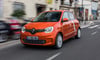
While the "premium" segment will always have its place, the core of the European automotive identity is being reclaimed by the vehicle that started it all: the agile, efficient, and increasingly accessible city car. For the average commuter, this shift represents a return to common sense. For the manufacturers, it represents a realization that to survive in a hyper-regulated, urban-centric future, they must return to their roots—only this time, with a cleaner, electric heartbeat.

The mini-city car is not just surviving; it is evolving. And in the crowded, constrained streets of 2026, that evolution looks like the smartest move the industry has made in a decade.
