

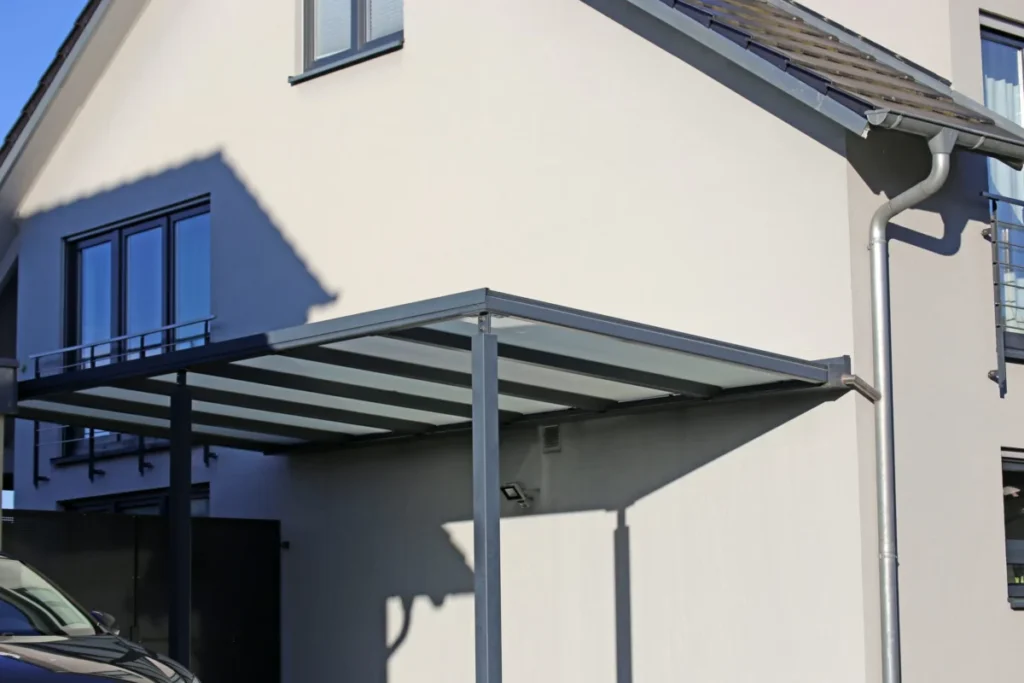
For any vehicle owner, the automobile represents one of the most significant personal investments, surpassed perhaps only by real estate. Yet, millions of vehicles are left exposed to the elements every night, a practice that quietly accelerates depreciation and diminishes structural integrity. As weather patterns become increasingly unpredictable and the cost of vehicle maintenance rises, the need for adequate protection has never been more critical. While traditional wooden structures were once the standard, a paradigm shift is underway: the rise of the aluminum carport.
This analysis explores why aluminum has become the preferred choice for property owners, examining the technical, environmental, and financial implications of this transition.
The Core Necessity: Why Your Vehicle Requires Shelter
The Hidden Cost of "Open-Air" Parking
Leaving a vehicle exposed to the elements—rain, hail, intense UV radiation, and falling debris—does more than just make the car look dirty. It is a slow-motion assault on the vehicle’s exterior. Humidity and moisture are the primary catalysts for oxidation, leading to rust on chassis components and wheel wells. Furthermore, prolonged exposure to UV rays causes clear-coat degradation, leading to fading, peeling, and a significant drop in resale value.
In the automotive market, a vehicle that has been "garaged" or kept under a carport is fundamentally worth more than one that has spent its life in the driveway. By investing in a structural shelter, owners are not merely buying a roof; they are purchasing insurance against the rapid depreciation of their most essential mode of transport.
Chronology of Material Evolution: From Wood to Aluminum
The Era of Wood: Traditional Aesthetics vs. Practical Reality
Historically, the carport industry relied heavily on timber. Wood offered a rustic, organic appeal that blended well with traditional architecture. However, the lifecycle of a wooden structure is fraught with challenges:
- Initial Installation: High labor costs and time-intensive assembly.
- Early Years: Aesthetics are high; structural integrity is sound.
- Mid-Life Cycle (3–7 years): Wood begins to gray. Xylophagous insects (wood-boring insects) may begin to compromise the structural beams.
- Late-Life Cycle (8+ years): Without aggressive chemical treatment, rot sets in. The risk of structural collapse becomes a liability, posing a genuine threat to the vehicle parked beneath it.
The Aluminum Revolution
The move toward aluminum began in the early 21st century as property owners grew tired of the "maintenance trap." The realization that the cost of wood preservation—pesticides, fungicides, and high-VOC (volatile organic compound) stains—often exceeded the initial cost of the carport itself led consumers to seek a permanent solution. Aluminum emerged as the answer: a material that combines industrial-grade longevity with architectural flexibility.
Supporting Data: Why Aluminum Outperforms Alternatives
When comparing materials, the engineering data favors aluminum across four critical metrics:
1. The Maintenance Equation
The "Total Cost of Ownership" (TCO) for a wooden structure is significantly higher than that of an aluminum one. A wooden carport requires periodic sanding, sealing, and chemical application. Aluminum, conversely, is virtually maintenance-free. A simple rinse with a garden hose or an annual wipe-down with soapy water is sufficient to keep the structure pristine.
2. Strength-to-Weight Ratio
One of the most persistent myths is that aluminum is "flimsy." In reality, modern extruded aluminum profiles offer exceptional structural rigidity. Aluminum can span greater distances between posts than wood, allowing for a cleaner, more open aesthetic that accommodates wider vehicles, including SUVs, trucks, and even recreational vehicles (RVs).
3. Sustainability and Circularity
In an era where environmental consciousness is paramount, aluminum is a champion of the circular economy. Unlike treated wood, which is often contaminated with toxic chemicals and difficult to dispose of safely, aluminum is 100% recyclable. It can be melted down and repurposed indefinitely without losing its mechanical properties, making it a "cradle-to-cradle" material.
4. Resistance to Biological and Weather Threats
Aluminum is non-porous. It does not absorb moisture, it does not rot, and it is immune to the wood-boring insects that compromise wooden structures. In coastal regions, high-quality powder-coated aluminum is further protected against salt-air corrosion, ensuring that the structure remains as sturdy in ten years as it was on the day of installation.
Industry Perspectives: The Professional View
We spoke with architectural consultants who specialize in outdoor living solutions to understand the shift in consumer demand.
"The primary driver for our clients is no longer just the immediate cost, but the ‘peace of mind’ factor," says a lead consultant for a prominent European outdoor construction firm. "When a client realizes they have to spend a weekend every year painting and treating a wooden structure, they immediately pivot to aluminum. It’s an investment in their free time as much as it is an investment in their vehicle."
Regarding design, industry professionals emphasize that aluminum is no longer the "industrial, sterile" material it was once perceived to be. Thanks to advanced powder-coating technology, aluminum can now be finished in a variety of textures, including wood-grain effects, or bespoke RAL colors that match the trim of the owner’s home.
Implications for Property and Lifestyle
The Value-Add to Real Estate
A well-designed aluminum carport is not merely an accessory; it is an extension of the property. When integrated thoughtfully, it can enhance the architectural cohesion of a home. Furthermore, because these structures are increasingly available in "custom-fit" configurations, they can address unique spatial challenges that generic, mass-produced kits cannot.
Expanding Functionality
The modern carport has evolved beyond a simple roof. Today’s sophisticated aluminum models offer:
- Integrated Storage: Seamlessly attached side cabinets or lockable garden sheds that turn a parking space into a multi-functional outdoor storage area.
- Green Roofing: The integration of vegetative roofs, which improve thermal comfort, manage rainwater runoff, and provide a micro-habitat for local pollinators.
- Photovoltaic Integration: The ability to mount solar panels directly onto the aluminum frame, transforming the carport into an energy-generating station for electric vehicles.
Making the Right Choice: A Guide for Homeowners
When selecting a carport, the decision-making process should be systematic.
- Assess the Fleet: Measure not just the current vehicle, but potential future needs. Will you be buying a larger truck or an electric vehicle that requires a charging station?
- Structural Integrity: Ensure the provider uses high-grade, extruded aluminum. Ask about the powder-coating process; a high-quality finish is essential for long-term weather resistance.
- Regulatory Compliance: Check local urban planning regulations. Because aluminum carports are often considered "light structures," they are frequently easier to permit than traditional garages, but it is vital to verify zoning requirements.
- Customization: Don’t settle for "off-the-shelf." The ability to customize dimensions means the structure can be tailored to the specific flow of your driveway and the aesthetic of your home.
Conclusion: The Final Verdict
The transition from wood to aluminum in the carport market is not a passing trend; it is a logical response to the demands of modern living. By choosing aluminum, homeowners are opting for a sustainable, low-maintenance, and aesthetically versatile solution that protects their vehicles from the inevitable wear and tear of the environment.
As we look toward the future of residential design, the carport is being reimagined as a sophisticated, integrated component of the home. Whether it is providing shade for a daily commuter or serving as a shelter for a classic car collection, the aluminum carport stands as a testament to the idea that true luxury is found in durability, efficiency, and peace of mind. By making the switch today, you are not just protecting your vehicle—you are safeguarding your property value and your time for years to come.
