

By the Editorial Staff
May 3, 2026
In a move that promises to redefine the landscape of premier motorsport, the International Automobile Federation (FIA) has confirmed a major strategic pivot for the future of Formula 1. Under the decisive leadership of FIA President Mohammed Ben Sulayem, the sport is preparing for a return to V8 internal combustion engines at the turn of the next decade. This decision marks a significant departure from the hyper-complex hybrid powertrains that have dominated the grid for over a decade, signaling a return to the roots of high-performance racing while embracing modern sustainability standards.
The Strategic Shift: A New Direction for 2030
The announcement, delivered by Mohammed Ben Sulayem, is not merely a suggestion; it is a declaration of intent. The FIA has set a firm target for the reintroduction of the V8 engine architecture by 2030, a move intended to restore the visceral excitement, mechanical simplicity, and weight reduction that many fans and stakeholders feel have been lost in recent years.
"It’s coming. Oh yes, it’s coming," Ben Sulayem stated firmly. "At the end of the day, it’s only a matter of time."
The President’s confidence stems from the regulatory authority granted to the governing body. By 2031, the FIA will possess the unilateral power to implement these technical changes regardless of opposition from current engine manufacturers. This transition is not subject to the traditional consensus-based voting system that has historically slowed down F1 innovation, effectively insulating the sport’s long-term technical vision from the short-term commercial hesitations of the engine suppliers.
Chronology: From Complexity to Rationalization
To understand the weight of this decision, one must look at the evolution of F1 power units over the last twenty years.
- 2006–2013: The V8 Era. These years are often remembered for their reliability, high-revving acoustics, and the agility of the machines.
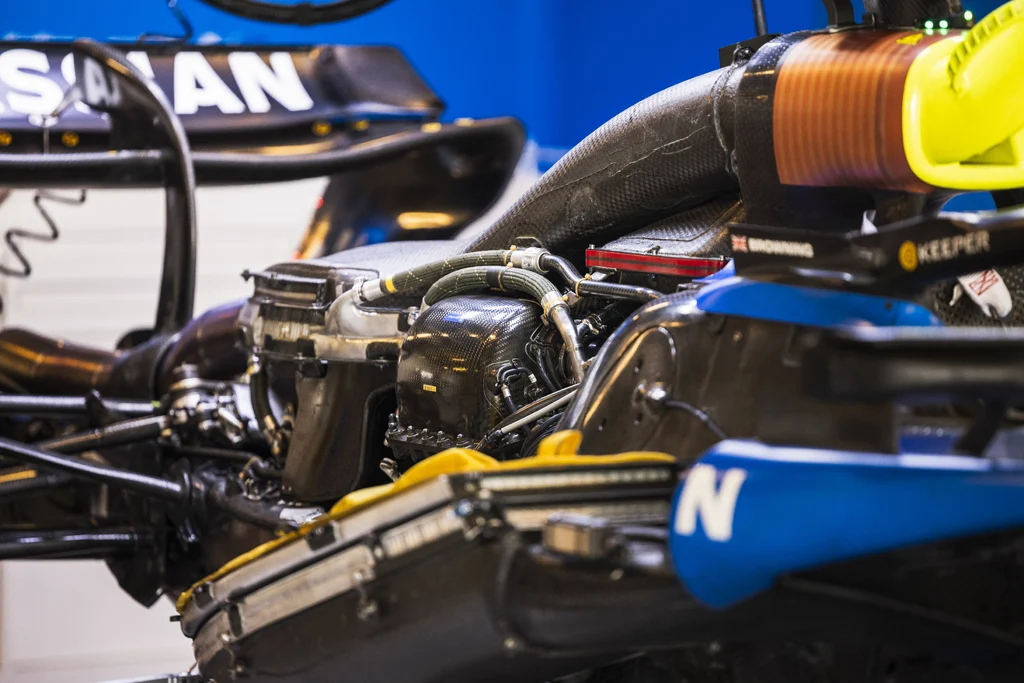
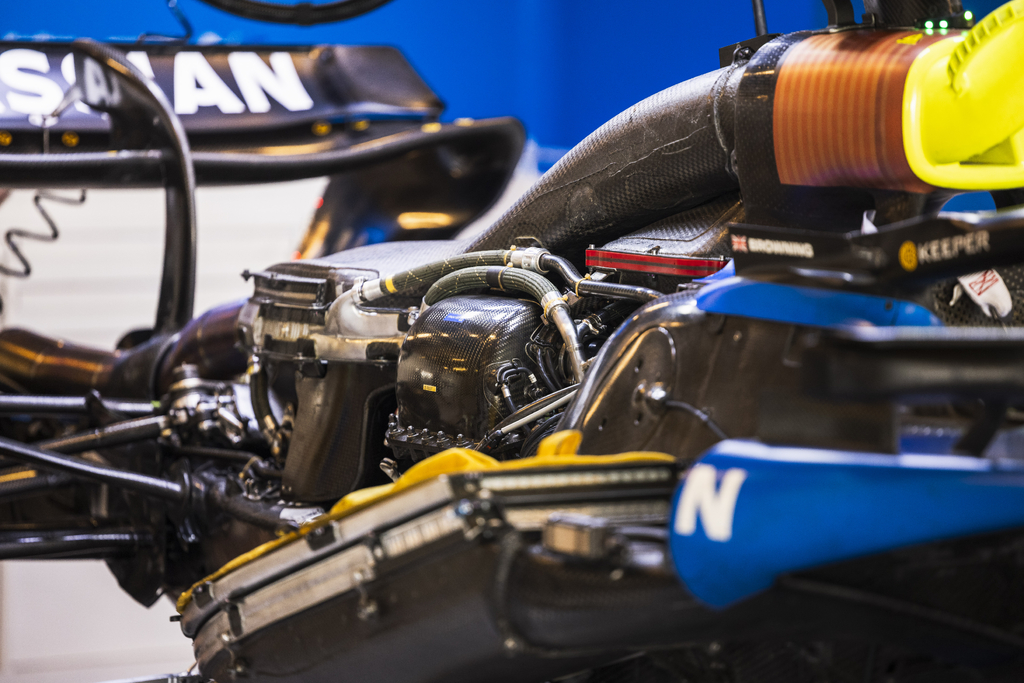
- 2014–2025: The Hybrid Revolution. The introduction of the 1.6-liter V6 turbocharged power units, coupled with the MGU-K and MGU-H, marked the beginning of an era characterized by unprecedented technical efficiency but criticized for immense weight, astronomical development costs, and a lack of the "auditory soul" fans craved.
- 2026–2029: The Transition Phase. The current regulatory period, characterized by a 50/50 split between electric and thermal energy, represents the peak of complexity.
- 2030/2031: The V8 Return. The FIA’s roadmap aims to pivot back to a simplified thermal-dominant architecture, leveraging sustainable fuels rather than battery-heavy electrification.
Criticisms of the Current Hybrid Era
The push for this change is a direct response to a growing chorus of criticism regarding the current power units. Since their inception, the complex hybrid systems have been scrutinized for their massive weight, which has turned modern F1 cars into "tanks" compared to their predecessors.
The technical complexity, particularly the inclusion of the MGU-H—which many manufacturers admitted had little relevance to real-world road-car technology—has been a major point of contention. Ben Sulayem has been vocal about this disconnect: "The mission is to reduce complexity, not like today. When the MGU-H existed, it had an objective, but no manufacturer really benefited from it in the real world."
Furthermore, the environmental narrative has shifted. While electrification was the industry trend of the 2010s, the current landscape is increasingly favoring sustainable synthetic fuels. The FIA’s new direction acknowledges that a lighter, more agile car powered by a high-revving V8 running on carbon-neutral fuel may be a more compelling, and ultimately more sustainable, solution than one burdened by heavy, resource-intensive lithium-ion battery packs.
The Choice of the V8: Why Not the V10?
While purists often clamor for the return of the legendary V10 engines, the FIA has dismissed this path as non-viable in the current industrial context.
"If I ask current manufacturers if they produce cars with a V10… it was an era where many did, but today, no," Ben Sulayem explained. The V8 remains the "goldilocks" solution: it is the most popular configuration among high-performance road-car manufacturers like Ferrari, Mercedes, Audi, and Cadillac. By aligning F1 engines with the V8 platforms used in these flagship production cars, the FIA hopes to ensure the sport remains a relevant laboratory for the automotive industry.
Technical Specifications: The Future Hybrid
It is important to note that the return to the V8 does not mean the total abandonment of electrification. However, the role of the electric component will be significantly diminished.
"You will hear about it very soon, and it will be with very, very limited electrification," says the FIA President. "The essential power will come from the thermal engine."
Unlike the current 50/50 split, the future power unit will feature only a nominal amount of electric assistance, primarily through the MGU-K. This will allow for a drastic reduction in the total weight of the car, addressing one of the most common complaints from drivers: that the cars have become too heavy and cumbersome to maneuver on tight, technical circuits.
Implications for the Sport and Industry
The implications of this shift are profound. For the fans, it represents the potential return of the high-pitched, aggressive engine notes that once defined the sport’s identity. For the teams, it signifies a reduction in development costs and a simplification of the powertrain, which could lower the barrier to entry for smaller manufacturers and independent teams.
However, the transition will not be without friction. Existing manufacturers, who have invested billions of dollars into the current V6 hybrid technology, are naturally resistant to the idea of a mandatory change that renders their current intellectual property obsolete. Yet, the FIA is clearly prioritizing the "product" of Formula 1 over the specific technical preferences of its participants.
"When you talk to the engine manufacturers, they say no, but what must happen will happen," Ben Sulayem noted. "The power will return to the FIA."
Conclusion: A New Dawn for Formula 1
By setting a firm, non-negotiable date for the return of the V8, the FIA is asserting its role as the ultimate steward of the sport. The decision to prioritize mechanical purity, weight reduction, and industrial relevance suggests a future where Formula 1 is less of a battery-development exercise and more of an engineering showcase for high-performance sustainable combustion.
As the countdown to 2030 begins, the automotive world will be watching closely. Whether this move revitalizes the sport’s popularity or creates a deeper rift between the regulator and the manufacturers remains to be seen. What is certain, however, is that the era of hyper-complex, heavy hybrid engines is coming to an end, and the thunder of the V8 is set to return to the pinnacle of motorsport.
