

By Automotive Editorial Desk
Published in Automotive Analysis & Global Mobility
Main Facts
The modern European automotive landscape is undergoing a quiet, high-stakes identity crisis. For decades, the "people’s car" was defined by a simple, uncompromised premise: four wheels, a steering engine, basic weather protection, and an accessible price point. Today, that foundational concept has been systematically legislated, engineered, and marketed out of existence.
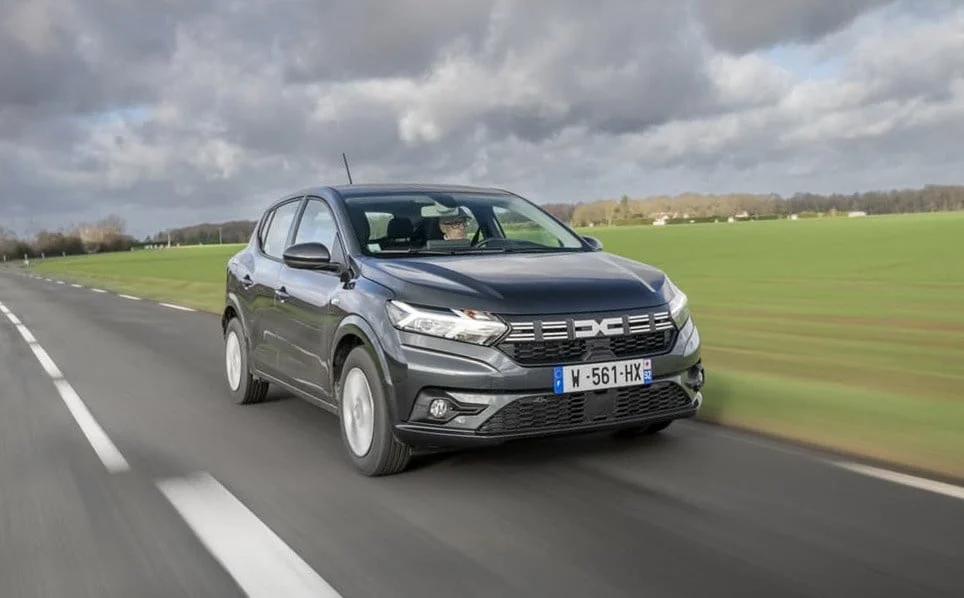
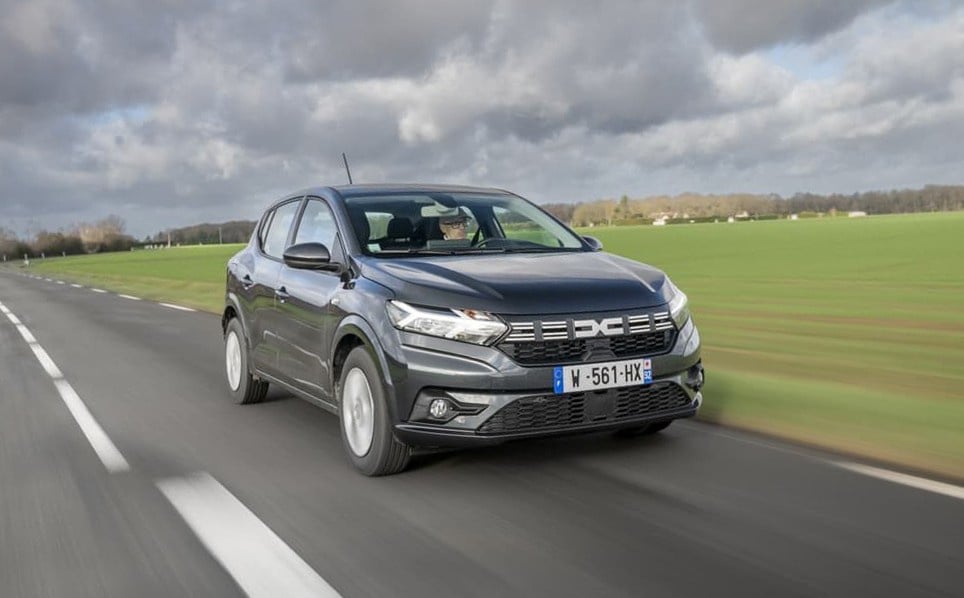
Nowhere is this evolution more glaringly apparent than in the lifecycle of the Dacia Sandero. When Renault’s budget subsidiary launched the Sandero in 2008, it carried a base price of roughly €7,800. Fast forward to the current market, where the entry-level price sits just shy of €14,000. While general economic inflation accounts for a portion of this nearly 80% surge, the doubling of the Sandero’s price tag represents a collective, systemic transformation.
This transformation is driven by three distinct pillars:
- Stringent European Union safety and emissions mandates (specifically the General Safety Regulation II, or GSR II).
- Automotive industry manufacturing shifts, which prioritize economies of scale over bespoke minimalist options.
- Consumer disconnect, where mandated technological "safety nets" often generate more driver fatigue and frustration than actual peace of mind.
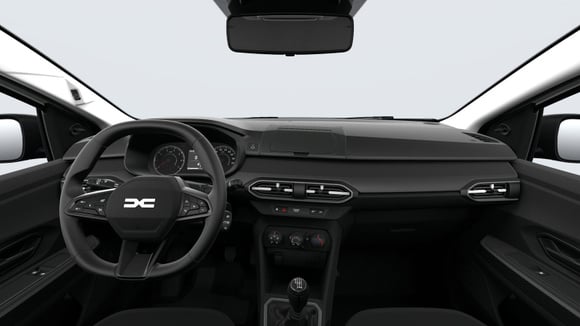
Even at its baseline price, a contemporary entry-level Sandero is packed with features that would have been considered luxury additions two decades ago: automated emergency braking, traffic sign recognition, lane-keep assist, a driver-monitoring fatigue camera, rear parking sensors, and cruise control. Yet, ironically, fundamental comforts like manual air conditioning remain locked behind costly options lists or higher trim packages, while exterior mirrors often still require manual, awkward physical adjustments.
The essential car, as European motorists once knew it, has officially been priced out of reach.
Chronology: The Evolution of the Budget Automobile
To understand how Europe arrived at a nearly €14,000 baseline for its cheapest new vehicle, it is necessary to examine the historical timeline of regulatory milestones and manufacturing pivots over the last twenty years.
- 2008: The Birth of the Budget Benchmark
Dacia launches the first-generation Sandero. Priced aggressively at €7,800, it strips away non-essential electronics, acoustic insulation luxuries, and cosmetic flair. It proves that a massive market exists for brand-new, no-frills mobility backed by a factory warranty. - 2012–2016: The Digital Integration Era
As second-generation models roll out, tightening Euro-NCAP crash-test criteria force manufacturers to reinforce structural chassis components. Simultaneously, consumer demand shifts toward basic infotainment connectivity, gradually creeping base vehicle weights and electrical architectures upward. - 2021–2023: The Supply Chain and Powertrain Squeeze
Post-pandemic supply chain disruptions, combined with the accelerating push toward electrification and fleet-average CO2 reduction targets, spell the end for ultra-simple, low-displacement atmospheric engines. Brands abandon smaller sub-65-horsepower powerplants in favor of standardized, higher-output turbocharged engines to maximize production efficiencies. - July 1, 2024: The GSR II Mandate Activation
The European Union implements the second phase of its General Safety Regulation (GSR II). It becomes legally impossible to register a brand-new vehicle in the EU without a suite of advanced driver-assistance systems (ADAS), including intelligent speed assistance, event data recorders, and persistent driver distraction warnings. Base vehicle development costs spike overnight. - Present Day (2025–2026): The Paradox of Compliance
Automakers are trapped between the anvil of regulatory compliance and the hammer of consumer pushback. Executives openly admit that the most frequently used button on modern dashboards is the "My Safety Switch"—a shortcut created solely so drivers can turn off the very safety alerts they were forced to pay for.
Supporting Data & Market Analysis
A deeper dive into the economics of budget manufacturing reveals a fascinating paradox. While Dacia has kept price increases relatively modest compared to the wider automotive industry—which has seen average new-car prices skyrocket across all segments—the composition of the vehicle has fundamentally changed.
Cost and Equipment Breakdown: 2008 vs. Today
| Feature / Metric | Dacia Sandero (2008 Launch) | Dacia Sandero (Current Base Model) |
|---|---|---|
| Base Price | ~€7,800 | ~€13,990 |
| Engine Output | Basic sub-75 hp options available | TCe 100 hp (Minimum tier) |
| Active Safety Systems | ABS, basic seatbelts | ABS, ESP, AEB, Lane Keep Assist, Driver Fatigue Camera |
| Convenience Tech | Manual windows, optional radio | Electric front windows, cruise control, rear radar |
| Climate Control | Optional / Basic ventilation | Manual AC (often locked to higher trims or paid options) |
The Powertrain Conundrum
One major driver of rising costs is the automotive industry’s reliance on platform standardization. To achieve economies of scale, manufacturers have largely phased out simple, small-displacement, naturally aspirated 3-cylinder engines (such as the old 1.0-liter 65-hp motor). While these units were admittedly sluggish, they were more than adequate for urban commuting.
Today, replacing them requires deploying more complex turbocharged units, such as the 100-hp engine variants. While these engines offer broader performance capabilities, they push vehicles well past the threshold of "essential" power, adding mechanical cost and complexity that urban buyers may neither want nor need.
Official Responses and Industry Perspectives
The friction between regulatory bodies and automotive manufacturers has sparked intense debate among industry leaders, public policy advocates, and consumers.
The Manufacturer’s Dilemma: Dacia’s Leadership Speaks
Katrin Adt, the head of Dacia, has offered remarkably candid assessments of the current market constraints. Speaking on consumer sentiment toward mandatory regulatory technology, Adt acknowledged an open secret within the modern showroom: the "My Safety Switch"—which allows drivers to deactivate the mandated ADAS suites in a single motion—is universally the most utilized button by Dacia customers.
"Fussent-elles pour améliorer la sécurité en voiture, ces béquilles encore imparfaites… sont encore loin d’être acceptées par les automobilistes."
(Though intended to improve car safety, these still-imperfect crutches are still far from being accepted by motorists.)
Automakers find themselves in a public relations bind. They are legally prohibited from selling non-compliant cars, meaning they must pass the cost of expensive cameras, sensors, and software calibrations directly to the consumer. Consequently, taxpayers and budget-conscious buyers are forced to finance technologies they frequently find intrusive, stressful, and prone to annoying false positives (such as persistent audible speeding chimes and aggressive steering wheel corrections).
The EU Regulatory Stance
From the perspective of the European Commission, regulations like GSR II are non-negotiable components of the broader Vision Zero initiative—an EU-wide goal aiming to eliminate fatalities and serious injuries on European roads completely by 2050. Brussels policymakers argue that human error accounts for over 90% of all traffic accidents, making electronic safety guardians a vital public health intervention, regardless of short-term consumer resistance.

Broader Implications and Future Outlook
The disappearance of the truly cheap, essential car has wide-ranging implications for social mobility, the used car market, and the future of urban transportation in Europe.
1. Widening the Mobility Divide
As new car prices climb toward a €14,000 absolute floor (with most well-equipped models easily clearing €18,000 to €22,000), low-income households and younger drivers are increasingly priced out of the new vehicle market. This forces reliance on an aging fleet of used cars, delaying the ecological transition toward cleaner, lower-emission modern powertrains for the segments of society that need financial relief the most.
2. The Great Electric Hope: Can Stellantis and Citroën Deliver?
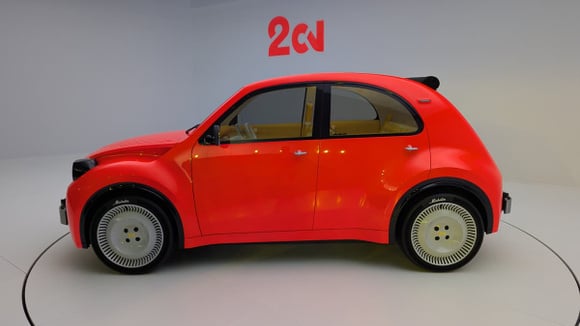
Recognizing this glaring market gap, legacy manufacturers are attempting to engineer a new category of ultra-affordable urban vehicles. Stellantis, for instance, is pinning its hopes on future iterations of small electric vehicles—such as prospective lightweight EV models and spiritual successors to iconic minimalist cars like the Citroën 2CV—projected for release later this decade.

However, whether these vehicles can truly remain "essential" and cheap depends entirely on regulatory adjustments. If the EU continues to apply the exact same rigorous GSR II standards to lightweight, low-speed urban microcars and entry-level EVs, their development costs will inevitably balloon, defeating the core mission of providing cheap, accessible mobility.
Conclusion
The evolution of the Dacia Sandero serves as a cautionary tale for modern industrial policy. When safety mandates, corporate platform strategies, and consumer desires fall out of alignment, the casualty is simplicity itself. Until regulatory frameworks adapt to accommodate a protected, lightweight, minimalist vehicle category, the dream of buying a truly straightforward, inexpensive new car will remain a relic of the past.
