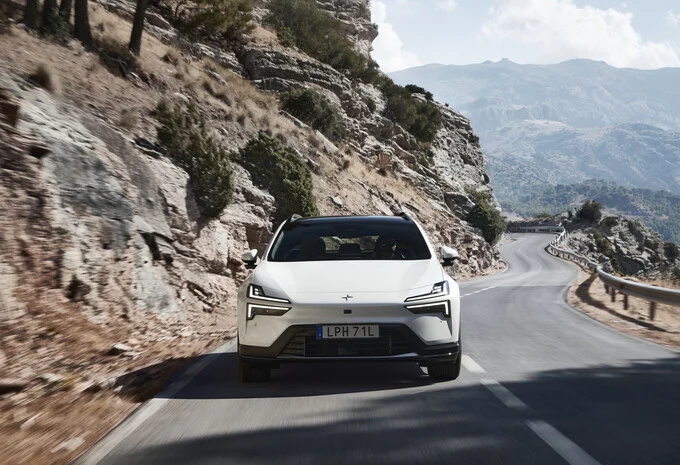
Polestar is a brand currently navigating a delicate identity crisis. While historically shackled to the perception of being Volvo’s performance-oriented, slightly edgier sibling—both brands share Gothenburg roots and Geely Group ownership—Polestar is aggressively attempting to chart its own course. The brand’s leadership is explicit in its mission: "Volvo evokes safety and comfort; Polestar must represent performance and design."
With the arrival of the new Polestar 4 SUV, the brand is taking a significant step toward reconciling these aspirations. By introducing a "traditional" rear window to a model previously defined by its radical lack of one, Polestar is proving that it can listen to the market without abandoning its signature Scandinavian aesthetic.
Main Facts: Refinement Through Modification
The Polestar 4 SUV arrives not as a clean-sheet design, but as a calculated evolution of its sibling, the Polestar 4 Coupé. Despite sharing the vast majority of its DNA, 48 specific components were altered to facilitate the transition from the Coupé’s "fastback" silhouette to a more utilitarian SUV profile.
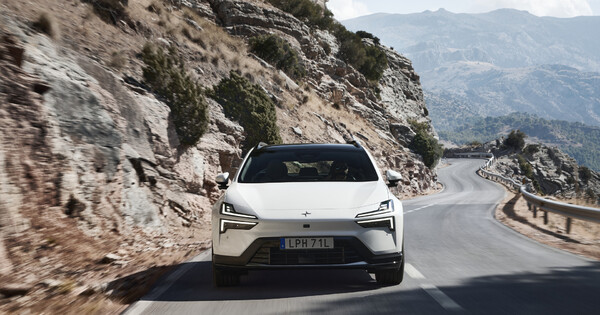
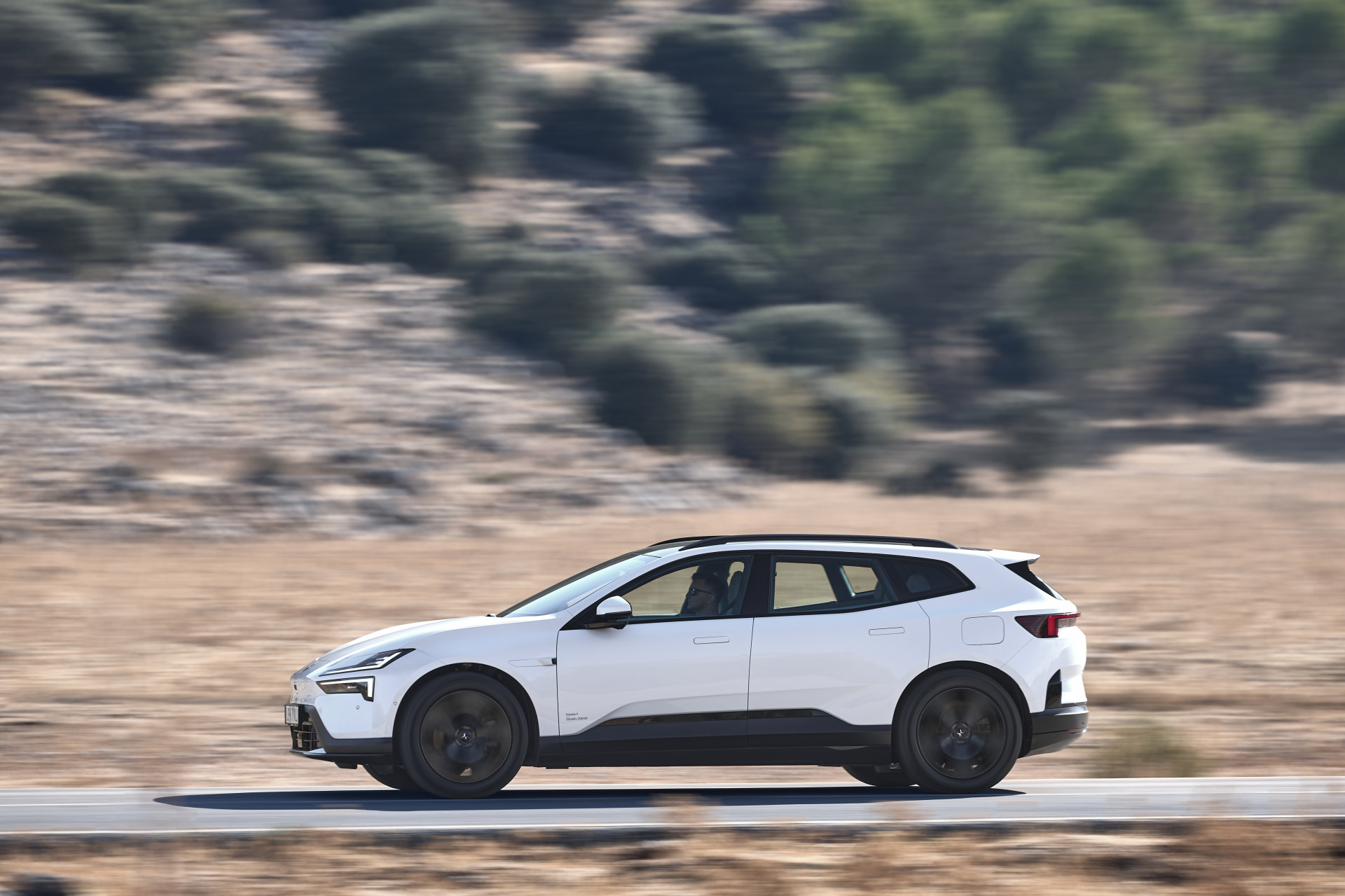
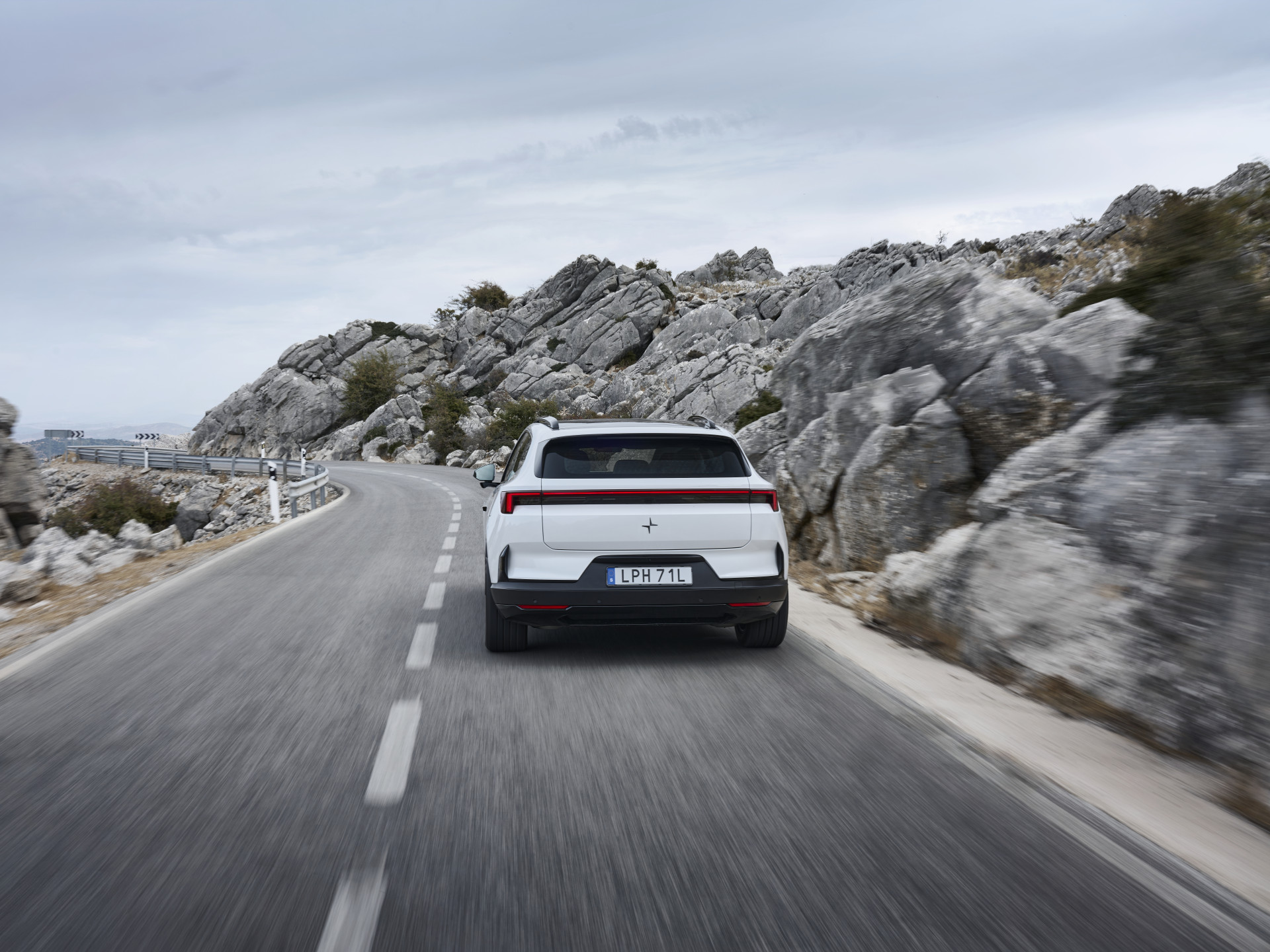
The most notable change is the integration of a functional glass rear window, replacing the rear-facing camera setup that characterized the initial launch of the Coupé. This shift addresses the primary critique of the original model, signaling that Polestar is willing to embrace classic automotive cues when they serve the user experience.
Underneath the skin, the technical specifications remain familiar. The vehicle sits on Geely’s SEA1 platform, utilizing a 400V electrical architecture. While this limits peak charging speeds compared to 800V rivals, it remains a robust, proven foundation for the brand’s current fleet.
Chronology of Development
The trajectory of the Polestar 4 reflects the rapid-fire development cycles of modern EV manufacturers:
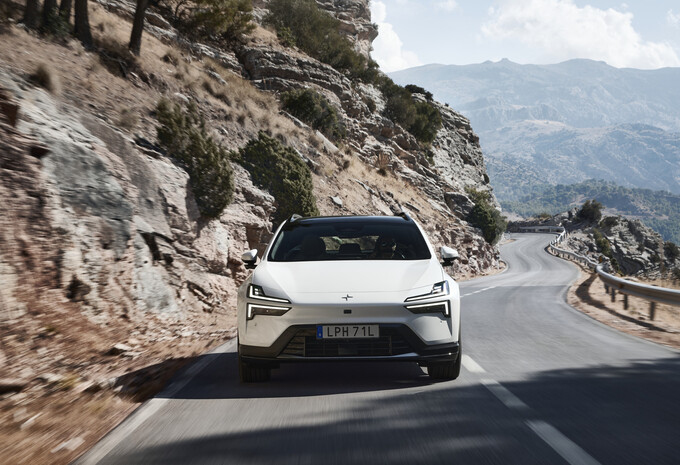
- The Conceptual Phase: Polestar aimed for a "minimalist, avant-garde" design language, leading to the daring removal of the rear window in the initial Polestar 4 Coupé.
- Market Feedback: While praised for its aesthetic, the Coupé faced criticism regarding rear visibility and the psychological comfort of passengers lacking a direct line of sight through a rear window.
- The Engineering Pivot: Recognizing the need for a more versatile "SUV" variant, engineers modified the rear structure. The structural cross-member, which previously occupied the space where the window would sit, was carefully repositioned.
- Refinement: Alongside the body changes, the chassis was tuned. Engineers softened the front springs by 6% and stiffened the rear by 12% to account for the slight change in weight distribution and to enhance long-distance comfort.
Supporting Data: Performance and Practicality
The transition to the SUV format brings tangible benefits in terms of cargo capacity, though it presents a few counter-intuitive trade-offs in passenger space.
Cargo and Capacity
The SUV configuration is a clear winner in terms of raw utility. The more vertical rear hatch allows for an additional 129 liters of luggage space, bringing the total capacity to 655 liters. This is a significant improvement for families who found the Coupé’s storage constraints limiting. The "frunk" (front trunk) remains, offering a modest but helpful 15 liters of additional storage for charging cables or small items.
The Headroom Paradox
One might assume that the "SUV" shape would offer superior headroom for rear passengers. Surprisingly, the Coupé version offers a few extra millimeters of clearance. This is because the original Coupé was designed with extreme focus on interior volume, pushing structural supports to the absolute limit. In the SUV, the reinforcement beams remain in a similar position, maintaining the existing, albeit generous, rear-seat comfort, rather than expanding it.
Charging and Efficiency
The Polestar 4 SUV features a 100 kWh NMC battery. In the "Rear Motor" configuration, the vehicle achieves a WLTP-rated range of 630 km. The Dual Motor version, while more powerful, only sees a minor reduction in range to 600 km.
However, the 400V architecture is the vehicle’s Achilles’ heel in a competitive landscape. Charging from 10% to 80% takes approximately 30 minutes, peaking at 200 kW. While respectable, it lags behind the 800V-enabled Audi Q6, Mercedes GLC, and BMW iX3, which can often recover similar range in significantly less time.
Official Responses and Strategic Philosophy
Polestar’s design philosophy extends beyond the sheet metal. The company has made bold claims regarding its supply chain, specifically concerning its leather interiors.
"We want to move away from the ‘vegan leather’ trend, which is often just chemically treated plastic," a company representative noted. Instead, Polestar has implemented a rigorous traceability program for its leather, ensuring that the hides are by-products of the food industry and that the animals are treated according to strict welfare standards. Furthermore, the tanning process is chrome-free, mitigating the environmental impact associated with traditional leather production.
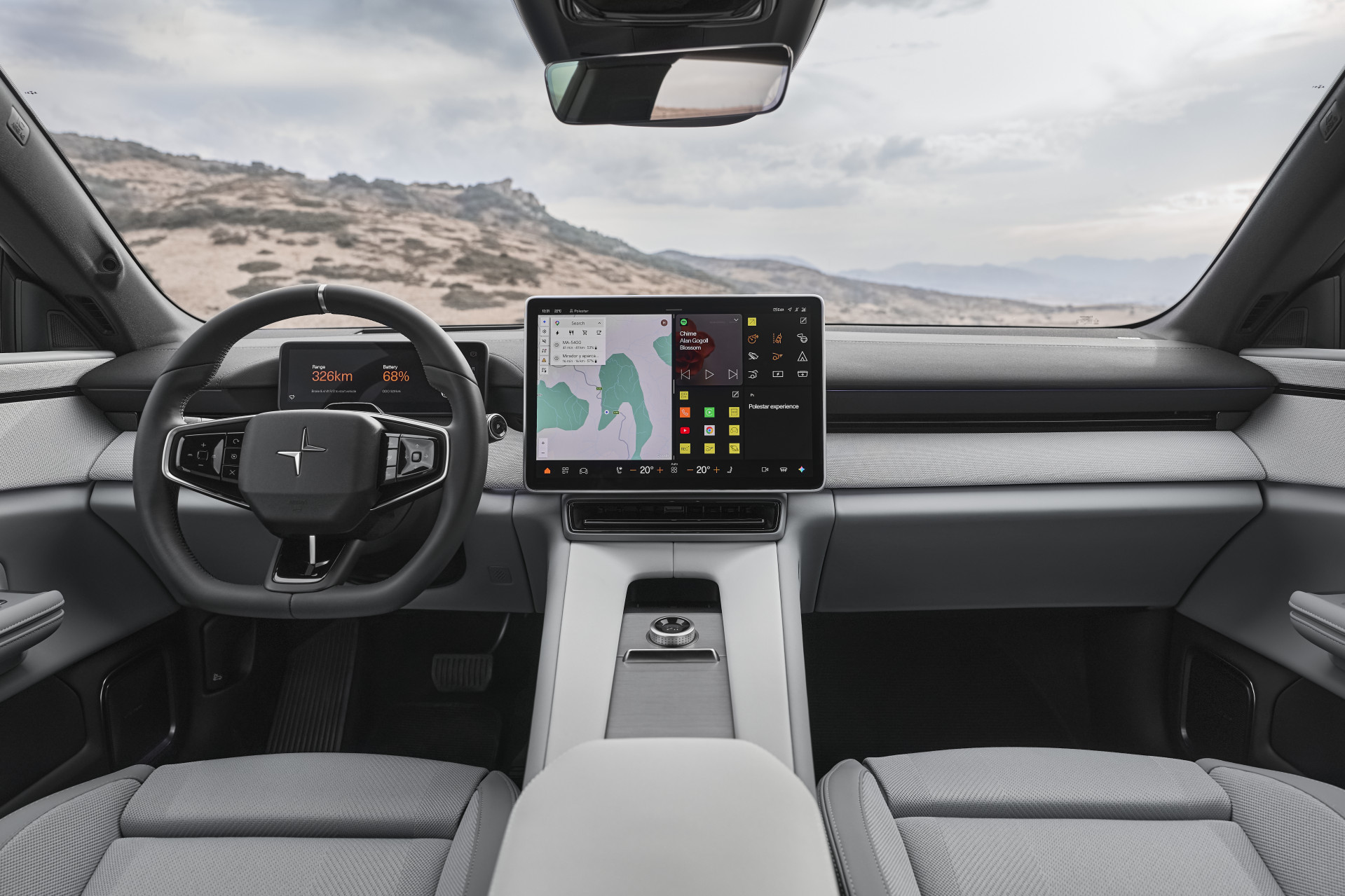
Regarding the user interface, Polestar acknowledged the limitations of their current "screen-only" approach. While the Google-integrated system is lauded for its fluidity and intuitive menu structure, the company has officially announced plans to reintroduce physical buttons and tactile switches in future models, responding to user requests for improved ergonomics while driving.
Implications: A Contender in the Premium Segment
The Polestar 4 SUV faces a difficult battle in the European market, where it is positioned against established premium titans. With a starting price of approximately €59,900, it enters a price bracket where brand loyalty and technological superiority are fierce.
The Value Proposition
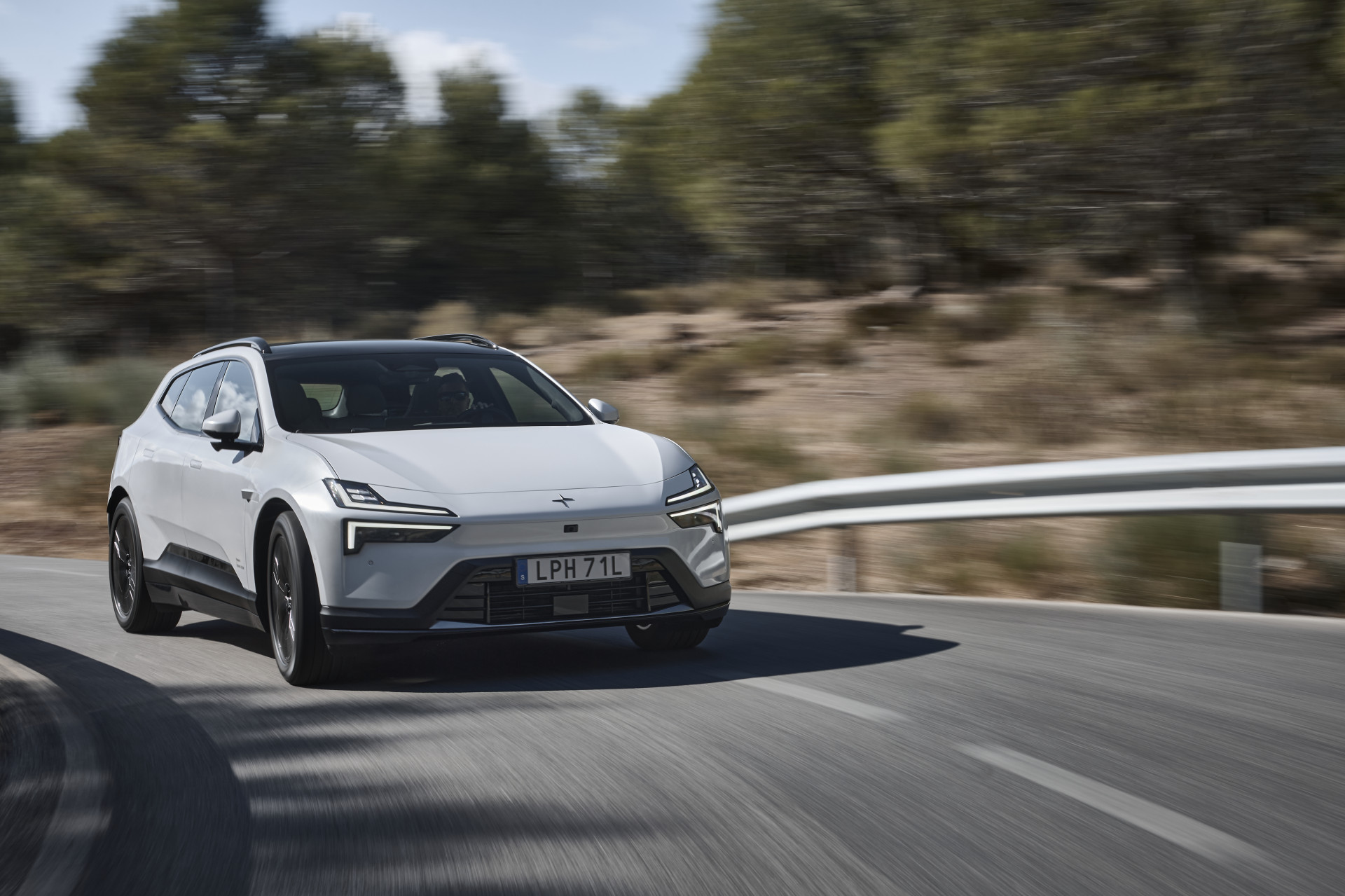
The "Rear Motor" variant (272 hp, 343 Nm) is expected to be the volume seller. While it hits 100 km/h in 7.3 seconds—hardly a performance benchmark for a 2.27-tonne vehicle—it offers a refined, comfortable, and composed driving experience. For those seeking the performance that Polestar promises, the "Dual Motor" variant (544 hp, 686 Nm) reduces the 0-100 km/h time to a blistering 3.9 seconds.
The Competition
The decision to stick with a 400V platform is perhaps the biggest strategic gamble. In a market where charging infrastructure is rapidly moving toward 800V systems, the Polestar 4 SUV risks looking dated to tech-focused buyers. However, Polestar attempts to offset this with a 22 kW onboard charger option for home use, which can fully recharge a depleted battery in about 5.5 hours, assuming the home infrastructure is present.
Final Verdict
The Polestar 4 SUV is a mature, well-resolved product. It manages to retain the brand’s striking design language while offering a level of daily practicality that the Coupé version arguably lacked. Its ride quality, characterized by a sophisticated suspension tune that expertly balances compliance and body control, makes it one of the most comfortable long-distance cruisers in its class.
While it falls short of being a "performance" vehicle in the traditional sense, and its charging architecture sits behind the curve of the most advanced competitors, it excels as a premium family vehicle. It is a car that values the user experience—from the animal-welfare-conscious leather to the well-thought-out Google interface—over raw, headline-grabbing specifications.
For the buyer looking to step away from the traditional German luxury marques, the Polestar 4 SUV provides a compelling, stylish, and increasingly practical alternative. The brand is no longer just "the other Volvo"; it is defining its own niche as a purveyor of sophisticated, conscientious, and beautifully designed electric mobility. As Polestar continues to refine its interface and performance, the 4 SUV stands as a testament to a company that is learning to balance its artistic vision with the hard, cold realities of consumer demand.