

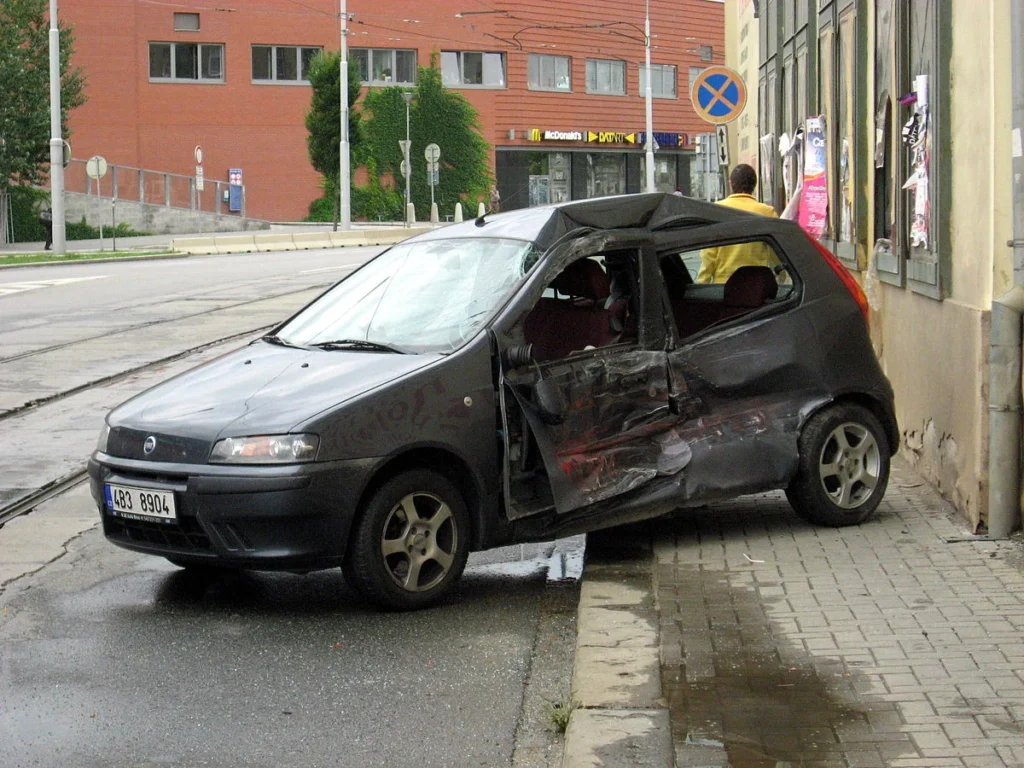
In the modern landscape of personal mobility, owning a vehicle is more than a matter of convenience; it is a significant responsibility that carries profound legal and financial weight. Far from being a mere bureaucratic hurdle, auto insurance represents a critical safeguard for every motorist. Whether you are a first-time car buyer, a long-term driver looking to optimize your coverage, or someone returning to the road after a hiatus, understanding the intricacies of auto insurance is essential to protecting your assets and your freedom.
The Foundation of Road Legality: Understanding the Mandatory Requirements
At the heart of every national road safety policy, including those in France and across Europe, lies an uncompromising legal mandate: every motorized vehicle owner must possess, at a minimum, a third-party liability insurance policy (Responsabilité Civile). This is not an optional add-on; it is the fundamental "ticket to ride."
Why Compliance is Non-Negotiable
The legal requirement serves a dual purpose. First, it ensures that if you are involved in an accident where you are at fault, the victims are financially compensated for their physical and material damages. Second, it serves as a protective barrier for you, the driver. Without this coverage, you are personally liable for damages that could easily spiral into hundreds of thousands of euros—a financial catastrophe that could ruin a person’s livelihood overnight.
The consequences of failing to comply are severe and immediate. Driving uninsured is categorized as a serious offense, often resulting in:
- Hefty Financial Penalties: Fines that can escalate into the thousands of euros.
- Administrative Seizure: Immediate immobilization or impounding of the vehicle.
- Loss of Privileges: The suspension or permanent revocation of your driver’s license.
Even if you only intend to drive a short distance—perhaps to move a vehicle to a new parking spot or run a quick errand—the law makes no distinction. If the engine is running and you are on a public road, the coverage must be active.
Chronology of Needs: When to Act
Identifying the critical moments for insurance intervention is key to maintaining continuous coverage. Understanding these scenarios allows drivers to act proactively rather than reactively.
1. The Acquisition Phase
When purchasing a new or pre-owned vehicle, the timeline is often compressed. Before you can legally register the vehicle or take possession of the keys, you must present a valid insurance certificate. This requires preparation: before finalizing the sale, you should already have a quote or an active policy ready to be activated the moment the transfer of ownership occurs.
2. The Transitional Phase
Life is fluid. Whether you are moving to a new region, selling a car to upgrade to a newer model, or switching providers to secure better rates, the transition period is the most common time for accidental lapses in coverage. Proper planning involves synchronizing your new policy’s start date with the termination date of your previous contract, ensuring there is never a "blind spot" where your vehicle is unprotected.
3. The Re-entry Phase
After an extended period of not driving—due to a license suspension, a long-term medical issue, or simply storing a classic car—the process of returning to the road requires a thorough mechanical inspection. Just as you check the oil and tires, you must also ensure your insurance status is compliant. Insurers may require updated information about the vehicle’s condition or your driving history, which must be addressed before you re-enter traffic.
Supporting Data and Risk Assessment
To make an informed decision, one must look at the three primary tiers of automotive coverage available in the current market. Selecting the right one is a mathematical exercise in risk versus value.
Analyzing the Tiers of Coverage
- Third-Party Only (Tiers Simple): This is the minimum legal requirement. It covers bodily injury and property damage to others. It is the most economical choice, typically recommended for older vehicles with low market value where the cost of comprehensive insurance would exceed the car’s worth.
- Third-Party Extended (Tiers Étendu): This adds essential protections against specific risks like theft, fire, and broken glass. It is a "middle-ground" solution for drivers who want more security than the legal minimum without paying the premium for full coverage.
- Comprehensive (Tous Risques): The "all-inclusive" package. It covers almost everything, including damages to your own vehicle in an accident where you are at fault, vandalism, and natural disasters. This is highly recommended for newer, high-value vehicles.
The Role of Deductibles
An often-overlooked component of the insurance contract is the "deductible" or "franchise." By adjusting the deductible—the amount you pay out-of-pocket before the insurer kicks in—you can directly influence your monthly premium. A higher deductible results in lower monthly payments, while a lower deductible ensures less financial burden at the moment of an accident. Balancing these two figures requires an honest assessment of your cash flow and your risk tolerance.
Official Guidelines and Professional Recommendations
Industry experts and regulatory bodies, such as the Fédération Française de l’Assurance, emphasize that the cheapest policy is not always the best. When reviewing potential contracts, experts suggest paying close attention to "Exclusion Clauses."
Common Exclusions to Watch For:
- Professional Usage: If you use your personal car for deliveries or business trips, standard policies may not cover accidents occurring during these times.
- Unapproved Modifications: Custom engine tuning or aesthetic body modifications can void coverage if they were not explicitly declared to the insurer.
- Secondary Drivers: If a friend or family member who is not on the policy drives your car and causes an accident, you may find yourself facing a significantly higher deductible or even a denied claim.
"The most effective way to secure a fair deal," notes industry analyst Marcus Thorne, "is to use independent, neutral comparison platforms. However, never compare price alone. Ensure you are comparing ‘apples to apples’—check the coverage limits, the quality of roadside assistance, and the reputation of the insurer’s claims department."
Implications of the Digital Transformation
The shift toward digital insurance services has fundamentally changed the landscape, providing unprecedented speed and convenience. Today, the "immediate online auto insurance" model has become the standard for the modern consumer.
The Benefits of Digital Integration
- Speed of Issuance: You can receive an electronic insurance certificate in minutes, allowing you to drive a newly purchased vehicle off the lot legally.
- Accessibility: Digital portals are available 24/7, removing the frustration of "banker’s hours" and physical office visits.
- Cost Efficiency: By bypassing physical branches and human-heavy administrative processes, many digital-first insurers pass the savings directly to the consumer.
- Legal Security: With modern electronic signatures and encrypted document storage, your digital contract holds the same legal weight as a paper one, and it is much harder to lose.
Conclusion: Driving with Confidence
Securing the right insurance is not merely about avoiding fines; it is about ensuring peace of mind. By understanding your specific needs—whether you are driving a vintage sedan or a state-of-the-art electric vehicle—and leveraging the digital tools available to compare and manage your policies, you can navigate the road with confidence.
As we look to the future, the integration of telematics and usage-based insurance is likely to make premiums even more personalized. For now, the best strategy remains consistent: stay informed, review your policy annually, and never underestimate the value of comprehensive coverage. Your vehicle is a vital part of your daily life—ensure it is as well-protected as the lives of those you transport.
Quick Reference Checklist for New Policyholders:
- Documentation: Ensure you have your driver’s license, registration (carte grise), and banking details ready.
- Comparison: Use at least three different platforms to compare coverage limits, not just premiums.
- Verification: Confirm whether your policy includes "Roadside Assistance" (Assistance 0km), which can be a lifesaver in the event of a mechanical breakdown.
- Documentation Storage: Keep a digital copy of your insurance card on your smartphone, even if you keep a hard copy in the glovebox.
