
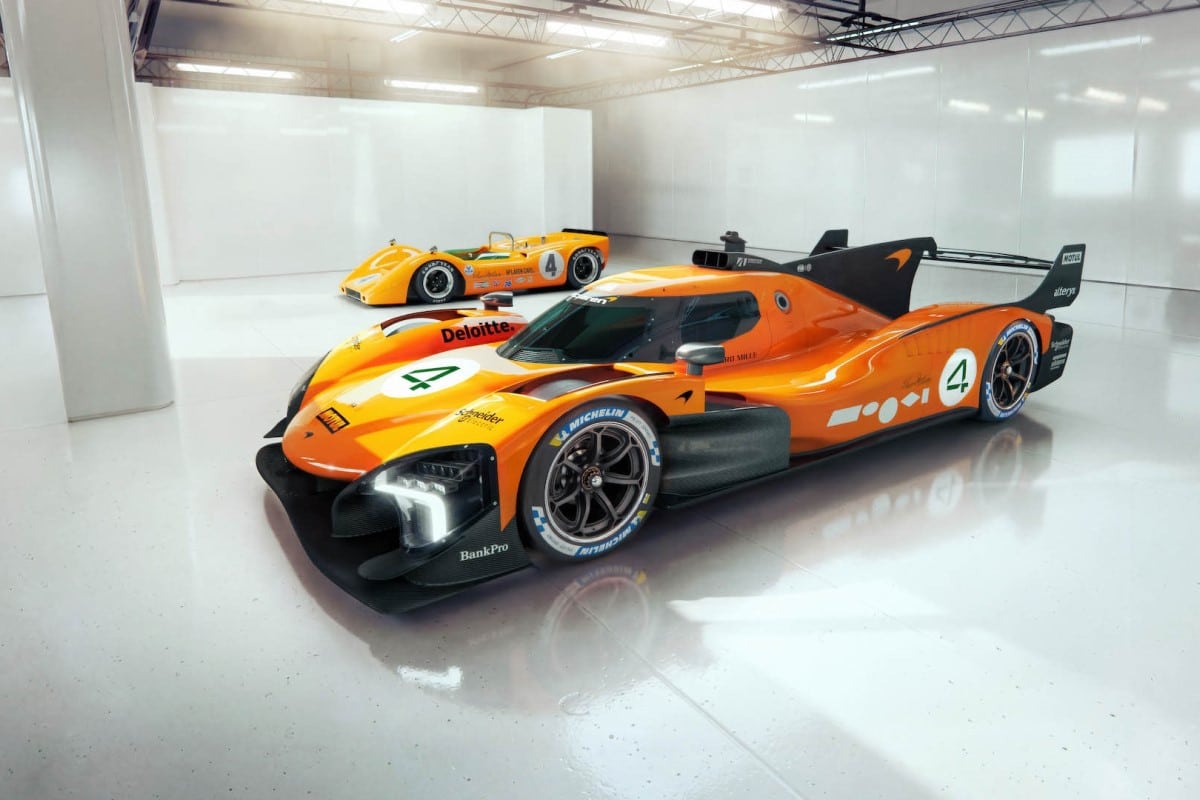
After an absence of nearly three decades from the highest echelon of endurance racing, McLaren has officially pulled the covers off its LMDh prototype, the MCL-HY. This reveal, dated May 4, 2026, marks a watershed moment for Woking, transforming what was once a cautious concept into a concrete, race-ready machine. Following the tepid reception of the static model presented at the 93rd 24 Hours of Le Mans last year, the final design language of the MCL-HY has silenced critics, signaling a brutal and purposeful return to the Sarthe.
The Legacy of Papaya: A Design Rooted in Victory
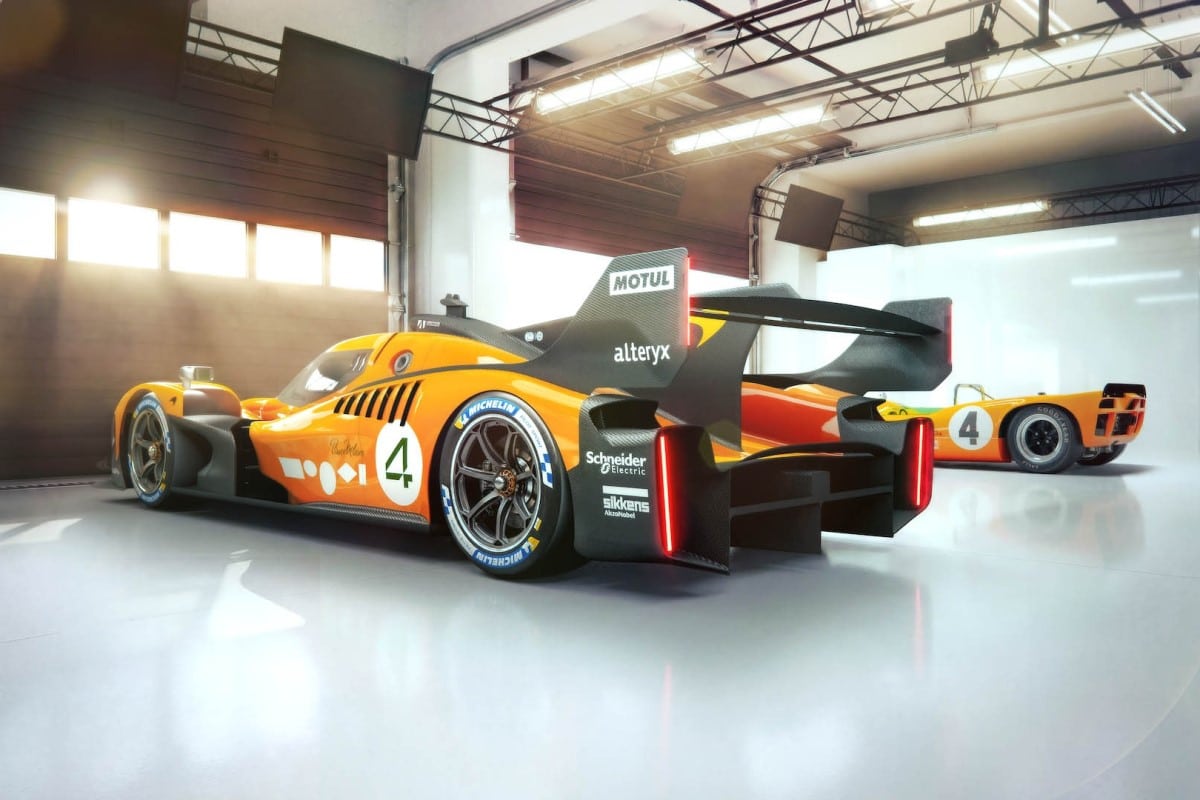
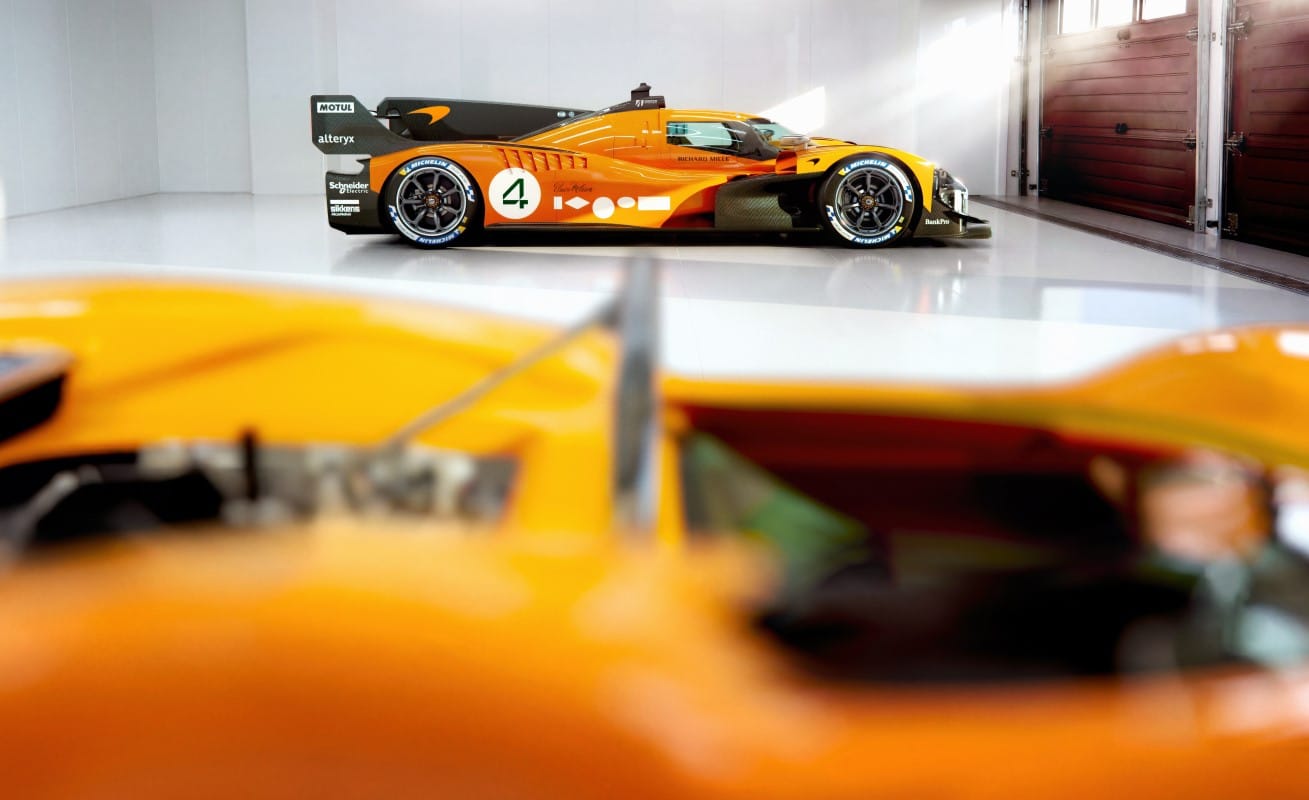
The livery of the MCL-HY—McLaren for the marque and HY for Hypercar—is far more than a marketing exercise in "Papaya Orange." It is a visceral, direct continuation of the manufacturer’s racing DNA. The design team has painstakingly channeled the spirit of the 1967 McLaren M6A, the legendary machine that dismantled the Can-Am series by winning five of the six rounds that season, ultimately securing the championship for Bruce McLaren.
Initially championed by Teddy Mayer for its sheer visibility, this iconic hue now adorns a prototype that integrates the sophisticated aesthetic language of modern McLaren road cars, particularly in the aggressive, signature design of the front lighting clusters. By aligning this prototype with the unfinished dream of Bruce McLaren—who famously sought to evolve the M6A into the M6GT to conquer Le Mans—the brand is finally closing a sixty-year loop of unfinished business.
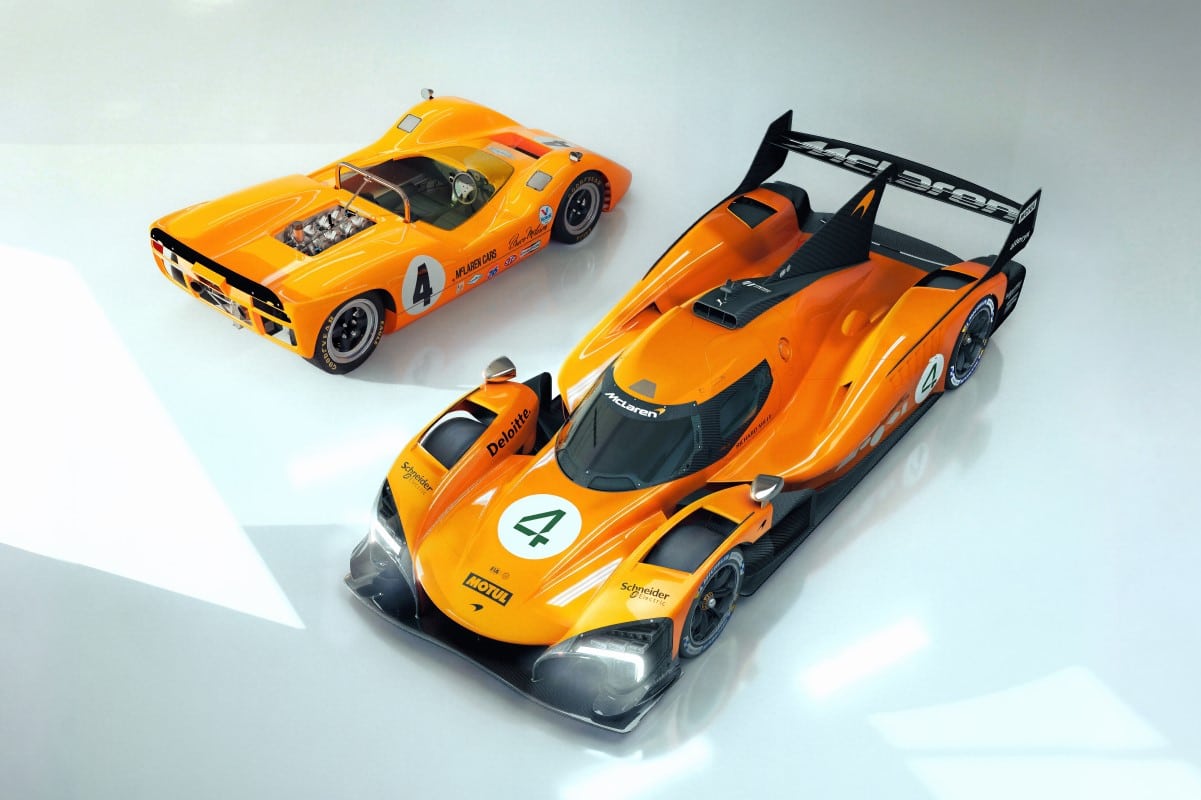
James Barclay, Executive Director of McLaren Endurance Racing, expressed the gravity of the moment: "The revelation of the MCL-HY opens a new chapter in McLaren’s return to the pinnacle of endurance racing. From the test livery that honors our 1960s Can-Am roots to the cutting-edge hybrid powertrain, this vehicle has been conceived by a world-class team to meet the demands of an era defined by fierce, razor-thin competition."
Chronology: From F1 GTR to the Hypercar Era
To understand the significance of the MCL-HY, one must look back at the historical milestones that define McLaren’s relationship with the 24 Hours of Le Mans.
- 1995: The legendary McLaren F1 GTR secured victory in its debut appearance, a feat rarely matched in motorsport history. It proved that a road-going platform could be adapted into an unbeatable track weapon.
- 2025: McLaren presented an initial static prototype at the 93rd 24 Hours of Le Mans. The reaction was mixed, with critics questioning the aerodynamic efficiency and aesthetic direction of the concept.
- May 4, 2026: The official unveiling of the refined MCL-HY prototype. The design is finalized, focusing on performance-first aerodynamics and a deeper integration of the McLaren design language.
- May 2026 onwards: The commencement of the rigorous testing phase. The team will focus on hybrid system reliability, aerodynamic optimization, and real-world endurance validation.
- 2027 (Anticipated): The competitive debut of the MCL-HY in the FIA World Endurance Championship (WEC).
The Triple Crown Ambition
Under the visionary leadership of Zak Brown, McLaren Racing is executing a strategic maneuver unprecedented in modern motorsport. By entering the FIA World Endurance Championship (WEC), McLaren cements its status as the only manufacturer in the world competing at the highest level in Formula 1, IndyCar, and top-tier Endurance racing simultaneously.
This "Triple Crown" ambition—targeting the Monaco Grand Prix, the Indianapolis 500, and the 24 Hours of Le Mans—is not merely about collecting trophies; it is a branding and technical juggernaut. It allows McLaren to weave a narrative that spans three distinct disciplines, distancing itself from competitors who limit their focus to one or two programs. This creates a feedback loop of engineering expertise, where lessons learned in the high-downforce, precision environment of F1 can inform the durability and energy-management requirements of endurance racing.
Technical Excellence: The LMDh Advantage
The MCL-HY was born from a deep collaboration between McLaren Racing and McLaren Automotive. By utilizing the LMDh (Le Mans Daytona h) regulations, the team has been granted the freedom to optimize the chassis for both agility and raw reliability.
Key Technical Pillars:
- Hybrid Integration: The car utilizes a standardized hybrid system (MGU) designed to optimize energy recovery during braking and provide a seamless power boost during acceleration phases.
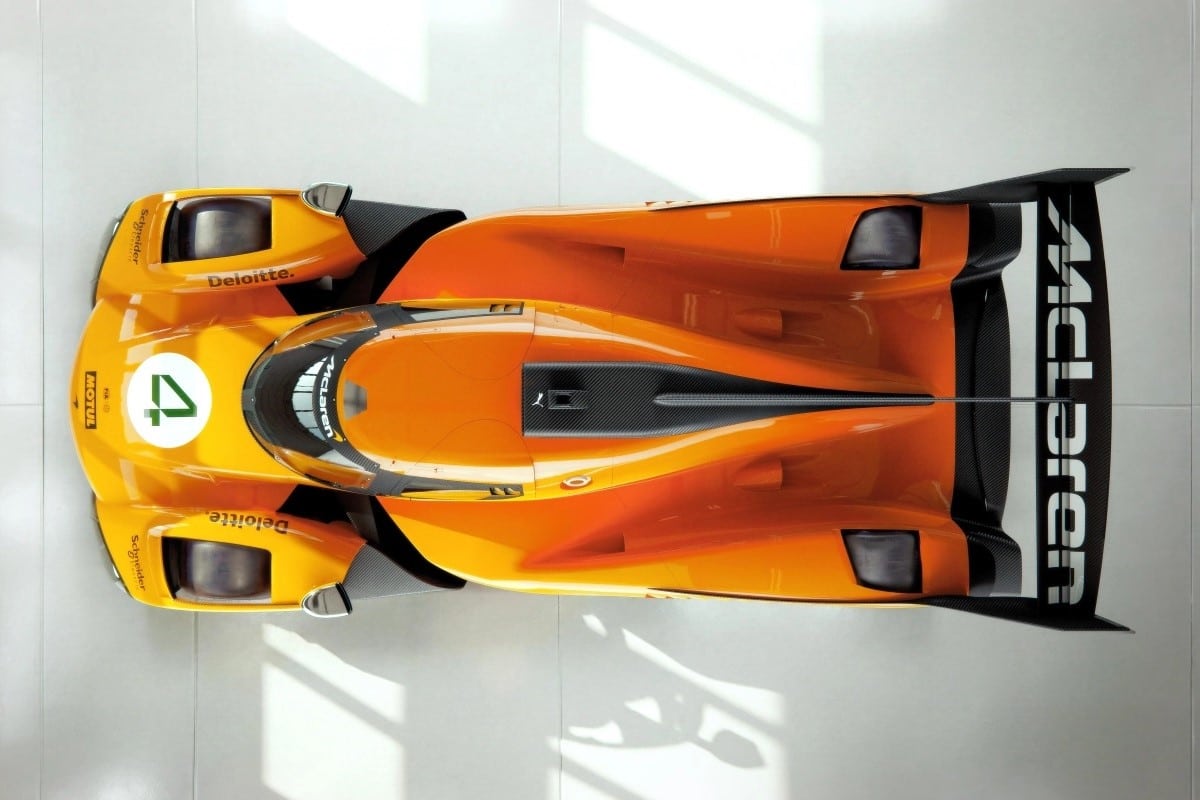
- Aerodynamic Efficiency: Extensive wind tunnel testing has resulted in a bodywork design that minimizes drag while maximizing cooling for the powertrain—a critical factor for the 24-hour duration of Le Mans.
- Software Sophistication: The onboard computers manage complex energy deployment maps, ensuring that the battery state of charge is optimized throughout each stint, balancing performance against the strict consumption regulations of the FIA.
The GTR Paradox: Performance Through Simplification
Parallel to the racing program, McLaren has launched "Project Endurance," a venture mirroring Ferrari’s 499P Modificata. The MCL-HY GTR is a track-only version offered to an exclusive circle of VIP clients.
The engineering logic behind the GTR is fascinating. By stripping away the mandatory hybrid (MGU) system required for FIA competition, the engineers have shed a significant amount of weight and eliminated the software complexity associated with hybrid energy management. The result is a more linear, raw, and visceral driving experience. Without the hybrid system, the GTR offers a lighter chassis and a more predictable power delivery, catering to the driver who prioritizes pure mechanical feedback over the constraints of a race-regulated powertrain.
Owners of the MCL-HY GTR are not merely buying a car; they are entering a two-year immersion program. This includes six exclusive track events and behind-the-scenes access to the official factory team, allowing these high-net-worth enthusiasts to participate in the development journey leading up to the 2027 Le Mans campaign.
A World-Class Operational Structure
The success of the MCL-HY will be spearheaded by United Autosports, under the leadership of Richard Dean. The team’s momentum is palpable, bolstered by a victory at the 4 Hours of Le Castellet (ELMS) and a recent triumph at the 12 Hours of Sebring in IMSA. This operational excellence ensures that the prototype will be in capable hands from the first shakedown.
The test program, which kicks off in May 2026, features a strategic quartet of drivers. While the final lineup for the 2027 season remains subject to performance reviews, the test team is tasked with the grueling job of ironing out the teething issues inherent in any new hybrid prototype.
Zak Brown remains characteristically bullish about the project: "McLaren Racing now has three major programs in the world’s biggest racing disciplines. This is a unique story that we are telling, one that highlights our ability to innovate, adapt, and compete at the highest level, regardless of the venue."
Implications: The Future of the Brand
The MCL-HY is more than just a car; it is a statement of intent. It illustrates the convergence of high-stakes motorsport and the future of automotive technology. As the automotive industry pivots toward electrification and high-efficiency powertrains, McLaren’s commitment to hybrid endurance racing acts as a high-speed laboratory.
The lessons learned on the Mulsanne Straight regarding thermal management, energy density, and structural integrity will undoubtedly filter down into the next generation of McLaren supercars. Furthermore, the project signals a return to the roots of the brand—where the car is not just a commercial product, but a manifestation of human engineering pushed to the absolute limit.
As the development team moves toward the crucial winter homologation phase, the world of endurance racing waits with bated breath. The return of McLaren to the top class is not just a nostalgic revival; it is an aggressive, forward-looking assault on the throne of endurance racing. The MCL-HY is ready, the team is set, and the legacy of Bruce McLaren is finally, officially, back on the track.