

Main Facts
The global automotive industry is facing a period of transformation, correction, and shifting global dynamics. According to comprehensive data released by industry analyst firm Inovev for the first half of 2026, worldwide production of passenger cars and commercial vehicles experienced an overall contraction of 1% compared to the same period in 2025.
At the center of this downturn is a sharp deceleration in the Chinese domestic market. China’s national automotive production plummeted by 4.2% during the first six months of the year, translating to a stark deficit of 660,000 units. This contraction sent shockwaves through regional supply chains, negatively impacting international allies economically tied to Beijing, notably Iran and Russia, which suffered declines of 200,000 and 100,000 units respectively.
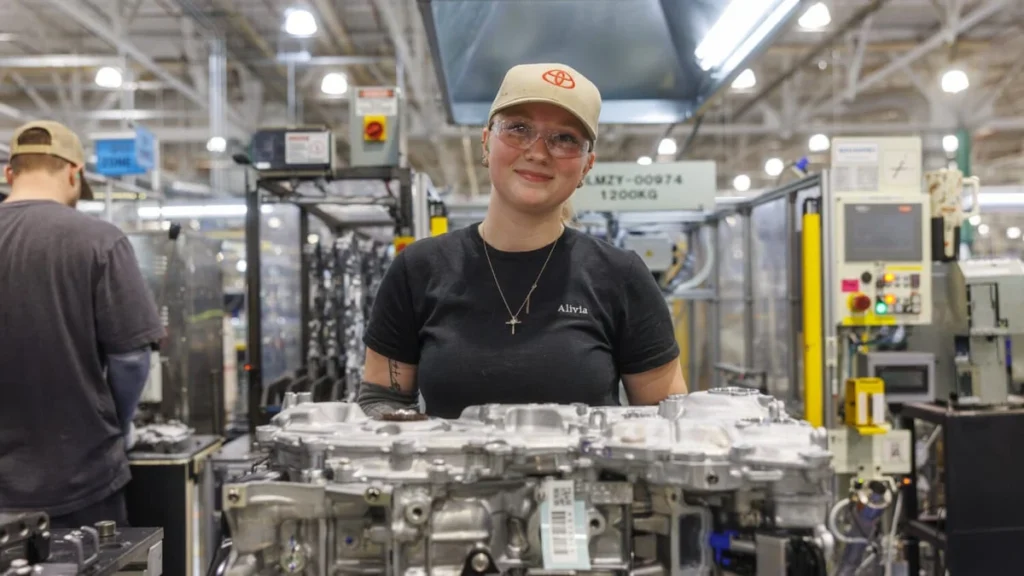
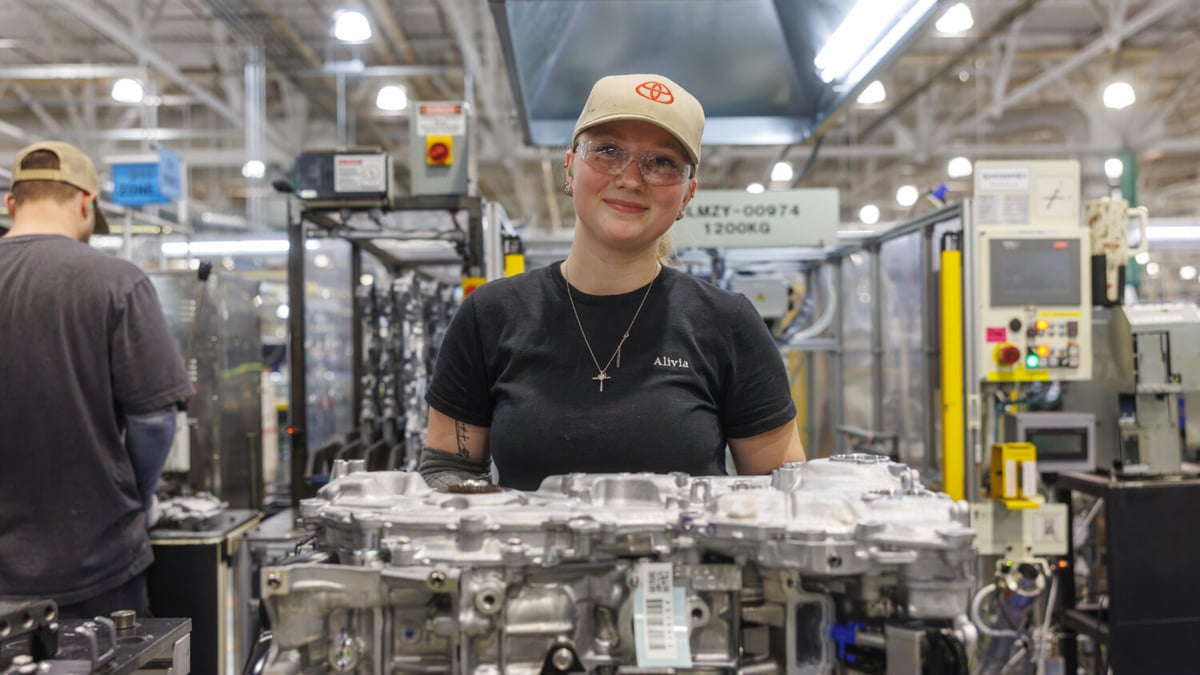
Despite these macroeconomic headwinds, Japanese automotive titan Toyota Motor Corporation has emerged as the undisputed outlier of resilience. As the sole major global automotive group to experience growth in worldwide sales during early 2026, Toyota has widened its lead over legacy competitors. Remarkably, this dominance has been sustained without a heavy reliance on a battery-electric vehicle (BEV) portfolio, proving the potency of its pragmatic multi-energy and hybrid strategy.
Meanwhile, Chinese automotive giants are engaged in a high-stakes game of musical chairs. Squeezed by a saturated domestic market and a destructive, margin-eroding price war at home, Chinese manufacturers are aggressively looking abroad. With major roadblocks preventing significant market penetration in Japan and North America, these brands have increasingly trained their sights on a crowded and heavily regulated European market, as well as South America.
This environment has triggered dramatic shifts in global standings:
- BYD, the former darling of the EV movement, suffered a major correction, tumbling from 5th to 9th place globally.
- Geely weathered the storm successfully, climbing from 8th to 7th position to cement its status as China’s premier automotive group.
- Chery surged dynamically into the 12th position, establishing itself as the fastest-rising Chinese brand of 2026.
- SAIC secured the 15th spot, while Changan slipped backward to the 20th position.
Among Western and traditional Asian conglomerates, Volkswagen saw a steep 11% drop, Hyundai-Kia fell by 3.8%, Ford dropped 7.8%, while General Motors essentially flatlined with a marginal 0.1% dip. Stellantis maintained a stable position, heavily bolstered by the strong commercial performance of its utility vehicle division (+2.7%). A notable wildcard remains Suzuki, which capitalized on its absolute dominance in the exploding Indian market via Maruti to surge 10.8% and claim the 8th global rank, outperforming legacy brands like Honda, Nissan, BMW, Renault, and Mercedes. Tesla, meanwhile, found itself stagnant in 17th place globally.
Chronology of the 2026 Automotive Shift
To understand how the global automotive board was rewritten during the first half of 2026, it is essential to trace the economic milestones and market pressures that shaped the period:
- January 2026 – The Stagnation Sets In: Inovev begins compiling end-of-year data from 2025, revealing early warnings of a plateau in global vehicle demand. Supply chain normalization clashes with weakened consumer purchasing power across North America and Europe.
- February 2026 – The Chinese Price War Peaks: Domestic automakers in China engage in aggressive discounting to clear inventory. The internal competition proves unsustainable for smaller brands, while pressure mounts on government regulators to stabilize the market.
- March 2026 – Q1 Production Figures Show a Chinese Slump: Official figures indicate that China’s monthly production numbers are sliding. The cumulative drop reaches 4.2% by the end of the first quarter, fueled by structural market saturation. Geopolitical partners like Russia and Iran report a sharp drop in imported kits and vehicle assembly volumes.
- April 2026 – Export Pivots to Europe and South America: Blocked from major gains in North America due to strict trade barriers and tariffs, Chinese automotive groups accelerate their European export strategies. Brands like Chery and Geely launch wave after wave of hybrid and electric models, intensifying competition on European soil.
- May 2026 – Toyota Defies Gravity: Mid-year financial and production disclosures reveal that Toyota is bucking the broader industry trend. Even with a localized slump in China, its global production numbers tick upward by 1.4%, driven by unrelenting global demand for hybrids.
- June 2026 – The H1 Balance Sheet and Global Realignment: Inovev releases its comprehensive report for the first half of 2026. The data confirms the major shake-up in global rankings: Toyota extends its lead, Volkswagen suffers double-digit drops, BYD slips out of the top five, and Suzuki rides the Indian wave into the global top ten.
Supporting Data & Market Metrics
An analysis of the Inovev H1 2026 report and related industry metrics highlights several critical trends underpinning the modern automotive ecosystem:
- Global Production Growth Rate: Down 1% globally year-over-year for passenger cars and light commercial vehicles.
- China’s Production Deficit: Down 4.2%, representing a direct volume loss of 660,000 units in a single six-month period.
- Collateral Market Losses: Iran production down by 200,000 units; Russia production down by 100,000 units.
- Global EV Market Share: Battery-electric vehicles continue their slow, steady march, capturing approximately 20% of total worldwide vehicle registrations.
- Top-Line Manufacturer Trajectories (H1 2026 vs. H1 2025):
- Toyota Motor Corporation: +1.4% (Solidifying #1 global spot)
- Volkswagen Group: -11% (Experiencing heavy European and Asian headwinds)
- Stellantis: +2.7% (Resilient performance driven by commercial vehicle strength)
- Hyundai-Kia: -3.8% (Minor contraction reflecting regional softening)
- Ford Motor Company: -7.8% (Struggling with restructuring and shifting EV demand)
- Suzuki Motor Corporation: +10.8% (Surging into the global top 10 via the Indian market)
- BYD: Dropped from 5th to 9th place (Reflecting domestic Chinese price pressure and international friction)
- Chery: Climbed to 12th place (Highlighted as the most dynamically growing Chinese group)
Official Responses and Industry Perspectives
The dramatic shifts recorded in the first half of 2026 have elicited cautious statements, strategic readjustments, and defenses from executives across the global manufacturing spectrum.
Toyota: Pragmatism Over Dogma
Toyota executives have continually defended the brand’s multi-pathway strategy—incorporating hybrids (HEVs), plug-in hybrids (PHEVs), fuel cells (FCEVs), and a measured rollout of battery-electric vehicles (BEVs). Speaking on the company’s sustained market leadership, corporate spokespeople emphasized that consumer readiness varies wildly by geography.
"While the industry experiences a rapid push toward electrification, our commitment remains rooted in what customers can practically adopt today," a corporate representative noted.
At the same time, Toyota has acknowledged that it cannot rest on its laurels. The brand has moved aggressively to counter criticisms regarding its low BEV mix by introducing competitive next-generation electric offerings, such as the new C-HR+, which has garnered praise in Europe for balancing range, pricing, and efficiency against rival electric crossovers.

Chinese Automakers: Defending the Global Expansion
Representatives from major Chinese conglomerates, speaking at recent international trade forums, addressed the domestic saturation and the subsequent push toward globalization. Executives from Geely and Chery stressed that international expansion is a natural maturation process rather than an aggressive trade maneuver.
However, behind closed doors, industry groups in Beijing have voiced concern over the "destructive price wars" eroding profit margins at home. BYD leadership has sought to reassure investors that its temporary slide in global output rankings is a calculated tactical slowdown aimed at prioritizing profitability and sustainable international export structures over raw, low-margin volume accumulation.
European and American Competitors
Legacy Western groups have sounded alarms over the changing competitive landscape. Stellantis management has consistently pointed to the group’s agile multi-energy platforms and the powerhouse performance of its utility vehicle division as vital shields against broader market volatility. Meanwhile, Volkswagen executives have pointed to restructuring costs and software delays as primary culprits behind their steep 11% drop, signaling an urgent need to streamline production and cut operational bloat to better compete with both Asian legacy giants and incoming Chinese challengers.
Implications for the Future of Mobility
The trends crystallizing in mid-2026 carry profound implications for the trajectory of the global automotive industry over the next decade:

1. The Myth of Instantaneous EV Transition
Toyota’s continued supremacy pours cold water on the absolute narrative that internal combustion and hybrid technologies are instantly obsolete. With BEVs capturing roughly 20% of global registrations, the remaining 80% of the market still demands internal combustion engines in various electrified formats. Carmakers that abandoned hybrid technologies too quickly in favor of pure-play EV strategies are currently paying the price in consumer retention and financial stability.
2. The Maturation and Consolidation of Chinese Brands
The turbulence experienced by BYD and the meteoric rise of Chery and Geely indicate that China’s automotive export boom is entering a more sophisticated, highly selective phase. The era of unchecked, chaotic expansion is giving way to strategic consolidation. Chinese brands are learning that flooding foreign markets like Europe is insufficient without robust local dealer networks, brand trust, and compliance with increasingly stringent trade tariffs and safety regulations.
3. The Rising Influence of Emerging Markets
Suzuki’s dramatic 10.8% leap into the global top ten—fueled almost entirely by its dominance in India via Maruti—highlights a crucial lesson for global manufacturers: growth is no longer solely dictated by North America, Europe, and China. As saturated traditional markets plateau or contract, emerging economic powerhouses in South Asia, Latin America, and Africa will serve as the primary battlegrounds for volume and profitability.
4. Supply Chain Resilience and Agility
Finally, the 1% global production contraction in early 2026 serves as a permanent reminder of the industry’s vulnerability to regional economic shocks. Manufacturers that rely too heavily on a single domestic market—as seen with China’s 660,000-unit shortfall—risk severe financial exposure. Moving forward, geographic diversification and multi-energy platform flexibility will separate the thriving global giants from the brands fighting merely to survive.
