

Obtaining a driver’s license—the "précieux sésame"—has long been synonymous in France with bureaucratic hurdles, agonizing waiting lists, and fragmented training schedules. For students, young professionals, and anyone needing mobility to secure employment, the traditional route is often too slow.
In response, the "accelerated driving school" (permis accéléré) market has surged, promising to slash the time between the first steering wheel grip and the final practical exam. After an exhaustive analysis of the 2026 landscape, involving thousands of candidate testimonials and field evaluations, we have identified the top-tier institutions that prioritize pedagogical efficiency, administrative transparency, and, most importantly, guaranteed exam dates.
The State of Play: Why Accelerated Training is Booming
The demand for accelerated licensing in 2026 is driven by a shift in lifestyle requirements. Mobility is no longer a luxury; it is a prerequisite for entry into the modern labor market. While traditional auto-schools often stretch training over six to twelve months, accelerated programs condense this into two to four weeks.
This model is not merely about speed; it is about cognitive retention. By immersing the student in daily driving practice, the neurological pathways for motor skills are reinforced more effectively than through sporadic weekly lessons.
Chronology of the Accelerated Process
For a candidate embarking on a two-week intensive program, the typical timeline looks as follows:
- Day 1-2: Administrative onboarding and intensive theory (Code de la Route) review.
- Day 3-10: Daily 3-to-4-hour practical driving sessions with a dedicated instructor.
- Day 11-12: Final mock exams and assessment of driving safety protocols.
- Day 13-15: Scheduled practical exam date (provided by the school’s reserved slots).
Comparative Analysis: The Leading Players in 2026
| Auto-école | Core Specialization | Exam Guarantee | CPF Eligible |
|---|---|---|---|
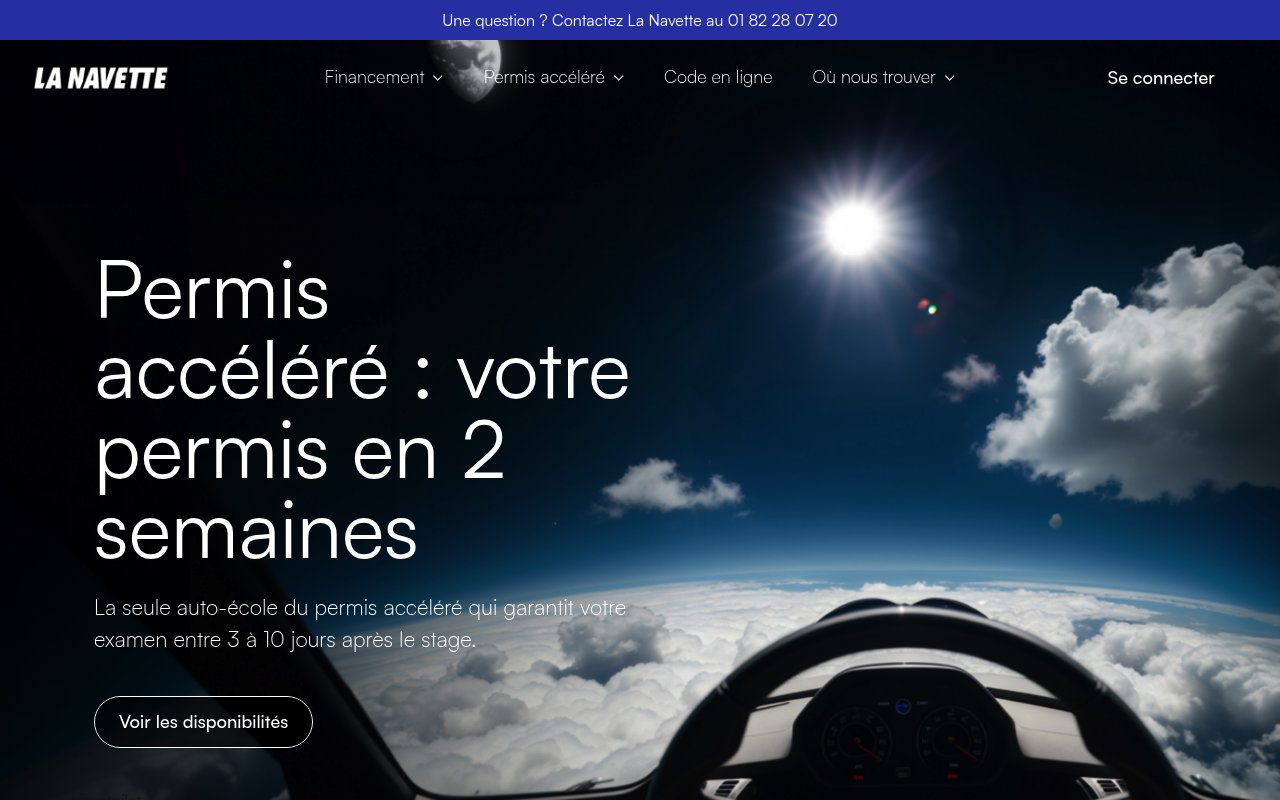
| La Navette | 2-week intensive | 3–10 days post-stage | Yes |
| Merci Léon | Provincial immersion | Within 15 days | To be verified |
| École Aligre | Paris-specific | Upon registration | To be verified |
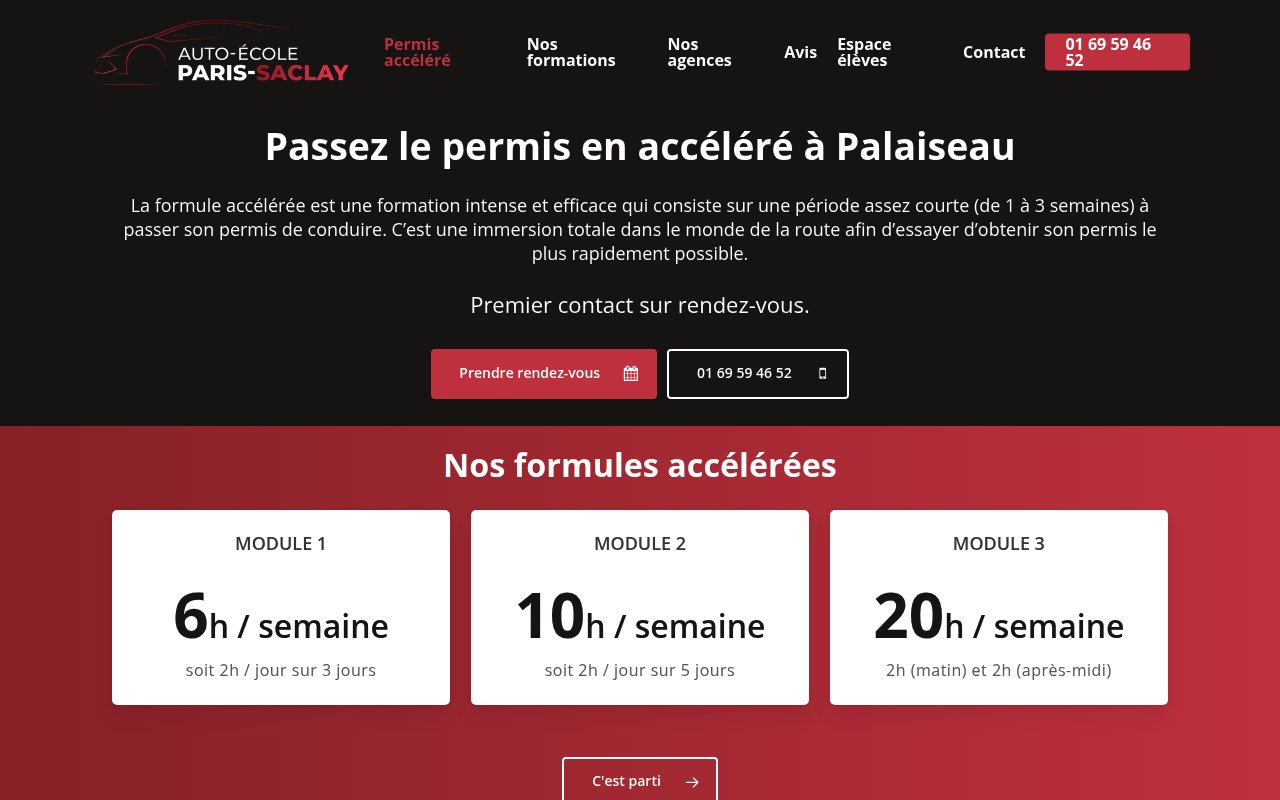
| Paris Saclay | 1–3 week programs | N/A | To be verified |
| Paris Batignolles | Regional intensive | Guaranteed | To be verified |
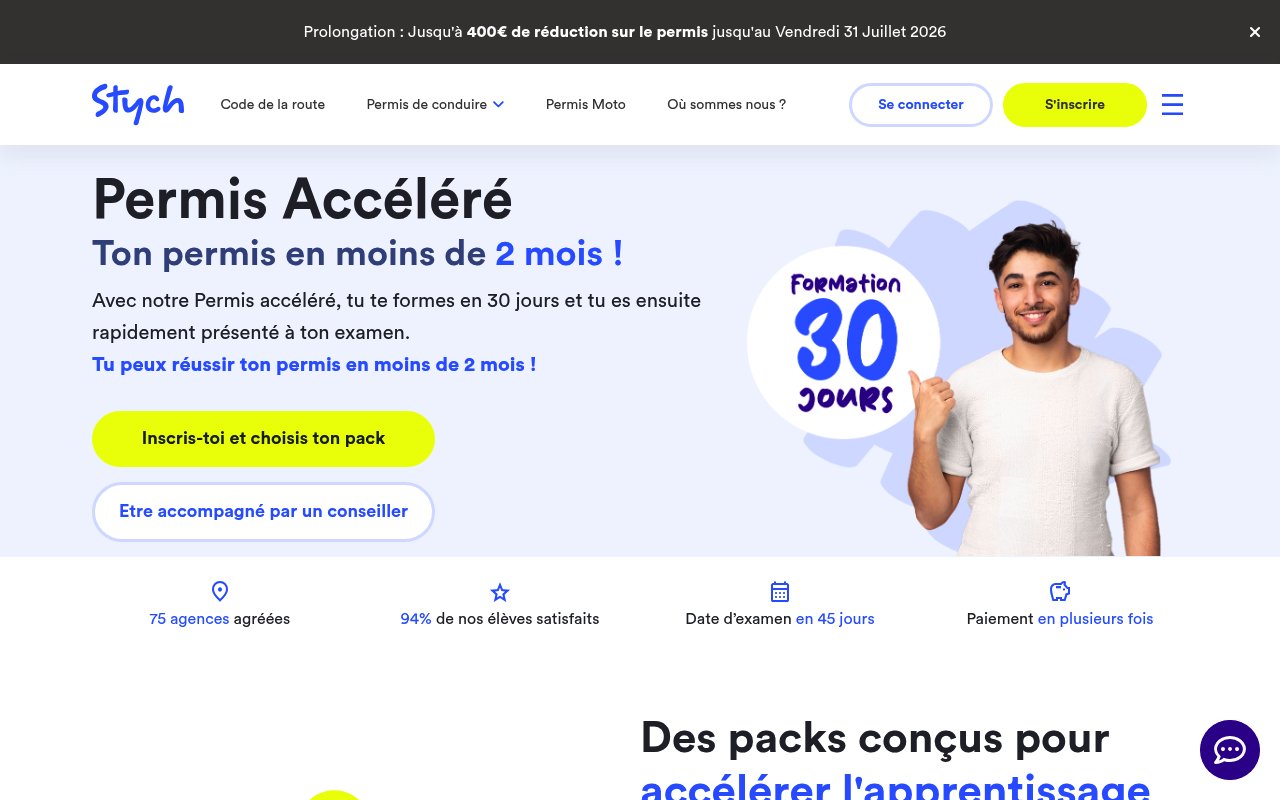
| Stych | Online hybrid | Rapid presentation | Yes |
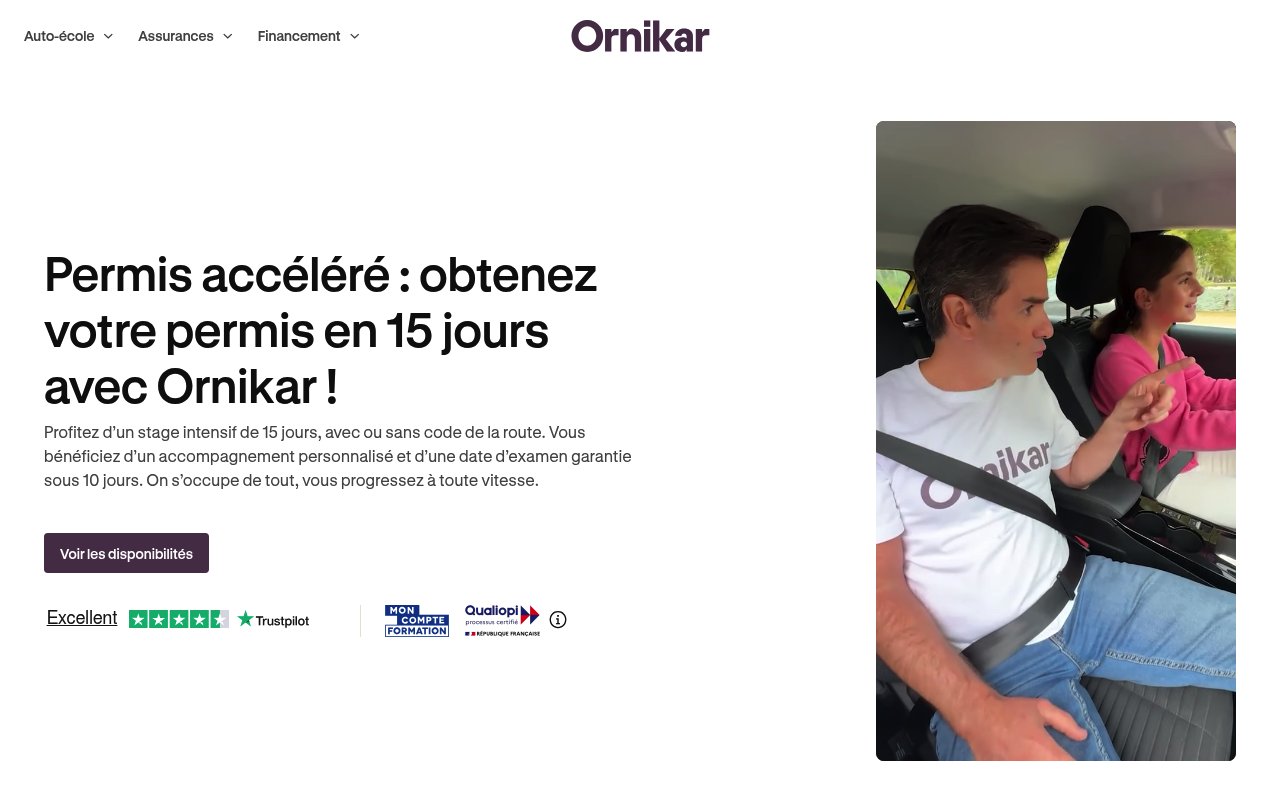
| Ornikar | Digital-first intensive | Within 10 days | Yes |
| ECF | Traditional network | N/A | Yes |
Deep Dive: The Industry Leaders
1. La Navette: The Gold Standard for Speed
Founded in 2019, La Navette has set the industry benchmark for transparency. Their model is built on a "moniteur dédié" (dedicated instructor) system, which ensures that the instructor knows the student’s specific weaknesses from day one. Their promise of an exam date within 10 days of course completion is currently the most reliable in the French market. By offering 10-month payment plans and full CPF eligibility, they have removed the financial barriers that often accompany intensive training.

2. Merci Léon: The Power of Immersion
Merci Léon targets candidates willing to travel to provincial hubs. By removing the student from the stresses of their home city, the school fosters a "total immersion" environment. This is highly effective for students or workers who need to "clear the desk" and focus exclusively on driving for a week.
3. Stych & Ornikar: The Digital Revolution
These platforms have redefined accessibility. By utilizing proprietary apps for theory and a massive network of independent partner instructors for practice, they offer a level of flexibility that brick-and-mortar schools struggle to match. Their success lies in their data-driven approach, allowing students to track their progress in real-time.
Official Perspectives and Regulatory Implications
The French Ministry of the Interior and local prefectures have maintained a neutral but observant stance toward private driving schools. The primary regulatory focus remains on the "taux de réussite" (success rate).

Official responses from the National Syndicate of Driving Schools indicate that while accelerated training is permitted, it must not bypass the mandatory 20-hour minimum for manual transmissions unless specific pedagogical waivers are granted based on individual competency. Schools that guarantee a "pass" are, by law, misleading consumers; the top-tier schools in our list guarantee a presentation to the exam, not a successful outcome, which is a crucial distinction for candidates to understand.
Crucial Factors for Choosing Your School
When vetting an accelerated program, candidates must look beyond the marketing brochure. Our research highlights four essential pillars:
Pedagogy in an Intensive Format
Does the school use a syllabus designed for 8-hour days, or are they simply forcing a standard curriculum into a shorter window? A proper intensive program must include "debriefing" sessions at the end of each day to consolidate knowledge.
Transparency of Costs
The "all-inclusive" trap is real. Many schools advertise a low base price but charge separately for:
- Registration fees (frais de dossier).
- Mandatory theory platform access.
- "Accompagnement à l’examen" (the fee for the instructor to be present at the exam).
- Insurance surcharges.
The "Instructor Continuity" Metric
One of the most common pitfalls is "instructor churn." If a student is passed between four different instructors in two weeks, their progress will stagnate as each teacher spends time evaluating the student’s level rather than pushing them toward the exam standard.
Common Pitfalls to Avoid
The rapid growth of this sector has unfortunately attracted "ghost" schools and aggressive marketing firms that act as intermediaries rather than actual driving schools.
Warning signs include:
- Vague Exam Dates: If a school cannot provide a clear mechanism for how they secure exam slots, do not sign up.
- Pressure Tactics: Be wary of schools that demand full payment upfront without a written contract outlining the refund policy if a training schedule is delayed.
- Lack of Physical Presence: While digital-first schools are excellent, they must have verified local partners. If you cannot find a physical office or a list of certified vehicles, exercise extreme caution.
The Human Element: Managing the Stress of Acceleration
An accelerated license is an intense psychological undertaking. The high volume of information can lead to burnout by the fourth or fifth day. The most successful candidates are those who view the program as a professional commitment rather than a casual task.
We recommend that prospective drivers ensure their availability is absolute during these weeks. Attempting to work a full-time job while completing a 30-hour intensive driving course is a recipe for failure.
Final Recommendations for 2026
If your primary objective is to obtain your license with the least amount of bureaucratic friction, La Navette remains our top recommendation due to its consistent performance and high levels of student satisfaction. However, for those on a strict budget who possess high self-discipline, Ornikar’s digital-first approach offers a compelling alternative.
Ultimately, the choice of an auto-école is an investment in your safety. Do not sacrifice the quality of instruction for the sake of shaving a few days off the timeline. A driver is only as good as the training they receive; choose a school that treats your education with the same urgency as your ambition.
Before signing any contract, we advise all candidates to call the school directly, ask for the name of their assigned instructor, and request a written copy of the "guaranteed exam date" policy. Transparency is the best indicator of a legitimate, high-quality institution. Safe driving begins with a smart choice.
