

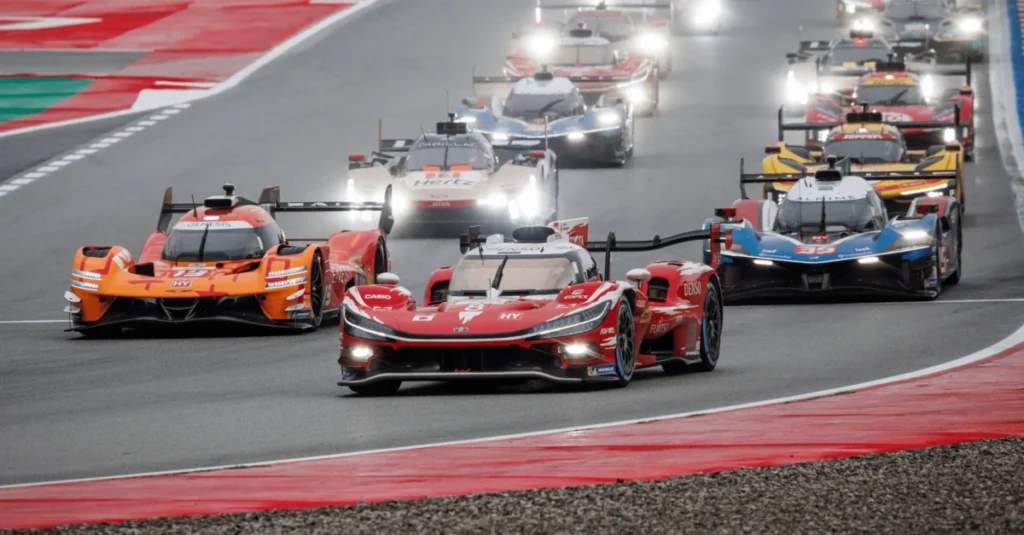
In the high-stakes world of automotive engineering, the adage "race on Sunday, sell on Monday" has long served as a guiding principle for manufacturers. Yet, as the industry pivots toward electrification, sustainability, and digital integration, the synergy between professional motorsport and consumer vehicle technology has never been more critical. Michelin, the world leader in tire manufacturing, is currently proving that the racetrack remains the ultimate crucible for innovation, transforming the extreme demands of hypercars into tangible advancements for everyday high-performance vehicles.
The Crucible of Performance: Why Racing Still Matters
For decades, the world’s most prestigious endurance championships have acted as a laboratory for the automotive industry. Today, as Michelin prepares to launch its next generation of "high-performance" tires for luxury and sports vehicles, the company is pulling back the curtain on how the grueling conditions of the World Endurance Championship (WEC) directly inform the rubber that reaches the consumer.
Cyrille Roget, Director of Scientific Communication and Innovation at Michelin, is categorical about this relationship. "Our sports road tires have never been closer to competition tires," he asserts. This proximity is not merely marketing; it is a technical necessity. As modern road-going sports cars push the boundaries of torque and handling, the lessons learned on the track—where prototypes face sustained 3g lateral forces and speeds exceeding 350 km/h—provide the only reliable stress test for the tires of tomorrow.
Chronology of Innovation: From "Black Diamond" to Market Reality
To understand the depth of this research, one must look at the long-term R&D cycles that govern tire development. Typically, a tire’s journey from conceptualization to the consumer’s driveway takes roughly five years. However, some breakthroughs require much longer periods of trial, error, and refinement.
A prime example is the "Black Diamond" technology. The project began in 2007, when Michelin engineers sought to shatter the "glass ceiling" of tire grip—a challenge that required increasing adhesion without sacrificing longevity or rolling resistance. While the initial theoretical models were revolutionary, the industrialization process proved to be a formidable barrier.
For over a decade, the project remained a "technical dead end." It wasn’t until 2018 that the Michelin Motorsport division revisited the process. By applying the aggressive development cycles of the track to the dormant technology, engineers were finally able to unlock the necessary extrusion temperatures and material mixtures. Today, this technology powers the Pilot Sport Endurance line used in the 24 Hours of Le Mans. It is currently being transitioned into the consumer market, marking a decade-long journey from a scientific dream to a commercial reality, financed and validated by the intensity of professional endurance racing.
Supporting Data: The Mechanics of the "Hypercar" Laboratory
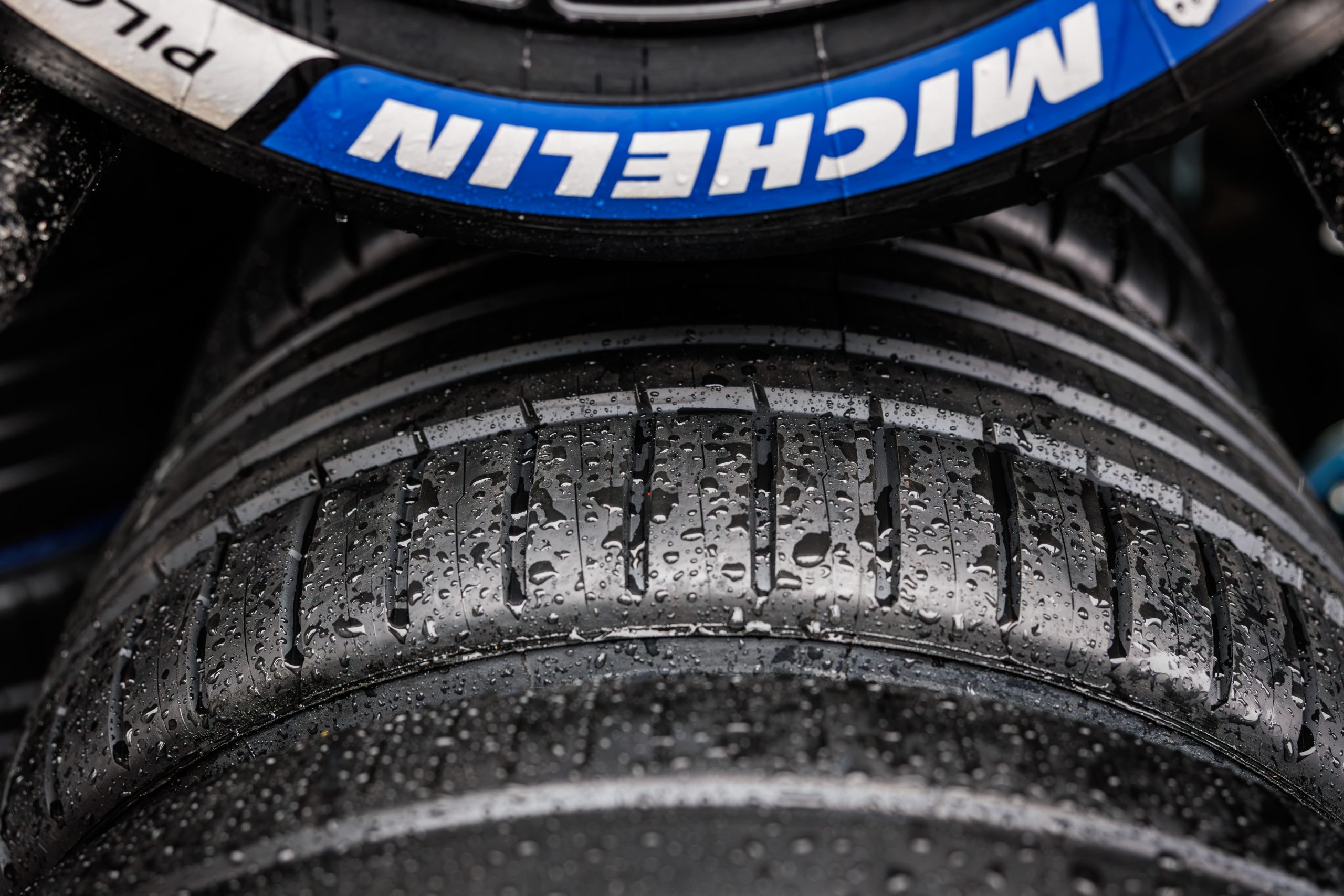
The current crop of Hypercars in the WEC provides an unparalleled data-gathering environment. During the recent 6 Hours of Barcelona, Michelin showcased a new wet-weather tire, representing the pinnacle of this research. Pierre Alves, head of the endurance programs, noted that the objective was to solve a triple challenge: improving wet-surface grip, extending longevity, and, crucially, preventing "blistering."
Blistering—the formation of heat-induced bubbles on the tread—is a common failure point when a track transitions from wet to dry. By utilizing the 700-horsepower prototypes as test beds, Michelin was able to refine a rubber compound that not only survives these extremes but also incorporates 57% renewable or recycled materials.
This proportion of sustainable content is unprecedented in major championships. The ability to cycle through materials in high-speed, high-stress conditions allows Michelin to test eco-friendly compounds that would otherwise take years to validate in a standard laboratory. As Roget notes, "The race provides us with very fast loops to test these materials, delivering grip performance at a very high level."
Digital Transformation: The "TameTire" Paradigm
Perhaps the most significant leap in tire development is the shift from physical prototypes to sophisticated digital simulations. Over the last twenty years, Michelin has developed TameTire, a thermomechanical simulator that has become the backbone of their design process.
TameTire does not just predict basic wear; it models the internal temperature, pressure, and deformation of the tire structure in real-time. By feeding the millions of data points collected during race weekends into this system, Michelin can predict how a tire will behave under virtually any condition before a physical mold is even created.
This has revolutionized the partnership between tire manufacturers and carmakers. Historically, when an automaker designed a new chassis, the feedback loop between the car’s dynamic signature and the tire’s performance was slow and costly. Physical iterations took months. With TameTire, engineers can run thousands of "virtual loops," adjusting parameters until the test driver in the simulator confirms the desired handling balance.
This digital precision allows for:
- Accelerated Time-to-Market: By narrowing down the best tire configurations virtually, the final physical testing phase is drastically shortened.
- Customization: Manufacturers can now achieve a specific "brand signature" for their vehicle’s handling, with the tire and chassis developed in lockstep rather than sequentially.
- Optimized Efficiency: Simulations allow for the fine-tuning of rolling resistance and heat management, which are critical for the range and performance of electric sports vehicles.
The Implications for the Future
The implications of this convergence between track and road are profound. As the automotive world moves toward a future where performance must be balanced with extreme environmental responsibility, the "race-to-road" model is the most efficient path forward.
For the consumer, this means that the sports car purchased in a showroom today benefits from the exact data that helped a prototype win at Le Mans or Barcelona. The materials are more sustainable, the grip is more predictable, and the tire is better suited to the specific dynamics of the vehicle.
Furthermore, the integration of TameTire and similar technologies signals a shift in the role of the tire manufacturer. Michelin is no longer just a rubber company; it is a data company. By mastering the intersection of material science and digital modeling, they are ensuring that even as the nature of propulsion changes, the fundamental connection between the car and the road remains safe, efficient, and thrilling.
In conclusion, the racetrack is far from obsolete. For Michelin, it is the most vital asset in its portfolio. By forcing technologies to survive the fire of competition, they are not only winning races but also ensuring that the next generation of road tires is safer, more durable, and more sustainable than ever before. The future of mobility is being written in the pits of the world’s great circuits, and it is a future that promises to bridge the gap between professional motorsport and the daily drive.
