

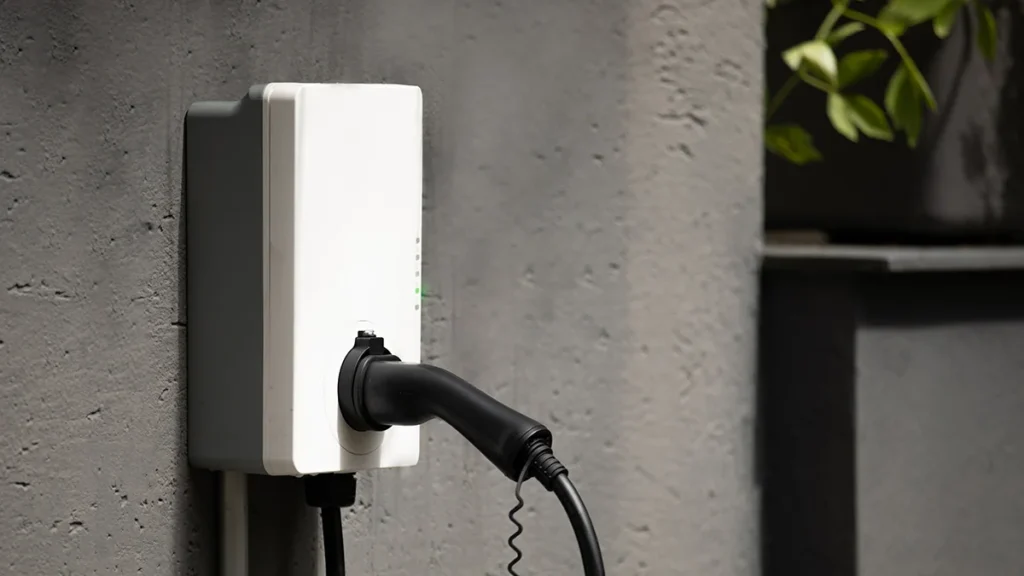
As the automotive landscape shifts rapidly toward electrification, the dream of owning an electric vehicle (EV) is becoming a reality for millions of drivers. However, the convenience of the electric lifestyle is inextricably linked to the efficiency of its fueling process. Despite significant public investment in expanding charging networks across the territory, public infrastructure remains a patchwork of availability. Often, public stations are either too far from one’s residence or occupied when needed most.
Consequently, the installation of a domestic charging station—commonly referred to as a "wallbox"—has transitioned from a luxury to a fundamental necessity. Beyond the undeniable comfort of waking up to a fully charged vehicle, domestic charging offers significant economic advantages and better preservation of battery health. Yet, for the average consumer, the process of acquiring and installing such a system remains opaque. This guide breaks down the costs, the regulatory requirements, and the long-term financial implications of bringing the "gas station" into your own garage.
Main Facts: Understanding the Domestic Charging Ecosystem
At its core, a home charging station is more than just a plug; it is a sophisticated piece of power-management hardware. The market today is saturated with options ranging from simple, "dumb" chargers to intelligent, cloud-connected units that optimize charging based on grid demand and electricity pricing.
The Pricing Spectrum
The cost of acquiring a wallbox is highly variable, generally ranging from €500 to €5,000. This wide disparity is driven by three primary factors:
- Charging Power: Units range from 3.7 kW (slow) to 22 kW (fast). Higher power outputs require more robust internal components and thermal management systems.
- Connectivity and Intelligence: Modern wallboxes often feature Bluetooth, Wi-Fi, or 4G connectivity, allowing users to monitor consumption, lock the charger remotely, and integrate with solar energy systems.
- Safety and Durability: Premium models include advanced leakage protection, weather-resistant casing (IP ratings), and sophisticated software updates that ensure compatibility with future vehicle communication protocols (ISO 15118).
Currently, the most sought-after units are adjustable-power chargers (typically 3.7 kW to 22 kW). These allow users to throttle the charging speed to match their home’s electrical capacity, preventing household circuit breakers from tripping during peak usage. Investing at least €950 is generally the starting point for a unit that offers reliable remote control and smart-grid compatibility.
Chronology: From Decision to Activation
The transition to home charging follows a distinct, logical sequence that every EV owner must navigate to ensure safety and compliance.
- Phase 1: Feasibility Assessment (Weeks 1-2): Before purchasing a unit, you must evaluate your home’s electrical capacity. Does your existing panel support the additional load? Do you need a dedicated circuit?
- Phase 2: Hardware Selection (Weeks 2-3): Based on your vehicle’s onboard charger capacity and your driving habits, select a unit. It is advised to use online comparison tools to cross-reference features with your budget.
- Phase 3: Selection of an IRVE-Certified Professional (Weeks 3-4): Regulations (notably in the EU) mandate that any station delivering more than 3.7 kW must be installed by an electrician certified in "Infrastructure de Recharge de Véhicule Électrique" (IRVE).
- Phase 4: Site Audit and Installation (Week 5): The technician visits the property to determine the routing of cabling, trenching requirements, and necessary electrical panel upgrades.
- Phase 5: Inspection and Commissioning (Week 6): Once the hardware is installed, the technician performs a safety test to ensure ground fault detection and current stability. Only then is the system cleared for daily use.
Supporting Data: Breaking Down the Installation Costs
The hardware is only half the investment. The installation process involves labor, materials, and potential electrical infrastructure upgrades. On average, you should budget €700 for standard installation services.
Cost Breakdown Table (Estimates)
| Item | Estimated Cost | Notes |
|---|---|---|
| Entry-level Wallbox | €500 – €600 | Basic display, limited smart features |
| Mid-range Smart Wallbox | €950 – €1,500 | Wi-Fi/App control, load balancing |
| Premium/High-End Unit | €2,000+ | Bi-directional capability, aesthetic design |
| Professional Labor (IRVE) | €600 – €900+ | Includes site assessment & testing |
| Electrical Panel Upgrades | €300 – €1,000+ | Required if current system is outdated |
The Complexity Variable:
The "average" price is often eclipsed by physical site realities. If your parking space is located a significant distance from your electrical panel, the cost of cabling and conduit installation will rise sharply. Furthermore, if the technician determines that your home’s electrical system requires a total renovation to meet modern safety standards, the budget can quickly escalate.
Official Responses and Regulatory Frameworks
Regulatory bodies, including those overseeing electrical safety and energy grid management, emphasize that "do-it-yourself" installations are strictly prohibited for EV charging. The risk of thermal runaway, electrical fires, and damage to the vehicle’s sophisticated battery management system (BMS) is too high.
The IRVE certification is the gold standard of safety. Authorities point out that insurance policies may be rendered void if an electrical fire occurs due to a non-certified installation. When dealing with high-voltage equipment that draws constant current for hours at a time, the margin for error is non-existent.
Manufacturers, in response to the growing demand for home charging, have begun partnering with networks of certified installers. While this adds convenience, consumers are legally entitled to source their own contractors. Experts suggest obtaining at least three competitive quotes before committing to an installer, ensuring they provide a detailed breakdown of labor, equipment, and administrative fees.
Implications: The Long-Term Economics of Charging
While the upfront cost of a wallbox is substantial, the long-term implications for the consumer are overwhelmingly positive, provided they manage their energy consumption effectively.
The "Hours Creuse" (Off-Peak) Advantage
The primary financial benefit of a home charger is the ability to shift consumption to off-peak hours. Electricity costs fluctuate throughout the day based on grid demand. In many regions, charging during "off-peak" or "night" hours can reduce the cost of a full charge by 30% to 50%.
A Practical Example:
Consider a standard EV with a typical consumption rate.
- During peak hours: Charging might cost the equivalent of €3.00 per 100 km.
- During off-peak hours: That same distance could cost as little as €2.00 per 100 km.
Over the course of a year, covering 15,000 km, this shift results in a saving of approximately €150. While this may seem modest, when multiplied across the 8–10 year lifespan of a typical wallbox, the savings significantly offset the initial purchase and installation costs.
Battery Longevity and Convenience
Beyond the monetary savings, there is the "hidden" value of battery health. Fast-charging at public stations is convenient, but constant exposure to high-voltage DC charging can accelerate battery degradation. A domestic wallbox uses AC power, which is significantly gentler on the battery cells. By utilizing "smart" charging—where the car draws power at a consistent, lower rate throughout the night—the owner effectively extends the overall service life of the vehicle’s most expensive component.
Conclusion: A Strategic Investment
Installing a home charging station is a strategic move that fundamentally changes the user experience of owning an electric vehicle. It transforms the car from a "refueling project" into a seamless part of one’s daily routine. While the initial capital expenditure—combining hardware, professional installation, and potential infrastructure upgrades—can range from €1,500 to over €5,000, the combination of energy savings, improved vehicle longevity, and increased property value makes it a sound investment.
Prospective buyers are encouraged to perform a thorough site audit, solicit multiple quotes from IRVE-certified professionals, and look for units that offer future-proof connectivity. As we move toward a fully electrified transportation sector, the wallbox is not just an accessory; it is the cornerstone of the modern, independent, and efficient home.
