

The day a driver’s license is finally tucked into a wallet is often heralded as a rite of passage—a symbolic key to adult autonomy. For generations, this license represented the ultimate freedom: the ability to traverse cities and countryside alike, unencumbered by bus schedules or the reliance on others. Yet, for today’s young adults, that "freedom" has increasingly become a logistical and financial anchor. As fuel prices fluctuate, urban congestion reaches critical levels, and the maintenance costs of vehicle ownership soar, a new trend is emerging.
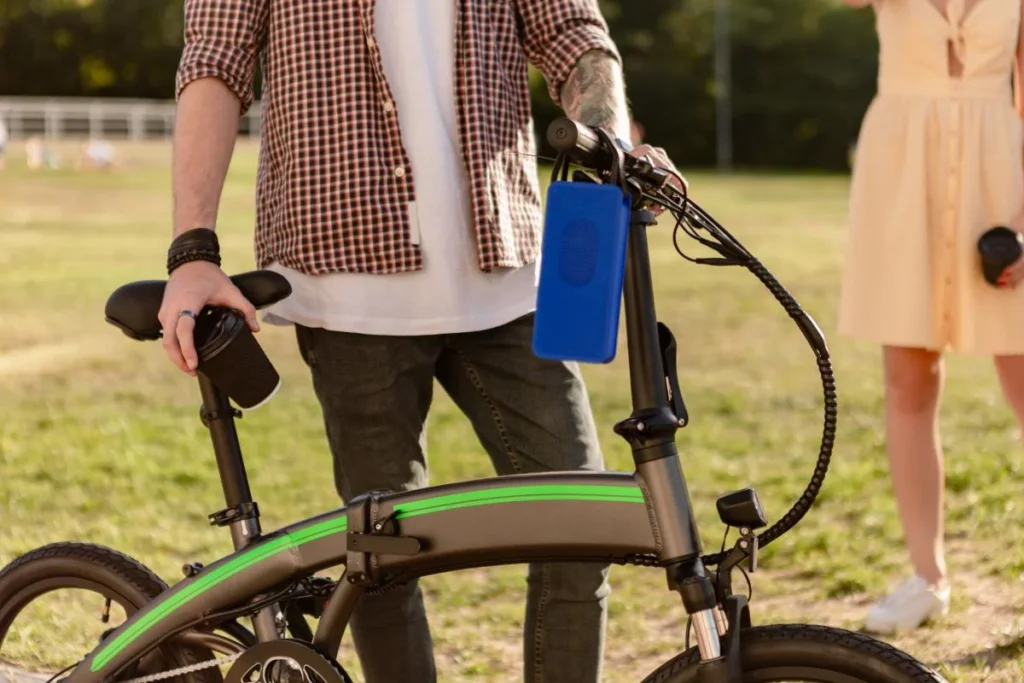
Young drivers, fresh from the exhilaration of passing their driving tests, are increasingly turning to a smarter, more agile alternative for their daily commutes: the Electric Bicycle (e-bike). This shift is not merely a rejection of the automobile; it is a sophisticated recalibration of what urban mobility should look like in the 21st century.
The Reality Check: When the Dream of Driving Meets the Urban Gridlock
To understand why the e-bike has gained such traction, one must first look at the harsh economic reality facing young professionals and students. Obtaining a driver’s license is only the entry ticket. The true cost of "freedom" follows: insurance premiums, annual vehicle inspections, the unpredictable spikes in gasoline prices, and the perpetual, often soul-crushing search for parking in dense metropolitan centers.
A Chronology of the Shift
- The Initial Euphoria: The post-license phase is defined by the novelty of being able to drive oneself.
- The Economic Friction: Within months, the "hidden" costs of vehicle ownership—maintenance, parking fees, and fuel—begin to erode the disposable income of young earners.
- The Logistical Fatigue: The frustration of spending 45 minutes in bumper-to-bumper traffic to cover a distance that takes 15 minutes by bicycle leads to a search for alternatives.
- The E-Bike Intervention: Young adults discover that the electric bicycle offers the same "on-demand" autonomy as a car, but without the baggage of gridlock or parking anxiety.
Supporting Data: The Case for Electrified Cycling
The appeal of the e-bike is not based on mere sentimentality; it is backed by empirical shifts in urban behavior. According to recent mobility studies, the average urban commute in major European and North American cities is under 10 kilometers—a distance that is almost always faster by e-bike than by car during peak hours.
Comparative Efficiency
- Cost of Ownership: While a car requires thousands of dollars annually in upkeep, an e-bike can be maintained for a fraction of the cost, with electricity charging costs for a 50km range often amounting to less than $0.10.
- Time Reliability: E-bike users are largely immune to traffic congestion. By utilizing dedicated cycling lanes, they can maintain a constant average speed that remains unaffected by the unpredictability of road traffic.
- Physical Accessibility: The "electric" component is the great equalizer. With pedal-assist technology, commuters can arrive at a university lecture or an office boardroom without the physical exertion or perspiration associated with traditional cycling, making it a viable option for professionals in formal attire.
Official Perspectives: Policy and Urban Planning
Municipal governments and environmental agencies, such as the ADEME (French Agency for Ecological Transition), are increasingly championing the e-bike as a cornerstone of the "15-minute city" concept. Urban planners now view the transition not as a war on cars, but as a necessary diversification of transit modes.
Integrating Road Safety
A common misconception is that shifting to an e-bike negates the value of a driver’s license. In reality, the opposite is true. The defensive driving skills taught in traditional auto-education—such as anticipating the movements of other vehicles, understanding blind spots, and respecting the hierarchy of right-of-way—are arguably more critical for cyclists.
By navigating city streets on an e-bike, young people refine their "road intelligence." They learn to communicate with motorists through clear signaling and become more aware of the dangers of distracted driving. This duality—having the license but choosing the bike—creates a more well-rounded road user who understands the perspective of both the driver and the cyclist.
Environmental Implications: A Conscious Generation
We are witnessing a profound shift in values among Gen Z and younger Millennials. This generation is acutely aware of the carbon footprint associated with internal combustion engines. For many, the choice to ride an e-bike is a tangible, daily act of environmental stewardship.
The Zero-Emission Advantage
The lack of direct CO2 emissions is only the most obvious benefit. The secondary effects include:
- Noise Pollution Reduction: A city of e-bikes is a quieter, more livable space.
- Space Optimization: One parking space for a single SUV can accommodate up to 10-15 bicycles, allowing cities to reclaim space for green parks and pedestrian zones.
- Sustainable Manufacturing: The lifecycle analysis of an e-bike, from production to disposal, consumes significantly fewer raw materials and energy than the production of a multi-ton electric or combustion vehicle.
Implications for Future Mobility
As we look toward the future, the role of the personal automobile is being redefined. It is no longer the sole standard-bearer of mobility; rather, it is becoming a tool for specific use cases, such as long-distance travel or rural transport.
A New Philosophy of Movement
The rise of the e-bike suggests a future where autonomy is measured by the ease of movement rather than the size of the engine. For the young person just starting their career, the e-bike offers:
- Financial Liquidity: The money saved on car payments can be reinvested into education, housing, or savings.
- Psychological Wellbeing: Avoiding the stress of urban traffic contributes to better mental health and a more positive start to the workday.
- Community Connection: Unlike the isolation of a car cabin, the e-bike allows for a more tactile, connected experience with the urban environment.
Conclusion: The New Symbol of Independence
The electric bike has effectively challenged the monopoly of the car as the primary vehicle for personal freedom. By blending the efficiency of modern technology with the health benefits of active transport, the e-bike serves as the perfect bridge for the young driver.
It is a choice that honors the responsibility of the license while embracing the necessity of a sustainable future. As urban centers continue to evolve, the e-bike is poised to remain not just a trend, but a permanent fixture in the landscape of modern life. For those standing at the crossroads of their professional and adult lives, the message is clear: true independence isn’t about being trapped behind a wheel in a traffic jam—it’s about having the freedom to move through the world, efficiently, cleanly, and on your own terms.
The era of the "car-only" mindset is fading, and in its place, a more agile, greener, and smarter model of mobility is taking root. Whether you are a student, a young graduate, or simply someone looking to reclaim your time, the humble, electrified bicycle is proving that the most powerful tool for change might just be the one you pedal.
