

Date: October 19, 2026
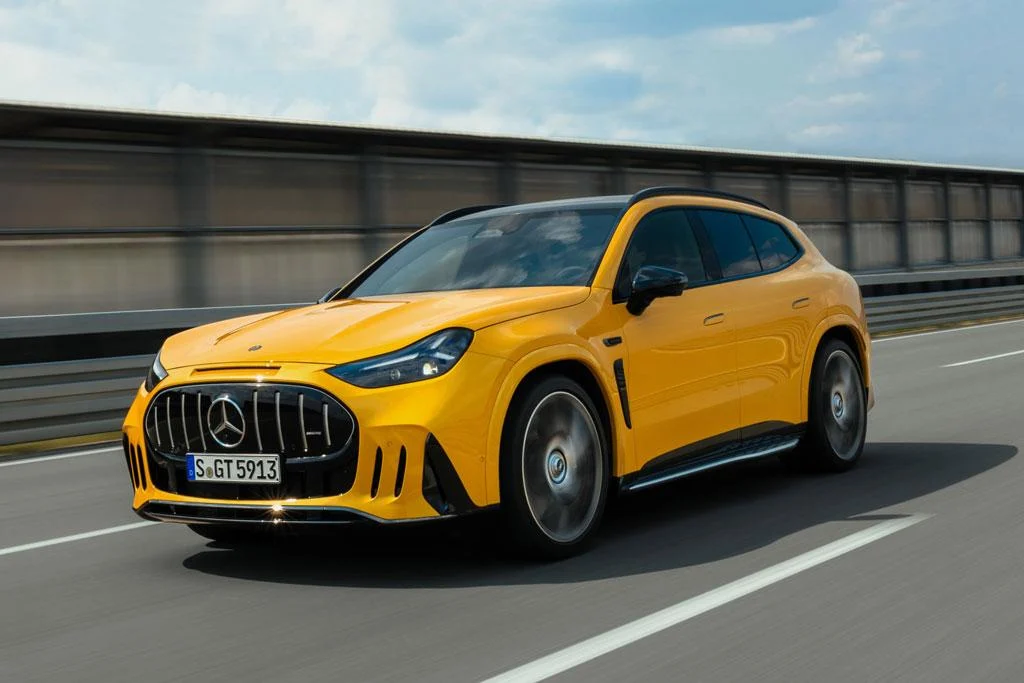
Mercedes-AMG has officially abandoned the "middle ground" approach for its first-ever, in-house developed electric SUV. Christened the "GT SUV," this new flagship model is built upon the dedicated AMG.EA platform, delivering performance metrics that would have been dismissed as science fiction just a decade ago. However, beyond the staggering horsepower figures and the sub-three-second acceleration times, this technological behemoth represents something far more profound: a strategic pivot for the wizards of Affalterbach. The mission? To preserve, at any cost, the visceral, adrenaline-fueled sensations that defined the golden age of internal combustion AMGs.
A Polarizing Silhouette: The Design Language of Dominance
If the technical specifications command respect, the exterior design is destined to ignite fierce debate. Following the unveiling of the AMG GT 4-Door Coupe earlier this year—a vehicle that already challenged conventional aesthetics—Mercedes has pushed the boundaries of automotive form even further with the GT SUV.
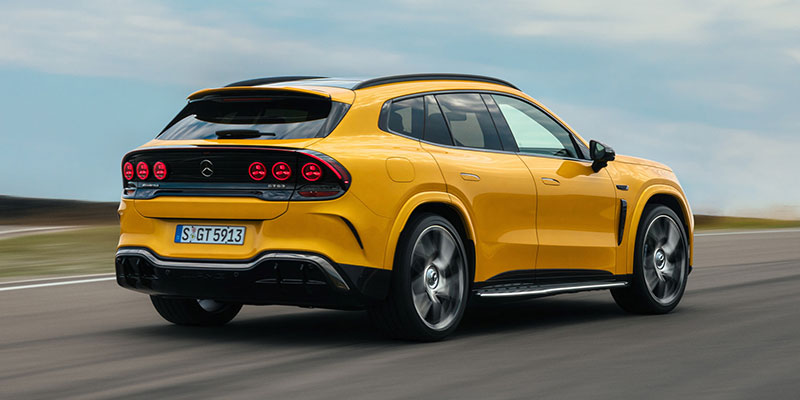
The proportions are nothing short of massive. With a towering silhouette and a road presence that feels less like a traditional SUV and more like a rolling fortress, the GT SUV is an unapologetic statement of technological supremacy. It eschews the fluid, organic lines typically associated with high-end Gran Turismos in favor of sharp, aggressive surfaces that emphasize power and aerodynamics.
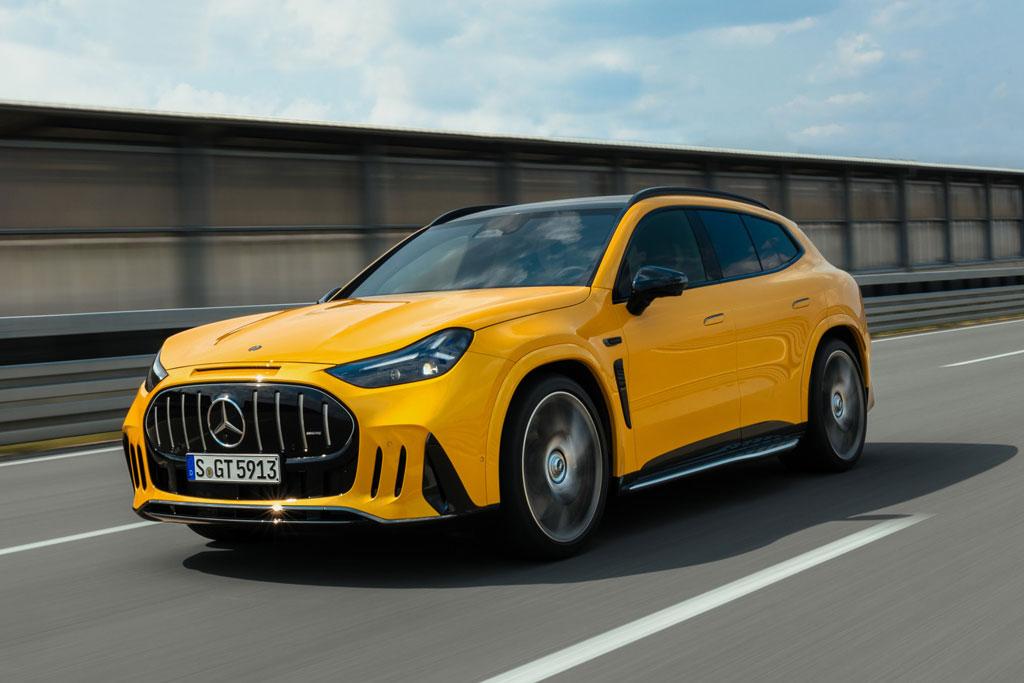
Critics will likely argue that the vehicle is another instance of "more is more," questioning the necessity of such an imposing form. Supporters, however, will view it as the spiritual successor to the most radical, "muscle-bound" AMG models of the past. It is a design that prioritizes functional dominance and aerodynamic efficiency over traditional grace. Whether this aesthetic choice will age well remains a point of contention, but one thing is certain: it is impossible to ignore.
A Three-Tiered Hierarchy: Up to 1,153 Horsepower
The "GT SUV" lineup is structured around three distinct variants, utilizing historical nomenclature to provide a sense of continuity for the brand’s loyalists.
The GT SUV 53: The Accessible Entry
The base model, the GT SUV 53, is powered by a dual-motor setup featuring cutting-edge axial-flux electric motors. Paired with a 106 kWh battery pack, it produces 544 horsepower and 800 Nm of torque. Despite being the "entry-level" model, it clears the 0–100 km/h sprint in a brisk 4.2 seconds and offers an impressive WLTP-rated range of 668 kilometers.
The GT SUV 55: The Mid-Range Powerhouse
Moving up the ladder, the GT SUV 55 introduces a three-motor configuration that shifts the vehicle into a different league. With 816 horsepower and a staggering 1,860 Nm of torque, this variant cuts the 0–100 km/h sprint to just 3.1 seconds.
The GT SUV 63: The Apex Predator
At the top of the food chain sits the GT SUV 63. This is the flagship model, boasting an eye-watering 1,169 horsepower and a monumental 2,000 Nm of torque. Despite its substantial curb weight of 2.7 tons, the 63 is capable of hitting 100 km/h in 2.5 seconds and reaching the 200 km/h mark in a mere 6.8 seconds. With a top speed of 270 km/h, the GT SUV 63 blurs the line between a family-oriented SUV and a purpose-built supercar.
Energy Management: A Revolution in Charging
AMG’s ambition extends far beyond raw output. The GT SUV is built upon a high-performance 800-volt architecture, facilitating charging speeds that were previously considered impossible.
To support the massive power requirements, engineers have integrated a 128 kWh battery pack into the chassis floor. This massive energy store provides a maximum range of up to 700 kilometers. Furthermore, the 800-volt system supports DC fast charging of up to 710 kW. According to official performance data, users can replenish 83 kWh of energy in just ten minutes—a breakthrough that effectively eliminates "range anxiety" for long-distance drivers.
The AMGFORCE Sport+ System: Synthetic Soul
Perhaps the most sensitive topic for long-time enthusiasts is the departure from the legendary AMG V8. Mercedes-AMG is acutely aware that, for many, the auditory experience is half the appeal of a performance vehicle.
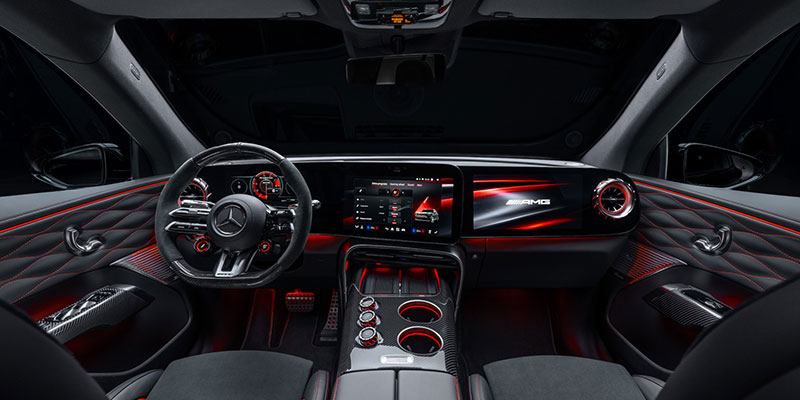
To bridge the gap, the manufacturer has introduced "AMGFORCE Sport+." This sophisticated system is designed to simulate the tactile and auditory sensations of a combustion engine. While companies like Hyundai have experimented with similar technology in their N models, AMG has taken the concept to its logical extreme.
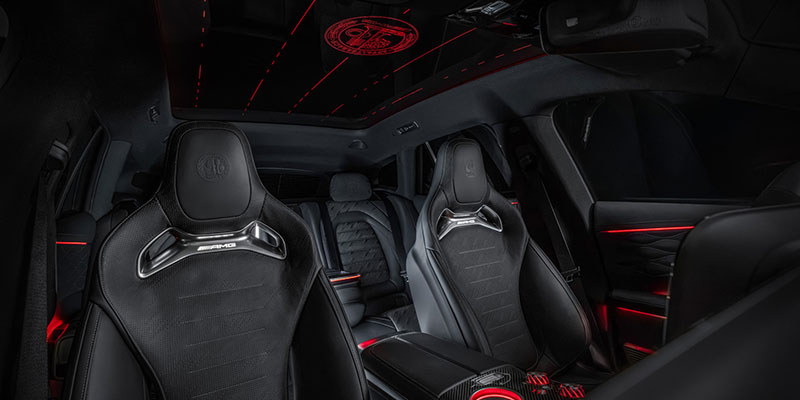
The GT 55 and GT 63 models replicate the distinct, growling exhaust notes of several iconic AMG V8s, including the legendary AMG GT R. The system goes beyond audio; it simulates gear shifts and "transmission lag" to mimic the feel of a multi-speed gearbox. Furthermore, the seats are equipped with haptic actuators that vibrate in sync with the simulated engine revs, creating a multisensory experience that successfully tricks the subconscious into feeling a mechanical connection.
Chassis Dynamics: More Than Just Straight-Line Speed
Recognizing that modern performance is defined by agility as much as acceleration, AMG has invested heavily in the GT SUV’s handling characteristics.
The GT 55 and 63 models are equipped with the "AMG Active Ride Control+" system, featuring advanced adaptive air suspension. This is complemented by active roll stabilization and four-wheel steering, which significantly masks the vehicle’s 2.7-ton weight during cornering. A highly sophisticated torque-vectoring all-wheel-drive system, combined with a pilot-controlled rear differential, ensures that all 2,000 Nm of torque are effectively translated to the asphalt.
To bring this massive force to a halt, carbon-ceramic brakes are offered as an option, coming standard on the range-topping GT 63. These brakes are not just an accessory; they are a functional necessity given the momentum this vehicle generates.
Implications: The Dual-Track Strategy
The arrival of the GT SUV signals a significant shift in Affalterbach’s long-term roadmap. Unlike some manufacturers that have committed entirely to an electric future, Mercedes-AMG is pursuing a "dual-track" strategy.
By continuing to develop high-performance combustion engines—often reserved for limited-edition "Mythos" models—while simultaneously pushing the limits of EV technology with the GT SUV, AMG is attempting to hedge its bets. They are betting that the market for visceral, high-tech EVs is expanding, but that the demand for the soul of the traditional V8 remains strong enough to justify continued development.
The Critical Question
The fundamental question remains: Will the purists accept an electric SUV, even one that performs better than most supercars, when it relies on synthesized sounds and simulated shifts to recapture the "AMG spirit"?
Initial feedback from test pilots and early adopters suggests a cautious optimism. While the digital mimicry of a V8 will never be the same as the genuine article, the performance ceiling of the GT SUV is so astronomically high that it creates a new type of thrill. The 2026 Mercedes-AMG GT SUV is not trying to be a replacement for the past; it is trying to be the most potent interpretation of the future. Whether it succeeds as an icon, or remains a controversial technological exercise, will be determined by the drivers who choose to tame this electric beast.
Chronology of the Project
- 2024: Preliminary testing of the AMG.EA platform begins under extreme weather conditions.
- 2025: Mercedes-AMG confirms the development of an "all-in-house" electric SUV.
- Early 2026: Leaks regarding the 1,100+ horsepower powertrain surface, sparking industry rumors.
- May 2026: Launch of the AMG GT 4-Door Coupe sets the design tone for the future EV lineup.
- October 2026: Official unveiling of the GT SUV 53, 55, and 63 models.
Official Response from Affalterbach
During the press conference, a Mercedes-AMG spokesperson noted: "We are not here to dilute the brand. We are here to evolve it. The GT SUV provides the same adrenaline, the same excitement, and the same ‘wow’ factor that defined every V8 we have ever built. We are not just building electric cars; we are building AMGs that happen to be electric."
The industry now turns its eyes to the road, as the GT SUV prepares to face off against a new generation of performance EVs, marking the start of a new chapter for the brand that pioneered the concept of the "super-sedan."
