

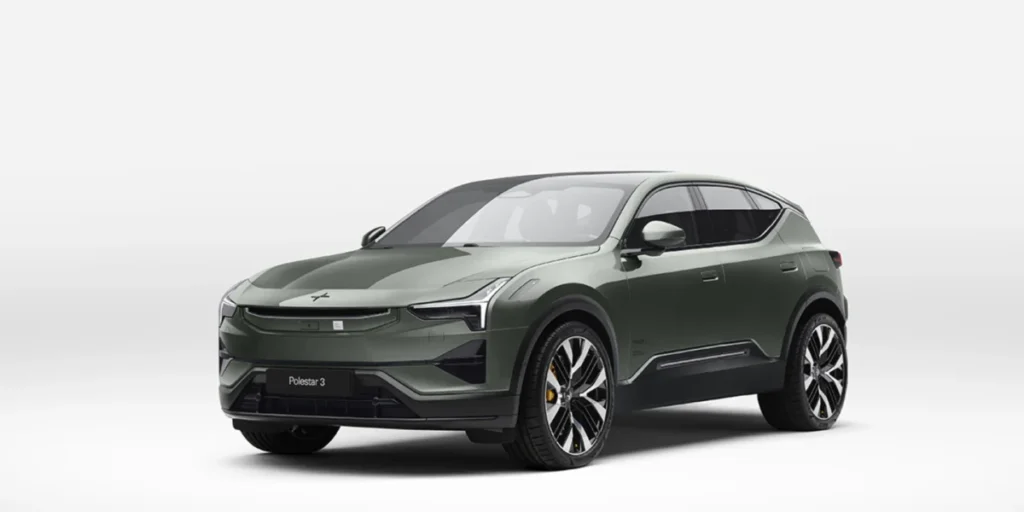
The automotive landscape is shifting rapidly toward electrification, and Polestar, the premium Swedish performance brand, is refusing to rest on its laurels. With the announcement of the 2026 model year updates for its flagship Polestar 3 SUV and the dynamic Polestar 4 SUV-coupe, the company is doubling down on charging architecture, software integration, and sustainable manufacturing. These updates signify more than just a mid-cycle refresh; they represent a strategic realignment with the demands of the global luxury electric vehicle (EV) market.
1. The Technological Leap: Transitioning to 800V Architecture
The most significant engineering development for the 2026 Polestar 3 is the transition from a 400-volt to an 800-volt electrical architecture. This shift is a game-changer for long-distance travel, directly addressing the primary pain point of EV ownership: charging speed.
By moving to an 800V system, the Polestar 3 can now handle significantly higher power loads. On ultra-rapid DC charging stations, the peak charging capacity has jumped to 350 kW, a massive improvement over the previous 250 kW limitation. This advancement places the Polestar 3 in a highly competitive tier, narrowing the gap with market leaders such as the XPeng G9, which boasts 520 kW capabilities, and the BMW iX3.
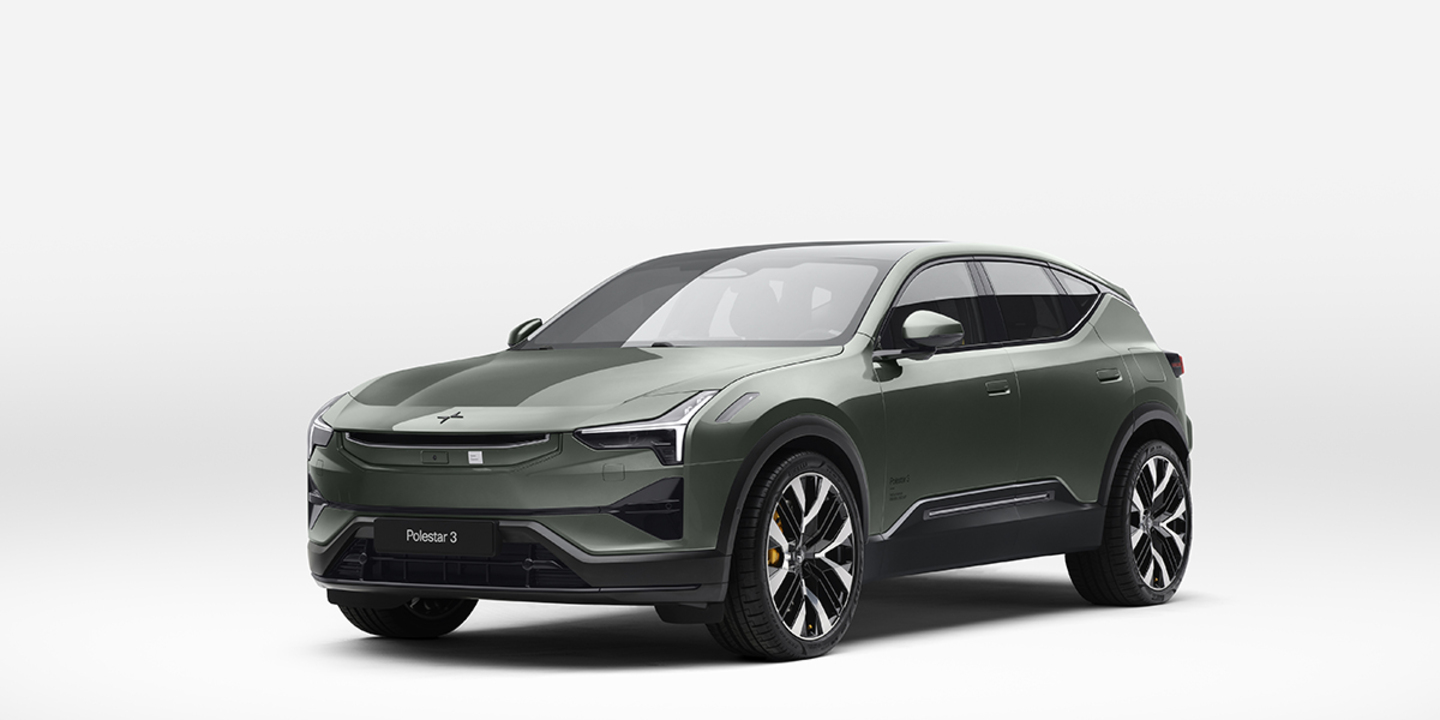
It is important to note, however, that the system’s performance remains dependent on infrastructure; when connected to legacy 400V stations, the vehicle will continue to charge at a maximum of 120 kW. This transition is indicative of Polestar’s commitment to "future-proofing" its hardware, ensuring that as public charging infrastructure evolves, their vehicles are ready to utilize the full potential of next-generation grids.
2. Battery Optimization and Real-World Range
Underneath the chassis, the 2026 Polestar 3 features optimized battery packs designed to maximize energy density and thermal efficiency. The "Long Range Dual Motor" variant now offers a WLTP-rated range of up to 647 km.
Interestingly, this milestone is achieved despite a reduction in nominal battery capacity, which has moved from 111 kWh to 106 kWh. This counter-intuitive improvement—gaining efficiency while shedding weight—is the result of better cell chemistry and improved energy management software. By reducing the overall weight of the vehicle while simultaneously improving thermal regulation, Polestar has demonstrated that "bigger" is not always "better" in the pursuit of range.
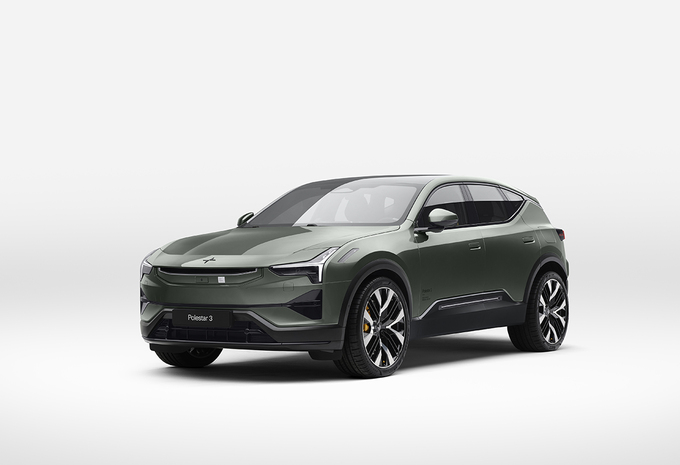
The powertrain lineup remains robust, catering to different driving needs:
- Rear Motor (Single Motor): Focused on efficiency and accessibility.
- Long Range Dual Motor: The balanced option for those seeking all-weather capability.
- Performance Pack: The flagship configuration for enthusiasts who prioritize torque and handling precision.
3. Aesthetic Refinement: A Broader Palette
While Polestar is known for its minimalist, Scandinavian design language, the 2026 update addresses one of the most common pieces of feedback from owners: the limited color palette.
To provide customers with more individualization options, Polestar has introduced two sophisticated new exterior paint colors: "Storm," a deep, brooding storm-gray, and "Vapour," a light gray that changes character depending on the ambient lighting. These additions provide a more nuanced look to the vehicle’s sharp lines and aerodynamic silhouette, helping the Polestar 3 stand out in a sea of monochromatic SUVs.
4. Digital Experience: Android Automotive OS Overhaul
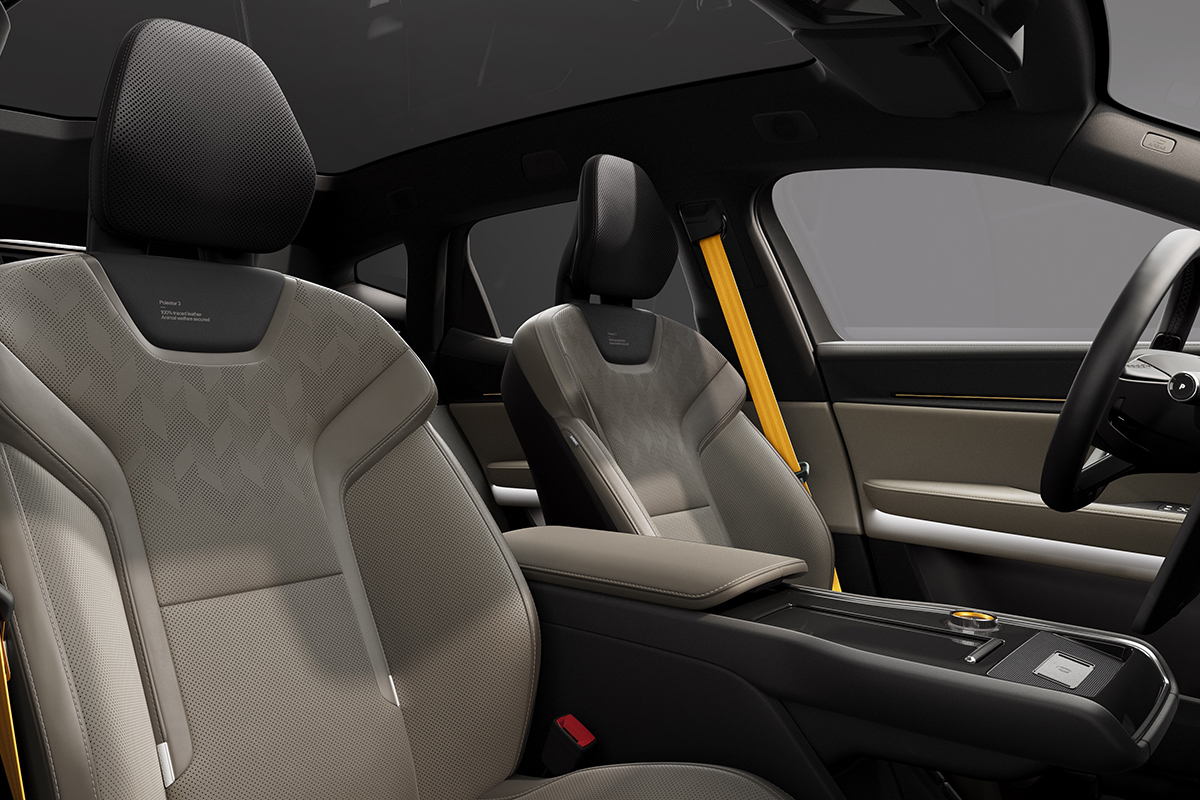
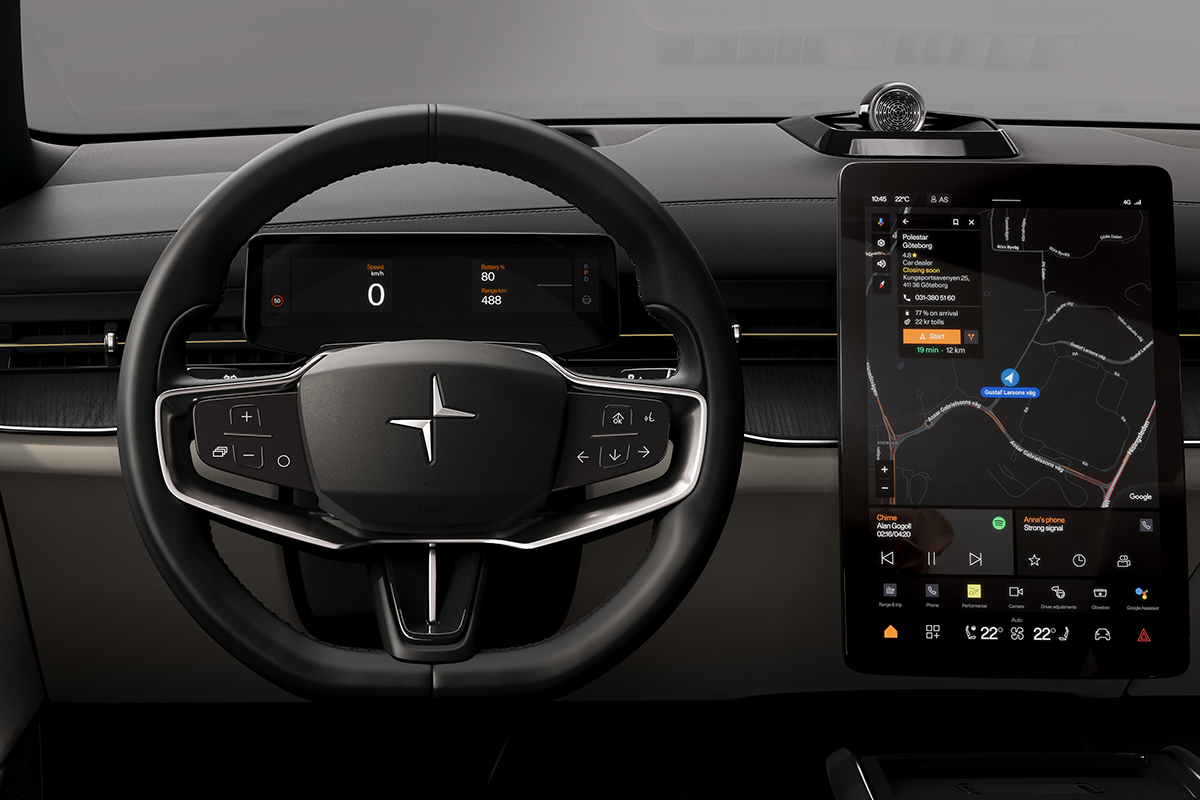
The digital cockpit is the heart of the modern vehicle, and Polestar is optimizing its 14.5-inch central touchscreen interface for 2026. Leveraging a more powerful onboard processor, the new user interface (UI) is designed to be faster, more fluid, and less distracting.
The system, powered by Android Automotive OS, now features a more intuitive menu hierarchy. Polestar engineers have focused on "quick-access" philosophy, allowing drivers to pin their most-used functions to the home screen. Furthermore, the integration with Google services—Maps, Assistant, and the Play Store—has been tightened. The software update also improves the processing speed of data from the vehicle’s array of sensors, resulting in more responsive and "transparent" driver assistance systems that feel less intrusive to the driver.
5. Polestar 4: Dynamic Refinement and Sustainability
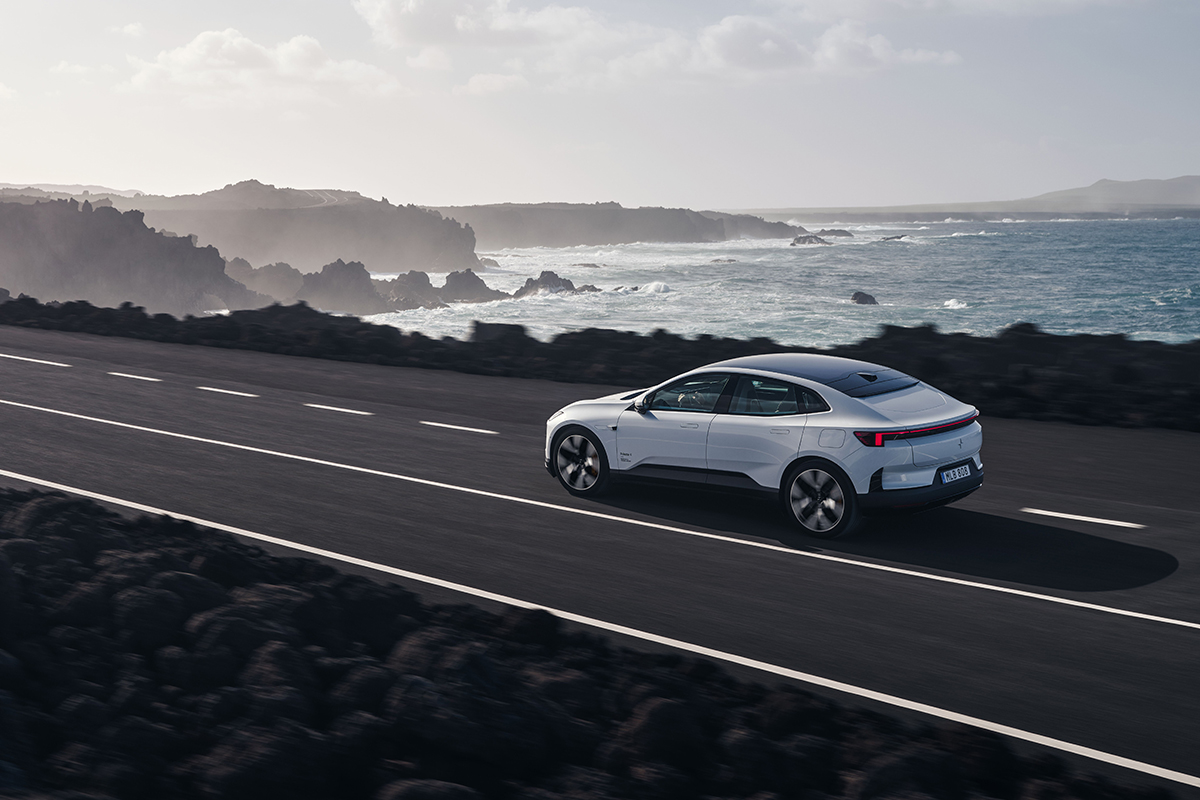
While the Polestar 3 commands the headlines, the Polestar 4 has not been ignored. The SUV-coupe receives a chassis overhaul aimed at enhancing its performance credentials. By fine-tuning the suspension damping and recalibrating the steering rack, Polestar aims to provide a more direct, engaging connection between the driver and the road. The result is improved body control during cornering and a more stable, planted feel during high-speed maneuvers.
A Greener Footprint
Perhaps the most impressive aspect of the Polestar 4 update is the focus on sustainable manufacturing. The company is actively working to reduce the carbon footprint of its production facility in Hangzhou Bay, China.
Through the use of low-carbon aluminum—produced using renewable energy sources—and an increased percentage of recycled textiles in the cabin, the brand has managed to reduce the CO2 emissions per vehicle by 0.9 tonnes. Specifically, the manufacturing footprint has dropped from 20.3 tonnes to 19.4 tonnes of CO2 per unit. This is a critical metric for a brand that positions itself as an ethical, modern alternative to legacy luxury manufacturers.
6. Implications for the Market
The 2026 update for both the Polestar 3 and 4 serves a dual purpose. First, it keeps the vehicles competitive in a segment that is becoming increasingly crowded with high-performance Chinese and European entrants. Second, it demonstrates the brand’s ability to iterate rapidly. Unlike traditional manufacturers who might wait four or five years for a "facelift," Polestar is utilizing its agile, software-defined DNA to push out hardware and software improvements as they become ready.
Competitive Positioning
The entry price points—€78,950 for the Polestar 3 Rear motor and €60,600 for the Polestar 4 Rear motor—position the brand firmly in the upper-premium segment. By prioritizing 800V architecture and sustainable manufacturing, Polestar is signaling to its target demographic that they are not just buying a car; they are buying into a technology-forward, environmentally conscious ecosystem.
7. Looking Forward: Chronology of Growth
The history of Polestar is short but dense with ambition. Since its inception as an independent EV brand, the company has moved from the limited-production Polestar 1 to the high-volume 2, and now the SUV-centric 3 and 4.
- 2022-2023: Launch and stabilization of the Polestar 3 production lines.
- 2024: Market expansion and introduction of the Polestar 4.
- 2025: Initial deployment of high-efficiency battery management systems.
- 2026: Full implementation of 800V architecture and sustainable production standards.
The 2026 updates confirm that Polestar is not simply content with aesthetic changes. By focusing on the core pillars of charging speed, software fluidity, and manufacturing sustainability, the brand is successfully differentiating itself from the pack. As the automotive industry navigates the difficult transition to full electrification, Polestar’s strategy of continuous, incremental, and highly technical improvement appears to be the right path forward.

Whether these changes will be enough to challenge the dominance of established German luxury giants remains to be seen, but with a growing range of options and a clear focus on the future, Polestar is undeniably a force to be reckoned with in the premium electric vehicle space. Orders for these updated models are currently open, allowing early adopters to secure these refined machines as they head into production.
