

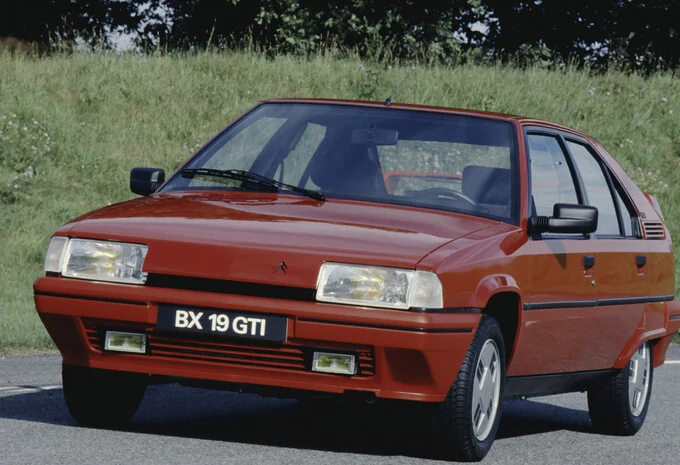
The automotive industry is currently gripped by a wave of profound nostalgia. As manufacturers navigate the complex transition toward electrification and digital-first mobility, many are looking to their heritage archives to anchor their future identities. Following the buzz generated at the Paris Motor Show regarding the potential revival of the legendary Citroën 2CV, new reports suggest that the Stellantis group is quietly laying the groundwork for a broader "legacy revival" strategy. Among the intellectual property filings recently unearthed, the names "BX" and "Xantia" have surfaced, sparking intense speculation among enthusiasts and industry analysts alike.
1. A Strategic Shuffle: Protecting the Past for the Future
The recent flurry of trademark activity by Stellantis is far more than a mere bureaucratic exercise; it is a strategic repositioning of some of Europe’s most storied automotive brands. While the automotive world is often focused on the next iteration of EV platforms, the "heritage card" remains one of the most powerful marketing tools in a crowded market.
At Peugeot, the naming conventions suggest a aggressive expansion, with filings for models like the 1008, 608, 6008, 7008, and 8008 indicating a desire to fill every conceivable niche in the SUV and crossover segments. Fiat is reportedly looking to capitalize on its urban roots by revisiting the "Punto" moniker, a nameplate that defined a generation of European hatchbacks. Lancia, currently undergoing a brand renaissance, is eyeing the "Fulvia" name—a nod to its golden era of motorsport and sophisticated design.
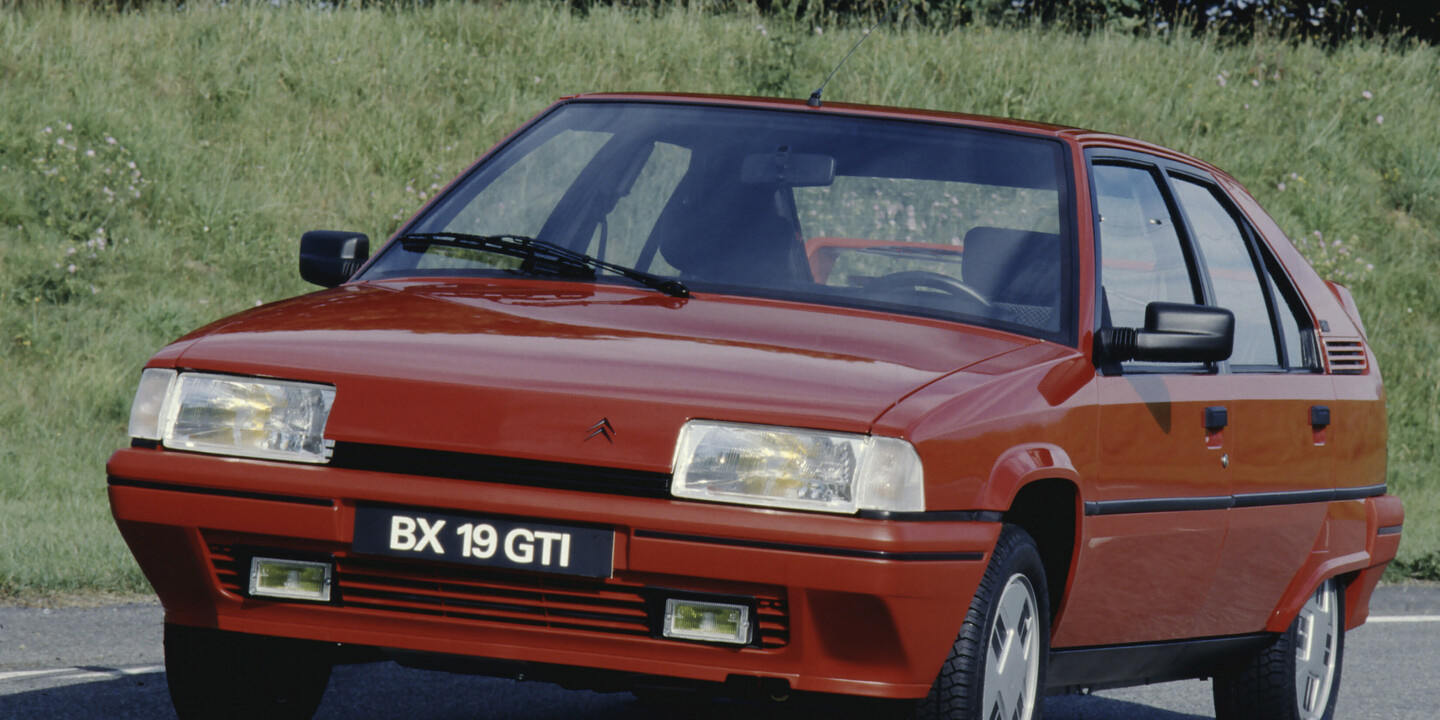
However, it is Citroën’s recent filings that have commanded the most attention. Beyond the aforementioned 2CV, the brand has registered a series of "Cross" labels (Cross1 through Cross9), alongside utilitarian classics like the "C15" and "Tub." Yet, for those who remember the avant-garde spirit of the brand, the reappearance of the "BX" and "Xantia" trademarks is the most tantalizing development. While trademark filings are often defensive maneuvers to protect intellectual property, they also serve as the first step in a feasibility study for future production.
2. The BX and Xantia: Pillars of Citroën’s Golden Age
To understand why the potential return of these models is causing such a stir, one must look at the historical significance of the vehicles themselves. They were not merely cars; they were symbols of French engineering audacity.
The Citroën BX: The Savior of the 80s
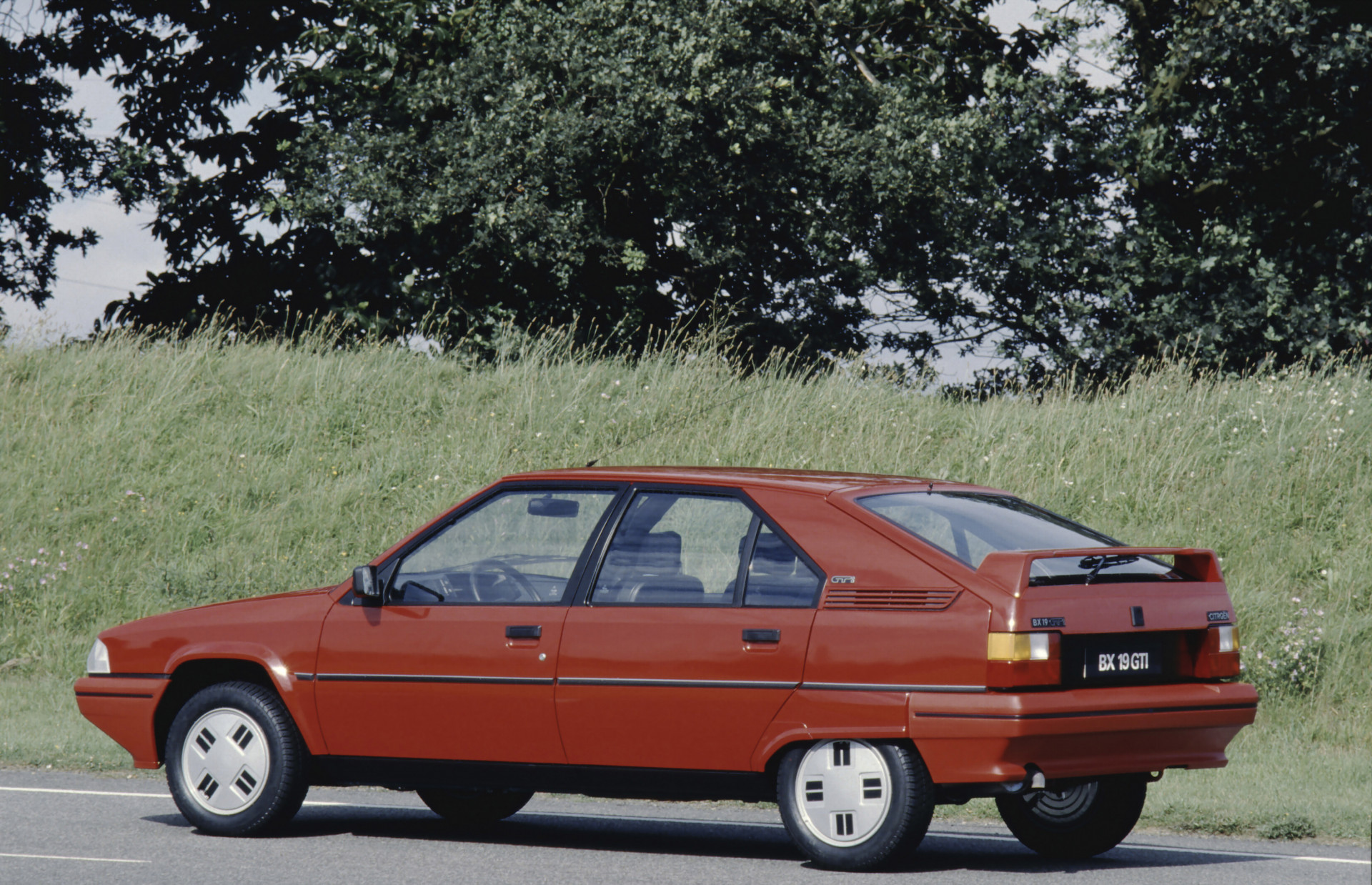
Introduced in 1982 to succeed the aging GSA, the BX arrived at a time when Citroën was fighting for its survival. Designed by the visionary Marcello Gandini at Bertone, the BX was a masterclass in pragmatic design. With its sharp, angular lines, lightweight construction, and the signature hydropneumatic suspension, it redefined what a mid-sized family car could be.
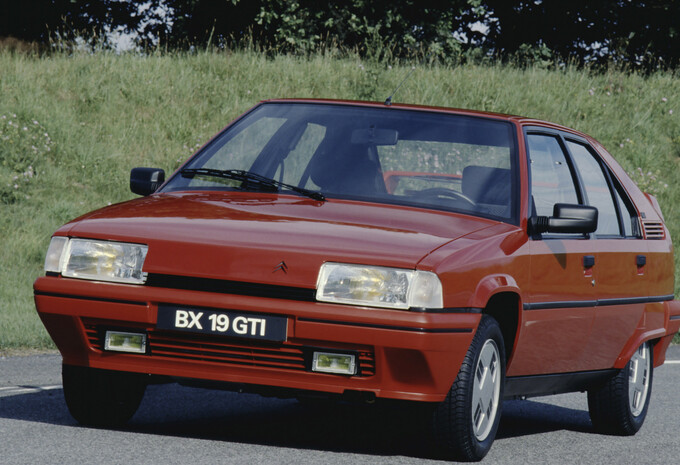
The BX was a commercial juggernaut, with over 2.3 million units produced. It bridged the gap between the quirky, high-tech Citroëns of the past and the mass-market demands of the 1980s. It offered immense interior space, legendary ride comfort, and a wide array of engine options that made it accessible to everyone from taxi drivers to rally enthusiasts. It effectively pulled Citroën out of a period of deep financial instability, proving that comfort and affordability were not mutually exclusive.
The Citroën Xantia: Refinement and Dynamics
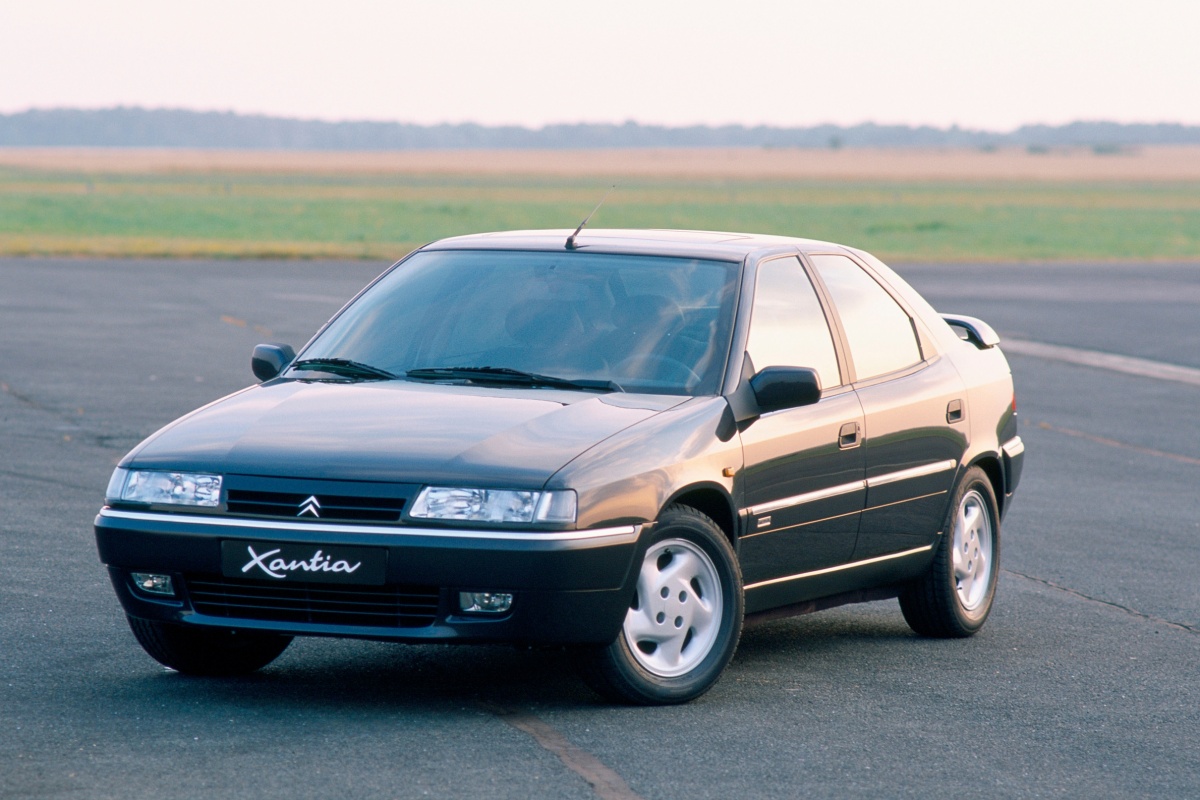
When the Xantia replaced the BX in 1993, it signaled a move toward a more polished, global aesthetic. Also penned by the Bertone studios, the Xantia abandoned the "origami" styling of the BX for a more fluid, organic shape that felt timeless.
The Xantia was the final true representative of the "classic" Citroën era before the brand became more integrated into the homogenized design language of the PSA (now Stellantis) group. It boasted superior finish quality and introduced more dynamic road manners, proving that a comfortable, hydropneumatic car could also be a driver’s machine. Selling over 1.2 million units, the Xantia remains a benchmark for comfort in the automotive world.
3. Celebrating the Legacy: The BX GTi and the Activa Innovation
The current buzz surrounding these names coincides with milestone anniversaries that highlight the performance heritage of the marque.
40 Years of the BX GTi
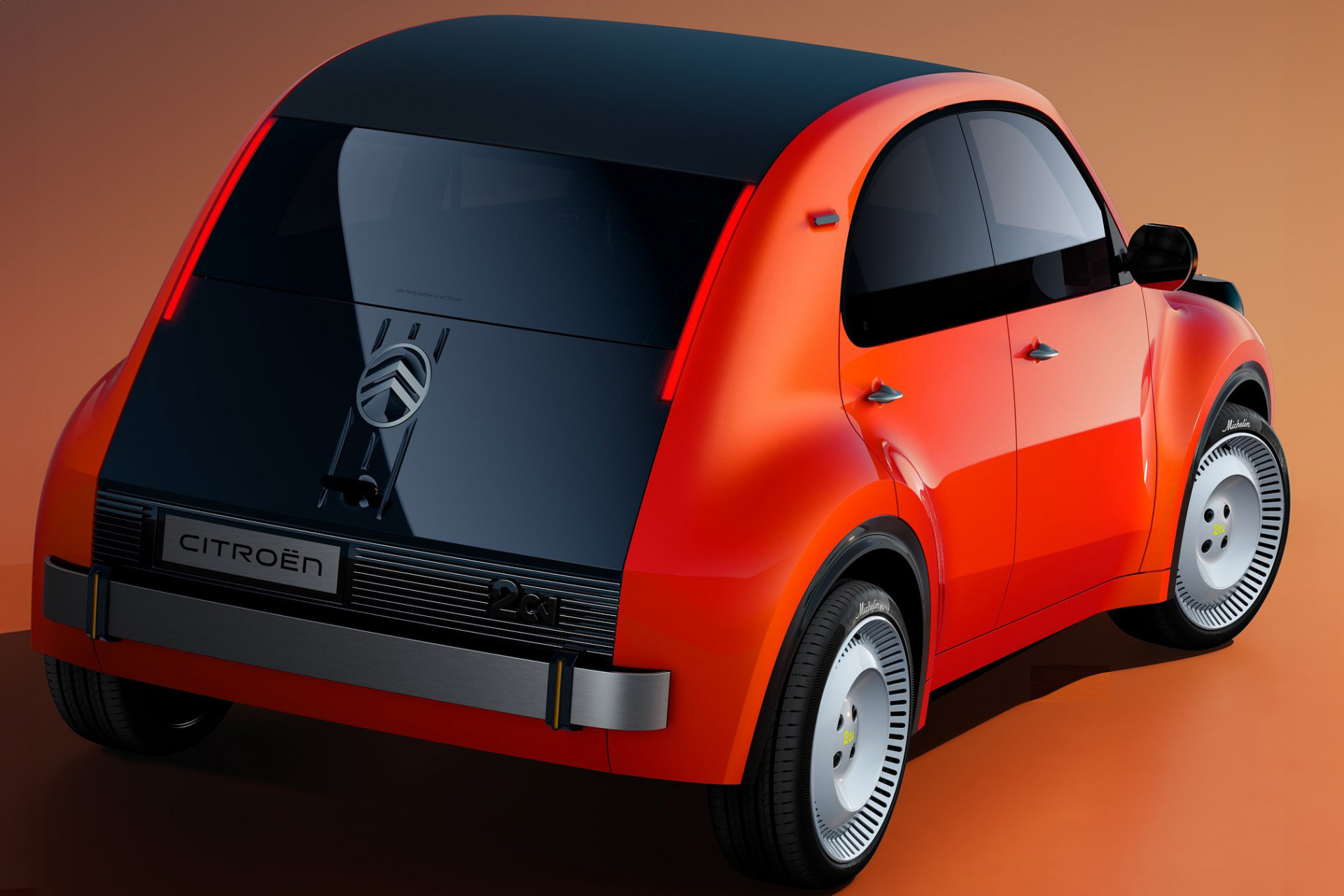
The BX GTi, which celebrates its 40th anniversary this year, remains a cult classic. Launched in 1986, it was a "sleeper" performance car. Packing a 1.9-liter four-cylinder engine producing 125 hp, it weighed only 1,025 kg, allowing it to touch speeds of nearly 200 km/h. Its secret weapon, of course, was the hydropneumatic suspension, which allowed it to tackle winding roads with a composure that stiff-sprung German rivals of the era could only dream of. The later 16V version, with 160 hp, remains one of the most sought-after front-wheel-drive performance sedans of the late 80s.
The Xantia Activa: A Masterpiece of Dynamics
If the BX was the savior, the Xantia Activa (1994) was the genius. It remains one of the most innovative sedans of the 1990s. The Activa featured the SC-CAR system, which added active roll control to the Hydractive II suspension. In layman’s terms, the car stayed perfectly flat in corners.
The Activa became legendary after its performance in the "moose test"—an emergency lane-change maneuver—where it outperformed virtually every sports car on the market at the time. With only 18,200 units produced, it has become a collector’s item, representing the pinnacle of Citroën’s mechanical engineering prowess.
4. Supporting Data: Market Trends and Consumer Sentiment
The appetite for "retro-futurism" is not just a trend; it is a data-driven phenomenon. Modern consumers are increasingly fatigued by the visual homogeneity of modern EVs. Brands like MINI, Fiat (with the 500), and Renault (with the upcoming 5 and 4) have demonstrated that leveraging historical design cues can lead to massive commercial success.
Analysis of consumer sentiment suggests that the "Citroën identity"—defined by comfort, innovation, and unconventional design—is exactly what the brand needs to differentiate itself in the electric age. A modern, electric BX could potentially offer a unique selling point: a "lounge-on-wheels" experience that focuses on the comfort-first philosophy that has been the brand’s hallmark for a century.
5. Official Responses and Implications
While Stellantis has maintained a policy of silence regarding specific product roadmaps, the implication of these trademark filings is clear: the group is keeping its options open.
"We are constantly reviewing our historical portfolio to see how it can inform our future design language," a spokesperson for the group stated in a recent briefing. While this is standard corporate jargon, industry insiders note that the registration of specific model names like BX and Xantia implies that these names are being vetted for potential use in the upcoming 2026–2030 product cycles.
What Could a "New" BX or Xantia Look Like?
If Citroën were to move forward, it is unlikely these would be "restomods." Instead, they would likely be sophisticated, electric fastbacks or crossovers that prioritize aerodynamic efficiency and cabin comfort. A modern BX would likely be a tech-forward mid-sized car, while a "Xantia" could be positioned as a flagship sedan showcasing the next generation of active suspension technology, effectively bringing the "Activa" spirit into the 21st century.

Conclusion: A Gamble Worth Taking?
The automotive industry thrives on emotion, and few brands possess the emotional reservoir of Citroën. By potentially reviving the BX and Xantia, Stellantis isn’t just looking backward; they are looking to solve the problem of brand dilution. In a world where every car is becoming a tablet on wheels, the return of a car with a "soul"—a car that remembers its own history—might just be the most disruptive move a manufacturer can make.
Whether these trademarks result in a showroom reality or remain safely filed away in the archives, the mere suggestion of their return has sparked a necessary conversation about the value of heritage in a rapidly changing world. Citroën has always been at its best when it dares to be different. Perhaps the future of the brand lies in the very cars that once saved it.
