

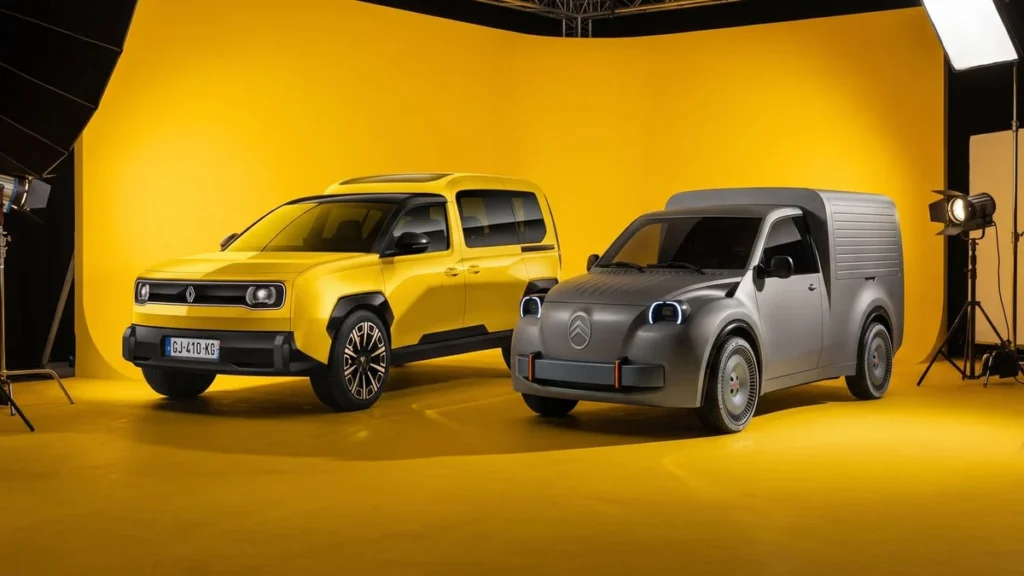
Paris — The automotive world is a landscape defined as much by nostalgia as it is by forward-looking engineering. At the Mondial de l’Auto (Paris Motor Show), heritage often serves as a powerful emotional anchor for brands navigating the tumultuous waters of electrification. Yet, translating historical affection into modern industrial realities is a notoriously fragile enterprise.
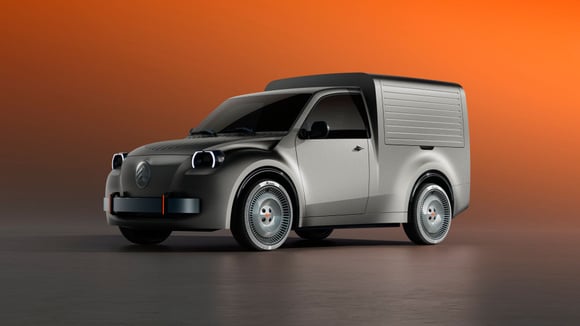
While Renault famously abandoned its much-teased project for an all-electric Renault 4 Fourgonnette—settling instead for a stripped-down passenger variant—Citroën recently sent shockwaves through the exhibition halls by pulling the wraps off an unexpected concept: a 100% electric Citroën 2CV Fourgonnette.
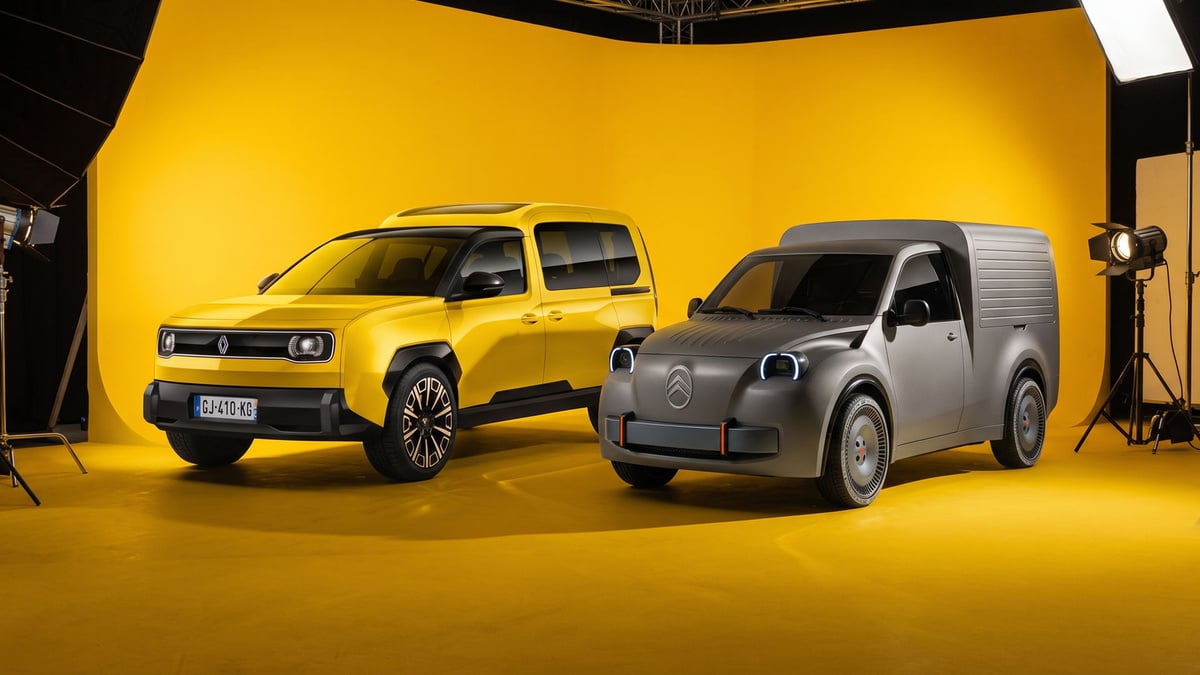
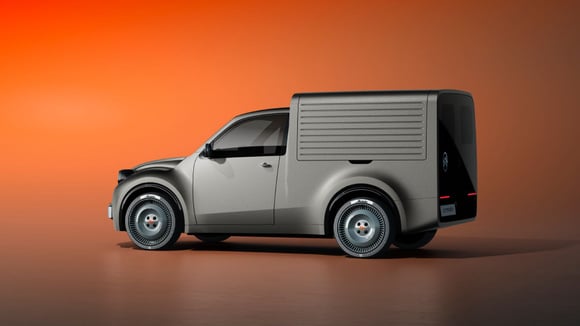
Penned by designer Pierre Ycare, this neo-retro utility vehicle vividly revives the spirit of the legendary AZU and AK400 versions of yesteryear. But beneath the charm of its corrugated body panels lies a critical question: Does this daring aesthetic gamble stand a genuine chance at entering serial production, or is it destined to remain a brilliant exhibition piece? Analyzing the industrial constraints, ergonomic limitations, and market competition reveals a path fraught with obstacles.
1. Main Facts: The Shock Reveal at the Paris Motor Show
The centerpiece of the recent automotive debate centers on Citroën’s unexpected strategy. Unveiled alongside a planned 2CV passenger car slated for a 2028 release, the 2CV Fourgonnette concept represents a bold play into the lightweight commercial vehicle (LCV) segment.
- The Designers: Both the passenger and utility 2CV concepts were designed by Pierre Ycare, the creative mind behind the Citroën Ami concept in 2019 and its subsequent 2024 production facelift.
- The Legacy: The concept directly references post-war French workhorses—specifically the AZU and AK400 variants—which motorized generations of artisans, farmers, and public services from the early 1950s until the end of production.
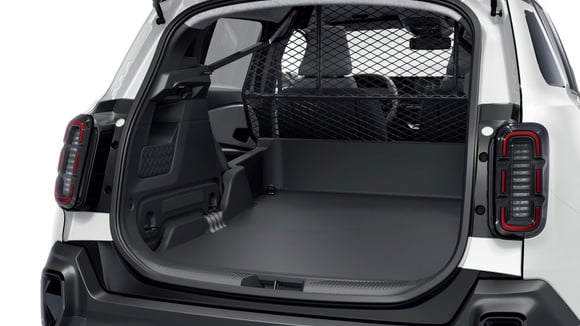
- The Contrast with Renault: The debut highlights a stark divergence in strategy between France’s historic rivals. While Luca de Meo’s initial 2021 Renaulution plan famously teased an electric R4 Fourgonnette with a minimalist white line drawing on a black screen, Renault ultimately scaled back its ambitions. The brand settled for a commercial "société" version of the R4 E-Tech hatchback (essentially stripping out the rear seats) rather than developing a dedicated, bespoke van body style.
2. Chronology: From Post-War Workhorses to Modern Neo-Retro Failures
To understand the weight of Citroën’s gamble, one must trace the historical arc of the lightweight French van, along with past attempts to revive micro-utilities.
The Golden Age of Utility (1950s–1980s)
- 1951: Citroën introduces the 2CV Fourgonnette. Featuring a flat floor, twin rear doors, and exceptional load-lugging capabilities relative to its tiny footprint, it becomes a ubiquitous sight across rural and urban France.
- 1965: Renault counters with the introduction of the Renault 4 Fourgonnette (later known as the F4 and F5), complete with its innovative flat floor, rear swing doors, and the famous roof-mounted "girafon" (a hatch designed to accommodate long loads). Both vehicles define European trades for decades, surviving until safety and emissions regulations forced their retirement in the late 1980s, paving the way for models like the Citroën C15, Renault Express, and eventually the modern Kangoo and Berlingo.
The Graveyard of Short Urban Vans (Late 2000s)
Automakers have previously attempted to shrink utility vehicles for neo-retro or ultra-compact purposes, with mixed commercial results:
- 2008: Renault debuts the production version of the Kangoo Be-Bop at the Paris Motor Show—a shortened, lifestyle-oriented variant of its popular commercial van. It meets with a lukewarm reception and is quietly discontinued due to low demand.
- Late 2000s: Stellantis predecessors launch the Citroën Nemo, alongside its twins the Peugeot Bipper and Fiat Fiorino Qubo. Measuring just 3.96 meters long, these micro-vans target urban fleets but fail to capture the long-term imaginations or practical needs of mainstream buyers.
3. Supporting Data: The Economic Reality of Custom Kits and Pricing
For independent coachbuilders and legacy manufacturers alike, neo-retro design is an expensive indulgence. The economic hurdles facing a production 2CV van are best illustrated by looking at existing bespoke alternatives.
The Caselani Phenomenon
Italian coachbuilder Caselani recognized the enduring affection for the classic 2CV and secured an official licensing agreement with Citroën to produce fiberglass neo-retro body kits for the modern Citroën Berlingo.

While the resulting "Berlingo 2CV" boasts a rounded grille and corrugated flanks that delight nostalgic professionals, the financial barrier to entry is immense:
- Kit Price: €16,800 excluding tax (€20,160 including tax), plus the donor cost of a standard Berlingo.
- Turnkey Conversions: Caselani’s fully built conversions range from €37,500 HT for a petrol-powered variant up to €49,000 HT for a 100% electric version.
The Cost-Benefit Paradox
When a converted Berlingo approaches €50,000, buyers enter the territory of larger, highly capable factory-built vans. For that price, a business can purchase a brand-new Citroën Jumper or Jumpy, which offer vastly superior payload capacities, cargo volumes, and modern workspace ergonomics. Consequently, while the Caselani conversion enjoys a loyal niche following, it has never transformed into a commercial tidal wave.
4. Official Responses and Industrial Constraints
Despite the buzz generated on the carpet of the Paris Motor Show, Citroën management maintains a cautious, non-committal stance regarding the 2CV Fourgonnette’s path to the assembly line.
The Burden of Development Costs
Developing a dedicated, low-volume body style requires massive capital investments in tooling, crash safety certification, and supply chains. Modern automotive economics dictate that unique stampings—such as the iconic corrugated body panels of a 2CV—are exceptionally difficult to amortize on small production runs. This exact financial equation ultimately killed Renault’s plans for a dedicated R4 F4 van.
Ergonomic and Practical Pitfalls
Beyond manufacturing expenses, the concept model reveals several critical functional compromises that alienate real-world artisans:
- The Sliding Door Dilemma: Due to the vehicle’s short wheelbase and compact retro proportions, engineers were unable to integrate a traditional sliding side door.
- The Butterfly Door Alternative: To compensate, the concept suggests an unconventional "butterfly" (suicide-style or gullwing) opening. While visually striking and effective for auto show photography, industry insiders note it is practically unviable for tradespeople loading tools in tight urban parking spaces.
- Restricted Cargo Volume: Compared to modern small vans like the Berlingo or the upcoming generation of compact electric logistics vehicles, the 2CV concept’s internal volume is severely constrained by its aesthetic roofline and tapering rear.
5. Implications: A Daring Statement or a Missed Opportunity?
The unveiling of the electric Citroën 2CV Fourgonnette forces an introspective look at the European automotive industry’s current trajectory.
- Emotional Marketing vs. Utility: Concepts like the 2CV van serve an essential marketing function. In an era dominated by homogenous electric crossovers and strict regulatory compliance, emotional design injects much-needed brand passion. It reminds consumers of Citroën’s rich heritage of democratic, quirky mobility.
- The Artisan Verdict: For working professionals—plumbers, electricians, and delivery drivers—sentimentality rarely supersedes utility. Without standard sliding side doors, a low loading sill, and competitive pricing, a production 2CV van risks being categorized as an expensive lifestyle toy rather than a serious tool of trade.
- The Broader Lesson: The divergent paths of Renault and Citroën illustrate the painful compromises of modern EV development. While Renault retreated to a simplified "société" variant of its R4 hatchback to cut losses, Citroën has chosen to dream out loud. Whether that dream survives the harsh spreadsheet reality of the corporate boardrooms before 2028 remains one of the industry’s most compelling open questions.
