Introduction and Main Facts
After weeks of relentless speculation and conflicting reports across the global automotive press—with some journalists vowing the vehicle would remain an exclusive treat for the Japanese domestic market, while others insisted Europe would eventually get a look-in—Honda has finally put the rumors to rest. In an official press release issued this week, the Japanese manufacturer confirmed that the Honda Prelude Limited Edition will officially land in European showrooms starting in the autumn of 2026, targeting the 2027 model year.
For those industry observers who bet against its European arrival, it is time to concede defeat and perhaps pour a glass of something rich and robust—fittingly, perhaps, a glass of Bordeaux.
At its core, this special-run model does not rewrite the mechanical rulebook. Instead, it relies on a striking visual overhaul, premium material upgrades inside the cabin, and a heavy dose of Japanese artisanal marketing. Beneath the striking new paintwork lies the familiar e:HEV hybrid powertrain that has already sparked extensive debate among purists since the modern Prelude’s revival was first announced. While it does not boast extra horsepower or a high-revving manual VTEC transmission, the Limited Edition aims to capture hearts through sheer elegance, striking contrast, and an unapologetic focus on grand touring comfort rather than track-day brutality.
Chronology of the Prelude’s Return and the Regional Debate
To understand the significance of the Limited Edition announcement, one must trace the timeline of the modern Honda Prelude’s resurgence:
- The Concept Phase (Late 2023 – 2024): Honda stunned the automotive world by pulling the covers off the Prelude Concept, signaling the unexpected return of a revered nameplate that had been absent from global markets for over two decades. Enthusiasts immediately rejoiced, though early excitement was met with mixed feelings upon the revelation that the car would employ a hybrid e:HEV setup rather than a pure internal combustion engine.
- Japanese Market Launch and Initial Speculation (2025): As development finalized, Honda released initial iterations and specialized trims for the Japanese domestic market (JDM). Whispers began circulating that aesthetic packages, such as the Limited Edition, would remain exclusive to Japan due to shifting regulatory landscapes and emissions targets in Europe. Automotive journalists split into two distinct camps: those convinced Honda would keep the halo model local, and those arguing that European demand for stylish, electrified coupes was too strong to ignore.
- The HRC and Mugen Interlude (Mid 2026): Alongside standard models, concept iterations by HRC (Honda Racing Corporation) and aftermarket legends Mugen surfaced, teasing even more aggressive aero and acoustic tuning, though largely keeping those extreme upgrades out of the hands of everyday retail buyers.
- The Official European Confirmation (Autumn 2026): Honda officially silenced the debate by confirming the Prelude Limited Edition for the European market, slated for deliveries in late 2026 and rolling into full 2027 commercial availability.
Supporting Data: Design, Aesthetics, and Specifications
The Exterior: "Premium Crystal Garnet Metallic"
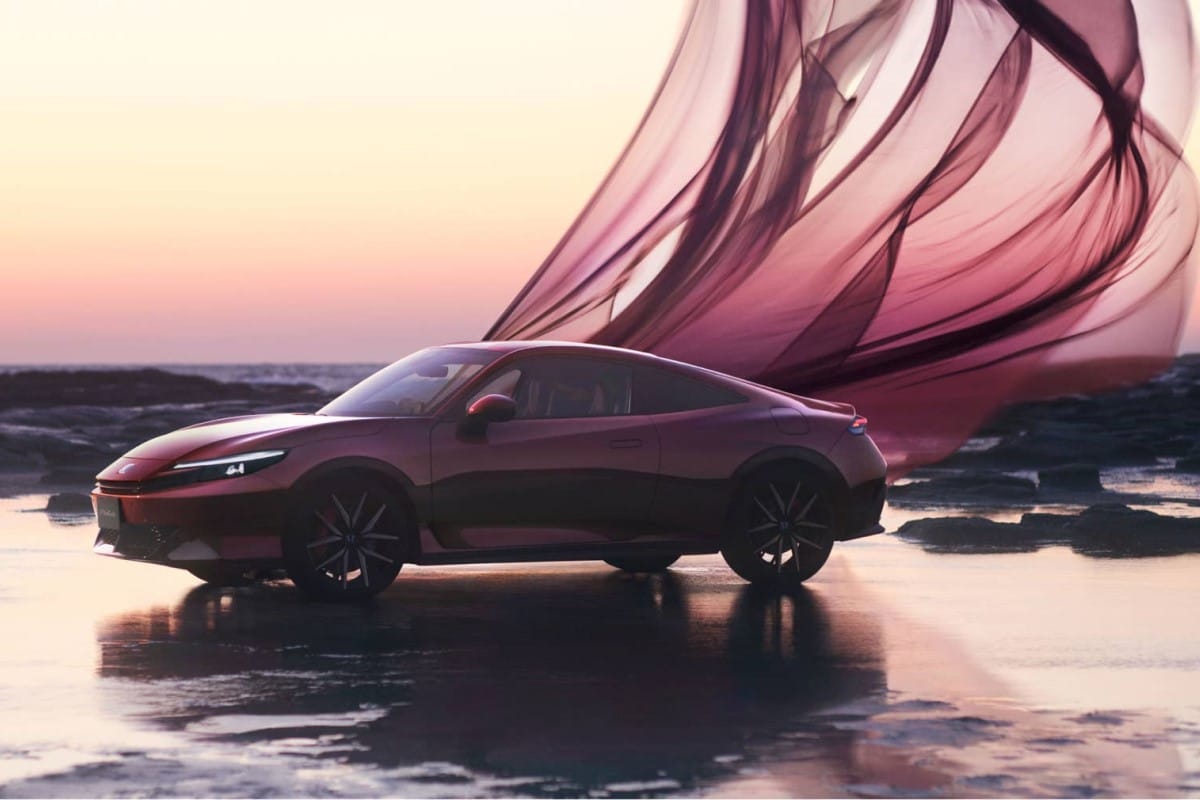
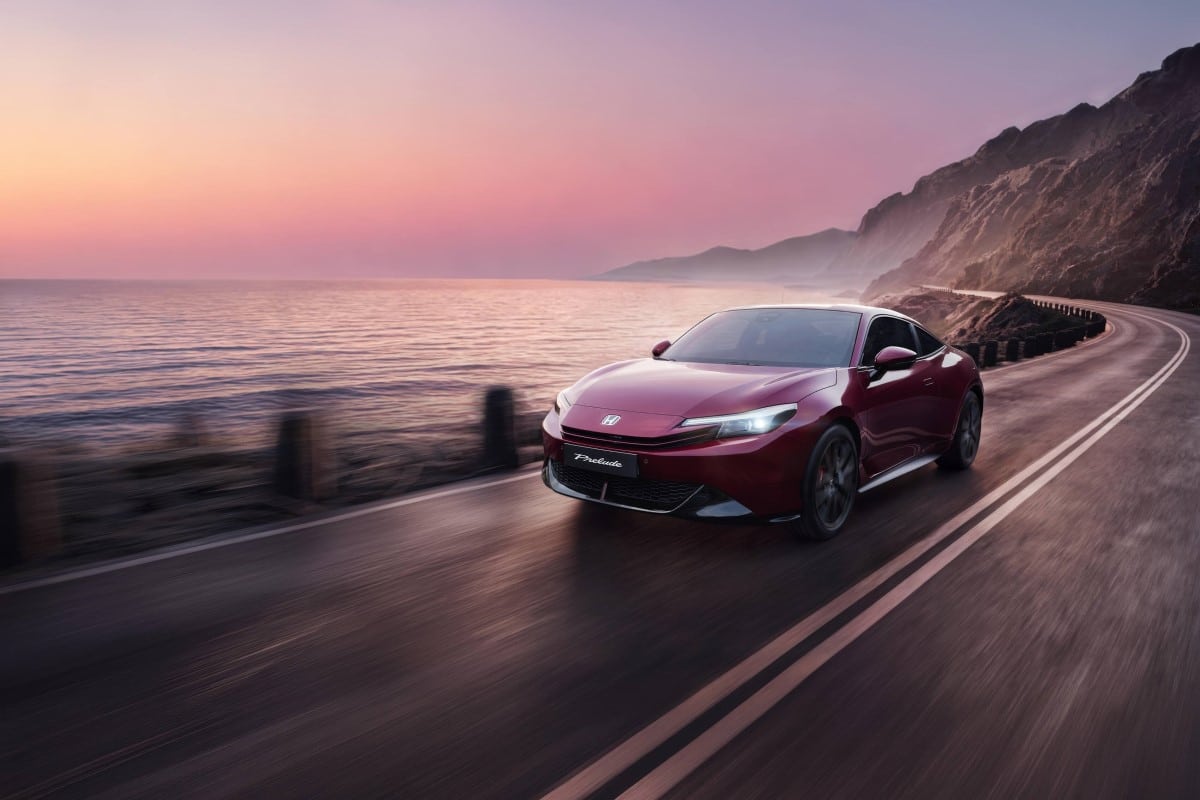
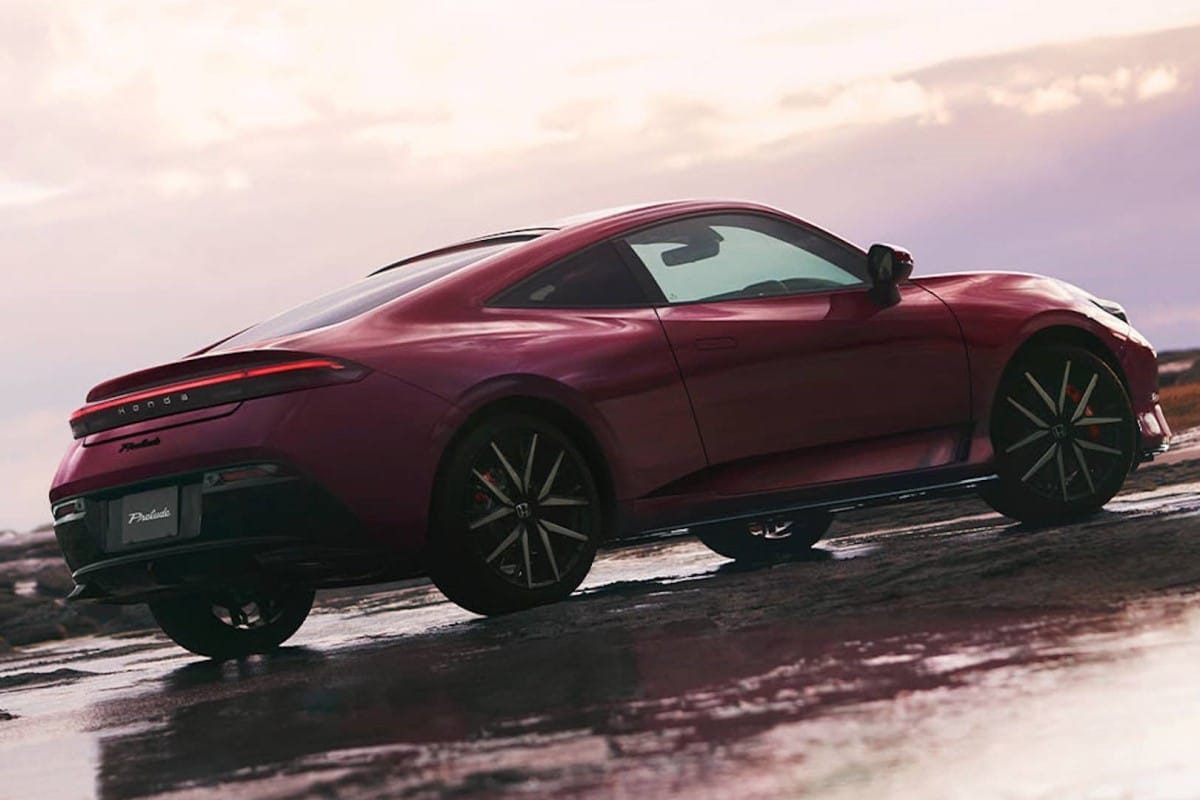
The undisputed star of the exterior update is a newly developed paint finish that Honda has christened "Premium Crystal Garnet Metallic." According to the manufacturer’s design team, this color was engineered specifically to capture ambient light from various angles, accentuating the sleek, flowing, low-slung lines of the coupe.
In plain terms, the car is painted in a deep, sophisticated dark red (or Bordeaux), complemented by a carefully curated dark contrast palette:
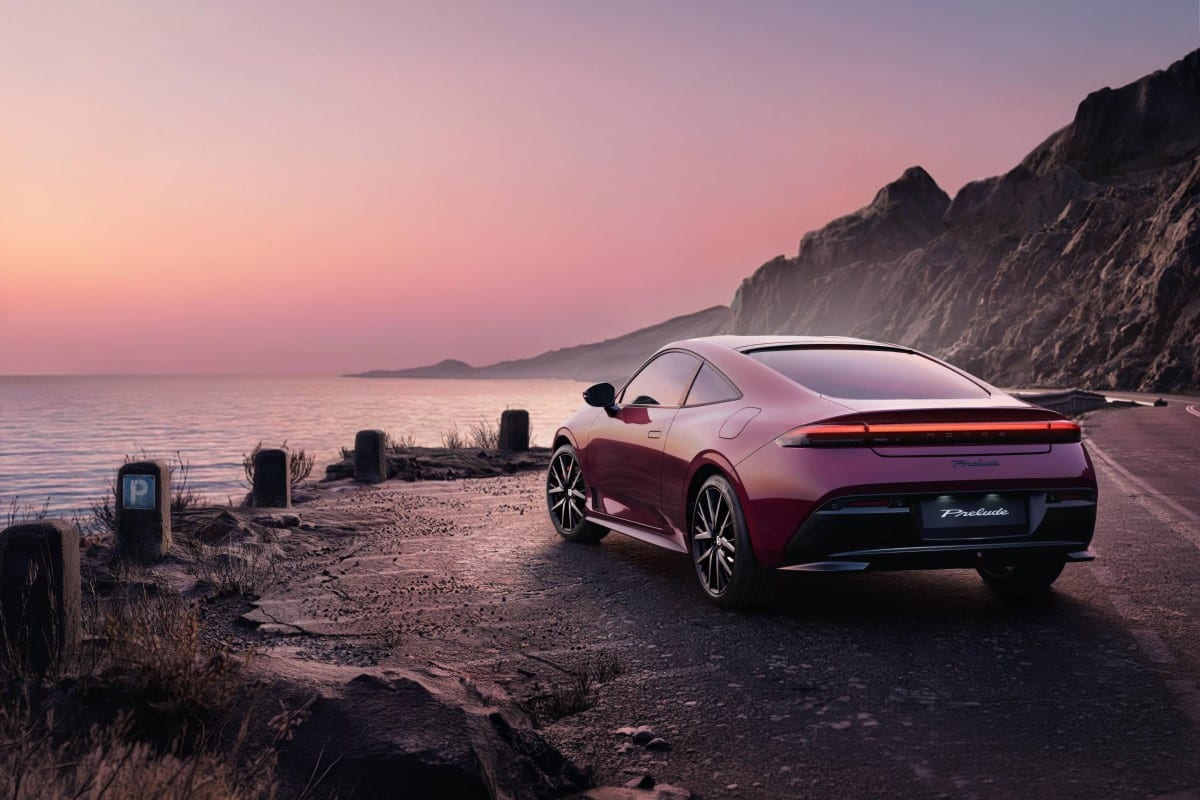
- Red accent inserts integrated into the front and rear bumpers.
- High-performance Brembo brake calipers finished in matching red, visible behind bespoke 19-inch machined black alloy wheels.
- Gloss-black exterior trim elements replacing chrome accents to give the coupe a more aggressive, unified stance.
The Interior: A Masterclass in Bordeaux Accents
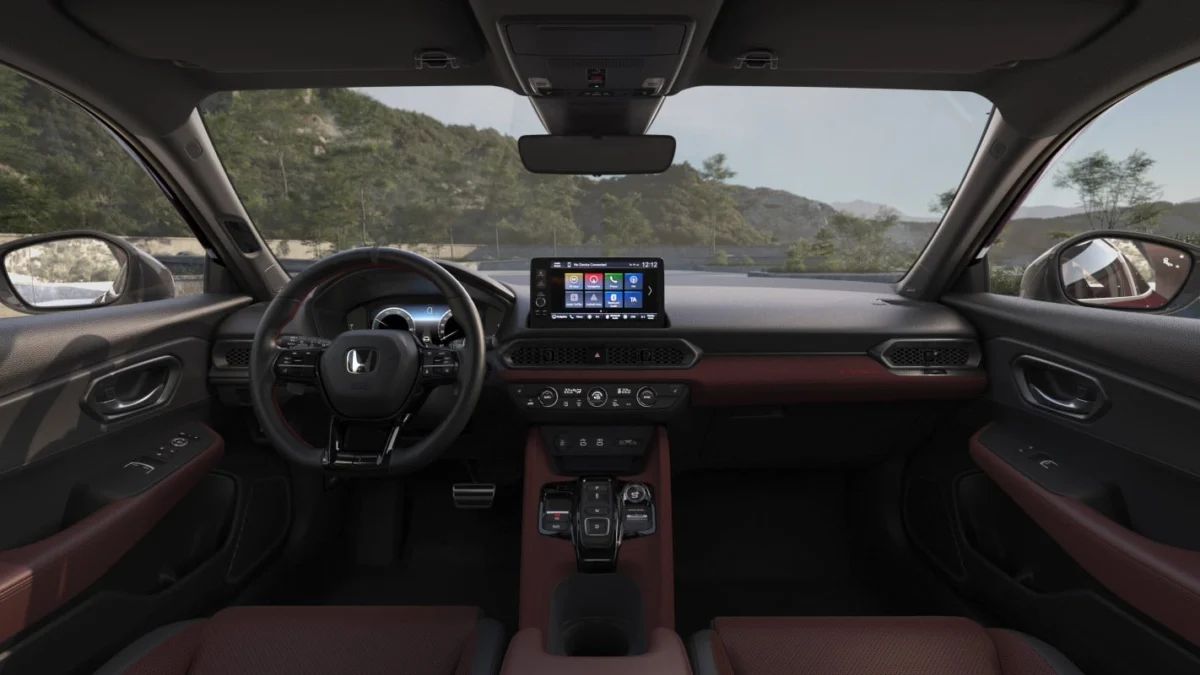
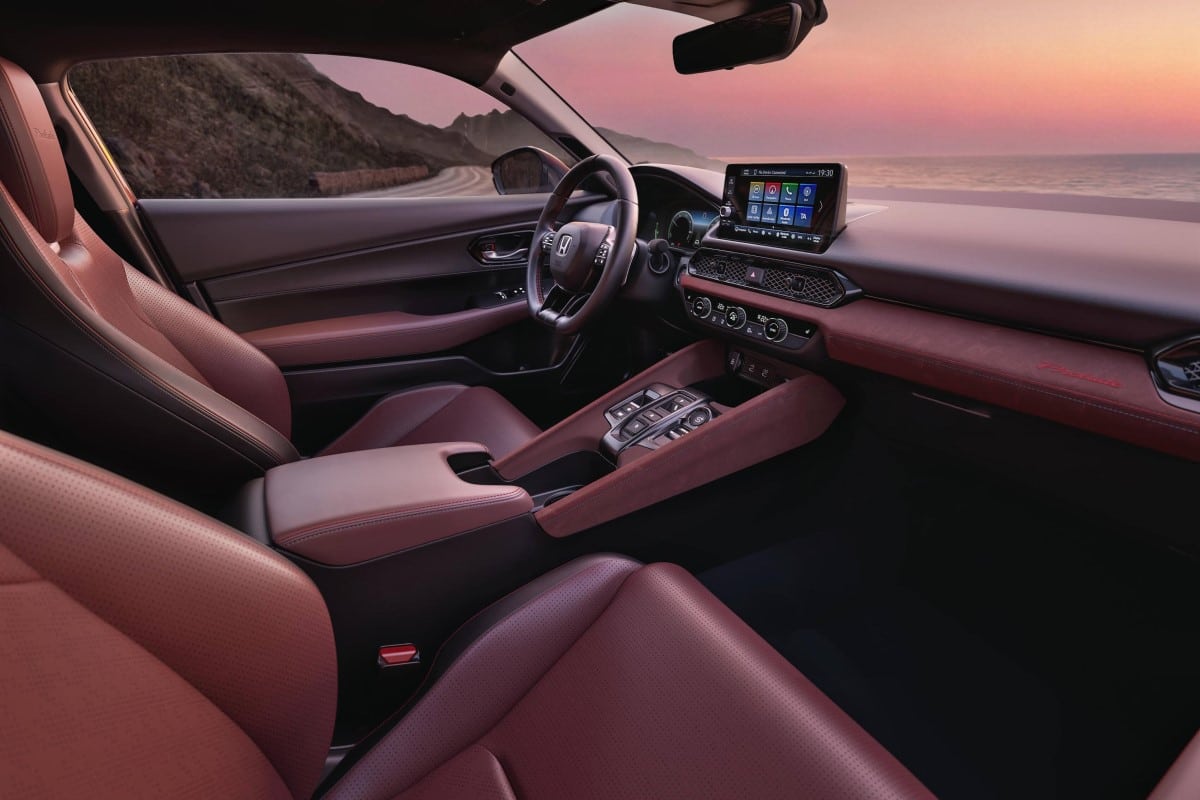
Step inside the cabin, and the theme continues with relentless dedication. Honda’s press materials refer to the interior styling simply as "Bordeaux," capitalized with the reverence typically reserved for a peerage title.
- Contrast Stitching: Specialized red stitching runs continuously across the leather-wrapped steering wheel, the central console, the dashboard, and flows seamlessly onto the bolstering of the front seats and door cards.
- Exclusive Floor Mats: Custom-tailored floor mats featuring a distinctive red piping border ensure that even the footwells remain shielded in theme.
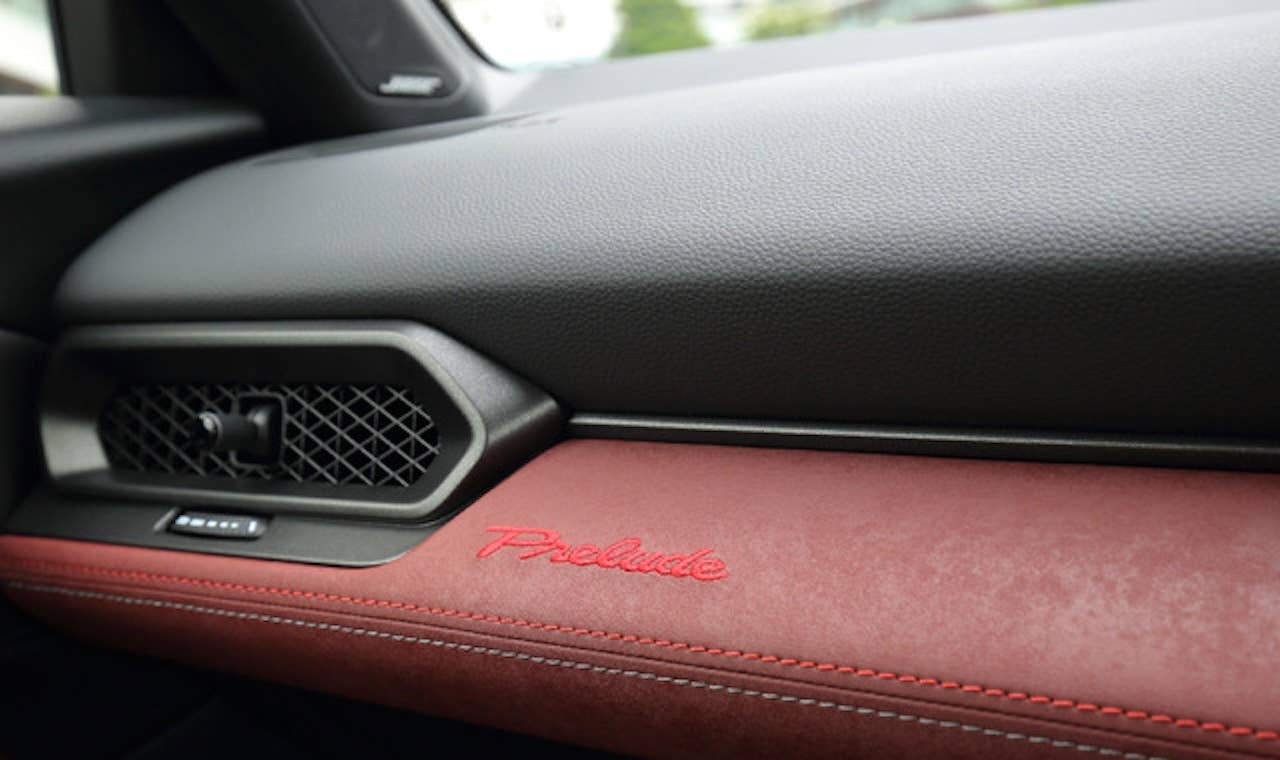
- Embroidered Branding: A dedicated "Prelude" logo is meticulously embroidered directly into the passenger-side dashboard. Honda notes this gives the impression of a hand-signed piece of craftsmanship—a clever exercise in marketing semantics that delivers the illusion of bespoke personalization without inflating production costs through manual signatures.
Mechanical Foundation: The e:HEV and S+ Shift
Mechanically, the Limited Edition remains entirely identical to its standard sibling and the JDM variants:
- Powertrain: It retains the self-charging e:HEV hybrid system, pairing an efficient internal combustion engine with dual electric motors.
- S+ Shift System: The vehicle utilizes Honda’s simulated step-gear system, which uses torque management and artificial acoustic enhancements to mimic the shifting sensations of a traditional multi-speed automatic transmission during acceleration. While traditionalists yearning for a screaming, manual-shifted VTEC setup have criticized this simulation, Honda’s engineers stand firmly by the setup, prioritizing smooth, effortless power delivery over raw mechanical theater.
Official Responses and Marketing Narratives
The "Glider" Philosophy
In what is arguably the most poetic—and heavily scrutinized—element of the official press release, Honda’s Large Project Leader, Tomoyuki Yamagami, offered a unique philosophical comparison for the vehicle’s driving dynamics. Yamagami asserted that the Prelude e:HEV draws its primary inspirational ethos not from motorsport icons like Formula 1 single-seaters or high-performance fighter jets, but rather from a silent glider soaring freely through the open skies, instilling a deep sense of effortless freedom.
Automotive critics have been quick to point out the inherent irony in comparing a hybrid automobile to a glider—an aircraft famous precisely for operating without an engine. Yet, beneath the cynical commentary lies a clear corporate message: the Prelude is engineered for fluid, uninterrupted momentum and serene long-distance cruising rather than aggressive, knife-edge corner carving. It is a grand tourer designed to "float" over tarmac rather than dominate a rally stage.
The Missing Numbers
Notably absent from Honda’s initial European rollout announcement are concrete commercial figures:
- Pricing: Official retail pricing for European markets has not yet been finalized. For context, the Japanese domestic market version commands a modest premium of roughly 126,500 yen over standard trims—equating to approximately €800 locally. European pricing, influenced by import logistics, VAT variations, and localized homologation costs, is expected to be revealed closer to the order-book opening date.
- Production Volume: Despite carrying the "Limited Edition" moniker, Honda has not disclosed exact global or European production caps. Whether this rarity will be dictated by a strict numbering plaque or simply by a limited production window remains to be seen.
Implications for the Market and Automotive Enthusiasts
The introduction of the Honda Prelude Limited Edition to Europe carries several key implications for the brand and the broader sports coupe segment:
- Bridging the Heritage Gap: Approaching its 50th anniversary since the nameplate’s original inception, the Prelude has transitioned historically from a technological laboratory for Honda’s most advanced engineering to a showcase of modern electrified style. While purists may mourn the loss of raw, unfiltered mechanical engagement, the Limited Edition proves that Honda is willing to invest in emotionally driven niche vehicles within an increasingly homogenized, crossover-dominated European market.
- The Rise of Aesthetic-Only Special Editions: By focusing entirely on bespoke paint treatments, color-matched Brembo calipers, and upgraded interior stitching without adding extra horsepower, Honda is acknowledging a modern automotive retail reality: style, exclusivity, and visual road presence often outweigh raw output figures for buyers shopping in the lifestyle coupe segment.
- Future Collectibility: Even without mechanical enhancements, the combination of the "Premium Crystal Garnet Metallic" paint scheme, limited European availability, and the historical gravity of the Prelude nameplate virtually guarantees that these models will hold their residual values well, appealing strongly to collectors and brand loyalists alike.
Conclusion
The Honda Prelude Limited Edition for Europe is a vehicle of distinct contradictions: it wears a dramatic, bespoke evening gown while retaining the exact same mechanical heartbeat its critics have already dissected. It asks its drivers to embrace the serenity of a non-motorized glider while relying on a complex, electrified hybrid system.
Yet, for all the debates over paddle-less CVTs and simulated gearshifts, one undeniable truth remains: a hybrid coupe drenched in deep Bordeaux red, riding on black alloys with matching red brake calipers peering through the spokes, looks like nothing else currently populating European roads. For buyers captivated by its striking visual presence, the autumn 2026 launch cannot come soon enough. For those still demanding a screaming, manual VTEC track weapon, the search—and the debate—must unfortunately continue elsewhere.