

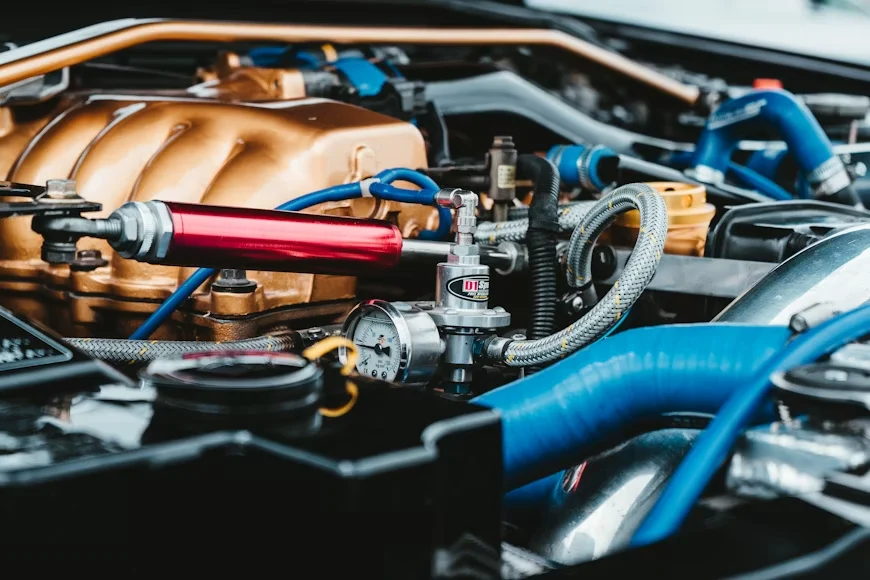
The modern internal combustion engine is a marvel of precision engineering, functioning as a complex symphony of synchronized mechanical components. Among these, the fuel injector acts as the conductor, orchestrating the exact delivery of fuel to sustain combustion. Often overlooked until they fail, these components are critical to your vehicle’s performance, fuel economy, and environmental compliance.
Main Facts: The Anatomy of Fuel Delivery
At their core, fuel injectors are electronically controlled valves capable of opening and closing many times per second. Their primary function is to atomize fuel—breaking it down into a fine mist—and spraying it into the combustion chamber under high pressure.
This atomization is not a simple task; it requires millisecond-level precision. The goal is to achieve an optimal air-fuel ratio. If the mixture is too "lean" (not enough fuel) or too "rich" (too much fuel), the engine will struggle to operate efficiently. A well-functioning injector ensures that the fuel burns completely, which maximizes power output, optimizes fuel consumption, and keeps tailpipe emissions within legal limits.
The Evolution of Injection Systems
The automotive industry has transitioned through several stages of injection technology:
- Indirect Injection (PFI): In these older or simpler systems, fuel is sprayed into the intake manifold, just before the intake valve. The air and fuel mix before entering the combustion chamber.
- Direct Injection (GDI/CRDi): Modern, high-performance engines utilize direct injection, where the fuel is sprayed directly into the cylinder. This allows for higher compression ratios and superior thermal efficiency. While this technology provides significantly better fuel economy and power, it is far more sensitive to fuel quality and requires more rigorous maintenance cycles.
Chronology of Injector Failure: From Neglect to Breakdown
Injector failure is rarely an overnight event; it is usually a cumulative process. Understanding this timeline is essential for any responsible vehicle owner.
- The Accumulation Phase (0 – 80,000 km): Over time, microscopic deposits of carbon (calamine) and fuel additives begin to build up on the injector nozzle. This is a natural byproduct of combustion.
- The Performance Degradation Phase (80,000 – 150,000 km): As deposits thicken, the spray pattern becomes distorted. Instead of a fine, conical mist, the fuel may drip or stream. This results in poor combustion, subtle drops in power, and slightly higher fuel consumption.
- The Diagnostic Trigger Phase: The engine control unit (ECU) begins to detect irregularities in combustion cycles. The "Check Engine" light illuminates as the sensors note misfires or deviations in exhaust gas composition.
- The Failure Phase: The injector may become "stuck" open or closed. A stuck-open injector causes a fuel leak into the cylinder, leading to engine flooding, while a stuck-closed injector results in a total loss of power in that cylinder, potentially causing catastrophic engine damage if ignored.
Supporting Data and Technical Implications
The consequences of ignoring these symptoms are not merely inconvenient—they are economically and mechanically damaging.
Economic Impact
A clogged injector can increase fuel consumption by 5% to 15%. Over the course of a year, this equates to hundreds of dollars in wasted fuel. Furthermore, the cost of a full set of replacement injectors for a modern direct-injection diesel engine can easily exceed $1,000 to $2,000, not including labor.
Mechanical Collateral Damage
The ripple effect of a failed injector is extensive:
- Piston Damage: A leaking injector can cause "bore wash," where excess fuel strips the oil film from the cylinder walls, leading to rapid wear of piston rings.
- Catalytic Converter/DPF Failure: Unburnt fuel entering the exhaust system will ignite in the catalytic converter or the Diesel Particulate Filter (DPF), causing the component to melt or clog, leading to repair bills that often dwarf the cost of the original injector replacement.
Official Perspectives: Emissions and Regulatory Standards
Regulatory bodies across Europe and North America have implemented increasingly stringent emissions standards (such as Euro 6). These standards mandate that vehicle manufacturers ensure engines remain clean throughout their lifecycle.
According to automotive industry experts and environmental agencies, the "on-road" emissions of a vehicle are heavily dependent on the health of the injection system. A malfunctioning injector is the leading cause of failed emissions inspections. Because modern sensors are incredibly sensitive, even a minor deviation in spray timing can result in a vehicle failing a mandatory state inspection, effectively grounding the car until repairs are performed.

Preventive Maintenance: Strategies for Longevity
Prevention is significantly more cost-effective than remediation. To ensure the longevity of your injectors, consider the following best practices:
1. Fuel Quality Matters
Cheap, low-quality fuel often lacks the necessary detergent additives that help keep injectors clean. Stick to reputable gas stations and consider "premium" fuels occasionally, as they often contain higher concentrations of cleaning agents.
2. Additive Regimens
Every 5,000 to 10,000 kilometers, adding a high-quality fuel system cleaner to your tank can help dissolve carbon deposits before they harden. These additives act as a solvent, maintaining the integrity of the spray pattern.
3. Professional Cleaning
For diesel engines, which are particularly prone to deposit buildup, a professional ultrasonic cleaning service every 100,000 kilometers is highly recommended. This process involves removing the injectors and placing them in a sonic bath that removes contaminants that chemical cleaners cannot reach.
4. Early Diagnosis
If you notice a rough idle, hesitation during acceleration, or a drop in fuel economy, do not wait for the "Check Engine" light to become a permanent fixture. A diagnostic scan can often identify a "lazy" injector before it fails completely.
The Human Factor: The Role of Proper Driving Habits
It is worth noting that technical maintenance starts with the driver. The habits formed during the initial stages of learning to drive have a lasting impact on vehicle health. Choosing a professional and recognized driving school—one that emphasizes smooth acceleration and engine preservation—can prevent unnecessary strain on the fuel system.
Aggressive driving, constant short-trip cycles where the engine never reaches operating temperature, and "lugging" the engine in high gears all contribute to faster carbon accumulation. Understanding how the car functions at a mechanical level allows a driver to adjust their behavior, thereby protecting the vehicle’s most vital components.
Conclusion: A Proactive Approach
The fuel injector is the unsung hero of the combustion engine. By acknowledging its importance, recognizing the early symptoms of failure, and adhering to a strict maintenance schedule, drivers can avoid the pitfalls of costly repairs and engine failure.
Your vehicle is an investment. Treating the fuel injection system with the care it deserves ensures that your car remains reliable, efficient, and environmentally compliant for years to come. Do not wait for a breakdown to show your engine the attention it requires—proactive maintenance is the hallmark of an experienced and responsible driver. Whether through high-quality fuels, regular additives, or timely professional inspections, the steps you take today will pay dividends in engine longevity and performance tomorrow.
