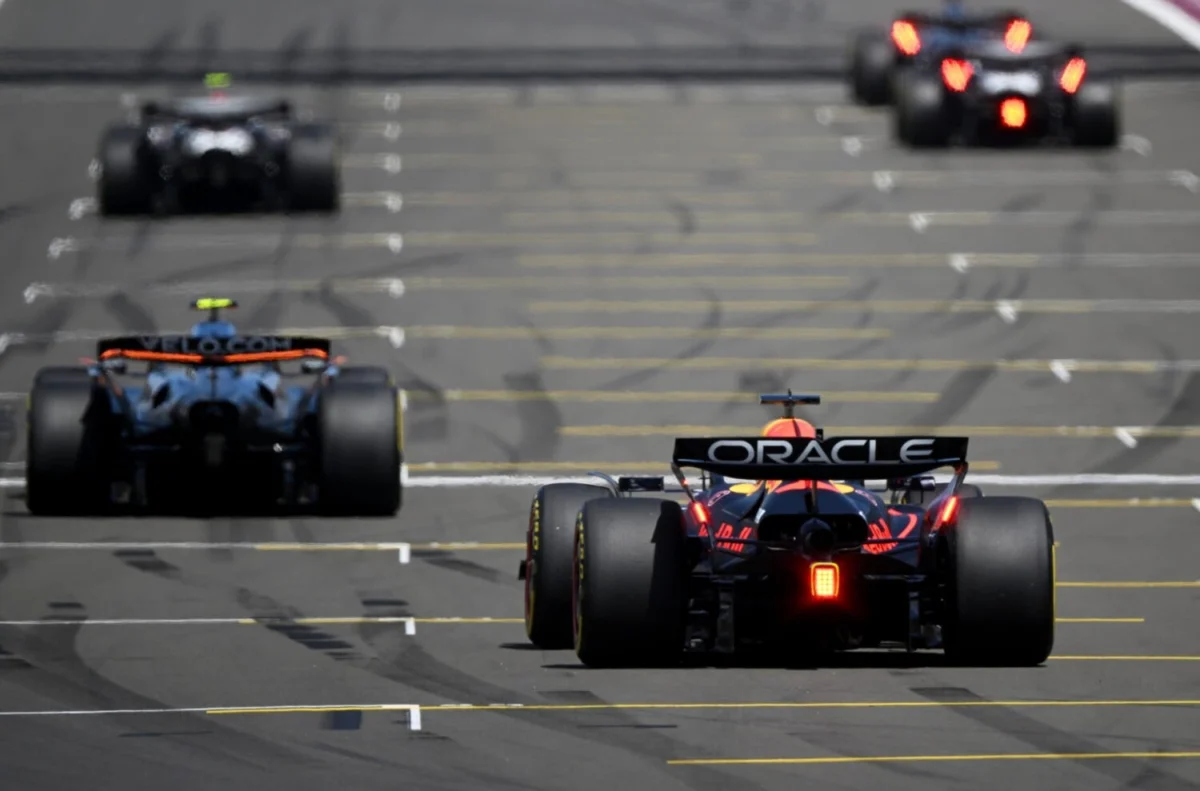
The landscape of Formula 1 is on the brink of its most significant transformation in over a decade. In a landmark announcement that has sent shockwaves through the paddock, FIA President Mohammed Ben Sulayem has confirmed that the sport’s ambitious technical overhaul—centered on the return of the iconic V8 engine—will be brought forward to the 2030 season, one year earlier than originally planned. This strategic pivot signals a departure from the heavy, complex electrification focus of the 2026 regulations, aiming to recapture the raw mechanical essence that once defined the pinnacle of motorsport.
The Chronology of Change: From Hybrid Complexity to V8 Simplicity
The current F1 regulatory cycle, set to take effect in 2026, was designed to balance high-tech hybrid power with environmental sustainability. These regulations rely on a 50/50 power split between internal combustion engines (ICE) and electrical energy recovery systems. While this architecture successfully courted major automotive manufacturers like Audi and solidified commitments from existing power unit suppliers, it has inadvertently transformed the nature of grand prix racing.
For years, the sport has grappled with the consequences of this hybrid era:
- 2014–2025: The introduction of the V6 turbo-hybrid era prioritized efficiency but drew consistent criticism for the lack of acoustic engagement and increased car weight.
- 2026: The upcoming shift to a 50/50 power split, intended to push hybrid development to its limits.
- 2030 (The Pivot): The newly confirmed timeline for the "V8 Revolution," aiming to phase out the most complex hybrid elements in favor of lighter, more agile, and more visceral machinery.
The acceleration of this timeline, revealed during the presentation of the future Rwandan Grand Prix, suggests that the FIA is moving with unprecedented urgency to address fan dissatisfaction and technical bloat.
The "Mario Kart" Critique: Addressing the Hybrid Deficit
The primary driver behind this shift is a growing consensus that current and impending regulations have compromised the purity of wheel-to-wheel racing. The integration of advanced energy recovery systems has led to a phenomenon known as "superclipping"—a technical failure mode where a car runs out of electrical deployment, causing a sudden and dramatic drop in power during crucial overtaking maneuvers.
Critics have not been shy in their assessment. The stark differences in speed caused by energy management strategies have led some observers and pundits to draw unflattering comparisons to the erratic, artificial power-up mechanics of Mario Kart. For purists, the sight of drivers managing batteries as much as tires has detracted from the spectacle of pure driving talent. By returning to a V8-centric powertrain, the FIA hopes to eliminate these erratic power fluctuations, restoring a consistent, linear power delivery that allows drivers to push to the limit throughout the entire duration of a race.
Official Responses: A Unified Vision for the Future
The announcement was made in the presence of F1 CEO Stefano Domenicali, signaling a rare and crucial alignment between the sport’s governing body and its commercial rights holder.
"What is fantastic is that we are working together to ensure that the introduction of the new V8 takes place in 2030," stated Mohammed Ben Sulayem. "The Rwanda project is a symbol of our forward-thinking approach, and it is fitting that the country will witness this new, more authentic engine in action for its very first Grand Prix."
Ben Sulayem emphasized that the decision was not made in isolation. Despite the massive R&D investments manufacturers have poured into the 2026 units, the FIA claims to have secured the necessary buy-in from stakeholders. "I have the support of the FOM. I have the support of the manufacturers. This engine will be introduced in 2030. I am convinced that it will be launched, and it is the right step for the sport’s longevity," the President asserted.
Technical Implications: Weight, Cost, and Sound
The transition to the 2030 V8 platform is governed by three primary pillars: weight reduction, economic sustainability, and auditory identity.
1. The Quest for Agility: A 80kg Shed
The most anticipated change is the aggressive reduction in vehicle mass. For years, the minimum weight of F1 cars has ballooned, reaching levels that many drivers find detrimental to the "feel" and agility of the machine. Ben Sulayem was explicit about the mandate: "As a driver, the first thing we need is light cars. They will be approximately 80 kilograms lighter. Perhaps I shouldn’t have told the press yet, but it is set in stone."
This reduction is expected to improve cornering speeds, braking distances, and the overall physical demands placed on the drivers, returning the sport to a more visceral, athletic discipline.
2. Economic Viability
Modern F1 power units are among the most expensive pieces of machinery ever built. The complexity of the hybrid recovery systems requires billions in R&D, creating a barrier to entry for smaller manufacturers and putting immense pressure on budgets. The FIA’s goal for 2030 is to slash these costs by at least 50%. By simplifying the engine architecture, the governing body hopes to democratize the development process, ensuring that F1 remains a sustainable business model even for independent teams.
3. The Acoustic Renaissance
Perhaps the most emotive aspect of the change is the "sound." Since 2014, the muffled roar of the V6 turbos has been a point of contention for fans who yearn for the scream of the V8s and V10s of the past. Ben Sulayem clarified the objective: "It is about the sound, not the noise. It is about the fans." The new V8s are intended to provide a high-frequency, authentic engine note that resonates with the heritage of the sport, acting as a marketing tool to reignite the passion of the global fanbase.
Implications for the Sport and the Industry
The decision to shorten the lifecycle of the 2026 regulations—effectively giving them only four years of relevance—is a bold gamble. It acknowledges that while electrification is essential for the automotive industry at large, the "pinnacle of motorsport" must serve a different master: the entertainment value and the unique identity of Grand Prix racing.
Impact on Manufacturers
The primary challenge will be convincing current power unit suppliers to pivot their R&D focus so quickly. Having just committed to the 2026 hybrid regulations, manufacturers are currently in the thick of testing and validation. However, the FIA’s insistence on "economic sustainability" implies that the new V8s may feature a simplified hybrid component—perhaps a standardized KERS system—that is cheaper to produce and easier to maintain.
The Global Expansion
Linking the 2030 engine introduction to the Rwanda Grand Prix is a strategic masterstroke. It frames the new era of F1 not just as a technical update, but as a new chapter for the sport’s global footprint. By bringing the "new" sound of F1 to a new continent, the FIA is positioning the 2030 season as a fresh start for a sport that is currently seeing record-breaking attendance and interest.
Conclusion: A Return to Roots?
The road to 2030 will undoubtedly be filled with intense negotiations and technical challenges. Critics will argue that abandoning the 2026 hybrid focus undermines the sport’s "green" credentials. However, the FIA seems to have calculated that the survival of F1 depends on its ability to thrill. By shedding 80 kilograms of weight, slashing development costs, and bringing back the roar of the V8, the sport is betting that its future lies in a return to the core tenets of racing: lightness, speed, and the raw, unadulterated sound of internal combustion.
As the grid prepares for the final years of the hybrid era, the message from the FIA is clear: the future of Formula 1 is not just about being smart—it is about being spectacular.