

By Fabien Delaporte (Adapted for Global Automotive Intelligence)
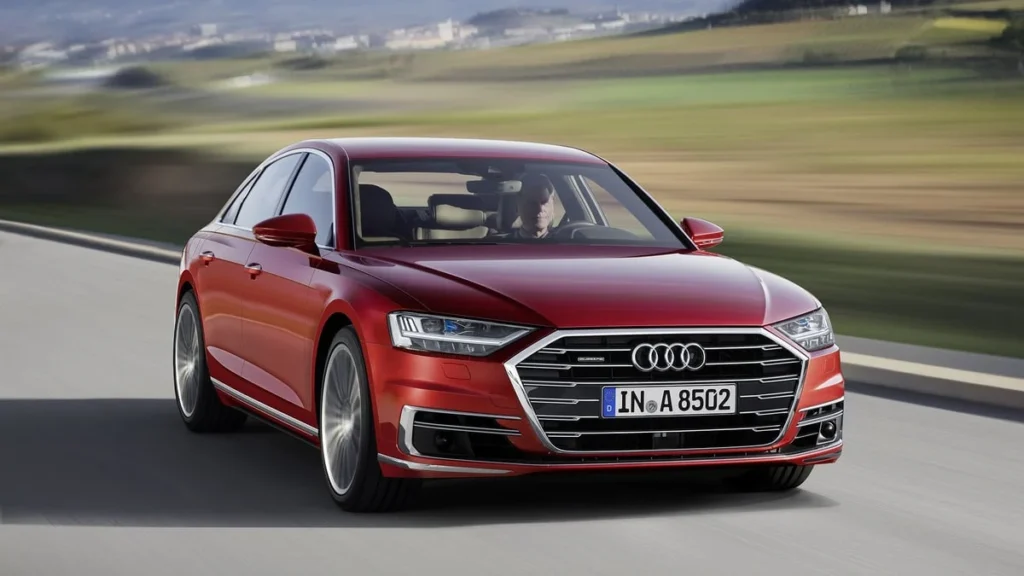
For months, the luxury automotive landscape operated under a quiet consensus: the traditional flagship sedan was on its deathbed. Faced with declining sales, a relentless consumer migration toward colossal SUVs—epitomized internally by Audi’s own looming Q9—and staggering development costs, the writing appeared to be on the wall for the Audi A8. Rumors hardened into reality earlier this year when Ingolstadt announced the effective wind-down of production for its iconic limousine. Dealership networks were left to clear out remaining inventory, signaling the end of a lineage that began more than thirty years ago.
Yet, in a dramatic strategic pivot that has stunned industry analysts, the Audi A8 has been granted a reprieve. Far from fading quietly into history, the ringed brand’s ultimate expression of engineering prestige is slated for a fifth generation. However, this resurrection is not merely a nostalgic continuation of past glories; it is a high-stakes gamble born out of profound corporate restructuring, shifting global markets, and the urgent need to stem mounting financial pressures within the Volkswagen Group.
1. Main Facts: The A8’s Unexpected Rebirth
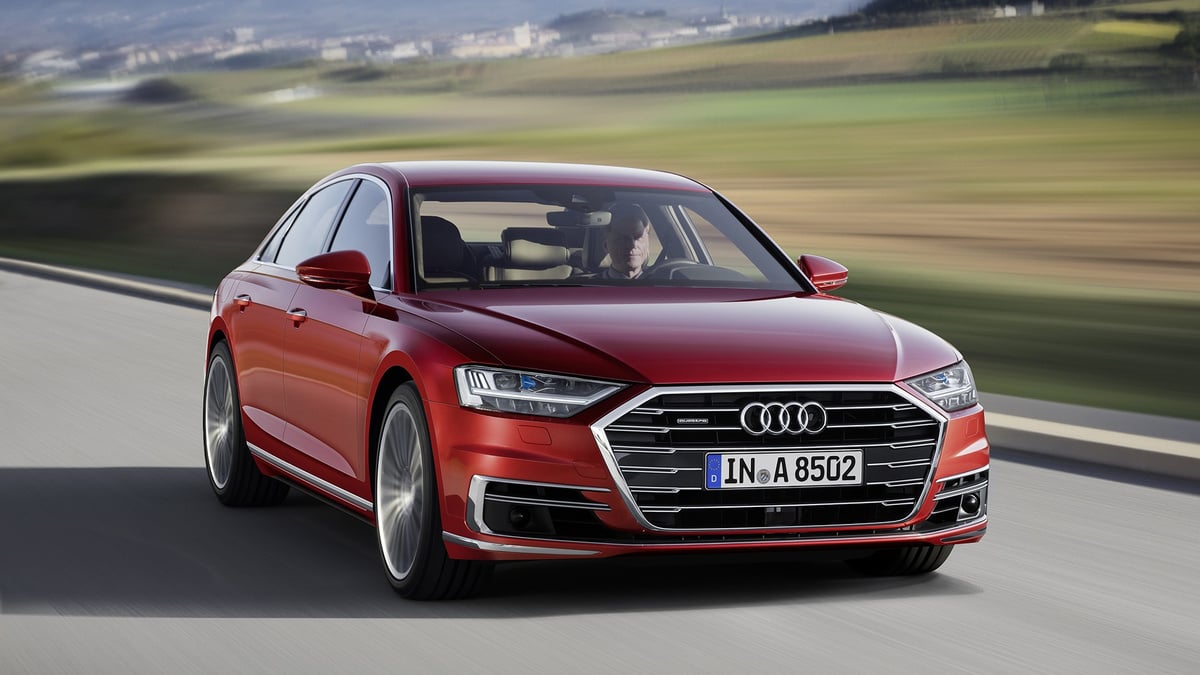
The core revelation is clear: Audi will not cede the ultra-luxury executive sedan segment to its eternal German rivals, Mercedes-Benz and BMW. While models like the Mercedes-Benz S-Class and the BMW 7 Series have undergone continuous cycles of redesign and refreshment, the fourth-generation Audi A8—launched initially in late 2017 and lightly updated in 2021—was left to languish, selling in negligible quantities worldwide.
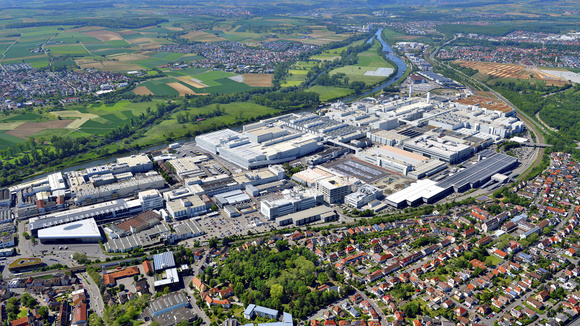
Rather than letting the nameplate die entirely, Audi’s product planners have greenlit a fifth generation, targeting a market release around 2030. To optimize costs and inject much-needed driving dynamics into the platform, this future A8 will share its architecture and hybrid propulsion technology with the next-generation Porsche Panamera. Furthermore, production of the upcoming limousine will shift away from Audi’s historic home in Neckarsulm to Porsche’s facilities in Leipzig.
While this guarantees the survival of the A8 nameplate, it arrives against a backdrop of sweeping industrial turbulence, massive workforce reductions across the Volkswagen Group, and a rapidly eroding market share in China, where tech-laden local alternatives are systematically dismantling the traditional dominance of German engineering.
2. Chronology of a Crisis and Pivot
To understand how Audi arrived at this crossroads, one must trace the timeline of the A8’s recent struggles and the broader corporate storms shaking the Volkswagen empire.
- Late 2017: Audi officially unveils the fourth-generation A8 (Type 4N) at a dedicated summit in Barcelona, boasting advanced Level 3 autonomous driving hardware (Audi AI Traffic Jam Pilot) and a futuristic touch-screen-heavy interior.
- 2021: Audi applies a mid-cycle restyling to the A8, introducing revised styling, digital matrix LED headlights, and a stretched Horch variant specifically tailored to meet the insatiable Chinese demand for ultra-long-wheelbase luxury.
- Early 2024: Amid cratering sales figures across Europe and North America—and with development budgets increasingly cannibalized by the transition to electric mobility and large SUVs like the rumored Q9—rumors intensify that Audi intends to discontinue the A8 without a direct successor.
- Mid-2024: Audi officially confirms the winding down of the A8 production line at Neckarsulm. Dealerships are instructed to transition to a sell-down of existing stock. European sales plummet to an anemic 966 units between January and August 2026.
- Late 2024 / Early 2025 (The Turning Point): Recognizing the catastrophic brand-equity loss of abandoning the executive segment entirely, executives pivot. Plans for a fifth-generation A8 are quietly resurrected, leveraging synergy with Porsche’s Leipzig plant and upcoming Panamera architecture.
- Target 2030: Projected market introduction of the fifth-generation Audi A8, leaving a multi-year vacuum where Audi has no active competitor in the premier sedan class.
3. Supporting Data and Market Realities
The numbers surrounding the Audi A8 tell a stark story of changing consumer tastes and economic pressure. The flagship sedan was never designed to be a volume seller; rather, it has always served as a rolling laboratory and a halo product designed to pull buyers into lower segments of the showroom. However, by the mid-2020s, the halo had dimmed to a flicker.
- 966 units: Total European sales for the Audi A8 between January and August 2026, illustrating just how heavily the model was vivoting (barely surviving) at the end of its lifecycle.
- 30 years: The span of time during which four generations of the A8 were assembled exclusively at Audi’s Neckarsulm manufacturing plant—a facility now facing an uncertain future.
- 7,500 jobs: The number of positions Audi intends to eliminate by 2029 as part of broader cost-cutting measures that have rendered previous internal efficiencies insufficient.
- 15,000 additional jobs: The estimated workforce at risk if structural changes and plant reallocations—such as moving the A8 away from Neckarsulm to Leipzig—trigger cascading industrial fallout within the Volkswagen Group.
- 2031 horizon: The date beyond which other key German production sites, including Hanover, Emden, and Zwickau, face severe operational threats.
These metrics highlight a fundamental mismatch: while a new A8 provides a vital prestige anchor, it is a drop in the ocean compared to the massive structural overhaul required to fix the group’s financial health.
4. Official Responses and Corporate Strategy
Audi’s leadership has walked a delicate tightrope between acknowledging structural decline and maintaining the mystique of a luxury brand. Privately and publicly, executives have conceded that the traditional executive sedan model must evolve or perish.
By tying the next A8 to Porsche’s Leipzig production lines, the Volkswagen Group is ruthlessly prioritizing platform sharing and manufacturing consolidation over sentimental historical attachments. For three decades, Neckarsulm was synonymous with Audi’s pinnacle craftsmanship—housing the production of exclusive, low-volume, high-tech vehicles utilizing advanced aluminum spaceframe technologies. Strip away the A8, and Neckarsulm faces a profound existential crisis.
Yet, Audi’s board maintains that abandoning the segment entirely would inflict a permanent wound on the brand’s prestige. In official communications, company representatives emphasize that a brand defined by the Vorsprung durch Technik (Progress through Technology) philosophy cannot simply surrender the pinnacle of automotive engineering to Mercedes-Benz and BMW.
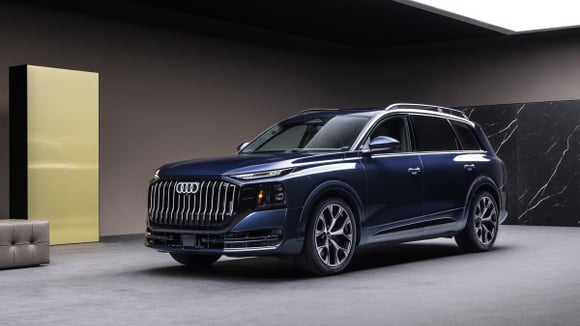
Nevertheless, the strategic decision to let the current A8 die out without an immediate successor means Audi is willingly ceding the market to its Stuttgart and Munich rivals for a agonizing window of at least three years. During this interim period, affluent buyers seeking a German flagship will have nowhere to turn within the Audi network, forcing dealers to rely heavily on crossovers like the Q7 and the upcoming Q9 to retain top-tier clientele.
5. Implications: The Road Ahead for Ingolstadt
The resurrection of the Audi A8 carries profound implications not just for the brand, but for the entire European automotive ecosystem.
The Technological and Dynamic Shift
Historically, the A8 has prioritized serene, isolated comfort, often trailing the BMW 7 Series in driver engagement. By adopting the hybrid architecture of the upcoming Porsche Panamera, the fifth-generation A8 is virtually guaranteed to inherit a sharper, more dynamic chassis setup. This shift reflects a broader market reality: modern executive buyers—even those chauffeured in the back—expect responsive handling, cutting-edge digital integration, and flexible powertrain options (ranging from advanced plug-in hybrids to pure electric variants) that do not compromise performance.

The Geopolitical and Regional Challenge
The revival of the A8 must also be viewed through the lens of global trade, particularly the seismic shifts occurring in the Chinese market. Historically the most lucrative hunting ground for the A8 (spawning ultra-exclusive versions like the aforementioned Horch), China is no longer a guaranteed stronghold for German luxury marques. Domestic consumers are increasingly turning to home-grown luxury electric vehicles. While these local brands may occasionally lack the centuries-old mechanical pedigree of a European powerhouse, they routinely outperform German rivals in software integration, in-cabin entertainment, and autonomous driving features. For the fifth-generation A8 to succeed in Beijing and Shanghai, it will need to offer technological supremacy that far exceeds anything Audi has previously delivered.
Labor Turmoil and Manufacturing Realities
Domestically, the decision to relocate A8 production to Leipzig underscores a ruthless corporate calculus. As the Volkswagen Group navigates the painful elimination of thousands of jobs by 2029, historic plants like Neckarsulm are forced to compete internally for dwindling product allocations. The loss of the A8 is a bitter pill for Neckarsulm’s workforce, amplifying anxiety as other German plants eye a similarly precarious future heading into the next decade.
Conclusion
The Audi A8 is coming back from the dead, but it will be born into a vastly different world. It will no longer enjoy the luxury of guaranteed domestic sales, unchallenged brand loyalty in Asia, or leisurely development cycles shielded by boundless corporate budgets. To reclaim its throne alongside the Mercedes-Benz S-Class and BMW 7 Series, the fifth-generation A8 cannot merely be a competent cruiser; it must be a masterclass in survival, engineering excellence, and corporate resilience. Until then, Audi faces a grueling three-year desert crossing—one that will test the patience of its dealers, the loyalty of its elite clientele, and the strategic vision of its leadership.
