By Audric Doche
Automotive and Mobility Journalist
Introduction and Main Facts
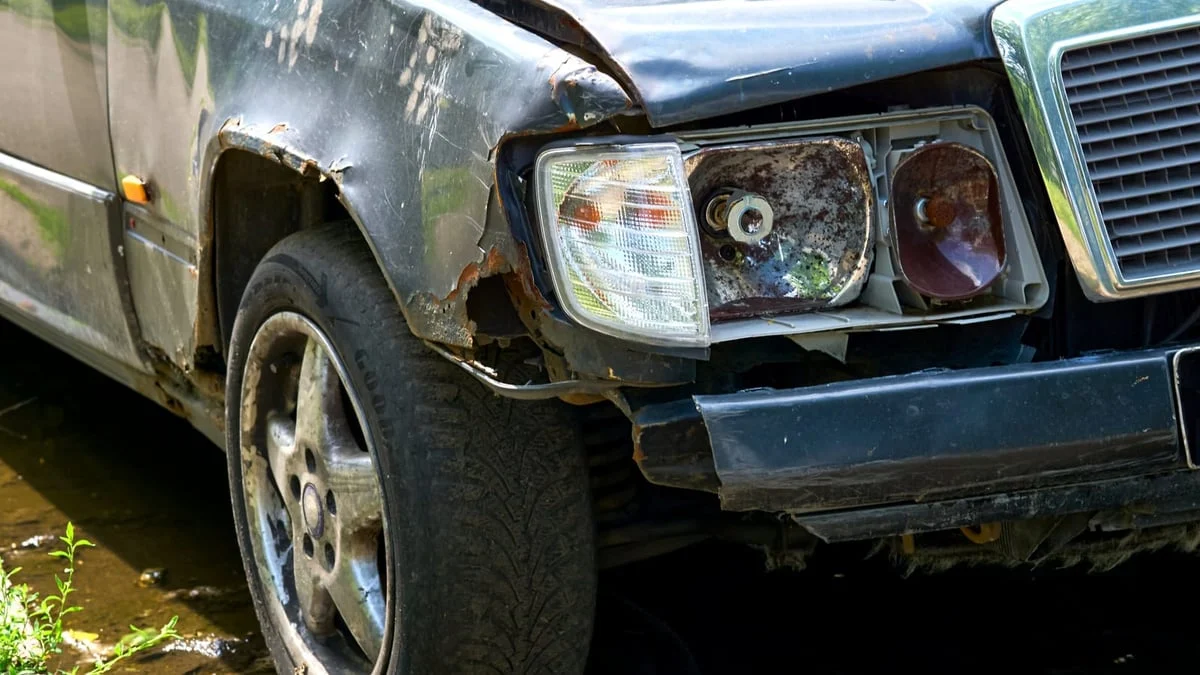
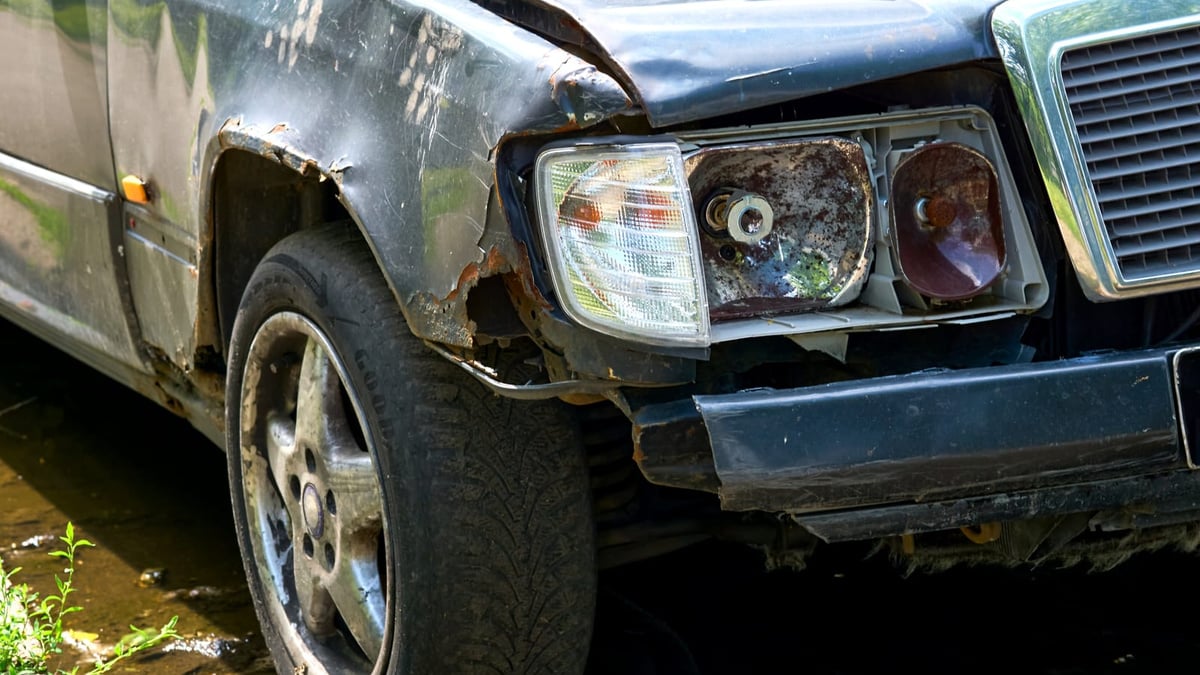
Every year, hundreds of thousands of ageing automobiles vanish from the French automotive landscape, bypassing official recycling channels entirely. Recent data indicates that approximately 300,000 end-of-life vehicles (ELVs) fall into the hands of unauthorized scrap dealers—or worse, organized criminal rings.
While the immediate motivation for motorists is often to shed a broken-down, costly burden without navigating complex bureaucratic hurdles, the consequences of improper disposal extend far beyond a simple convenience. Abandoning a car to an illicit operator triggers severe environmental degradation, lingering administrative liabilities, and dangerous legal vulnerabilities.
To combat this escalating black market, the eco-organization Recycler Mon Véhicule has launched a sweeping national communication campaign. Aimed primarily at rural and peri-urban motorists driving vehicles over a decade old, the initiative seeks to drive traffic toward official channels. Crucially, as the automotive sector transitions toward electrification, these authorized networks have expanded their scope: certified vehicle dismantlers are now fully equipped to process the high-voltage batteries of hybrid and electric vehicles (EVs), ensuring a secure, traceable circular economy for the mobility of tomorrow.
Chronology of the ELV Crisis: From Driveway to Dismantling Yard
Understanding how the end-of-life vehicle market became a breeding ground for fraud requires examining the lifecycle of an unmanaged vehicle breakdown and the systemic gaps that bad actors exploit.
- Phase 1: The Breakdown or Technical Inspection Failure
Typically, a motorist finds themselves facing an immobile vehicle, a prohibitively expensive repair bill, or a definitive failure during the mandatory technical control inspection. Vehicles older than ten years, particularly prevalent among the 7.8 million residents in rural and peri-urban French communities, are the most frequent casualties of this stage. - Phase 2: The Lure of the "Quick Fix"
Faced with towing fees and administrative procedures, vehicle owners encounter unregulated advertisements—ranging from leaflets tucked under windshield wipers to cards pinned to urban street furniture—offering cash "as-is" with no technical control required. - Phase 3: The Handover and Identity Hijacking
Upon transferring the vehicle without a proper official certificate, the owner believes they are free of the asset. In reality, because the registration remains active in national databases, the vehicle is often diverted. Its Vehicle Identification Number (VIN) and registration papers may be used to clone stolen vehicles, or the damaged car might be hastily patched up and illegally thrown back onto secondary roads without safety checks. - Phase 4: Environmental and Legal Aftermath
Unregulated operators frequently dump hazardous fluids—such as used engine oils, brake fluid, and refrigerants—directly into nature. Meanwhile, the original owner continues to receive insurance demands, fines for lack of technical control, or notices regarding civil infractions committed by the vehicle under their still-active registration.
Supporting Data and Scale of the Problem
The numbers surrounding the informal end-of-life vehicle trade highlight a massive systemic challenge for both public safety and environmental regulation.
- 300,000 Vehicles: The estimated annual volume of end-of-life vehicles captured by illicit or uncertified dismantlers in France alone.
- 7.8 Millions Individuals: The demographic target of the new national campaign—specifically, motorists residing in rural and peri-urban zones who tend to hold onto vehicles past the ten-year mark and face unexpected, immobilizing mechanical failures.
- 93 Automotive Brands: The massive coalition of vehicle manufacturers and brands currently grouped under the unified Recycler Mon Véhicule ecosystem, streamlining the path from discard to sustainable deconstruction.
- 2025 Regulatory Milestone: The year Recycler Mon Véhicule secured complementary state approvals to formally incorporate high-voltage electric and hybrid vehicle batteries into the official tracking and recycling stream.
Official Responses and the Push for Safe Recycling
Faced with mounting administrative fraud and ecological hazards, regulatory bodies and industry stakeholders are fighting back through centralized, transparent infrastructure.
The cornerstone of this defense is the official digital routing platform, designed to act as a frictionless single window. This platform connects vehicle owners directly to the nearest authorized VHU (Véhicule Hors d’Usage / End-of-Life Vehicle) center, completely free of charge, regardless of the vehicle’s make or whether it is a car or a two-wheeler.
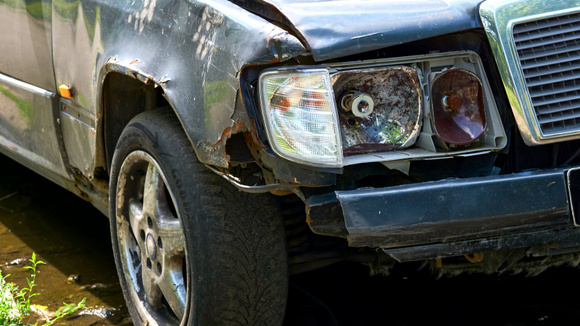
Government and environmental agencies emphasize that proper dismantling is a highly regulated industrial science, not a backyard operation. Legitimate processing requires a strict multi-step protocol:
- Depollution: The immediate extraction and safe containment of hazardous fluids, including waste oils, brake fluid, air-conditioning refrigerants, and residual fuel.
- Reactivation and Part Recovery: The careful removal of safe, reusable mechanical and electronic components to feed the growing second-hand spare parts market.
- Selective Sorting: The meticulous separation of metals, glass, and specialized plastics to ensure maximum reintegration into industrial manufacturing loops, satisfying the stringent environmental targets imposed on manufacturers under Extended Producer Responsibility (EPR) laws.
- Battery Management: Specialized recycling and thermal/chemical processing of high-voltage traction batteries from electric and plug-in hybrid models, preventing toxic heavy metal leakage and recovering critical raw materials like lithium, cobalt, and nickel.
Implications: Legal Nightmares and Environmental Catastrophes
The decision to offload a dead vehicle to an informal intermediary rather than a certified center carries profound legal, financial, and ecological repercussions.
1. The Trap of Continued Legal Liability
A common misconception among motorists is that handing over physical possession of a car severs legal ties. Under French and European law, handing a vehicle over to an unapproved repairer or backyard scrapper does not cancel the liability of the last registered owner on the carte grise (registration document).
Without an official Certificate of Destruction (Certificat de Destruction) issued exclusively by an authorized VHU center, the former owner remains legally responsible. This opens the door to ongoing insurance premiums, penalties for missing technical inspections, and nightmarish complications tied to plate usurpation or criminal investigations if the vehicle is later abandoned on a public highway or used in a crime. Furthermore, vehicle owners must remain vigilant against fake certificates issued by fraudulent operators mimicking official entities.

2. Environmental Devastation
When vehicles are processed in clandestine yards, the ecological safeguards mandated by modern environmental law are completely ignored. Heavy metals, battery acids, toxic coolants, and petroleum byproducts routinely leach into local soil and groundwater. By ensuring vehicles enter authorized networks, society preserves fragile ecosystems from chronic chemical pollution.
3. Fueling the Underground Economy
Informal scrap operators are rarely isolated actors; they frequently serve as logistics nodes for wider criminal networks. By acquiring unrecorded VINs and administrative paperwork, these rings facilitate vehicle cloning operations, traffic in stolen automotive parts, and put unsafe, structural wrecks back onto public roadways.
Conclusion
Getting rid of an old, broken-down car should never be treated as an off-the-grid transaction. The convenience of a quick cash offer from an unverified roadside flyer carries unacceptable risks—ranging from endless administrative lawsuits and financial penalties to severe environmental harm and complicity in organized crime.
By utilizing official, state-sanctioned platforms to route end-of-life vehicles—including modern electric cars and their complex high-voltage batteries—motorists can protect themselves legally, secure their identities, and actively participate in a sustainable circular economy that gives old metal a responsible second life.