

By Didier Ric (Adapted for international publication)
Main Facts: The Reinvention of Hyundai’s Urban SUV
After a remarkably quiet commercial run in the shadow of domestic French heavyweights like the Renault Captur and Peugeot 2008, South Korean automaker Hyundai is plotting a major comeback. The first-generation Hyundai Bayon—launched in the spring of 2001 and given a mild refresh in early 2024—failed to make a lasting impression on European buyers, often blending into the background of an intensely competitive B-SUV market.
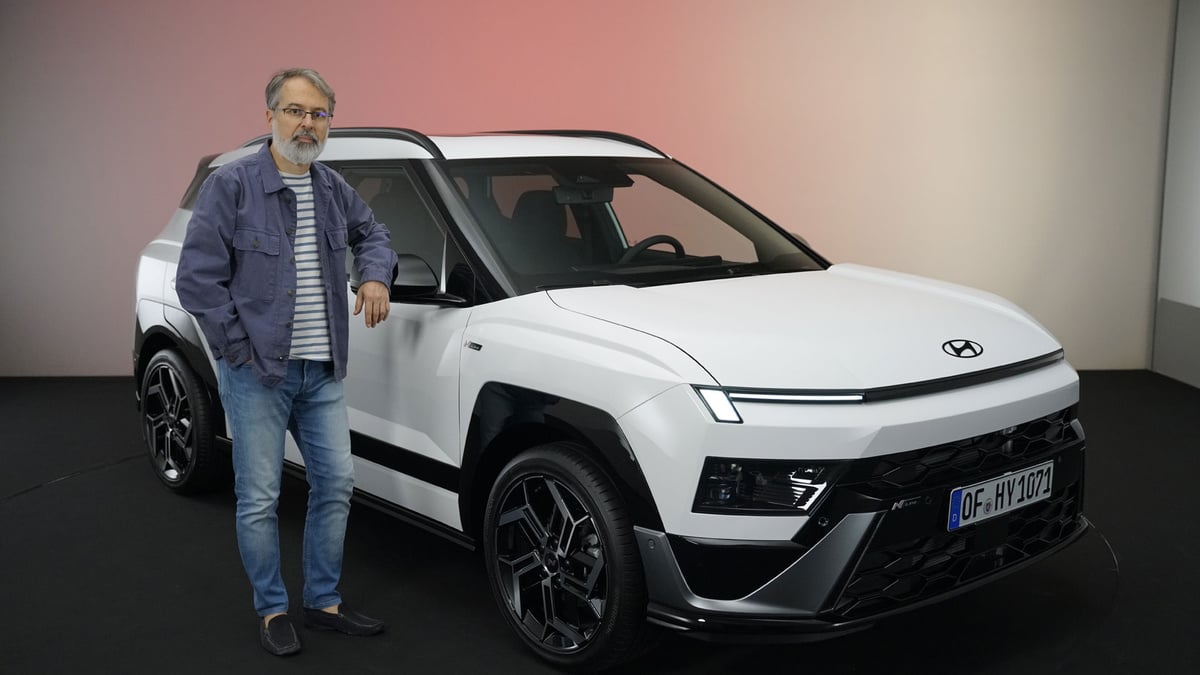
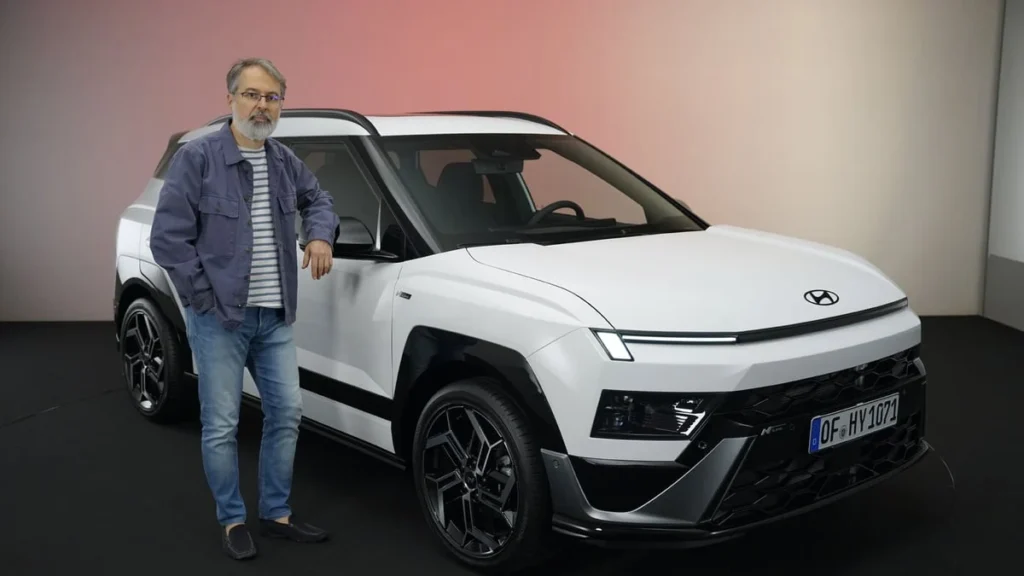
Determined to rewrite its narrative, Hyundai has introduced the completely redesigned, second-generation Hyundai Bayon. The vehicle addresses virtually every shortcoming of its predecessor.
Key highlights of the new Hyundai Bayon include:
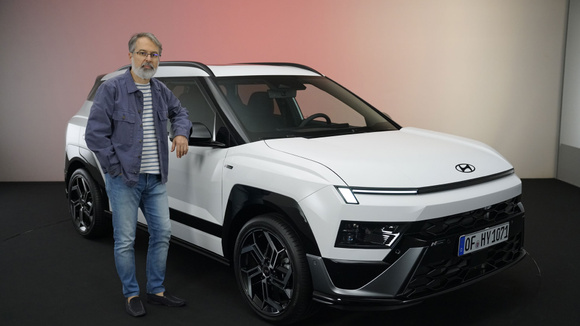
- Enlarged Dimensions: The vehicle has grown by 7 centimeters in overall length, now measuring 4.24 meters, putting it on a level playing field with its primary rivals. Its wheelbase has also been extended by 2 centimeters to improve interior roominess.
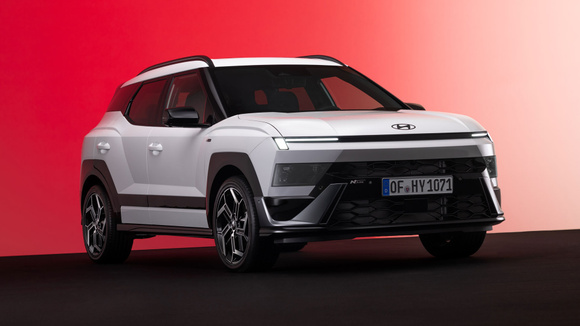
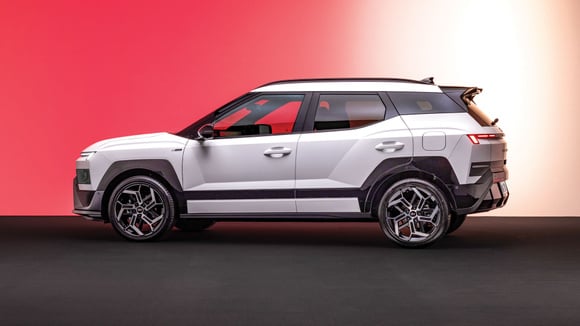
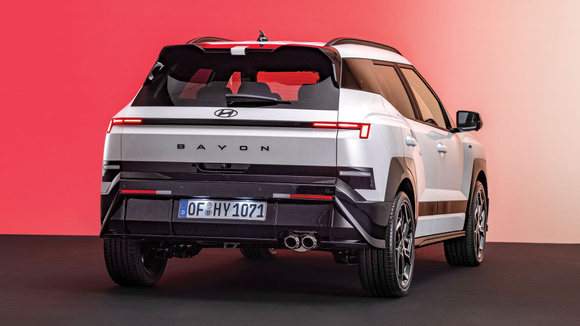
- Overhauled Styling: Borrowing design cues from its larger siblings, the Kona and the Tucson, the new Bayon adopts a much bolder, futuristic aesthetic featuring a prominent full-width LED light bar up front and sculpted rear quarter-panels.
- Electrified Powertrains: Abandoning its reliance on a single 1.0-liter three-cylinder engine, the new lineup introduces a robust 1.6-liter full-hybrid system generating 138 horsepower, alongside refined conventional internal combustion engine (ICE) options.
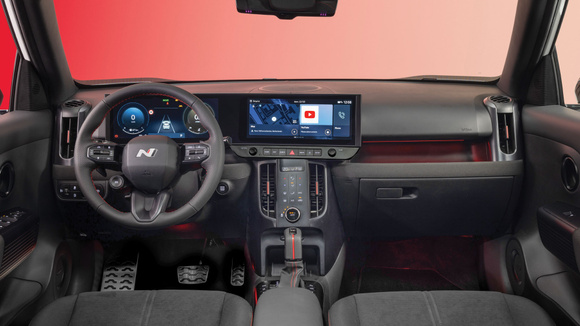
- Cutting-Edge Technology: The cabin receives a massive upgrade, highlighted by a seamless, curved dual-screen digital interface housing two 12.3-inch displays.
- Expanded Cargo Capacity: The boot space grows by 30 liters, bringing standard storage up to 440 liters under the parcel shelf for ICE models.
Chronology: Launch Roadmap and Rollout Strategy
Hyundai has mapped out a staggered commercial rollout for the second-generation Bayon across European markets, carefully timing the introduction of its thermal and electrified variants.
- Spring 2021: The first-generation Hyundai Bayon makes its official market debut, aimed primarily at European buyers looking for a raised, compact crossover based loosely on the i20 platform.
- January 2024: A minor mid-cycle restyling is implemented to keep the vehicle fresh, though it fails to significantly boost market share against entrenched competitors.
- April 2027 (Scheduled): The official commercial launch of the second-generation Hyundai Bayon. Initially, the vehicle will roll out with conventional internal combustion engine (ICE) options—including a mid-tier 1.0-liter T-GDI unit outputting 115 horsepower (and a 90-hp entry-level variant designated for select international markets).
- September 2027 (Scheduled): Exactly one year after the initial thermal rollout, the highly anticipated full-hybrid variant (1.6-liter engine delivering 138 hp) will join the lineup, providing a crucial electrified option to capture eco-conscious buyers and dodge punitive emissions penalties.
Supporting Data: Specifications, Dimensions, and Capacities
To better understand how the second-generation Hyundai Bayon stacks up against both its predecessor and the fierce competition in the B-SUV segment, a breakdown of its technical specifications reveals significant improvements:
Exterior Dimensions and Practicality
- Overall Length: 4.24 meters (an increase of 7 cm compared to the first generation).
- Wheelbase: Extended by 2 cm, directly benefiting rear legroom.
- Boot Volume (ICE versions): 440 liters with all five seats in place (up 30 liters from the previous model).
- Boot Volume (Full-Hybrid version): Restricted to 397 liters due to the spatial requirements of the integrated hybrid battery pack.
Powertrain Hierarchy
- 1.0 T-GDI (90 hp): Entry-level thermal variant (unlikely to be marketed in France due to shifting tax structures and consumer preferences).
- 1.0 T-GDI (115 hp): Core volume seller for the thermal lineup, offering buyers a choice between manual and automatic transmissions (though Hyundai is evaluating whether to drop the manual gearbox entirely for certain Western European markets).
- 1.6 Full-Hybrid (138 hp): The crown jewel of the new lineup, designed to compete directly against segment benchmarks like the Peugeot 2008 Hybrid (145 hp) and the Renault Captur E-Tech Full Hybrid (160 hp).
Interior Technology and Comfort Features
- Infotainment & Instrumentation: Higher trims (such as the sporty N-Line featured in preview releases) boast a curved panoramic display integrating two massive 12.3-inch screens. Entry-level models will feature a more traditional driver’s instrument cluster alongside the standard central touchscreen.
- Segment-Rare Comforts: Depending on the trim level, the Bayon will offer heated rear seats—a rarity in the B-SUV segment—alongside dedicated rear ventilation ducts, a feature typically reserved for larger, more expensive vehicle classes.
- Ergonomics: Rear seat cushions feature a pronounced angle to offer optimal thigh support while maximizing legroom, a clever design philosophy reminiscent of 1990s European city cars. The backrest angle has also been optimized to preserve headroom.
Official Responses and Industry Perspectives
Hyundai’s design and product engineering teams have been candid about the shortcomings of the first-generation Bayon. Recognizing that a conservative exterior design and a limited powertrain strategy held the car back, leadership mandated a radical shift for the vehicle’s sophomore iteration.
According to preliminary briefings provided by Hyundai’s design division, the choice to align the Bayon’s stylistic language with the futuristic cues seen on the Kona, Tucson, and the larger Staria van was deliberate. "On a crowded European playing field, playing it safe is a recipe for obscurity," noted one company product strategist. By injecting muscular body lines, a distinctive light blade across the front fascia, and dynamic rear haunches, Hyundai aims to transform the Bayon from an overlooked alternative into a head-turning stylistic statement.
Furthermore, industry analysts have praised Hyundai’s decision to prioritize a full-hybrid powertrain. While the first-generation model relied solely on micro-hybrid or conventional three-cylinder setups, the arrival of the 138-hp 1.6-liter hybrid in late 2027 places the brand on equal footing with French competitors who have long dominated sales charts through aggressive electrification strategies.
Implications: What the New Bayon Means for the B-SUV Market
The introduction of the second-generation Hyundai Bayon carries substantial implications for both the manufacturer and the broader European automotive landscape.
1. Closing the Gap on Domestic Giants
For years, the Renault Captur and Peugeot 2008 have enjoyed an unassailable stronghold over the French and broader European B-SUV markets. By expanding the Bayon’s physical footprint to 4.24 meters, Hyundai has effectively neutralized the size advantage previously held by its French rivals. Paired with a much more aggressive design language and class-above amenities like rear seat heating and dedicated air vents, Hyundai is signaling that it no longer intends to play the role of a budget-friendly afterthought.
2. Navigating Emissions and Tax Penalties
The strategic delay in launching the full-hybrid variant until September 2027 highlights the complex tightrope automakers must walk regarding European emissions regulations and local taxation. While the initial thermal versions arriving in April 2027 will offer accessible price points, they will face growing financial headwinds from strict carbon penalties (such as France’s sliding scale, where the baseline thermal version faces a minimum penalty of €2,300). Consequently, the 138-hp hybrid variant will ultimately bear the brunt of sales expectations, serving as the clean, penalty-free volume driver for the brand.
3. Elevating Brand Perception Through Tech
By outfitting the new Bayon with dual 12.3-inch curved screens and upscale interior trim options, Hyundai is continuing its aggressive push upmarket. The brand has successfully shed its historic perception as a purely value-driven alternative, pivoting instead toward accessible technological sophistication.
As the launch window approaches in 2027, all eyes will be on how European consumers respond to Hyundai’s renewed assault on the urban SUV segment. If the initial reactions to its sharper design and comprehensive hybrid overhaul are any indication, the second-generation Bayon is more than ready to step out of the shadows.
