

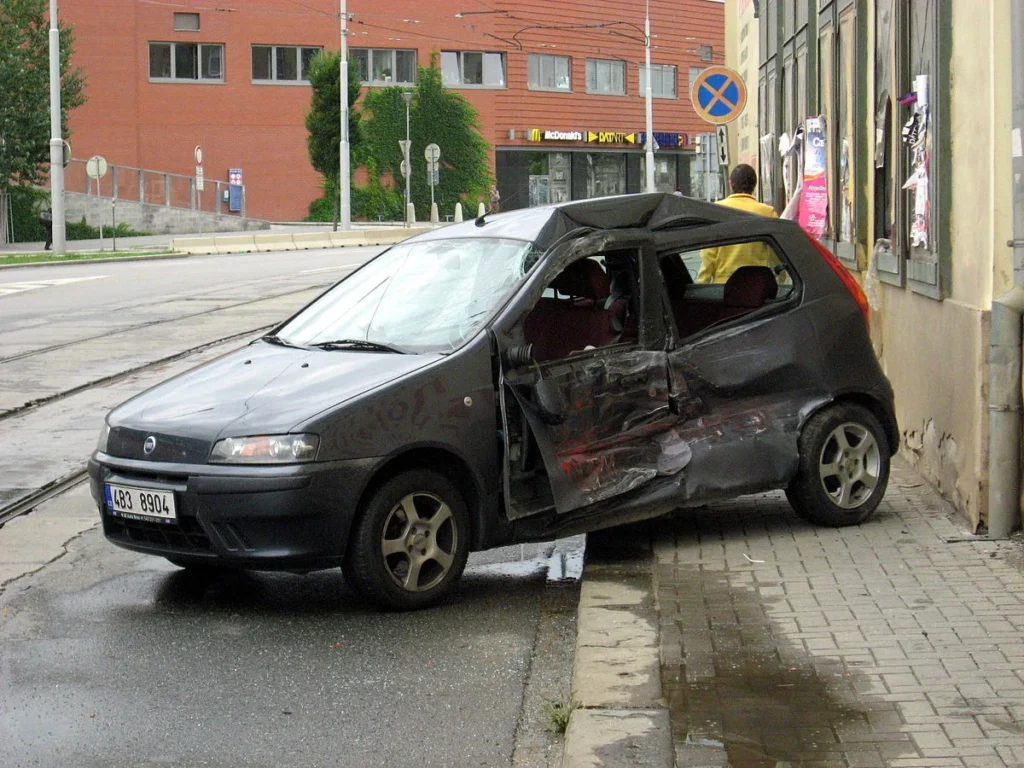
In the modern automotive landscape, the act of purchasing insurance is often relegated to a mundane administrative checkbox—a legal formality required to secure a vehicle registration sticker. However, this perception is a dangerous oversight. Imagine a scenario where you are involved in a high-stakes collision for which you are held liable. Without the appropriate coverage, the financial ripple effects—medical bills, property damages, legal fees, and long-term liabilities—can be nothing short of catastrophic.
Choosing the right auto insurance policy is not merely about meeting the bare minimum requirements of the law; it is a fundamental strategic decision that dictates your financial stability and daily peace of mind. A mismatch between your policy and your actual risk profile can expose you to ruinous out-of-pocket expenses or complex litigation. By evaluating your driving habits, the nature of your vehicle, and your exposure to risk, you can transform insurance from an unwanted expense into a robust pillar of your personal financial security.
The Landscape of Coverage: Understanding the Three Pillars
The insurance market is structured around three primary tiers of protection, each designed to address different levels of risk exposure. Understanding these distinctions is the first step toward informed decision-making.
1. Third-Party Liability (The Legal Foundation)
Often referred to as "the minimum," this coverage acts as the bedrock of your compliance. Its function is narrow but critical: it covers the costs associated with injuries to third parties or damage to their property that you cause in an accident. Crucially, this policy does not cover your own vehicle. If you crash your car, the costs of repairs or replacement remain entirely your responsibility.
2. "Third-Party Extended" (The Balanced Compromise)
This tier bridges the gap between basic liability and comprehensive protection. By adding specific coverage layers—such as theft, fire, and windshield damage (glass breakage)—this policy provides a safety net for common, high-frequency hazards that go beyond simple liability. It is the preferred choice for drivers who want protection for their vehicle against external threats without the premium costs of a full-coverage policy.
3. "Comprehensive" / "Full Coverage" (The Exhaustive Shield)
Representing the pinnacle of protection, a full-coverage policy provides a holistic safety net. It covers damages to your own vehicle regardless of who is at fault, including single-car accidents, vandalism, and other unpredictable events. For owners of new or high-value vehicles, this is not merely an option—it is a necessity to protect their capital investment.
Chronology of Risk: Why Your Profile Changes Over Time
Insurance needs are not static; they evolve in tandem with your life stages. A comprehensive insurance strategy requires regular "check-ups" to ensure that your coverage aligns with your current reality.
- The Novice Stage: Young drivers, often burdened by higher premiums due to perceived risk, frequently gravitate toward third-party policies. This is often a pragmatic choice for older, low-value vehicles where the cost of premiums might quickly exceed the vehicle’s market value.
- The Mid-Career Pivot: As professionals upgrade their vehicles and increase their annual mileage, the "Third-Party Extended" option often becomes the sweet spot. During this phase, individuals are more likely to have assets that need protecting, making the inclusion of legal and fire/theft coverage highly advisable.
- The Asset Protection Phase: For those driving high-end, late-model vehicles, the "Full Coverage" mandate becomes clear. The cost of a total loss or significant repair can be financially devastating, making the monthly premium a small price to pay for institutionalized peace of mind.
Supporting Data: The Anatomy of a Decision
To make an objective choice, one must look beyond the premium price tag. Professional insurance experts suggest evaluating four critical data points before signing a contract:
- The Bonus-Malus Coefficient: This system is the most powerful tool in your insurance arsenal. A consistent history of accident-free driving lowers your coefficient, which in turn grants you the flexibility to secure higher levels of coverage for a fraction of the cost.
- Usage Frequency: Data shows that there is a direct correlation between time spent on the road and incident probability. A vehicle used for daily, high-stress professional commuting requires a fundamentally different insurance strategy than a weekend-only "leisure" car.
- Deductibles (Franchises): A common mistake is to ignore the deductible. A lower monthly premium is often achieved by increasing the deductible—the amount you pay out-of-pocket before insurance kicks in. If your financial liquidity is low, a high-deductible policy can be a trap.
- Coverage Ceilings: Always scrutinize the maximum payout limits. In severe liability cases, the costs can easily exceed standard policy limits, leaving the driver personally liable for the remainder.
Official Perspectives: The Regulatory and Industry Stance
Industry experts emphasize that the "best" policy is not necessarily the cheapest one. Regulatory bodies often remind consumers that insurance companies utilize complex actuarial models to price risk. When you seek a quote, the insurance company is essentially assessing your statistical likelihood of filing a claim.
Insurance providers argue that the biggest mistake consumers make is "under-insuring." By opting for the cheapest possible policy, a consumer may save a few hundred dollars annually but risk losing tens of thousands in the event of a significant accident. The industry consensus is clear: insurance should be viewed as a hedge against catastrophic loss, not a retail product to be haggled down to the lowest possible price regardless of coverage quality.
Implications of Strategic Insurance Management
The consequences of neglecting a professional approach to insurance are far-reaching.
Financial Implications
A well-structured insurance policy prevents the sudden depletion of savings. When you factor in the rising costs of vehicle parts, labor, and medical services, the financial gap between a minimal policy and a robust one is often narrower than perceived.
Legal Implications
Comprehensive coverage often includes legal defense and representation, which can be invaluable. In the event of a dispute, having a legal team funded by your insurer to navigate the complexities of traffic law is a protection that cannot be overstated.
The "Peace of Mind" Dividend
The psychological value of knowing that your assets, your health, and your legal standing are protected is the ultimate goal. When you are adequately covered, you drive with a level of focus and confidence that is impossible when you are worried about the potential financial ruin of a fender-bender.
Conclusion: How to Conduct Your Own Audit
To find the optimal balance between cost and coverage, follow this systematic approach:
- Audit Your Needs: Assess the market value of your vehicle and your personal assets. If you have significant assets to protect, increase your liability limits.
- Use Digital Tools: Utilize online simulation tools provided by reputable insurers. These tools allow you to toggle between different coverage levels and see the immediate impact on your premium.
- Read the "Fine Print": Never base a decision on the summary page alone. Review the exclusions, the specific conditions of "glass breakage" coverage, and the terms of roadside assistance.
- Seek Complementary Protections: Evaluate the value of extras like "new for old" replacement, specialized legal aid, or vehicle loaner programs. These are often the features that prove most useful in the heat of a crisis.
Ultimately, your auto insurance policy is a reflection of how you manage risk. By transitioning from a passive purchaser to an active, informed consumer, you ensure that your vehicle remains a tool for freedom rather than a potential source of financial instability. Take the time today to review your policy—because when the unexpected happens, the quality of your decision-making will be the only thing standing between a minor inconvenience and a life-altering event.
