Introduction: A High-Stakes Appearance
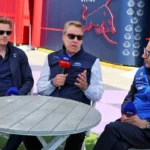
On October 24, 2026, the automotive world witnessed an unprecedented convergence of industrial ambition and political theater. At a campaign rally in Perry, Georgia, Audi CEO Gernot Döllner stood shoulder-to-shoulder with U.S. President Donald Trump to announce a monumental $4 billion investment: the construction of Audi’s first-ever dedicated vehicle manufacturing plant on American soil.
While the prospect of producing 200,000 SUVs annually and creating 4,500 jobs in the United States was framed as a victory for Audi’s expansion strategy, the optics of the event triggered an immediate firestorm. By appearing alongside the President just ten days before the pivotal U.S. midterm elections, Döllner inadvertently thrust the German luxury brand into the center of a heated domestic political battle, sparking a mutiny within the ranks of his own parent company, Volkswagen.
1. The Anatomy of the Controversy: A Chronology of Events
The narrative of this crisis is rooted in the intersection of long-term industrial strategy and short-term political volatility.
- October 24, 2026: Donald Trump holds a high-profile campaign rally in Georgia. During the event, he invites Gernot Döllner to the stage. Döllner publicly thanks the President for his support regarding the proposed $4 billion investment near Macon, Georgia.
- October 25, 2026: The immediate fallout begins. Labor representatives from Volkswagen, led by Daniela Cavallo, issue sharp rebukes, citing the violation of the company’s strict political neutrality guidelines.
- October 26, 2026: Internal memos circulate within Volkswagen Group. It is revealed that while Audi’s internal policies generally prohibit executives from appearing with political candidates within three months of an election, an exception had been carved out for this specific event—a decision allegedly known to Volkswagen Group CEO Oliver Blume.
- October 27, 2026: The controversy intensifies as the powerful German labor union, IG Metall, joins the chorus of criticism, labeling the move "politically unacceptable."
2. The Economic Imperative: Why Audi Needs America
To understand why Döllner risked such a public backlash, one must look at the cold, hard numbers driving Audi’s North American strategy.
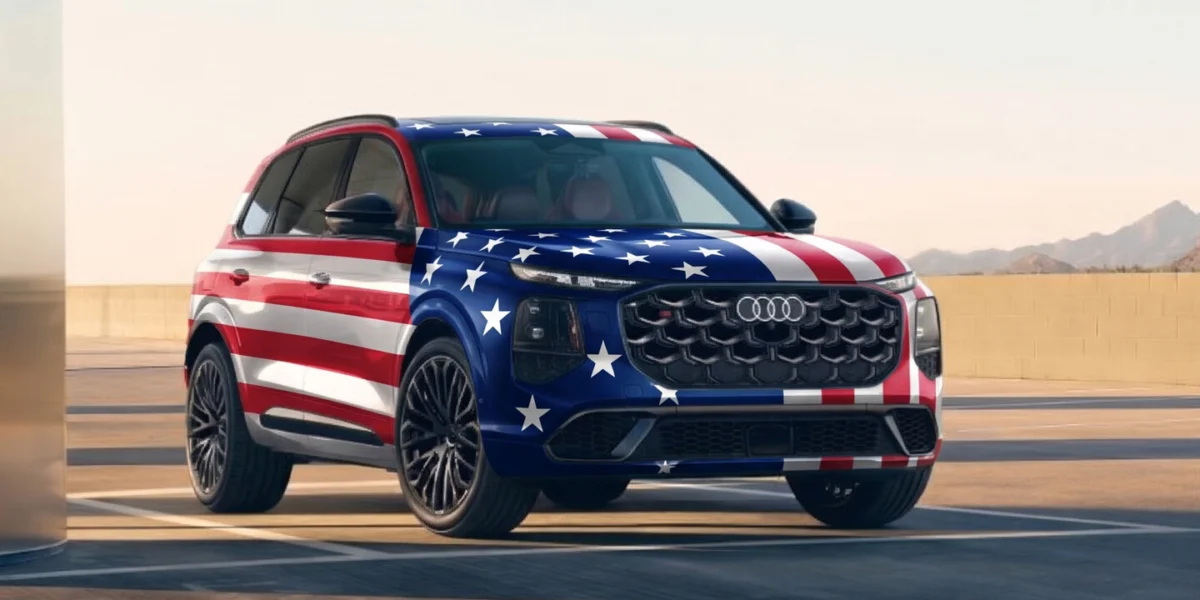
For years, Audi has operated as an outlier among its premium German peers, such as Mercedes-Benz and BMW, by not having a localized production footprint in the United States. This dependency on European manufacturing has left the company highly vulnerable to shifting trade winds and protectionist fiscal policies.
The Cost of Importation
Data indicates that last year alone, Audi incurred approximately €1.2 billion in tariffs and import-related costs to supply the American market. As the U.S. government—under both Republican and Democratic administrations—has leaned toward "America First" policies and localized production mandates, these costs have become increasingly unsustainable.
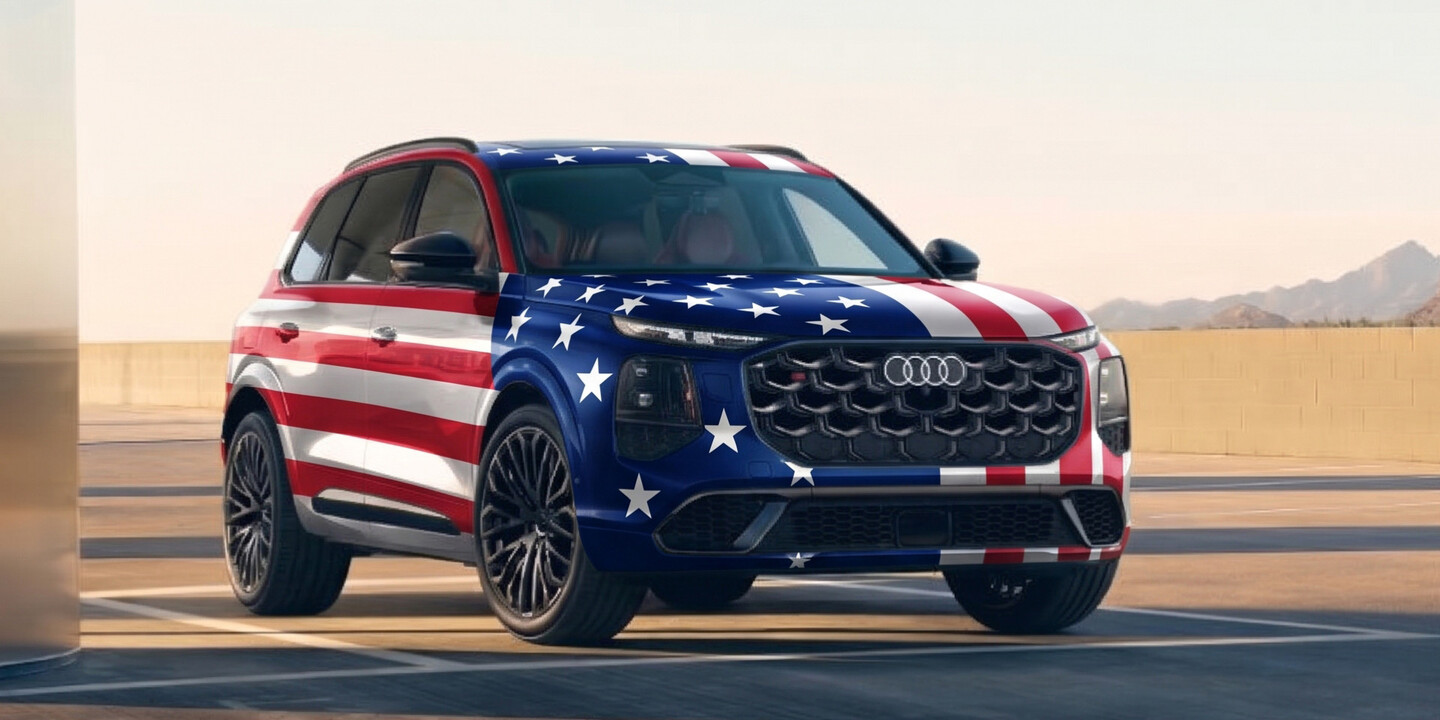
By establishing a plant near Macon, Audi intends to:
- Eliminate Tariff Exposure: By manufacturing locally, Audi avoids the punitive duties imposed on imported luxury vehicles.
- Optimize Logistics: Shortening the supply chain reduces carbon footprints and shipping times, essential for maintaining competitiveness in the fast-moving SUV segment.
- Market Agility: Local production allows the brand to react more quickly to the specific demands of the American consumer, who currently favors high-margin, large-format SUVs.
3. The Union Backlash: A Clash of Values and Timing
The reaction from the Volkswagen Group Works Council, headed by the formidable Daniela Cavallo, has been swift and unforgiving. The criticism is twofold: moral and procedural.
The Allegation of Partisanship
Cavallo has been vocal in her condemnation of Döllner’s appearance, arguing that it compromises the company’s neutral status. She asserts that by sharing a stage with a candidate known for polarizing rhetoric, the Audi CEO inadvertently associated the entire Volkswagen Group with views that contradict the company’s internal values—specifically regarding inclusivity, democracy, and social responsibility.
The Violation of Corporate Governance
Internal policy at Audi is explicit: representatives are prohibited from participating in campaign events of political candidates within the 90-day window preceding an election. The fact that this rule was bypassed has raised serious questions about the "exception" process. Critics argue that the decision-making process lacked transparency and ignored the potential reputational damage to the brand in its home market, where political polarization is viewed with great caution.
4. Institutional Implications: The Tug-of-War at the Top
The rift between the board and the labor representatives is not merely a personality clash; it is a fundamental disagreement over the governance of the Volkswagen Group.
The Role of the Works Council
In Germany’s co-determination model, labor representatives hold significant power on the supervisory board. They are not mere observers; they are stakeholders with the authority to influence major capital expenditure projects. Since the construction of the Georgia plant requires final board approval, the current political fallout gives the Works Council a potent bargaining chip.
The Position of the Group CEO
Oliver Blume, the CEO of Volkswagen Group, finds himself in a precarious position. By allegedly sanctioning the exception for Döllner, Blume has inadvertently invited the wrath of the unions onto himself. He must now balance the need for global expansion against the need for domestic labor stability. If he fails to appease the unions, the Georgia project—a cornerstone of Audi’s future—could face indefinite delays or total cancellation.
5. The Broader Context: Restructuring Amidst Stagnation
The controversy is further inflamed by the current state of the German automotive industry. Volkswagen is currently undergoing a painful and controversial restructuring process. Employees in Germany are facing the prospect of job losses, site closures, and reduced benefits as the company struggles to pivot toward electrification and cope with sagging sales in China.
The Perception Problem
For a German worker facing potential redundancy, seeing a €4 billion investment diverted to the United States feels like a betrayal. The optics of the Audi-Trump meeting created a narrative of "capital flight"—the idea that the company is abandoning its domestic workforce to court a foreign political leader.
While the economics of producing in the U.S. are sound, the timing of the announcement has been disastrous. It has transformed a logical business decision into a symbol of corporate callousness.
6. Looking Ahead: The Uncertain Future of the Georgia Plant
Despite the pomp and circumstance of the October rally, the future of the Audi plant in Georgia remains far from guaranteed.
The Political Horizon
A critical element of this saga is the long-term timeline. The proposed facility is not expected to be operational until the early 2030s. This creates a "political mismatch" where the industrial benefits of the project will not be realized until long after the current administration has left office. If the U.S. political landscape shifts in the coming years, the trade incentives that encouraged Audi to make this move may vanish, leaving the company with a multi-billion-dollar facility and no clear regulatory advantage.

The Path Forward
To move forward, Audi and the Volkswagen Group must navigate a narrow path:
- Rebuilding Trust: Management must engage in a transparent dialogue with the Works Council to explain how this investment does not come at the expense of German jobs.
- Clarifying Neutrality: The board must revisit its internal protocols regarding political appearances to ensure that "exceptions" are not granted for partisan campaign events in the future.
- Securing Consensus: Ultimately, the project will need to be framed not as a political alliance, but as an essential survival tactic for the brand in the world’s most competitive automotive market.
Conclusion
The Audi-Trump controversy serves as a stark reminder of the complexities of global corporate leadership in the 21st century. In an era where CEOs are increasingly expected to take stands on social issues, the line between "business diplomacy" and "political partisanship" has become dangerously blurred.
Gernot Döllner sought to secure a future for Audi in the American heartland, but in doing so, he ignited a firestorm that threatens the very cohesion of the Volkswagen Group. Whether this $4 billion project survives the board room and the assembly line will depend on whether leadership can prove that the investment is truly about the future of the brand—and not about the political fortunes of any one individual.