

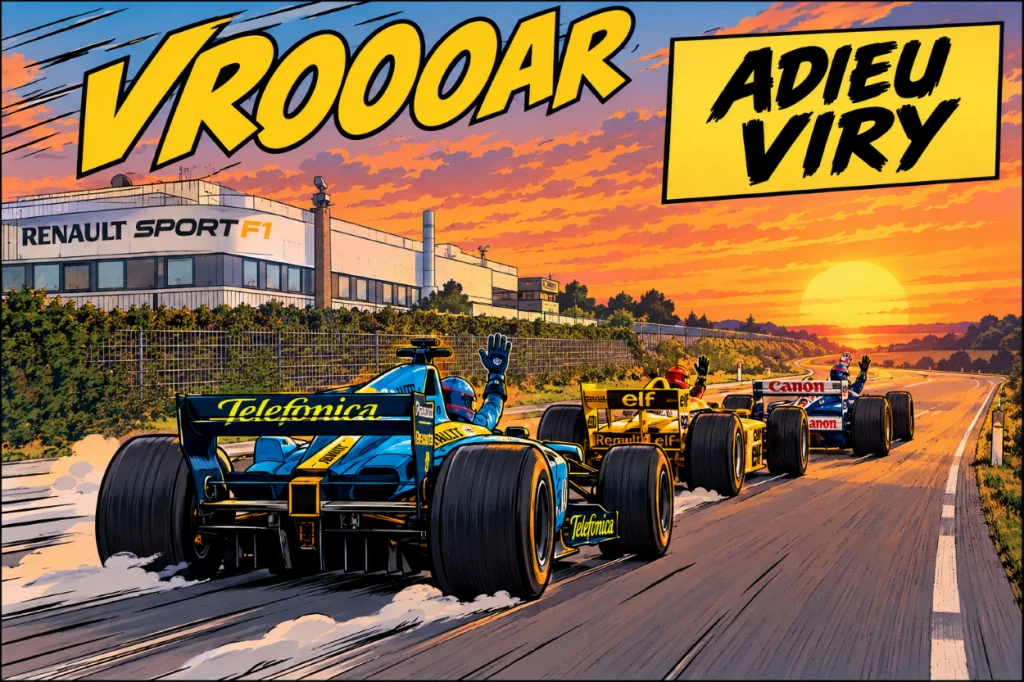
Introduction: The Sunset of a French Motorsport Icon
For decades, the name "Viry-Châtillon" has been synonymous with the pinnacle of French automotive engineering. Nestled in the Essonne department south of Paris, the site has served as the heartbeat of Renault’s racing ambitions since 1969. However, the landscape of global motorsport has shifted irrevocably. Following the late 2024 announcement that Renault would cease its Formula 1 engine development program, the future of the historic facility—long considered the cradle of the brand’s "Losange" (diamond) racing heritage—was cast into uncertainty.
The ambitious "Hypertech Alpine" project, championed by former CEO Luca de Meo, failed to materialize as a sustainable path forward. Consequently, the only logical conclusion for Renault Group was the divestment of its specialized racing subsidiary, Alpine Racing SAS. In a move that marks a definitive closing of a chapter, the facility is now passing under Belgian ownership.
The Acquisition: A New Chapter with the Dumarey Group
Renault Group has confirmed that it has reached a definitive agreement to sell Alpine Racing SAS to the Belgian-based Dumarey Group. This acquisition represents a strategic pivot for the Belgian firm, which is a renowned specialist in propulsion technologies, engine development, energy storage systems, and advanced engineering solutions for the automotive industry.
By acquiring the Viry-Châtillon site, the Dumarey Group is not merely purchasing hardware; they are acquiring a "crown jewel" of motorsport engineering. The site brings with it one of the most decorated legacies in the history of Formula 1. Crucially, the agreement includes a commitment to the site’s human capital: the project aims to secure all 150 current jobs, preserving the specialized skills and the high-tech infrastructure that have been cultivated over half a century.
Official Statements
Guido Dumarey, President and Founder of the Dumarey Group, expressed optimism regarding the transition: "The Viry-Châtillon site has forged a formidable reputation in cutting-edge engineering and innovation. We see immense potential in combining these highly qualified teams and their technical capabilities with the entrepreneurial culture and industrial diversity of the Dumarey Group. Our goal is to preserve and further develop this exceptional engineering expertise while fostering new avenues for growth."
The acquisition, which was presented to the Alpine Racing SAS Social and Economic Committee (CSE) on October 22, 2026, is currently undergoing the standard legal information-consultation processes and awaits final regulatory approval.
A Chronology of a French Motorsport Saga
To understand the gravity of this sale, one must look at the timeline of the "Sorcier" (the wizard) of mechanics, Amédée Gordini, who first established the site in 1969.
- 1976: Renault Sport officially takes over the site, setting the stage for a revolution.
- 1977: The introduction of the Renault Turbo engine in Formula 1 changes the sport forever.
- 1979: The legendary victory at Dijon with Jean-Pierre Jabouille marks the first win for a turbocharged engine in F1.
- 1980s: A period of dominance with Alain Prost and René Arnoux, followed by a temporary withdrawal in 1986.
- 1989–1997: The return to the V10 era brings titles with Williams and Benetton, cementing Viry’s status as a powerhouse.
- 2002–2006: After a brief hiatus, Renault returns as a factory team, culminating in consecutive world titles for Fernando Alonso.
- 2010–2013: Renault Viry powers Red Bull Racing and Sebastian Vettel to four consecutive world championships.
- 2014–2024: The hybrid era proves to be the undoing of the French engine. Despite the rebranding to Alpine in 2021 and Esteban Ocon’s emotional victory in Hungary, the team struggled with management instability and a power deficit compared to Mercedes, Ferrari, and Honda.
Implications: The "French" Identity in Modern Motorsport
The sale of the Viry facility has sparked a broader debate about the decline of French industrial influence in global motorsport. For many, this divestment is a symptomatic reflection of the wider challenges facing the European automotive sector—specifically the transition to electrification, the intense pressure from Chinese competitors, and the burden of increasingly stringent regulatory standards.
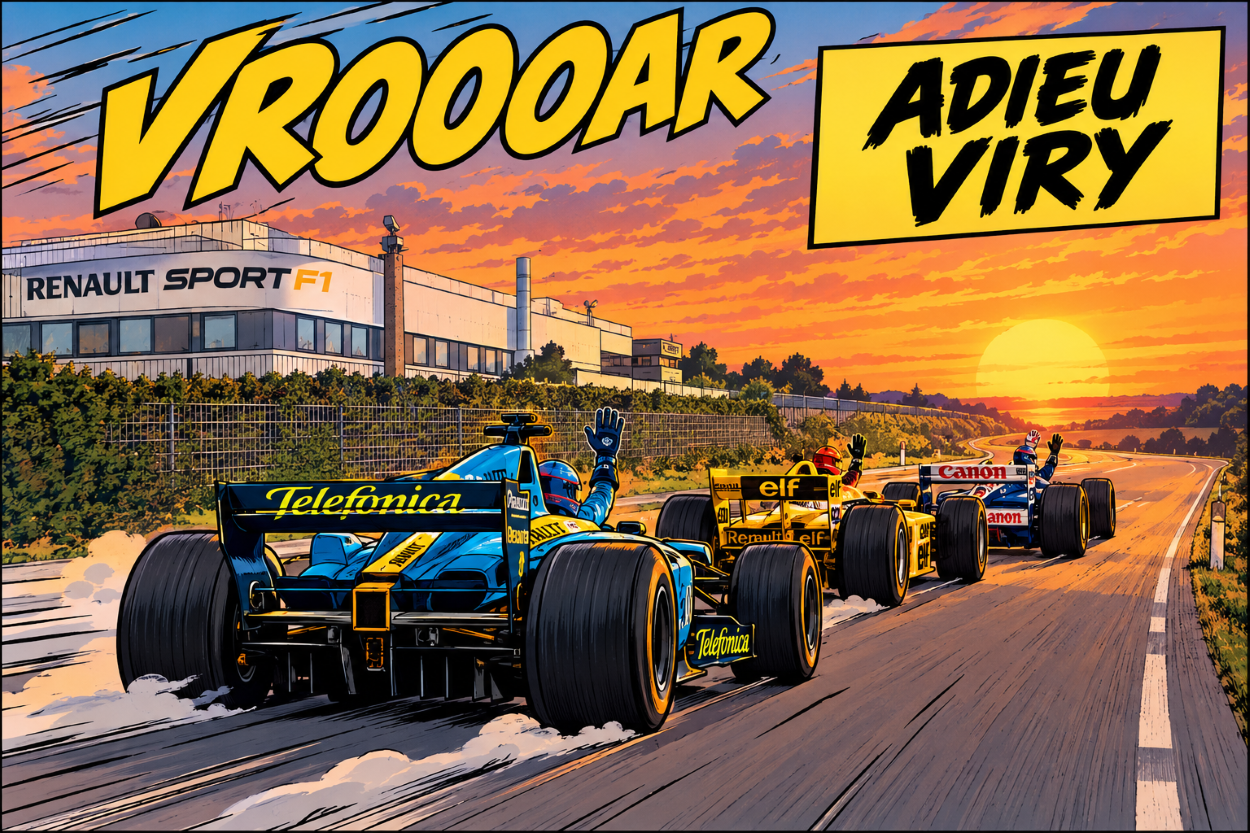
The Erosion of National Identity
While other manufacturers have faced similar pressures, the departure of the Renault engine is particularly poignant. In the 1990s, the Renault V10 was the gold standard; in the 2000s, PSA (Peugeot) dominated rallying and Le Mans. Today, the landscape is starkly different. Peugeot remains the sole standard-bearer for French endurance, while Alpine’s withdrawal from the WEC at the end of the current season leaves a void.
In Formula 1, while the name "Alpine" remains on the grid, the reality is that the heart of the car is now split: the chassis is manufactured in Enstone, England, while the power unit is sourced from Mercedes in Brackley, Germany. The French savoir-faire in high-performance engines has lost its iconic home.
Future Outlook: Is the Alpine F1 Team Next?
The ripple effects of the Viry-Châtillon sale have naturally turned attention toward the future of the Alpine F1 team itself. Renault CEO François Provost has been vocal about the financial burden of the racing program, demanding a higher return on investment and tangible performance improvements.
Given that the current leadership is not traditionally associated with a passion for motorsport, market analysts suggest that the sale of the engine division could be a precursor to a total divestment. If the Alpine F1 team does not deliver significantly improved results under the current management of Flavio Briatore, it is highly plausible that the team itself could be put on the market.
Conclusion: A Legacy Beyond the Sale
While the doors at Viry-Châtillon will soon open under the banner of the Dumarey Group, the spirit of the site remains etched in the annals of automotive history. From the early days of the turbo revolution to the dominance of the V10 era, the engineers at Viry proved that France could compete with—and beat—the best in the world.
The transition to a new owner is a pragmatic response to a changing economic reality, but it serves as a stark reminder that in the high-stakes world of Formula 1, heritage does not guarantee immunity from the bottom line. As the workforce pivots toward new engineering challenges under the Dumarey umbrella, the motorsport world watches with a mix of nostalgia and curiosity, wondering if this marks the end of an era or merely a painful evolution for one of the most storied names in the sport.
Written by editorial staff at Le Blog Auto, with historical insights provided by Nicolas Anderbegani.
