

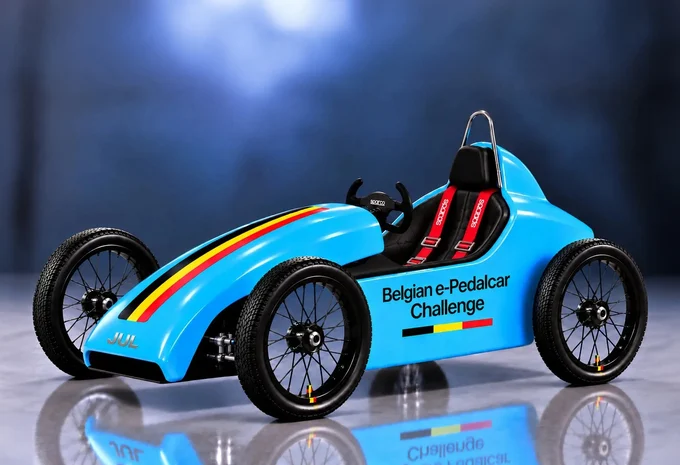
For generations, the "cuistax"—the humble, four-wheeled pedal kart—has been the quintessential symbol of the Belgian coastline. From the bustling promenades of Knokke to the breezy dykes of Ostend and Nieuport, these mechanical curiosities have provided family entertainment for nearly a century. However, as 2027 marks the centenary of this beloved Belgian invention, a revolutionary project is set to transform the seaside toy into a high-performance electric racing machine.
Meet the JUL e-Pedalcar, a fusion of heritage, cutting-edge engineering, and motorsport ambition that promises to redefine the boundaries between cycling and automotive competition.
1. Main Facts: The Genesis of a High-Tech Heritage
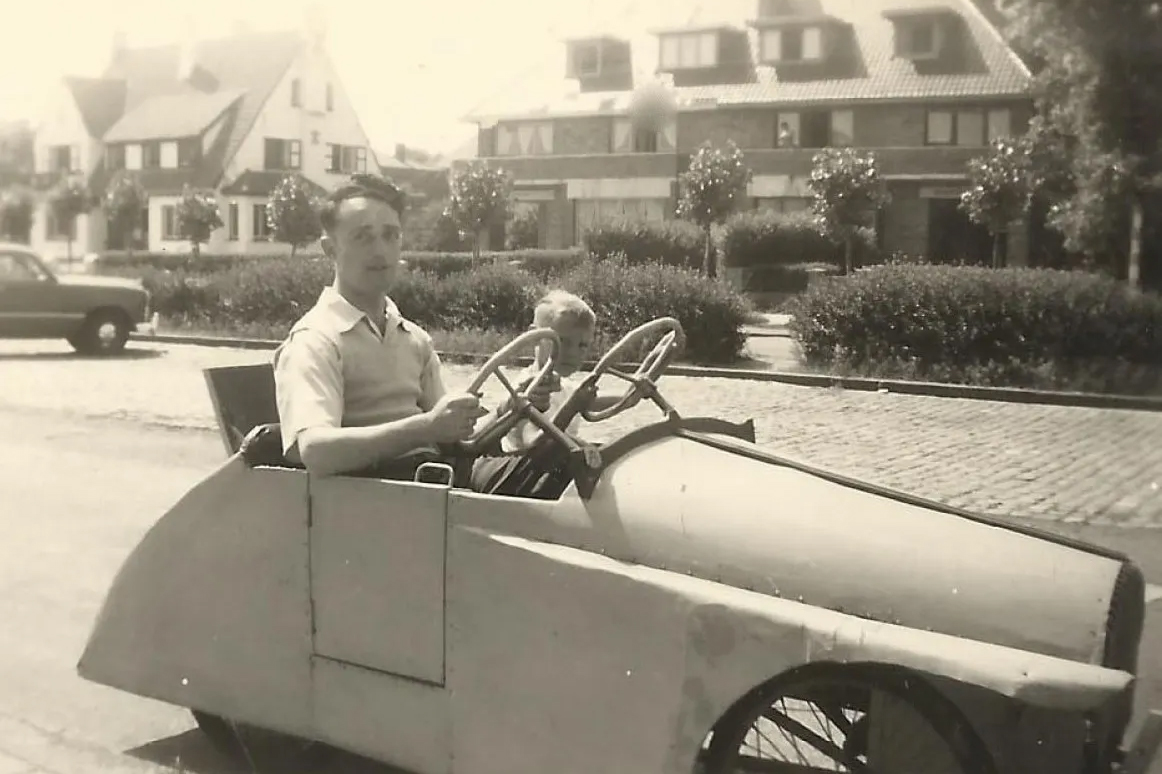
The JUL project is not merely an attempt to modernize a child’s toy; it is a serious engineering endeavor birthed from the pedigree of professional motorsport. The project was spearheaded by Pascal Witmeur, a veteran racing driver with notable appearances at the prestigious 24 Hours of Le Mans and the 24 Hours of Spa. Alongside entrepreneur Philippe Quatennens and engineer Bernard Maerevoet, Witmeur sought to honor the legacy of Richard Proot, the man credited with constructing the first Belgian "cuistax" in Bruges in 1927.
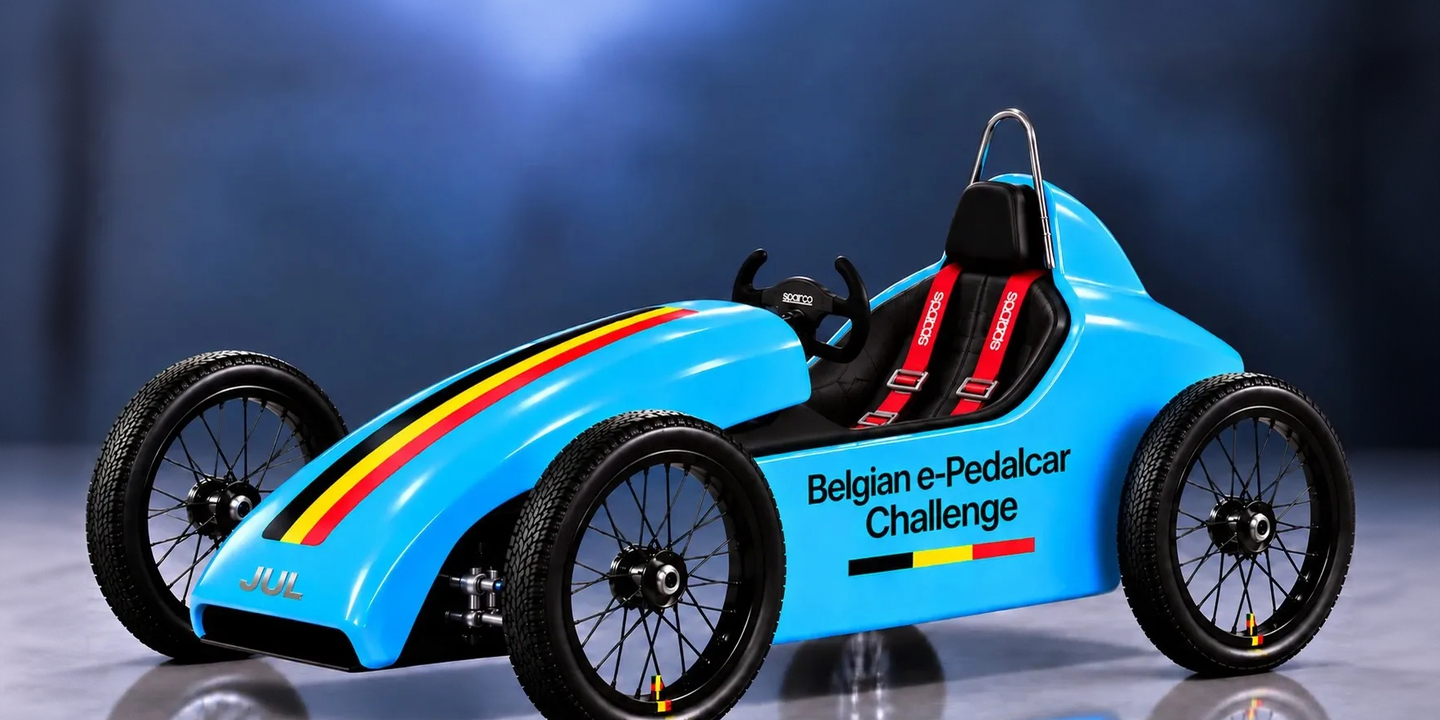
The JUL is designed as a contemporary, performance-oriented vehicle. While it pays homage to its roots, the machine is a feat of modern manufacturing. Produced in Oostkamp by Qarts—a firm renowned for specialized quadricycles and cargo bikes—the JUL features a sleek, aerodynamic body designed by Peter Meyskens. Perhaps most impressively, the prototype’s bodywork was created using advanced 3D printing technology, a process requiring over 400 hours of intricate manufacturing to achieve its race-ready profile. Beneath the skin lies a sophisticated chassis equipped with a fully functional suspension system, signaling that the JUL is a serious machine built for speed and endurance, not just casual seaside leisurely cruising.
2. Chronology: From the 1927 Beach Cruiser to the 2027 e-Grand Prix
To understand the significance of the JUL, one must look at the timeline of the Belgian pedal-kart culture:
- 1927: Richard Proot constructs the first recorded cuistax in Bruges, launching a cultural phenomenon that would define the Belgian seaside experience for the next century.
- 2025–2026: Development phase for the JUL project. The team focuses on merging human input with electric assistance, utilizing the proprietary PERS (Pedal-Electric Regenerative System).
- October 2026: The official unveiling of the project, generating significant buzz among motorsport enthusiasts and engineering circles.
- 2027: The centenary year. The JUL enters production with an initial run of 25 bespoke units, marking the beginning of the Belgian e-Pedalcar Challenge.
- Late 2027: Scheduled debut of the three-round Grand Prix series, encompassing historic and iconic locations across Belgium.
3. Supporting Data: The Mechanics of Motion
The most striking innovation of the JUL is the total abandonment of the traditional bicycle chain. In its place, the team has implemented the PERS system, developed by French innovator CIXI. This technology electronically converts pedal input into electricity. This "human-generated" energy is then combined with power from a high-capacity battery to drive the electric motor.
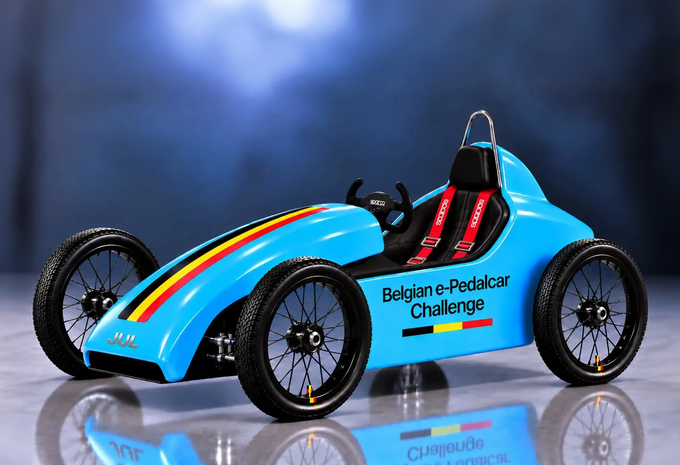
Technical Specifications:
- Power Output: 3.5 kW continuous, with a peak performance of 6.5 kW.
- Torque: 480 Nm, allowing for aggressive acceleration.
- Acceleration: 0 to 25 km/h in a mere 2.8 seconds.
- Top Speed: Exceeding 50 km/h.
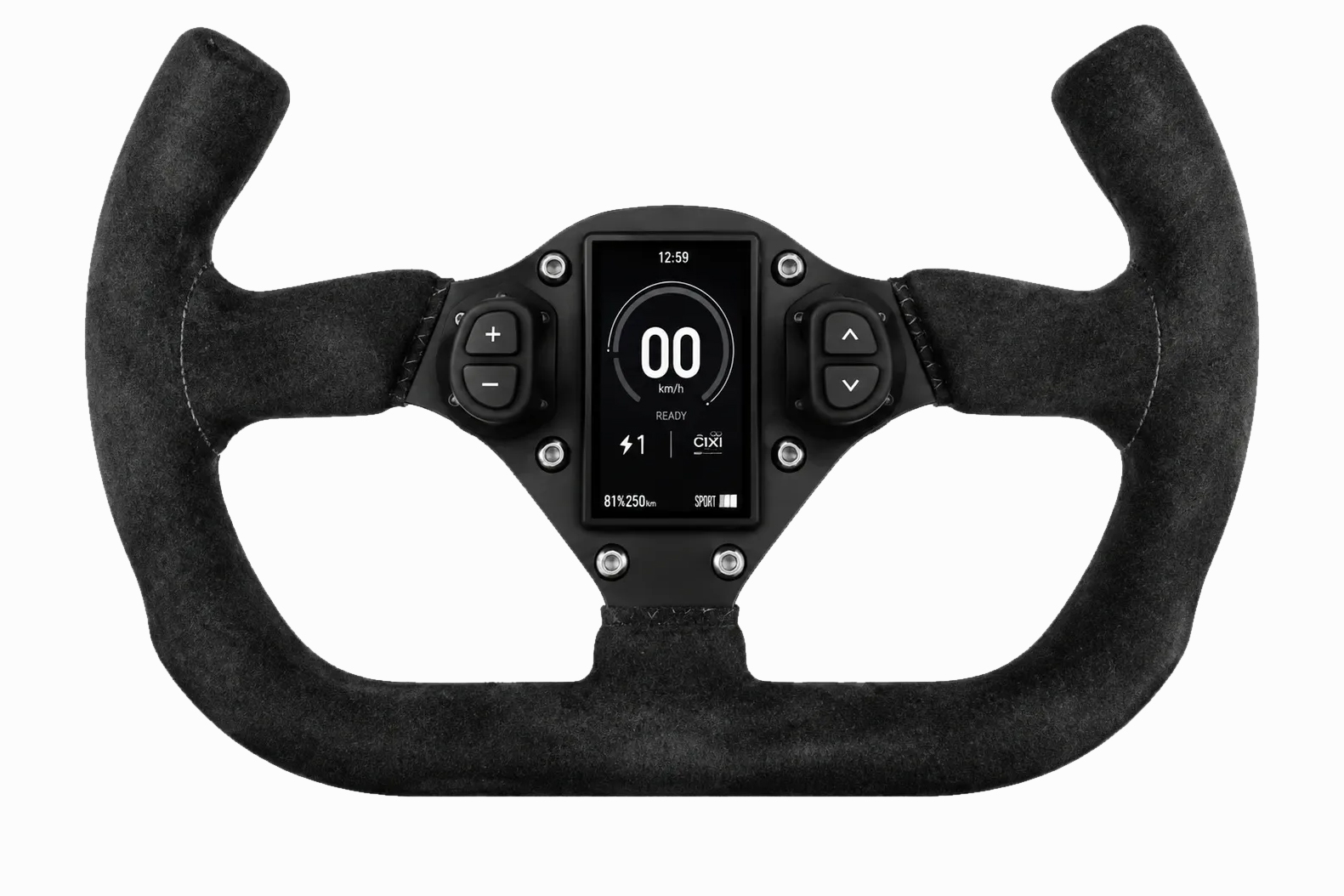
- Interface: A steering-wheel-mounted digital display provides real-time telemetry, including battery state-of-charge, speed, and pedal-assistance levels.
The vehicle also features regenerative braking, allowing drivers to harvest energy during deceleration, which is crucial for long-distance endurance events. Furthermore, the modular battery design allows for rapid swapping during race pit stops, mirroring the high-intensity strategic nature of professional endurance racing.
4. Official Responses and Design Philosophy
The creators of the JUL are adamant that this is not a "plug-and-play" electric kart. The core philosophy of the project is to keep the human athlete at the center of the experience.
"We wanted to ensure that the competition remains a test of the pilot’s physical prowess and strategic intelligence," says the development team. Unlike standard electric karts where the driver simply manages the throttle, the JUL requires the driver to "earn" their speed. By removing the chain and relying on the PERS system, the speed of the vehicle is directly proportional to the effort exerted by the cyclist.
This creates a fascinating strategic layer. If a driver pushes for maximum electric assistance, they risk draining their battery reserves too early in a race. Conversely, those who manage their energy output efficiently—balancing physical pedaling with the motor’s support—will likely hold the advantage in the final laps of an endurance race. The design team has successfully bridged the gap between a bicycle and a race car, creating a new niche: the e-Pedalcar Athlete.
5. Implications: The Belgian e-Pedalcar Challenge
The launch of the JUL is timed perfectly with the inaugural Belgian e-Pedalcar Challenge. This competition is designed to be a high-stakes, professional-grade racing series. With a provisional calendar featuring events at the legendary Zolder circuit, the urban streets of Brussels, and the sands of Knokke, the series aims to capture the public imagination.
The Business of Racing
At a price point of €18,500 per unit, the JUL is clearly positioned as a premium professional tool rather than a recreational rental. The target demographic includes corporate teams, athletic clubs, and professional racing entities looking to engage in a sustainable, high-tech sport. There is also an ongoing discussion regarding a three-year leasing model, which would lower the barrier to entry for smaller teams and further democratize this new form of motorsport.
Sustainability and Innovation
The implications of the JUL project extend beyond the racetrack. By utilizing 3D-printed bodywork and advanced electronic-transmission systems, the team is showcasing the potential for sustainable, localized manufacturing in Belgium. The project highlights how traditional industries—like the manufacture of leisure vehicles—can pivot toward high-tech, green mobility without losing their cultural soul.
Conclusion: A New Century of Speed
As we approach 2027, the JUL stands as a testament to Belgian ingenuity. It takes a childhood memory—the joy of pedaling along the coast—and elevates it to a sophisticated, high-speed discipline. By mandating physical exertion within an electrified, high-performance framework, the creators have ensured that the "Belgian e-Pedalcar Challenge" will be as much about the spirit and stamina of the athlete as it is about the efficiency of the machine.
Whether this concept gains widespread traction or remains a prestigious niche, the JUL has undeniably secured its place in the history books. It has successfully taken the humble cuistax, a staple of the last hundred years, and pushed it into the next century of automotive innovation. For those ready to test their legs and their strategy, the track awaits.
