

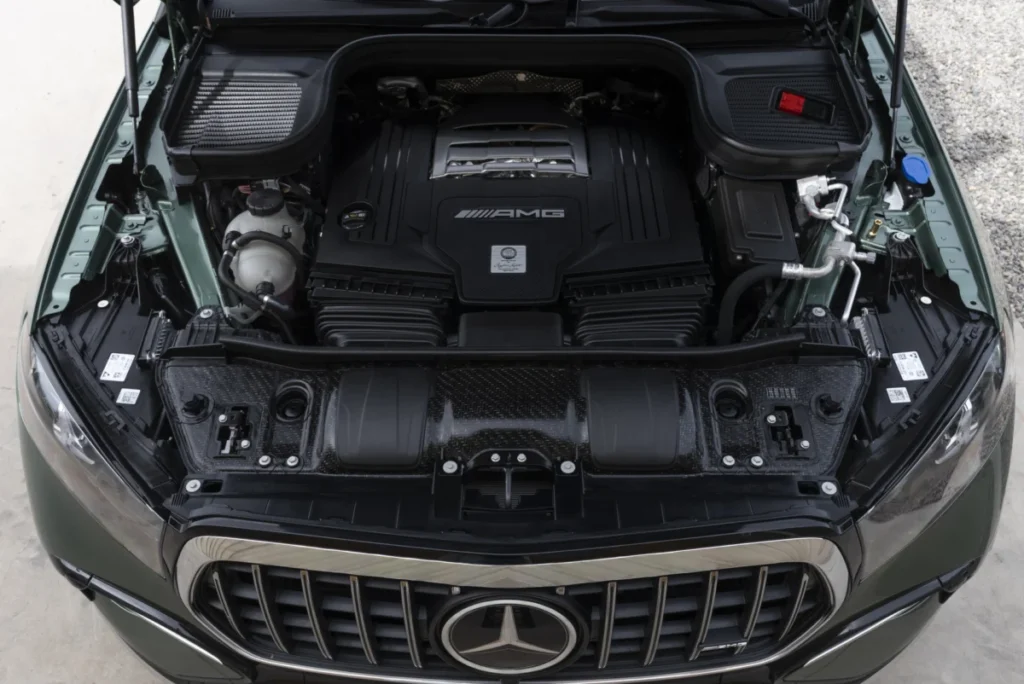
In an automotive landscape increasingly dominated by silent electrification and the relentless pursuit of corporate emissions targets, the persistence of a twin-turbocharged V8 engine feels like an act of defiance. Yet, at the headquarters of Mercedes-AMG in Affalterbach, that defiance is wearing the guise of technological evolution. The 2026 Mercedes-AMG GLE 63 S 4MATIC+ has arrived, not as a concession to modernity, but as a refined masterpiece of internal combustion engineering designed to survive the stringent regulatory hurdles of the Euro 7 era.
Main Facts: The Evolution of a Performance Icon
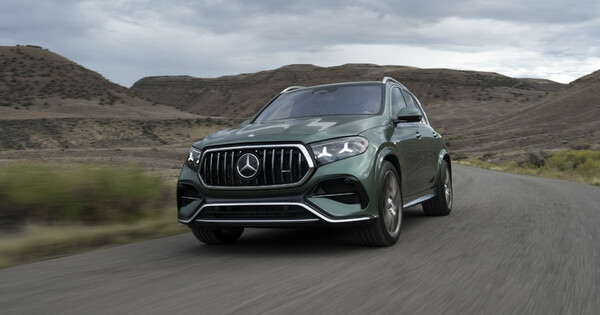
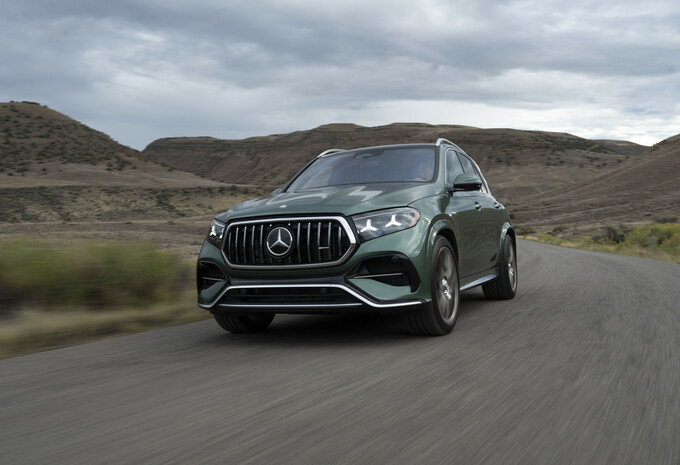
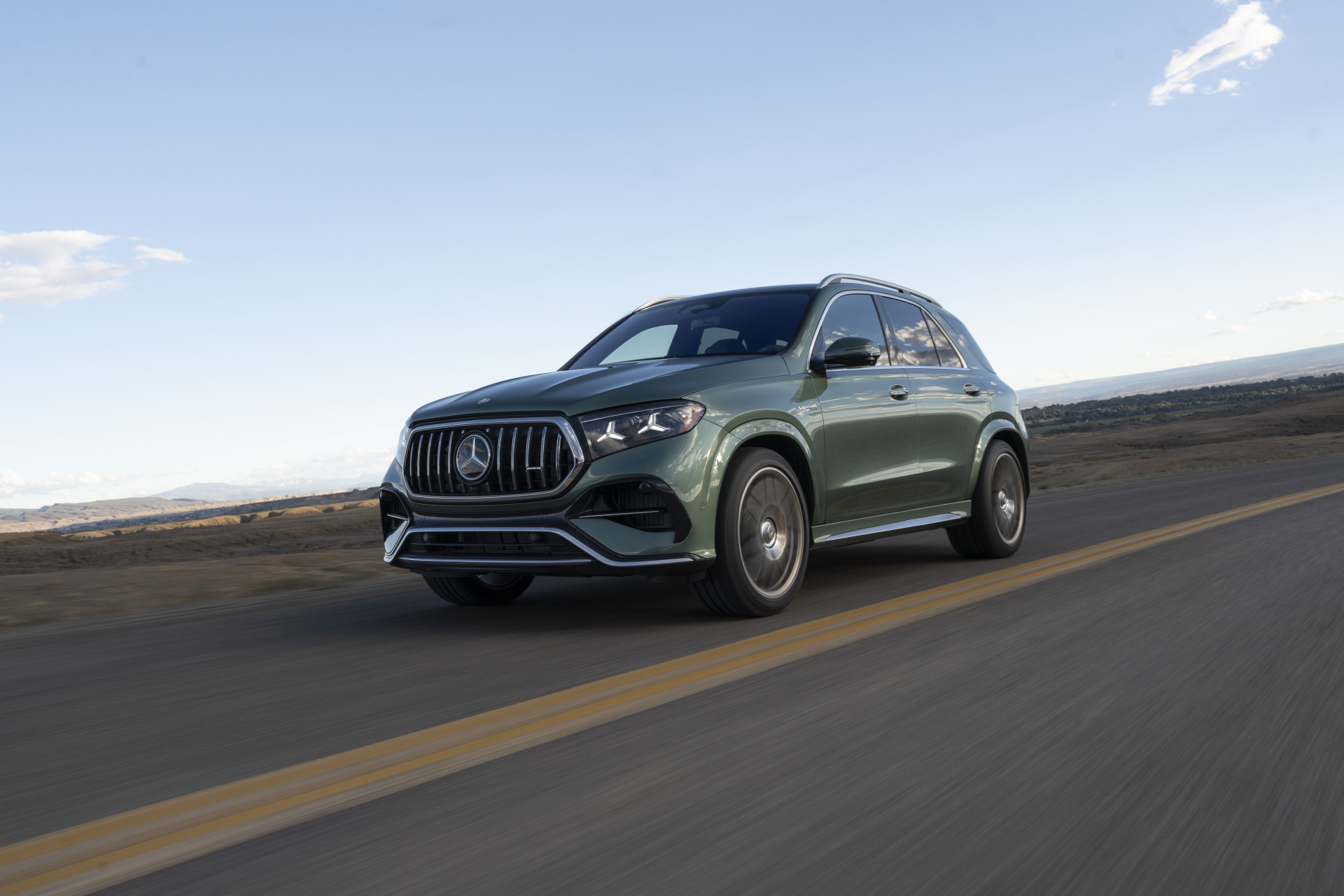
The 2026 update to the GLE 63 S is an exercise in "calculated refinement." While the exterior silhouette retains the familiar, imposing stance of the GLE, it arrives with a sharpened aesthetic. The signature AMG radiator grille—now featuring those iconic vertical slats—commands attention, while the wheel arches have been sculpted to accommodate massive alloy rims, with options stretching up to a staggering 23 inches.
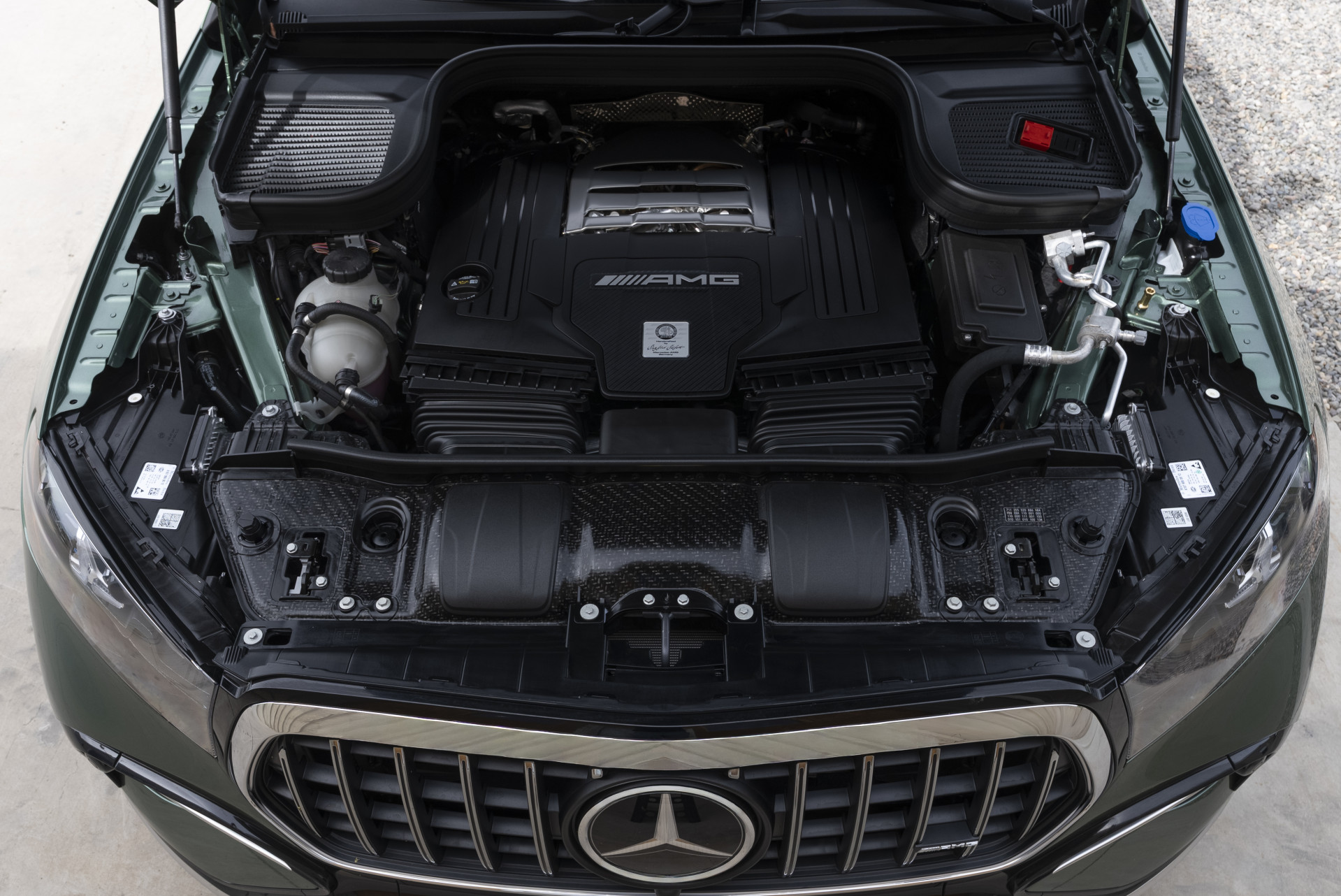
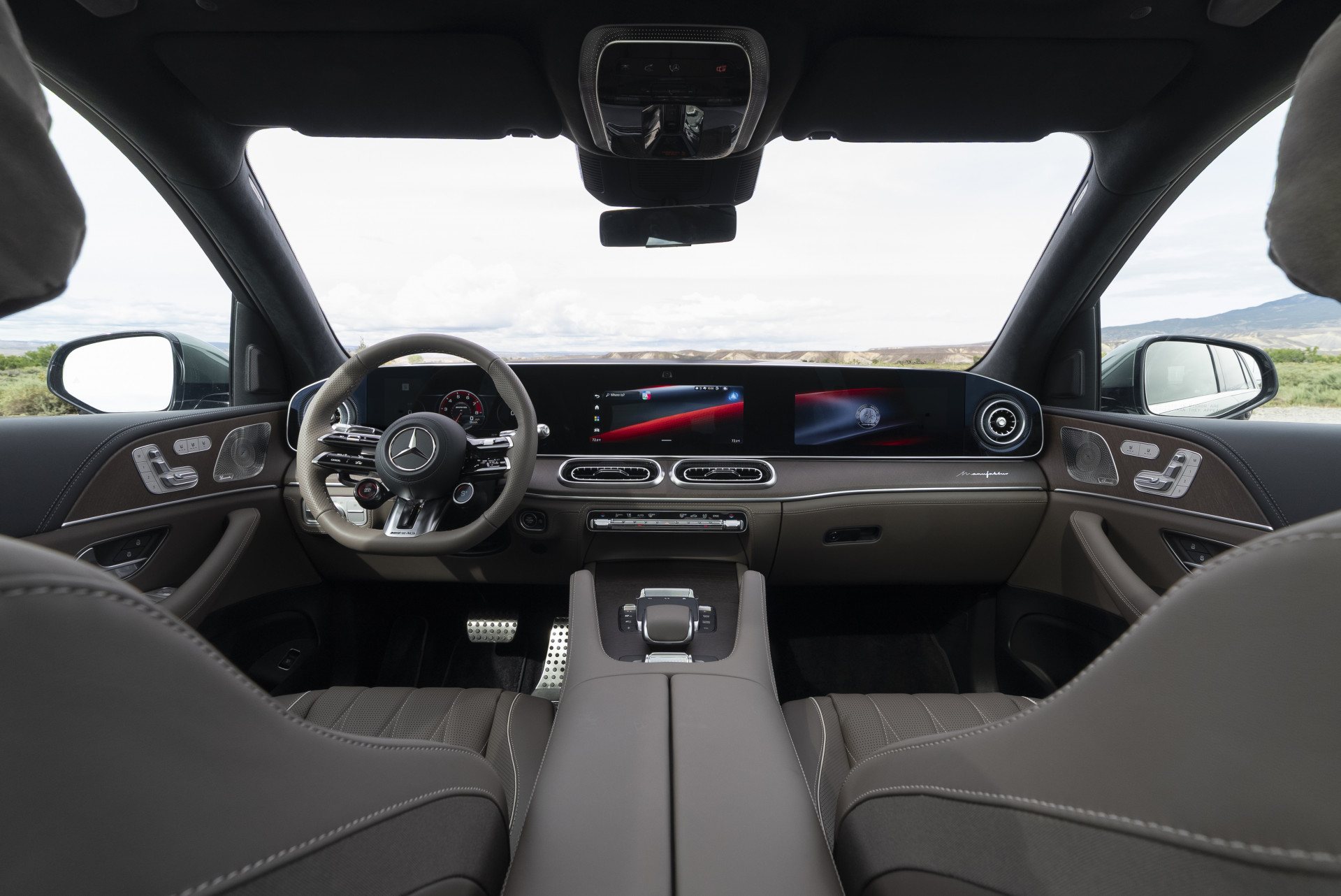
Inside, the cabin remains a sanctuary of high-performance luxury, though it now benefits from the latest iteration of the Mercedes-Benz MB.OS infotainment system, which includes bespoke performance pages exclusive to the Affalterbach models. However, the true story lies beneath the hood. The legendary 4.0-liter M177 V8 engine has been re-engineered into the "M177 EVO," a powerplant that manages to marry high-octane performance with the efficiency requirements of tomorrow.
Chronology of Engineering: The Birth of the M177 EVO
The development of the M177 EVO represents a significant technological leap. The project began with a singular goal: maintaining the visceral character of an AMG V8 while meeting the increasingly tight environmental constraints of global markets.
- The Hybrid Integration (Early Development Phase): To boost efficiency, engineers integrated a 48-volt mild-hybrid system. The addition of an integrated starter-generator (ISG) provides an immediate power boost during acceleration, reducing the load on the combustion engine and effectively smoothing out the power delivery curve.
- Optimizing the Breath: The development team overhauled the engine’s respiratory system. By refining the intake and exhaust ducts and installing new, more efficient turbochargers, the engine achieves a more precise response to throttle inputs.
- The Mechanical Breakthrough: The most significant change is the introduction of a new flat-plane crankshaft. This design reduces rotating masses, allowing the engine to climb through the rev range with a sharpness rarely seen in heavy SUVs.
- Final Compliance (Present Day): With a redesigned injection system and updated camshaft profiles, the M177 EVO is officially optimized to comply with the upcoming Euro 7 emission standards, a feat many thought impossible for an engine of this displacement and power output.
Supporting Data: Performance vs. Efficiency
The statistics of the 2026 GLE 63 S provide a fascinating look at the compromises required in the modern era of performance motoring.
- Power Output: The vehicle produces a staggering 612 horsepower. Despite the extensive internal upgrades, the peak output remains identical to its predecessor.
- Acceleration: The 0 to 100 km/h sprint is achieved in 3.9 seconds. While this is objectively blistering, it is slightly slower than the previous model, a result of the increased curb weight necessitated by the mild-hybrid components and advanced chassis tech.
- Consumption and Emissions: Real-world performance comes at a cost. The GLE 63 S returns between 13.1 and 13.5 liters per 100 kilometers. CO2 emissions are similarly substantial, ranging from 298 to 308 g/km.
- Pricing: The entry price for this level of engineering excellence is €156,937, excluding the inevitable tax burdens and the high costs of maintenance and fuel.
The Chassis: Dynamics and Versatility
The performance of the GLE 63 S is managed by a suite of chassis technologies that blur the line between a luxury hauler and a track-ready machine. The AMG Active Ride Control system works in tandem with air suspension and electronically controlled adaptive dampers to provide a ride that is surprisingly supple in "Comfort" mode, yet razor-sharp when switched to "Sport+."
One of the most impressive technical aspects is the rear-axle differential lock, which, combined with the 4MATIC+ all-wheel-drive system, allows the massive SUV to put its power down with surprising agility. Interestingly, the vehicle features an off-road mode capable of increasing the ground clearance by 55 mm. While it is unlikely that many owners will take their 63 S through deep mud, the engineering capability is a testament to the platform’s sheer versatility.
Official Perspectives and Market Implications
Mercedes-AMG positions the GLE 63 S as the pinnacle of the segment, but they are keenly aware of the shifting market tides. In our testing—conducted on American soil where the exhaust note remains unmuted by the more restrictive European regulations—the SUV proved to be a more cohesive and pleasant driving experience than its plug-in hybrid stablemate, the GLE 450 e.
The core dilemma for the consumer is the internal competition from the GLE 53 e. With 585 horsepower, the 53 e offers near-identical performance in a package that is significantly more fuel-efficient and cost-effective. Yet, the 53 e lacks the soul of the V8. The decision to purchase the 63 S is no longer just about horsepower; it is about the "theatre" of the engine, the vibration, and the heritage that the V8 represents.
The Verdict: An Anachronism of Excellence
The 2026 Mercedes-AMG GLE 63 S 4MATIC+ is a machine that seems to exist in defiance of the world around it. It is a masterclass in mechanical engineering, a luxury vessel that can outpace most sports cars, and a testament to what can be achieved when engineers are given the resources to refine a classic formula rather than abandon it.
However, its existence is inherently provocative. In an age of climate consciousness, driving a vehicle that emits over 300g of CO2 per kilometer is a choice that makes a statement. It is a vehicle for the unapologetic, for those who value the mechanical symphony of an eight-cylinder engine over the pragmatic efficiency of an electric motor.
The engineers at Affalterbach have succeeded in giving this titan "better manners" through technology, but at its heart, it remains a wild beast. Whether the market will continue to reward this level of performance in an increasingly regulated future remains the biggest question of all. For now, the GLE 63 S stands as a triumphant, loud, and undeniably magnificent piece of automotive history—a car that reminds us that while the future may be electric, the present is still very much powered by the fire of the V8.
