

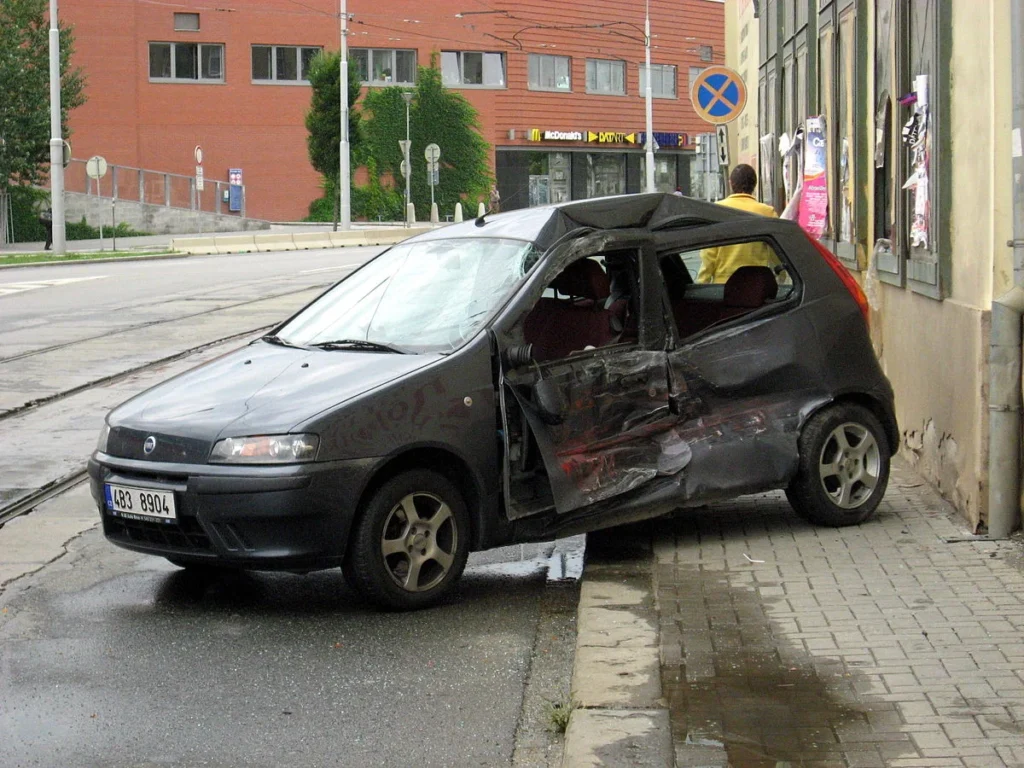
Imagine a sudden, jarring sound—the crunch of metal, the shattering of glass, and the realization that you have just been involved in a serious accident for which you are legally responsible. In an instant, your financial stability and peace of mind are put to the ultimate test. While many view auto insurance as merely a bureaucratic hurdle to be cleared before hitting the road, the reality is far more profound: it is a strategic financial instrument.
Choosing the right insurance policy is not just about compliance; it is about risk management. A miscalculation in your coverage needs can expose you to devastating out-of-pocket expenses or complex legal entanglements. Whether you are a novice driver or a seasoned veteran, understanding the mechanics of automotive risk is essential for navigating modern traffic.
The Pillars of Automotive Coverage: Understanding Your Options
The insurance market operates on a tiered structure, providing different levels of protection to suit various risk profiles and financial capacities. Understanding these levels is the first step toward making an informed decision.
The Mandatory Minimum: Third-Party Liability
In most jurisdictions, the "Third-Party Liability" (or "Responsibility Civile") is the legal bedrock of auto insurance. Its purpose is singular: to compensate others for the damages—bodily injury or property damage—you inflict upon them during an accident. However, it is crucial to understand that this is a protection for others, not for you. If you are at fault, the damage to your own vehicle remains your financial responsibility.
The Middle Ground: "Third-Party Extended"
Often referred to as "Third-Party Fire and Theft," this intermediate level adds essential safeguards to the basic liability package. It typically covers events beyond your control, such as vehicle theft, fire damage, and glass breakage. For many mid-range vehicle owners, this provides a balance between affordability and essential asset protection.
The Comprehensive Shield: "All-Risks" Insurance
The "All-Risks" (or "Tous Risques") policy is the most robust form of protection. It covers damages to your own vehicle, even if you are entirely at fault for an accident. It is the gold standard for those who prioritize the security of their investment, particularly for new, high-value, or luxury vehicles.
Chronology of Risk: Why Your Profile Dictates Your Premium
Insurance companies do not price policies based on guesswork; they use actuarial science to calculate risk. Your history and habits form a chronological map of your reliability as a driver.
- The Novice Phase: New drivers are statistically higher-risk. Insurance premiums often reflect this lack of experience.
- The Accumulation Phase: As you drive without incident, your "bonus-malus" coefficient improves. This is a critical lever in long-term cost management.
- The Peak Efficiency Phase: With a history of safe driving, you reach a status where you can secure comprehensive coverage at significantly reduced rates.
Your profile—comprising age, years of driving, residential area, and incident history—acts as a multiplier for your insurance costs. A driver with a clean record over a decade is fundamentally a lower risk to the insurer, and this is reflected in the price.
Supporting Data: The Correlation Between Usage and Risk
Statistical data consistently demonstrates that the way a vehicle is used is as important as the vehicle itself.
- Commuter Usage: Frequent driving during rush hour significantly increases the statistical probability of a minor accident or fender-bender.
- Professional Use: Vehicles used for business, carrying equipment, or traveling long distances across different regions are exposed to a broader spectrum of environmental and traffic-related hazards.
- Occasional Use: Vehicles kept primarily in a garage and used only for weekend excursions face lower exposure, which can often lead to "pay-as-you-drive" or mileage-based discounts.
Optimizing your coverage based on your actual annual mileage is a highly effective way to trim costs without sacrificing essential protection. If you are driving fewer than 8,000 kilometers a year, you should be questioning whether a standard full-coverage policy is the most economical choice.
Official Perspectives: The Regulatory and Legal Landscape
Regulatory bodies emphasize that insurance is a contract of "utmost good faith." When applying for a policy, the duty of disclosure rests with the policyholder. Failure to accurately report your vehicle’s usage or your primary driver status can lead to the nullification of claims when they are needed most.
Legal experts advise that consumers should not focus solely on the premium. A policy that is cheap today but excludes "legal protection" or "first-kilometer assistance" may end up costing thousands in legal fees or towing costs in the future. Official consumer protection guidelines consistently suggest that policyholders review their "Exclusions of Warranty" document—a section often ignored but which contains the specific scenarios where the insurer is not obligated to pay.
The Strategic Implications of Proper Coverage
The implications of selecting the wrong insurance are not just financial; they are deeply personal. An uninsured or underinsured accident can lead to:
- Asset Seizure: In the event of a high-cost liability judgment, your personal savings or assets may be at risk.
- Mobility Loss: Without a loaner vehicle or adequate repair coverage, you may find yourself without transportation, impacting your ability to work.
- Legal Liability: In cases involving bodily harm to others, the legal costs of defending yourself can be ruinous.
Comparing Policies: A Methodological Approach
To find the best value, you must move beyond the price tag. Use the following criteria for your next review:
- The Franchise (Deductible): How much are you willing to pay out-of-pocket before the insurance kicks in? A higher deductible lowers your monthly premium but increases your immediate liability in an accident.
- Coverage Limits: Does the policy have a cap on property damage? Is that cap sufficient given the current cost of modern vehicle repairs?
- Supplementary Assistance: Does the policy provide a rental car? Does it include 24/7 breakdown recovery from the first kilometer?
Conclusion: Investing in Peace of Mind
The process of choosing an auto insurance policy should be viewed as a proactive investment in your future. By analyzing your personal habits, understanding the tiers of coverage available, and methodically comparing the fine print of various providers, you transform a mandatory expense into a strategic safeguard.
Ultimately, the best policy is the one that aligns with your specific lifestyle—whether that means a minimal, budget-friendly tier for an older car or a robust, all-encompassing plan for your primary vehicle. Take the time to request digital quotes, analyze your historical data, and consult the terms and conditions. Your car is likely one of your most expensive assets; protecting it properly is not just a legal requirement, but a fundamental aspect of personal financial hygiene.
By taking control of your insurance choices today, you are ensuring that if the unexpected does happen, you have the resources, support, and protection to recover quickly and return to the road with confidence.
